




Dated Storage Chest
A dated storage chest carries the exact year of its making, offering tangible history in oak, pine, or painted wood.
Dated Storage Chest
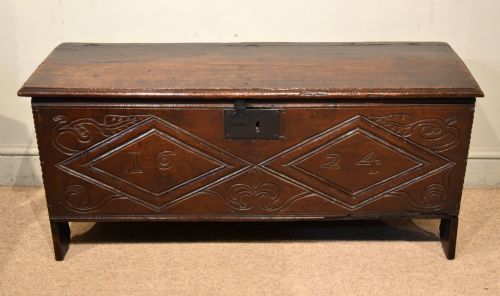
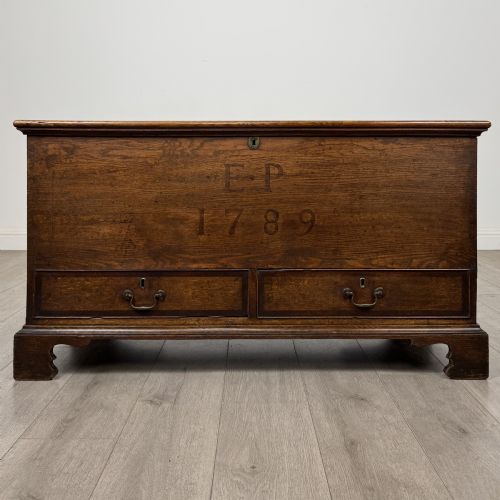
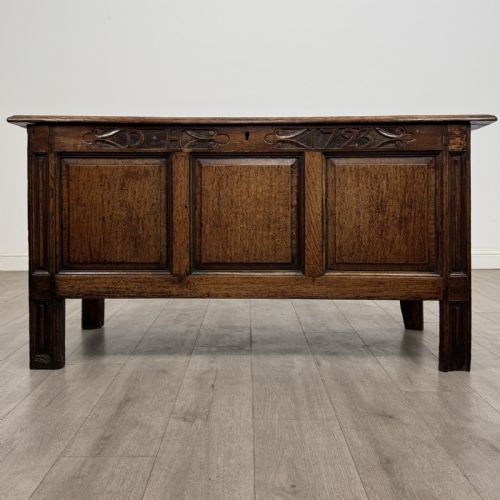
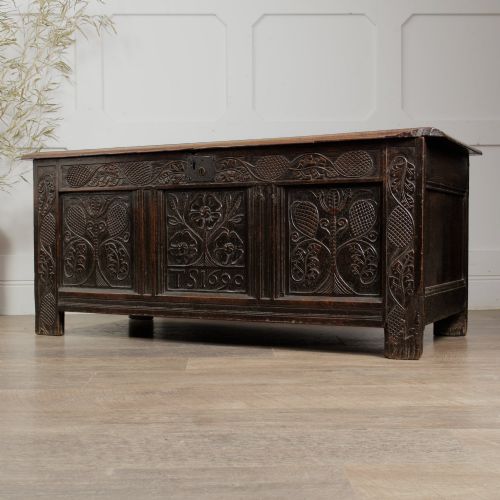
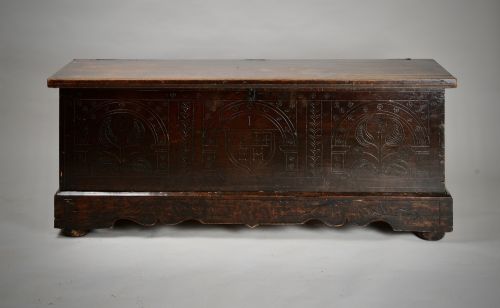
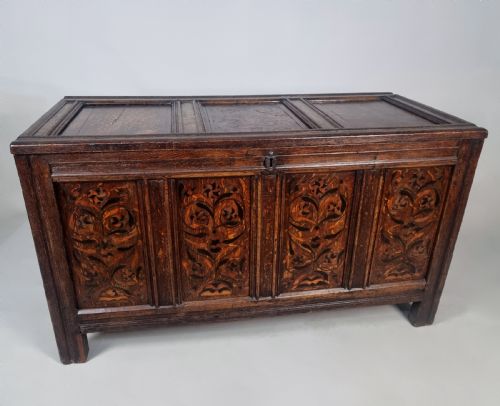
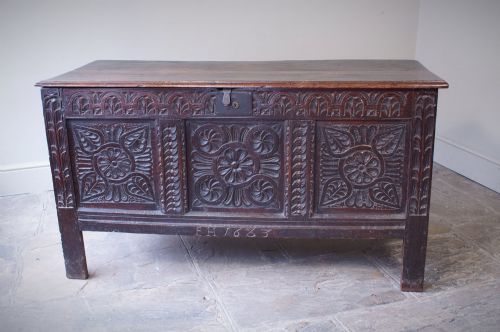
A dated storage chest is a sturdy container built to hold household goods, textiles, and valuables while recording its year of creation directly on the timber or paintwork. When you search for a dated storage chest, you encounter heavy oak coffers from the seventeenth and eighteenth centuries alongside brightly painted pine boxes from Scandinavian and Hungarian traditions. These pieces served practical domestic purposes in Welsh, English, and continental homes before surviving into modern interiors as statement furniture.
The oak examples tend to feature panelled construction, carved initials, and deep golden patination reflecting Georgian or earlier craftsmanship. Alternatively, the painted pine variants from the nineteenth century display folk art motifs, marriage dates, and vibrant colour palettes applied to Scandinavian boxes. Each version provides robust interior capacity while displaying explicit chronological markers that anchor the piece in a specific decade.
How they were made
Makers constructed these pieces primarily from native timbers such as oak, pine, and elm, joining boards with traditional methods like mortise and tenon joints or dovetails. Iron and wrought iron hardware, including strap hinges and lock plates, reinforced the heavy lids and corners of early coffers. Brass fittings occasionally appear on later deed boxes and trunks.
Surface decoration involved carving, marquetry inlay using mixed woods, or direct application of hand-mixed paint. Painters applied folk art designs and commemorative dates onto pine surfaces, while joiners carved initials and years straight into the dense grain of early oak panels.
Dated Storage Chest Retail Price Guide 2026
Typical asking prices for dated storage chest among the pieces listed under this phrase on Sellingantiques today, from the lower quarter to the upper quarter. They describe what is for sale here now, not the wider market.
Several Swedish marriage chests carry specific painted dates calculated to charm any room long after the wedding vows concluded.
What varies in quality
The integrity of the timber and the clarity of the original date or inscription dictate the standing of a piece within the range. Crisp carving on seventeenth-century oak panels or remarkably preserved folk art paintwork on nineteenth-century Scandinavian boxes elevates certain examples above simpler, plain-timber utility trunks.
Proportion and structural survival also shape the standard, as pieces retaining their original hinges, locks, and feet without excessive timber replacement hold greater integrity. The depth of the colour, the richness of the wood grain, and the untouched state of the surface finish distinguish superior specimens from heavily restored alternatives.
The Dated Storage Chest Glossary
- Coffer
- A large wooden chest traditionally used for storing valuables, plate, or documents. These heavy containers often feature panelled lids and robust iron locks.
- Mule chest
- A storage chest featuring one or more drawers at the base beneath the main compartment. This form bridges the traditional coffer and the modern chest of drawers.
- Cassone
- An Italian-style chest, though the term applies to continental dowry chests seen in period collections. They are typically ornate and intended for household linens.
- Bible box
- A small desk-like box designed to hold family texts and writing materials. These compact pieces often feature sloping lids and fitted interior compartments.
- Marquetry
- The art of applying thin slices of wood veneer to a structure to form decorative patterns. Mixed inlay woods create contrasting geometric designs on period surfaces.
Dated Storage Chest: Frequently Asked Questions
What did people store inside a dated storage chest?
Households utilised these large containers to safeguard valuable textiles, woollen blankets, heavy clothing, and important household documents away from dampness and pests.
In earlier centuries, they also held family silver, pewter tableware, and precious household goods that required secure containment under lock and key.
How do I tell an oak coffer from a pine box?
Oak pieces generally date from the seventeenth and eighteenth centuries, displaying dense grain, panelled construction, and deeper brown or golden tones.
Pine boxes often date from the nineteenth century, featuring softer wood, painted folk art surfaces, and lighter construction intended for Scandinavian or continental rural interiors.
Why do some chests have painted dates and initials?
Inscriptions and painted dates typically commemorated significant domestic milestones such as marriages, coming-of-age events, or the completion of a new household.
Initialling the timber ensured the piece served as an heirloom, recording the identity of the original owners for subsequent generations.
Where should I place a large storage chest at home?
These substantial chests function effectively at the foot of a bed for holding spare linens, or as a coffee table in a living space providing concealed storage.
Their robust timber surfaces also allow them to sit in hallways or reception rooms as standalone display pieces with practical utility.