
Dark Wood Wall Panel
A dark wood wall panel brings centuries of architectural history into a room, offering rich textures and deep tones that anchor a space.
Dark Wood Wall Panel
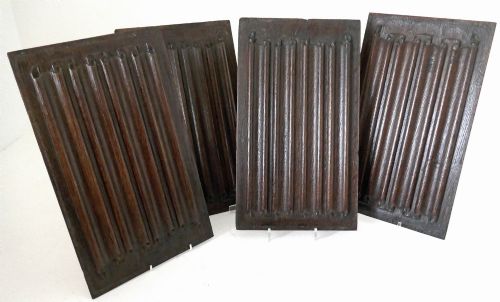
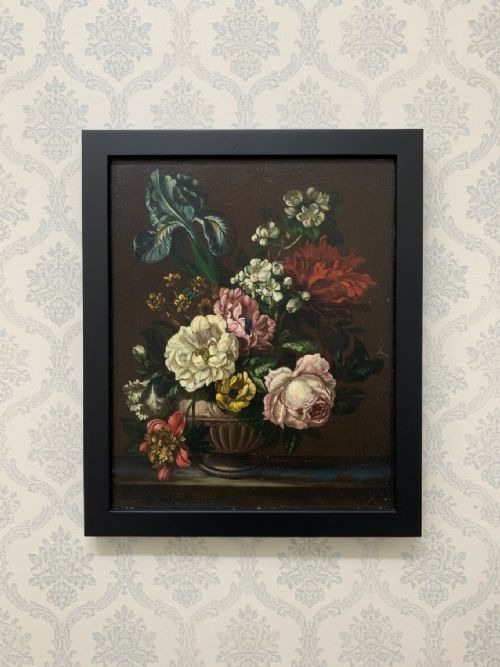
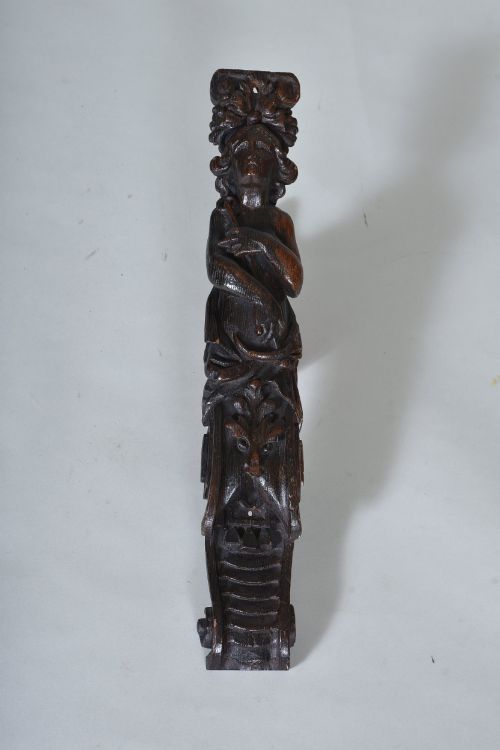
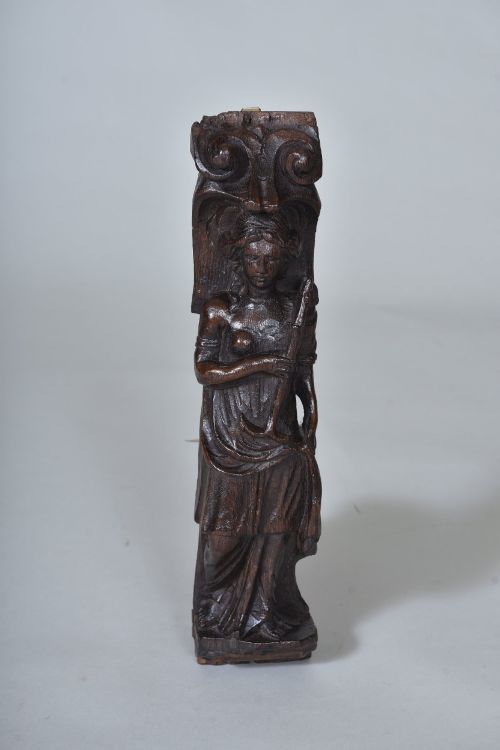
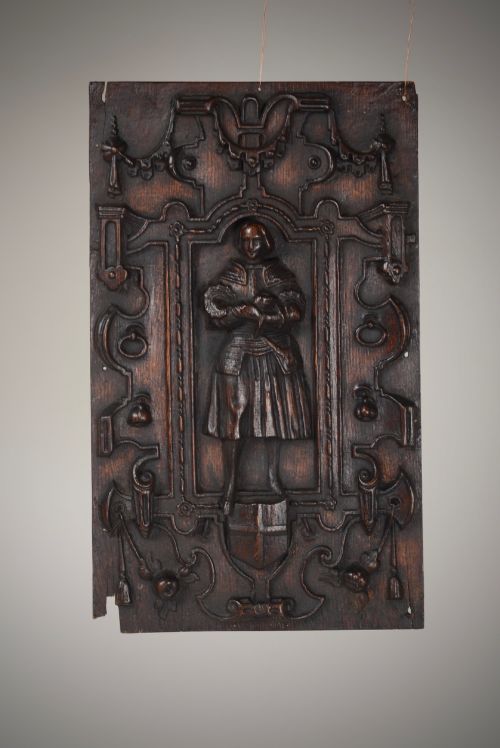
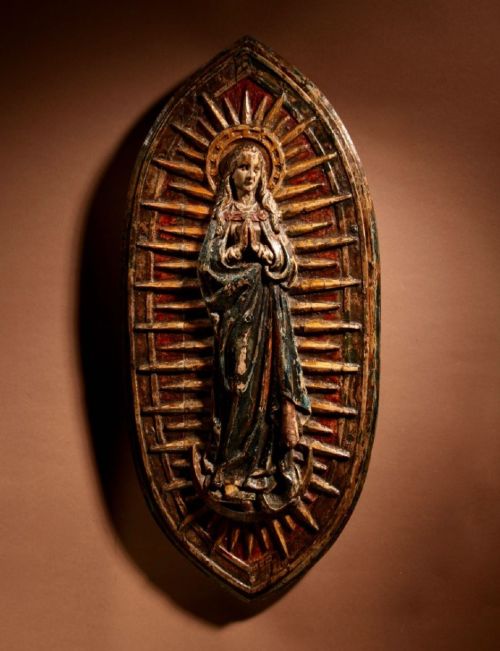
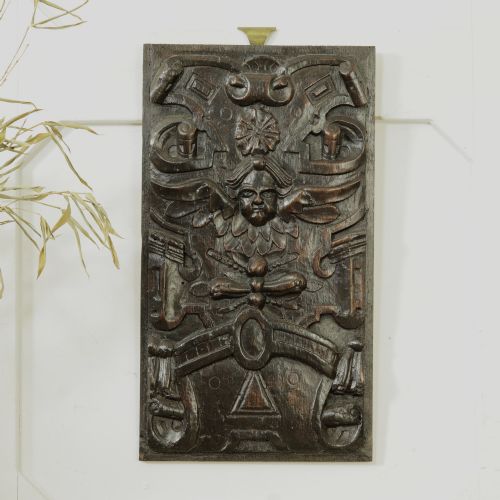
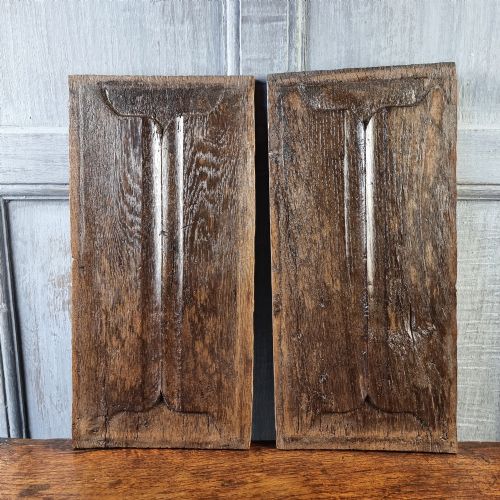
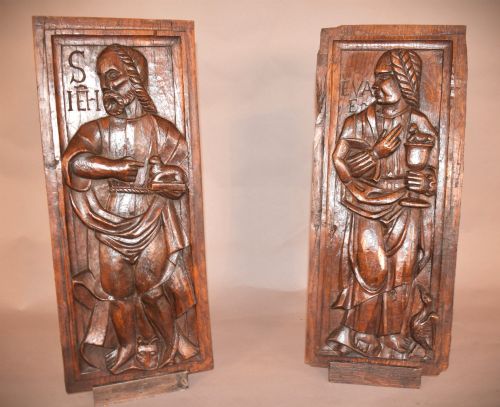
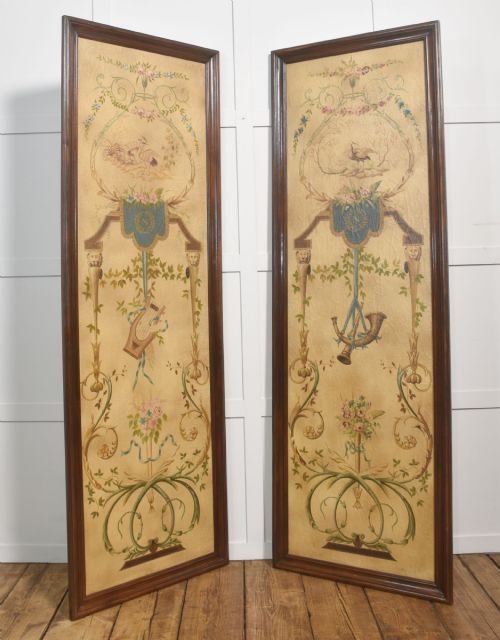
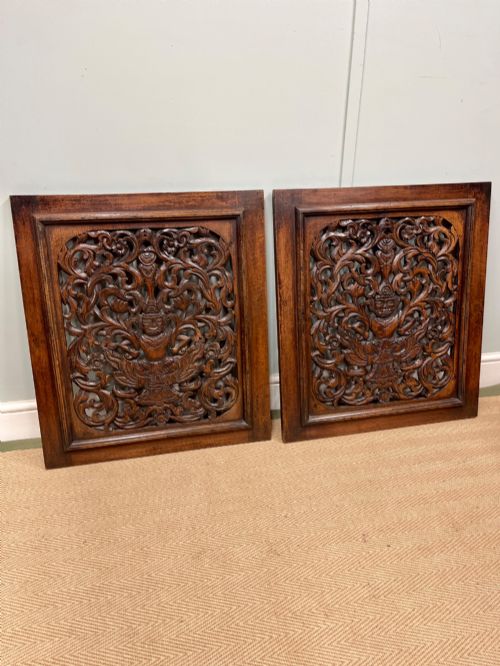
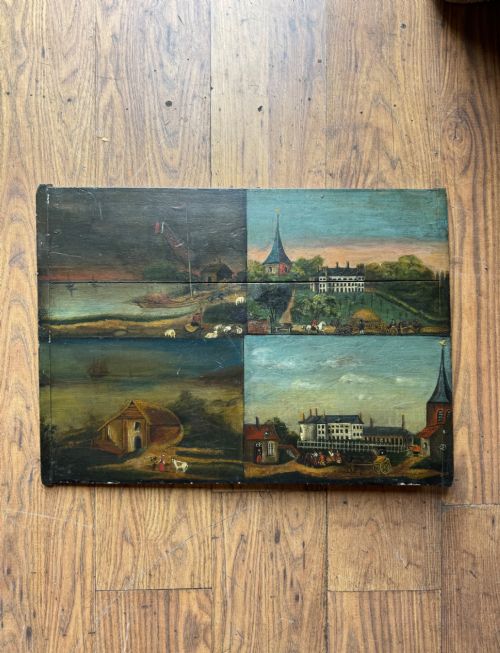
A dark wood wall panel search reveals architectural salvage, carved reliefs, and antique paintings on wood spanning several centuries. Buyers frequently encounter heavy oak panels featuring linenfold designs, figural carvings, and geometric motifs originating from sixteenth and seventeenth century workshops.
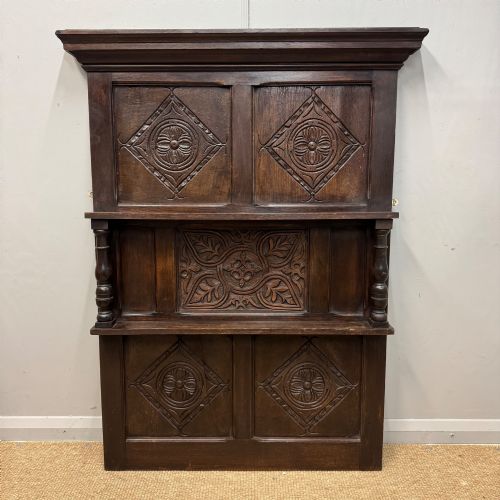
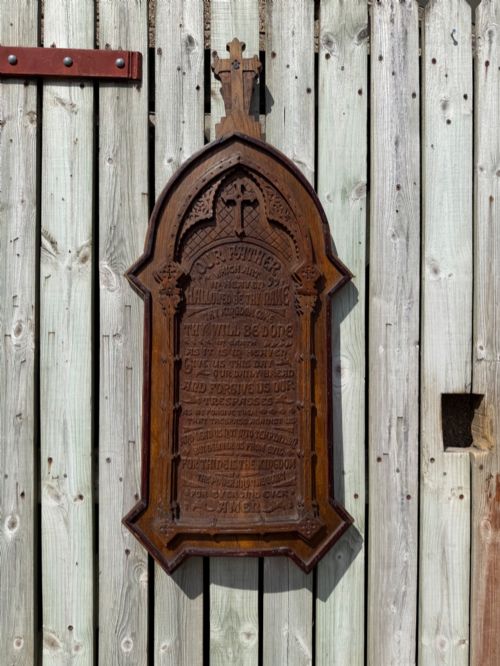
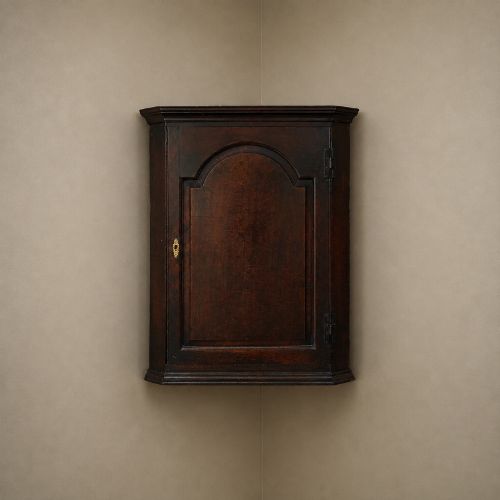
The selection also includes later nineteenth century overmantel pieces, repurposed furniture fragments, and provincial timber works. These items function as wall art, architectural interest pieces, or cabinet elements mounted for display.
Origins range across English Tudor and Jacobean traditions to continental Dutch and broader European styles. Each item retains the patina of its original interior setting, whether removed from a noble home or an ecclesiastical structure.
How they were made
Makers utilised dense timbers such as oak, walnut, and mahogany, selected for their structural stability and capacity to hold crisp hand carvings. Artisans employed traditional joinery techniques, using mortise and tenon frames to house floating panels that could expand and contract with seasonal humidity changes.
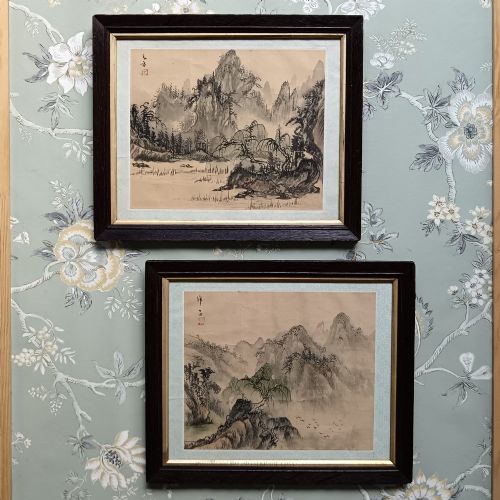
Carving was executed entirely by hand using gouges, chisels, and parting tools to achieve deep relief work, mythological figures, and repeating foliage. Painted and gilded decorative variants incorporate oil paint, gold leaf, and enamel applied directly to timber, canvas, or metal surfaces.
Listings feature items from the sixteenth century through to the twentieth century, constructed primarily in oak, walnut, and mahogany.
What varies in quality
Quality rests upon the crispness of the hand carving and the depth of the relief work. Superior examples display sharp undercutting and confident tool marks that reveal the hand of a skilled artisan rather than mechanical replication.
The integrity of the timber and the preservation of the original surface patination dictate the desirability of a piece. Earlier seventeenth and sixteenth century fragments retaining their original dry wax finish command greater attention than heavily stripped or excessively restored surfaces.
The Dark Wood Wall Panel Glossary
- Linenfold
- A style of relief carving imitating folded linen or parchment, frequently seen on sixteenth century panels. It creates vertical folds that give flat timber a sense of draped movement.
- Overmantel
- A decorative panel, mirror, or painting fitted permanently into the wall space directly above a fireplace mantel. These architectural elements often feature grand framing and elaborate central carvings.
- Relief
- Sculptural work where the figures project from a flat background surface. High relief indicates elements that stand out significantly from the timber plane.
- Architectural salvage
- Building components and decorative fittings rescued from older structures slated for demolition or renovation. This category includes carved door panels, friezes, and structural timber fragments.
- CoFFER
- A large wooden chest used historically for storage, whose carved front panels are frequently removed and repurposed as wall hangings.
Dark Wood Wall Panel: Frequently Asked Questions
How do I hang a heavy wooden panel safely?
Heavy carved timber pieces require sturdy wall fixings anchored directly into masonry or timber studs. Using a french cleat system distributes the considerable weight evenly along the top edge of the panel.
Ensure the mounting hardware matches the load capacity of your specific wall type to prevent shifting over time.
How do I clean antique dark wood?
Dust the timber gently with a dry, soft bristle brush or a lint-free cloth to remove surface particles. Avoid modern silicone polishes and wet cloths, which can degrade old wax finishes and soften aged wood.
Apply a microcrystalline wax sparingly once or twice a year if the timber appears dry, buffing it gently to a soft sheen.
Can these panels be mounted in bathrooms?
Historic timbers react poorly to frequent fluctuations in humidity and moisture found in bathrooms. Steam and water splashes cause old oak and walnut to warp, crack, and lose their historic surface finishes.
Display these pieces in dry living areas, hallways, or bedrooms where the environmental conditions remain stable.
How do I tell a reproduction from an antique?
Examine the back and edges of the timber for tool marks left by hand chisels rather than modern circular saws. Age shows through irregular shrinkage, pegged joinery, and a deep, accumulated wax patina that cannot be easily replicated.
Look closely at the wear patterns around fixing points, which should align with decades or centuries of handling and mounting.