



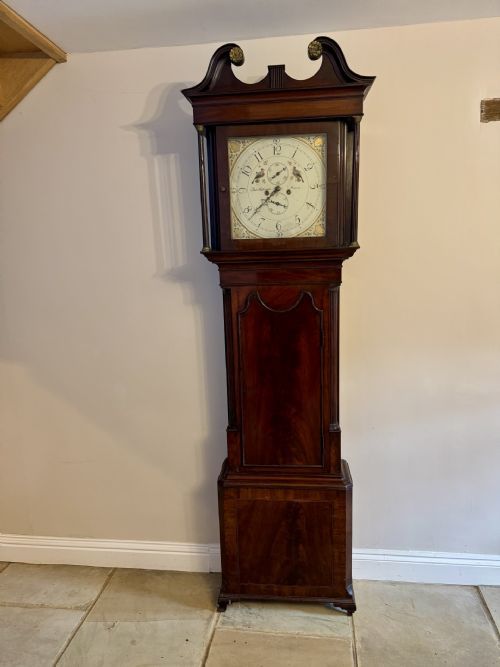
Dark Wood Tall Clock
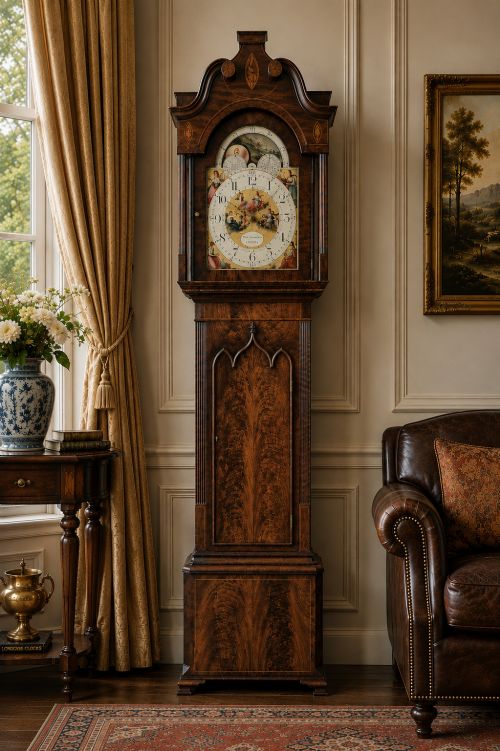
A dark wood tall clock stands as a monumental timekeeper, bringing rich mahogany and oak casework together with precise mechanical movement to any room.
Dark Wood Tall Clock
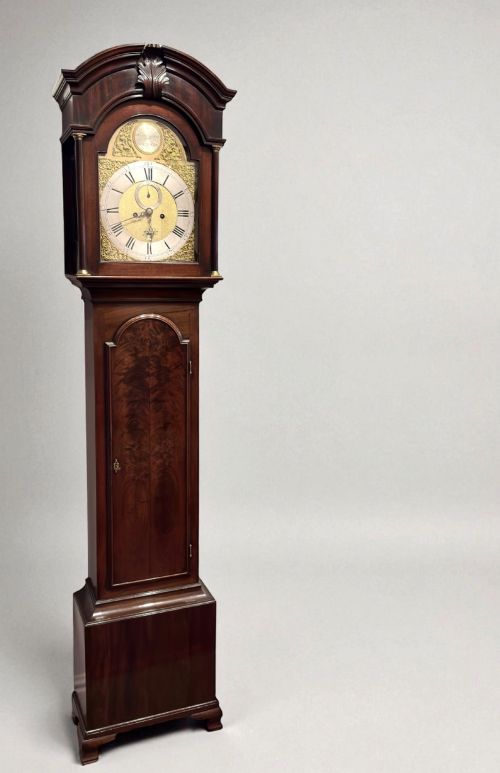
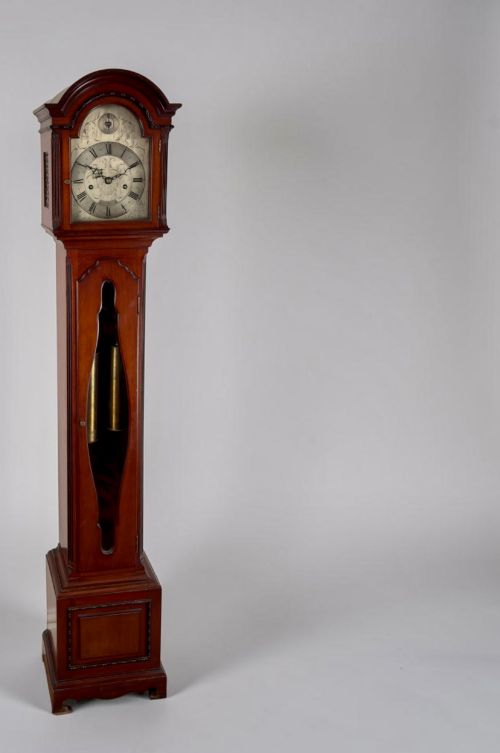
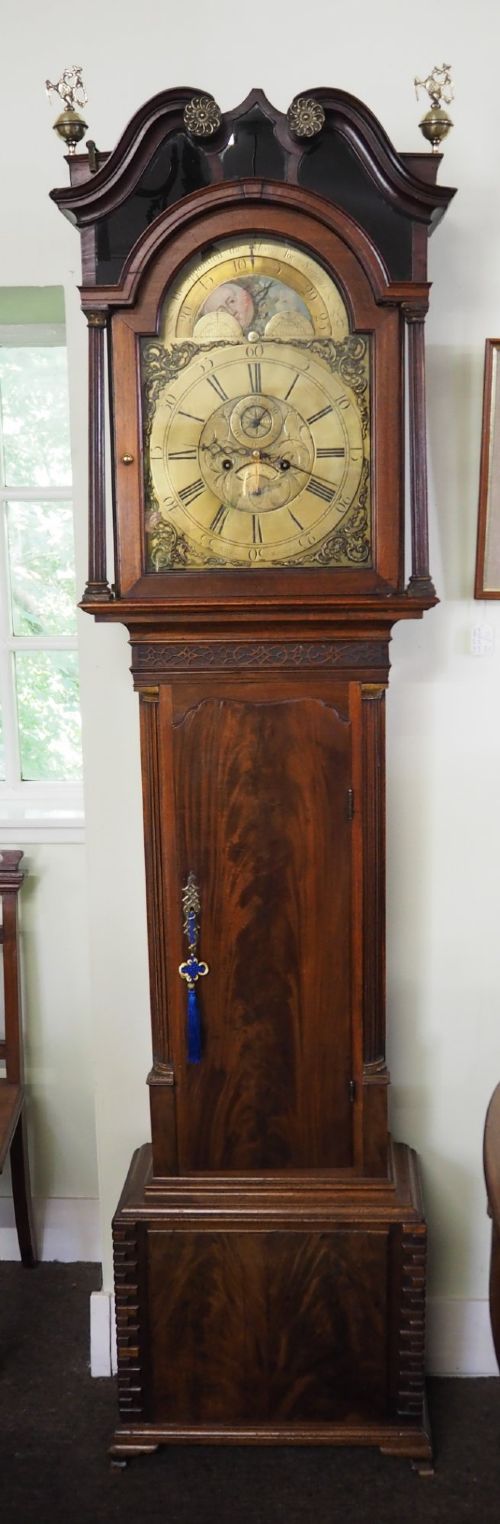
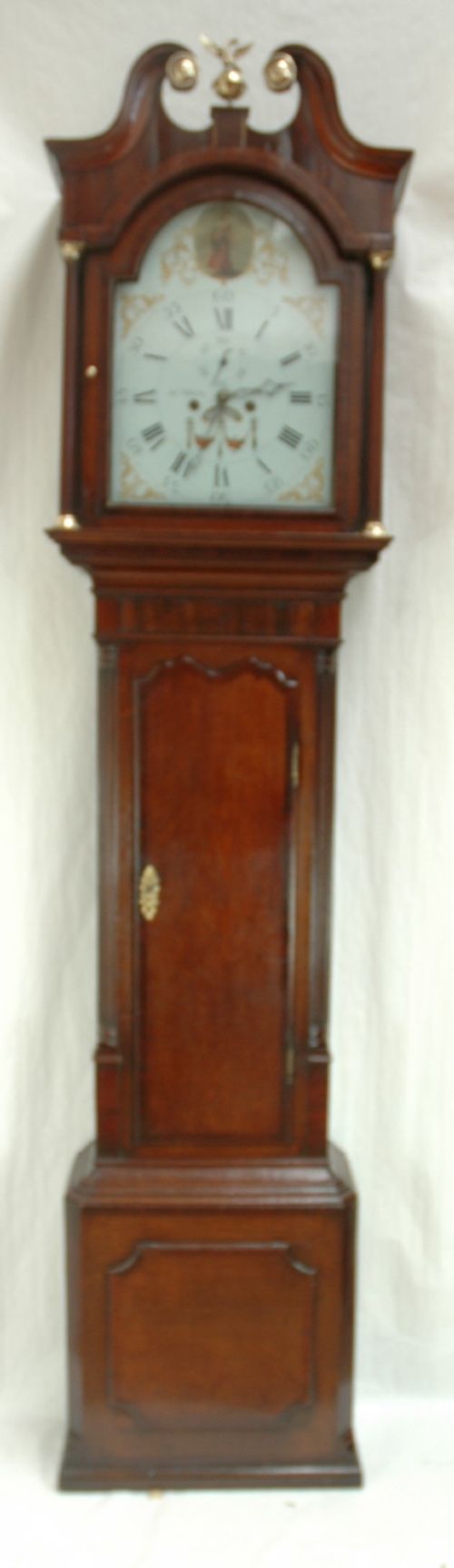
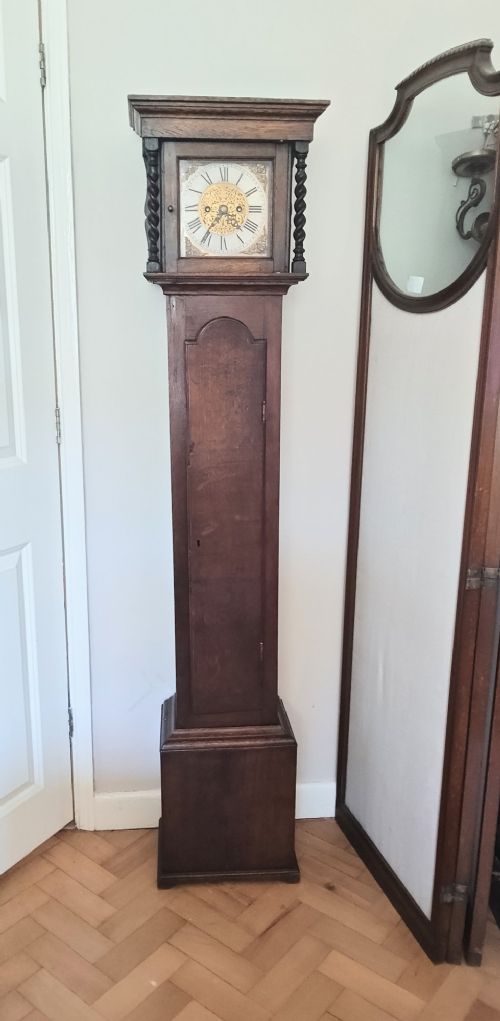
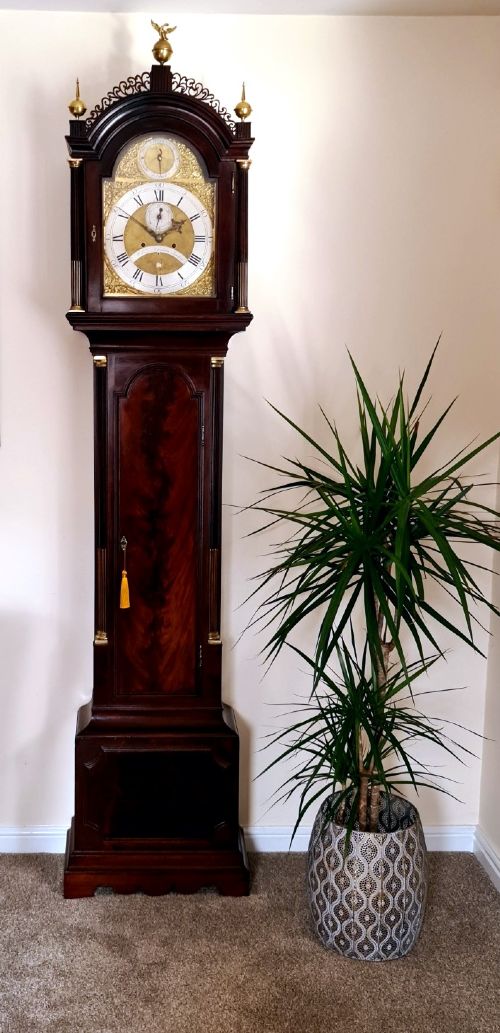
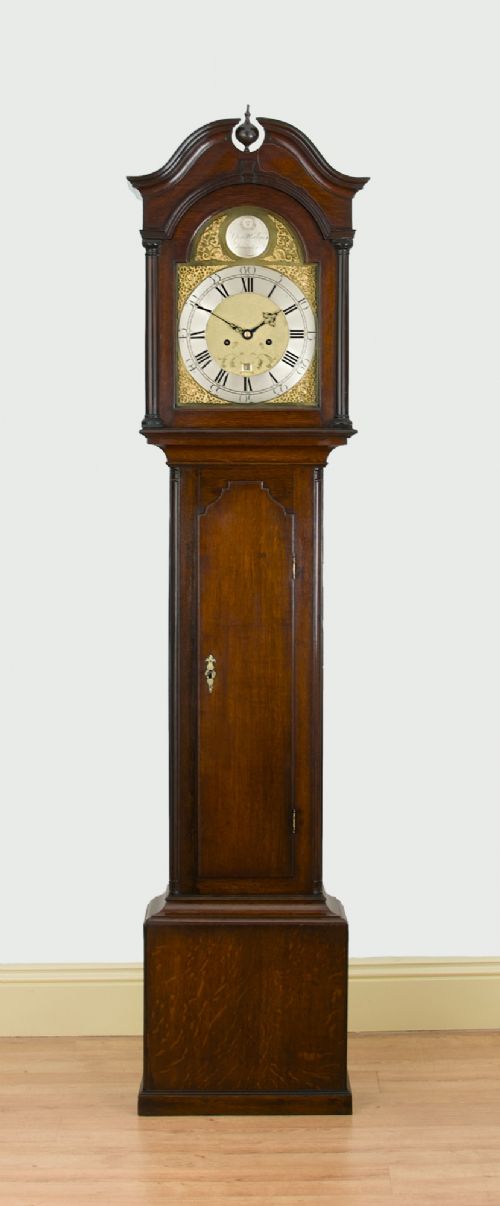
A dark wood tall clock encompasses longcase clocks, grandfather clocks, and smaller grandmother clocks originating across Georgian, Victorian, and Edwardian periods. These vertical timepieces serve as both functional instruments and architectural furniture pieces within domestic spaces.
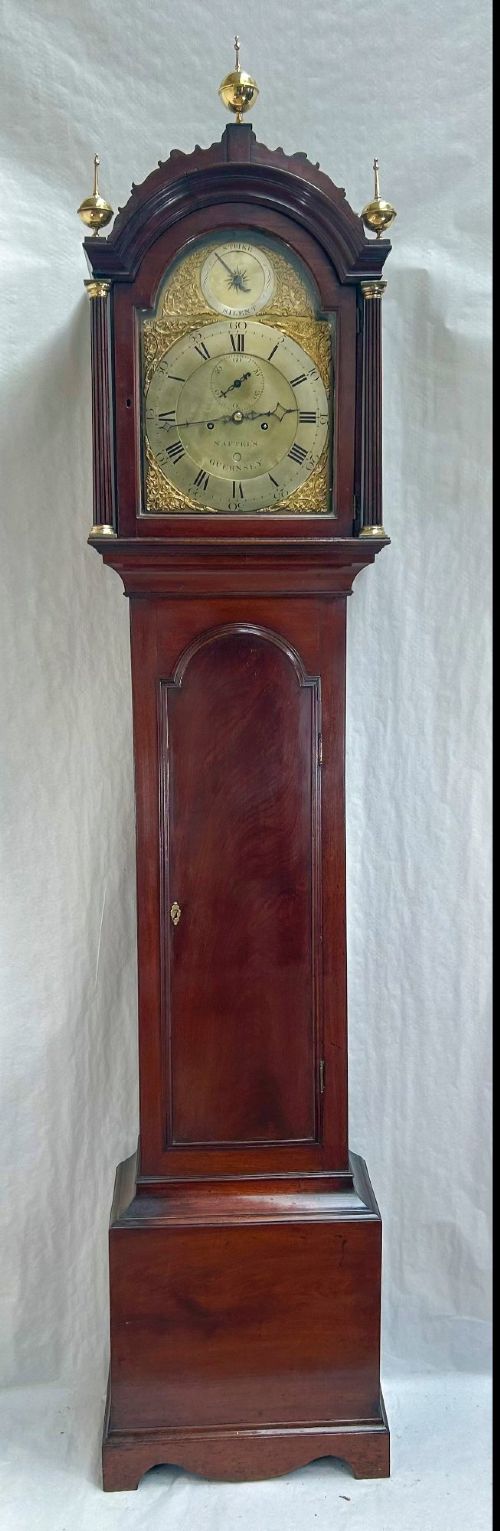
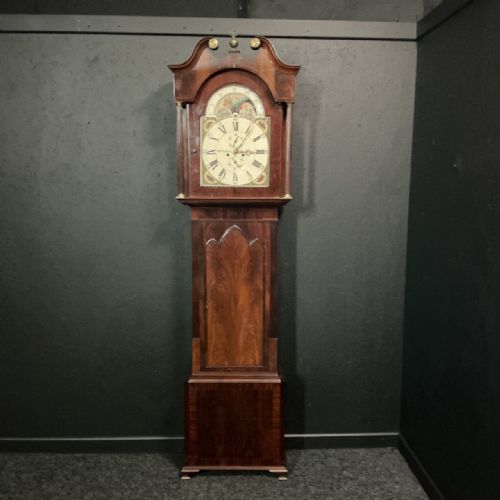
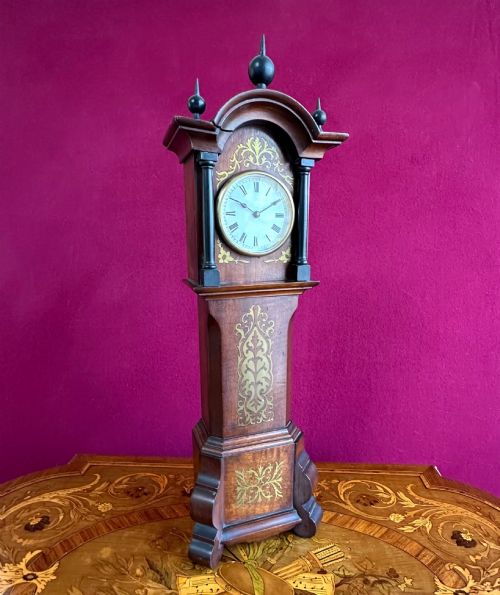
The selection on this page demonstrates various forms, ranging from standard eight-day mahogany longcase clocks to miniature examples and drum head variations. Makers span regional workshops in Scotland and England, alongside London masters.
Buyers encounter regional peculiarities such as moon roller dials and moonphase indicators housed in mahogany, flame mahogany, and oak cases. Each piece reflects the clockmaker's mechanical skill and the cabinetmaker's wood selection.
Materials and construction methods
Casework relies heavily on mahogany, flame mahogany, and oak, shaped by period cabinetmakers into tall upright housings with glass-fronted dial doors. Brass and painted iron feature in the dials and movement plates, while steel and iron form the gears and arbors.
Movements are constructed from brass and steel, often driving eight-day gear trains or specialised mechanisms like moon rollers and chiming tubes. Dials combine engraved brass or painted iron with delicate hands to track the passage of time.
Periods represented across the pieces span the Georgian, Victorian, and Edwardian eras, alongside specific dates from the eighteenth to the twentieth centuries.
Distinctions in quality and execution
Superior examples separate themselves through the crispness of dial engraving, the complexity of movements such as moonphase rollers or nine-tube chimes, and the depth of figure in flame mahogany cases. The integration between the clockmaker's signed movement and the cabinetmaker's housing dictates the overall cohesion of the piece.
Regional variations show distinct character, from London precision to Scottish provincial craftsmanship, where the calibre of the brass movement and the proportion of the timber case determine the lasting standing of the clock.
Gordon of Aberdeen·Gillett & Johnston of Croydon·James Field of Hempstead·Samuel Kellett of Bredbury·William Jourdain·George Hallifax Of Doncaster·Edward Shepley of Manchester·Matt Wylie Paisley·Charles Dowsett Of Canterbury·John Denbigh, Merton Park·Francis Perigal of Bond Street·Upjohn of Exeter·James Wood
The Dark Wood Tall Clock Glossary
- Longcase clock
- A tall pendulum clock enclosed in a wooden case with a weighted movement, commonly known as a grandfather clock.
- Moonphase
- A dial mechanism tracking the phases of the moon through a rotating painted disc visible through an aperture.
- Eight day
- A clock movement requiring winding once a week, utilising two or three trains for timekeeping and striking.
- Drum head
- A style of longcase clock featuring a circular dial housing mounted atop the trunk.
- Flame mahogany
- Timber veneer cut from the branch junction of a mahogany tree, prized for its fiery, swirling grain pattern.
Dark Wood Tall Clock: Frequently Asked Questions
How do I wind an eight day clock?
Eight day movements require the weights to be pulled up or the springs wound using a specialised key inserted into the winding holes on the dial.
Care must be taken not to overwind the mechanism, ensuring the pendulum remains undisturbed to maintain accurate timekeeping.
Where should I place a tall clock?
Tall clocks require a stable, level floor and solid wall attachment to secure the heavy wooden case and ensure the pendulum swings freely.
Placing the timepiece away from direct heat sources and drafts protects the wood and internal brass components.
How do I tell Georgian from Victorian clocks?
Georgian examples often display classic proportions with finely figured mahogany and brass dial work dating from the eighteenth century.
Victorian pieces frequently introduce heavier proportions, drum head cases, and alternative mechanical variations developed later in the nineteenth century.