
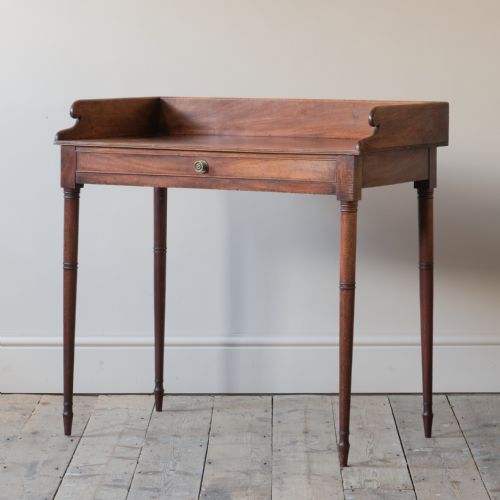
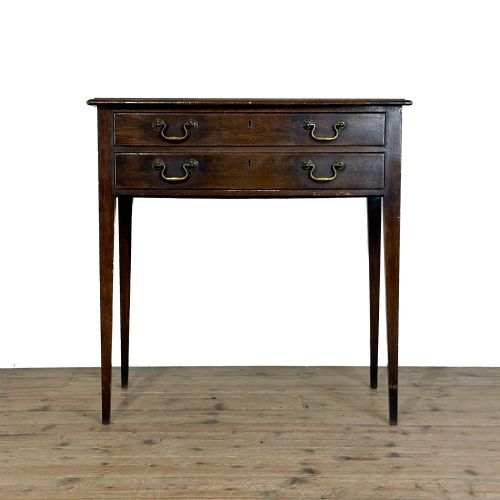
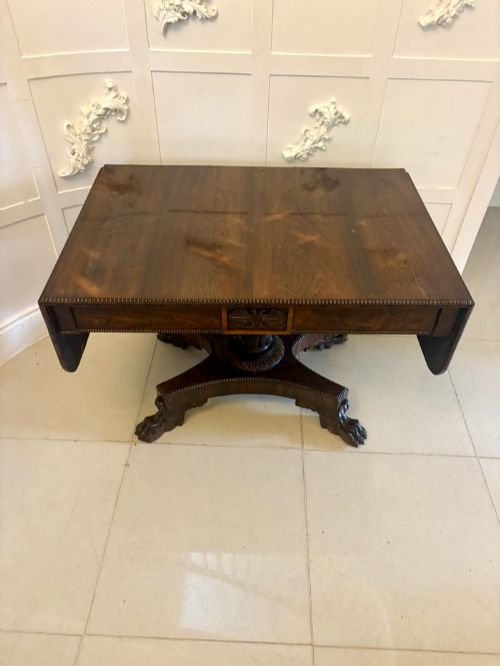
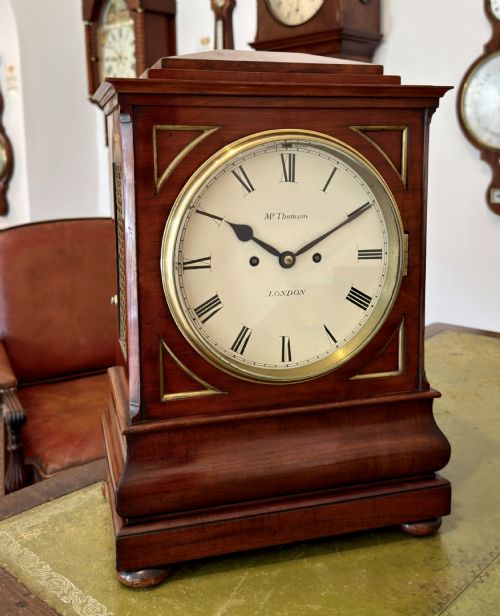
Dark Wood Table
A dark wood table brings rich grain and deep tone to a room, ranging from compact wine tables to grand extending dining pieces.
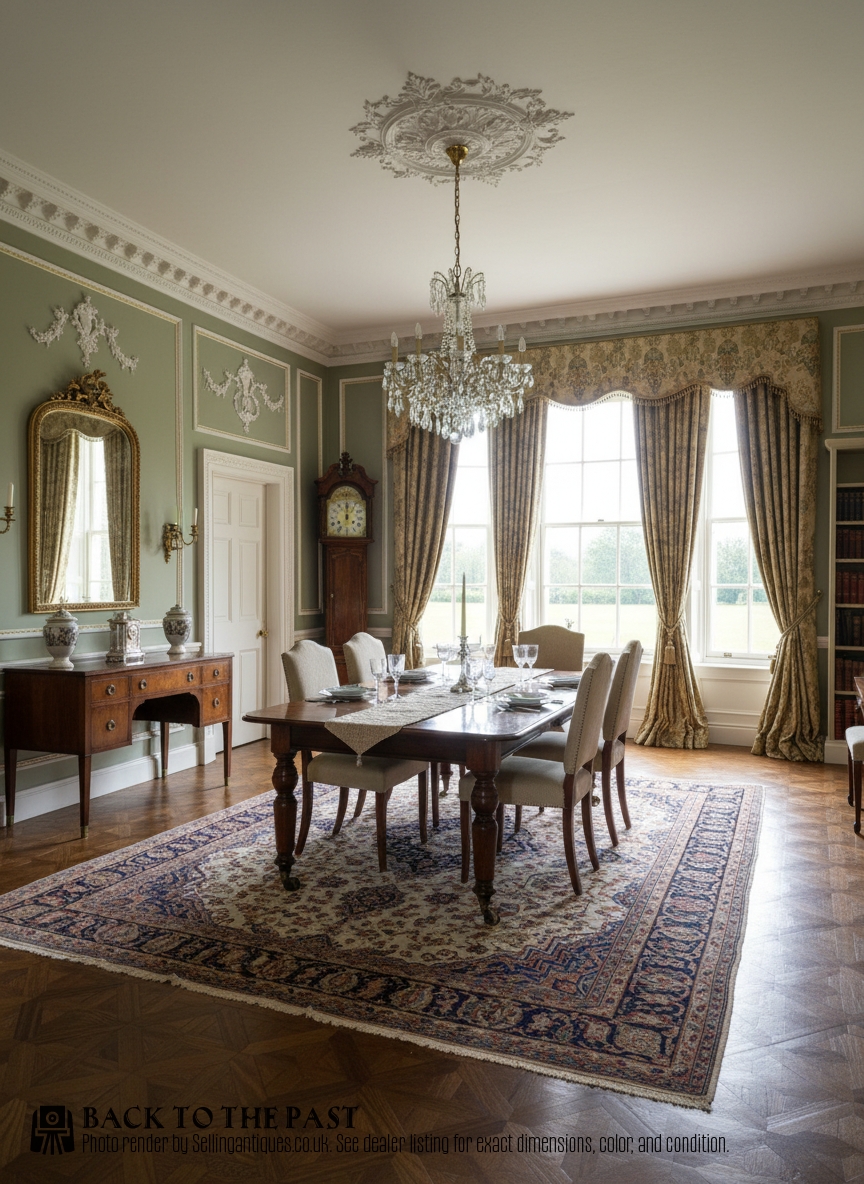
Dark Wood Table
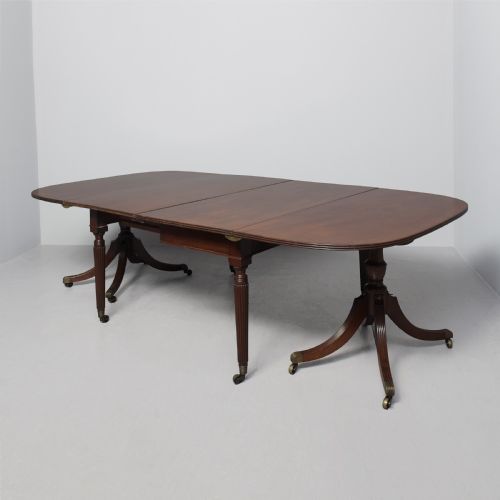
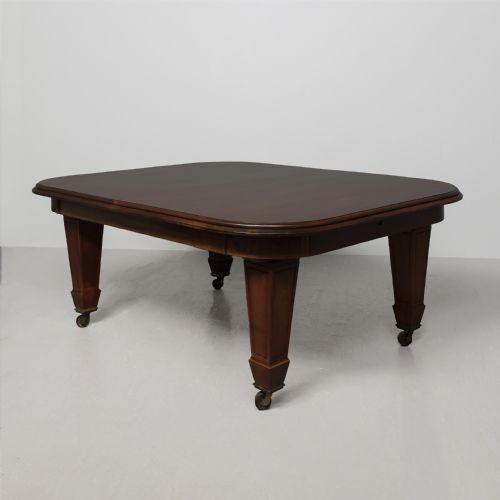
A dark wood table encompasses forms built from dense timbers such as mahogany, rosewood, oak, and walnut across periods spanning the seventeenth century through the early twentieth century. Buyers encounter formats ranging from occasional lamp and wine tables to large extending dining tables with multiple pedestals and leaves.
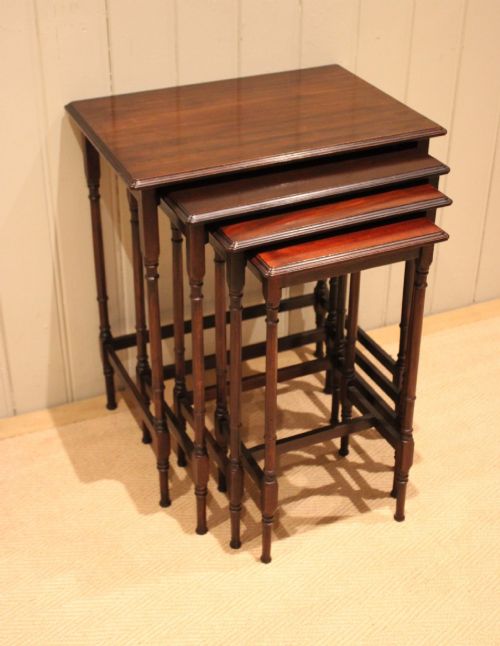
The selection on this page leans heavily toward nineteenth-century production alongside Georgian, Edwardian, and later twentieth-century pieces. Common domestic items include side tables, nests of tables, card tables, and occasional tables shaped by Regency, Victorian, and Edwardian design sensibilities.

Materials and construction
Makers utilised solid hardwoods, notably mahogany and rosewood, frequently enhanced by decorative brass inlay, gilded brass mounts, or marble tops. Construction methods relied on traditional joinery to support heavy timber tops, pedestals, and folding mechanisms.
Surfaces often show fine turning, such as barley twist supports, or carved details in the Chippendale and campaign styles. Timber selection dictated the weight and grain pattern, whether utilising native oak or imported exotic hardwoods.
Dark Wood Table Retail Price Guide 2026
Typical asking prices for dark wood table among the pieces listed under this phrase on Sellingantiques today, from the lower quarter to the upper quarter. They describe what is for sale here now, not the wider market.
The inventory spans the seventeenth, eighteenth, nineteenth, and twentieth centuries.
Distinguishing quality
Quality differentiates itself through the choice of timber, the crispness of carved or turned detail, and the integration of secondary materials like brass inlay or marble inserts. Pieces attributed to documented workshops exhibit superior structural refinement and balanced proportions.
The sophistication of the mechanism, such as concertina actions on card tables or original extending leaves on dining tables, marks the distinction between standard domestic items and high-end cabinet work.
Gillows of Lancaster·Trollope & sons·George Bullock
The Dark Wood Table Glossary
- Card table
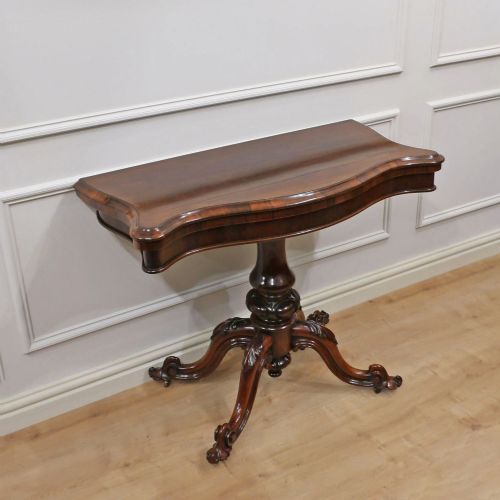
- A folding table designed for playing games, featuring a top that opens out to reveal a baize-lined playing surface. Some examples utilise a concertina action for support.
- Tripod table
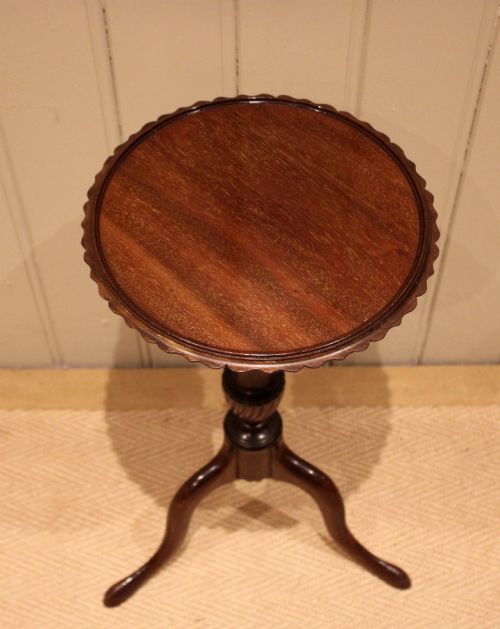
- A small freestanding table supported by a central pillar resting on three legs. The top frequently tilts or folds for storage.
- Dumb waiter
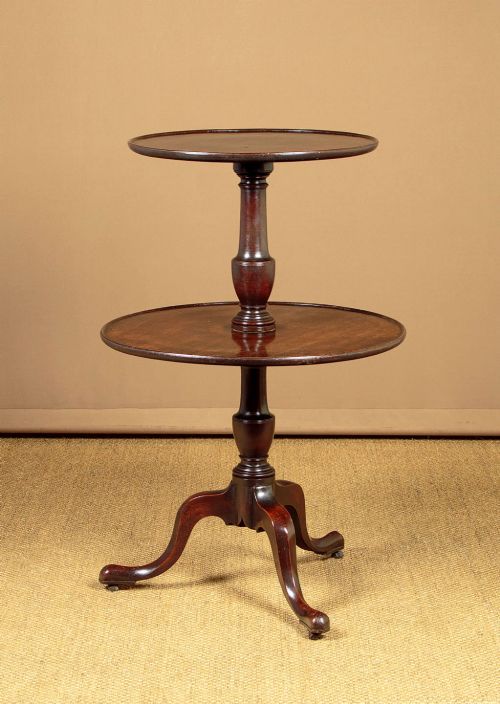
- A tiered serving stand fitted with revolving or stationary circular trays. It allowed diners to access food and drink without servants present.
- Lowboy
- A small eighteenth-century dressing or side table with one or more drawers set into the frieze. It typically stands on slender legs.
Dark Wood Table: Frequently Asked Questions
What periods do these dark wood tables cover?
The pieces span multiple centuries, ranging from the seventeenth century through the Georgian, Regency, Victorian, and Edwardian eras, up to the early twentieth century.
Specific dates and stylistic revivals appear alongside period pieces, reflecting shifting domestic tastes across generations.
How do I identify a Pembroke table?
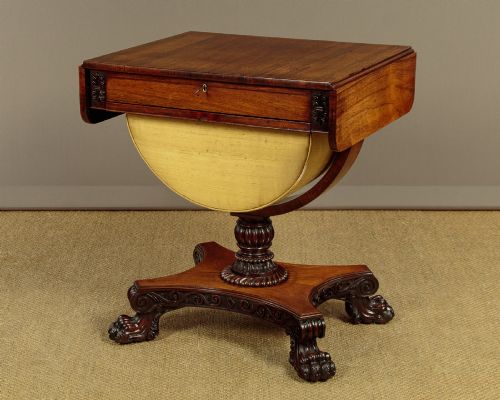
A Pembroke table is defined by its drop leaves on two sides, which can be raised or lowered on hinges. They often include a drawer and served as versatile breakfast or writing desks.
Their compact footprint made them suitable for smaller parlours and drawing rooms.
What woods were commonly used?
Makers relied heavily on mahogany and rosewood for their rich colour and dense grain, alongside oak and walnut. Hardwood and cherry wood also appear across different regional styles.
Inlays and decorative accents utilised contrasting materials like boxwood and brass.
How were card tables used?
Card tables were built for evening entertainment, unfolding to reveal a felt or baize playing surface for games of chance and skill. When not in use, they stood closed against a wall.
Mechanisms such as concertina actions supported the opened top safely.