


Dark Wood Storage Cabinet
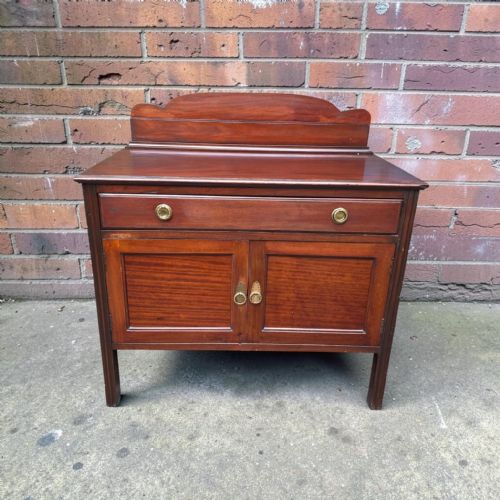
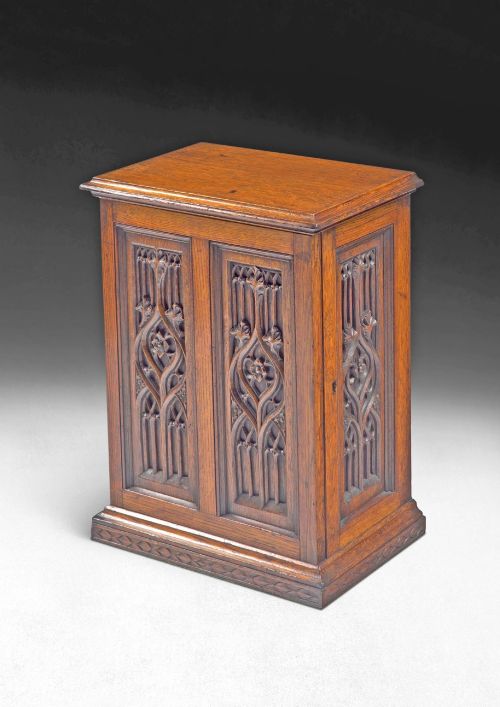
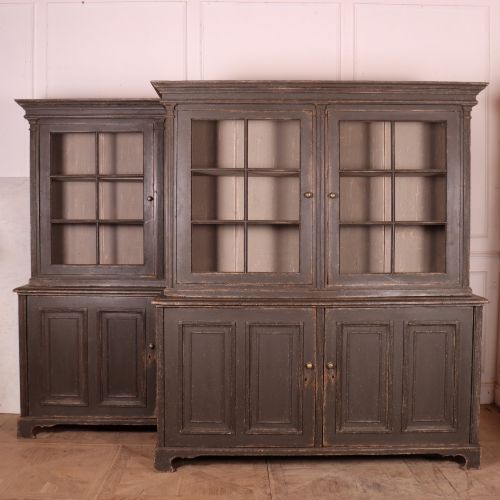
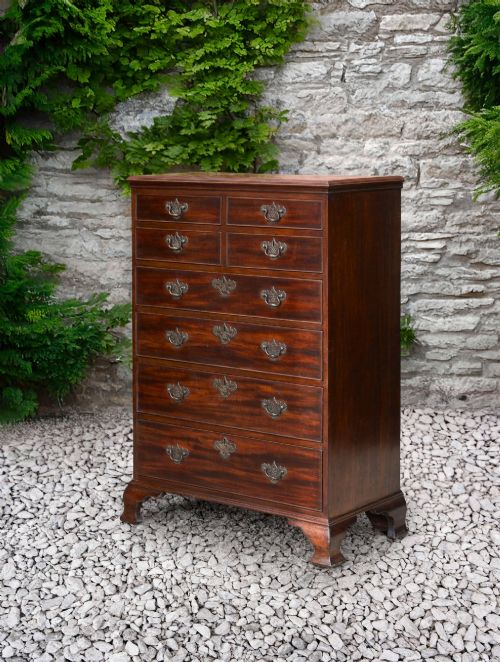
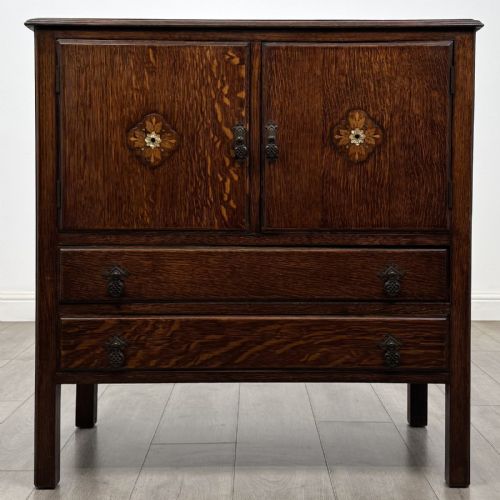
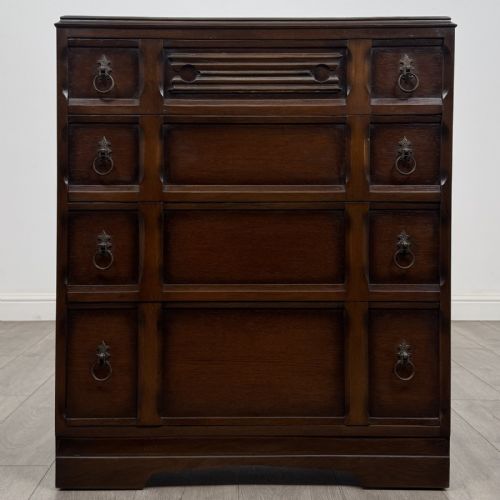
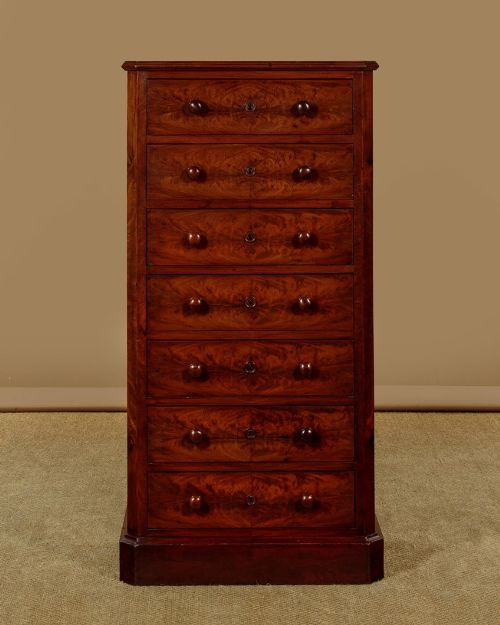
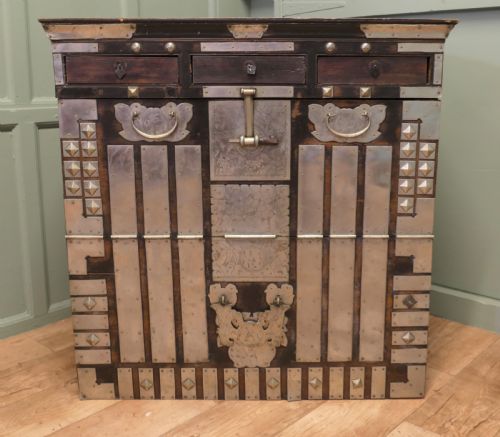
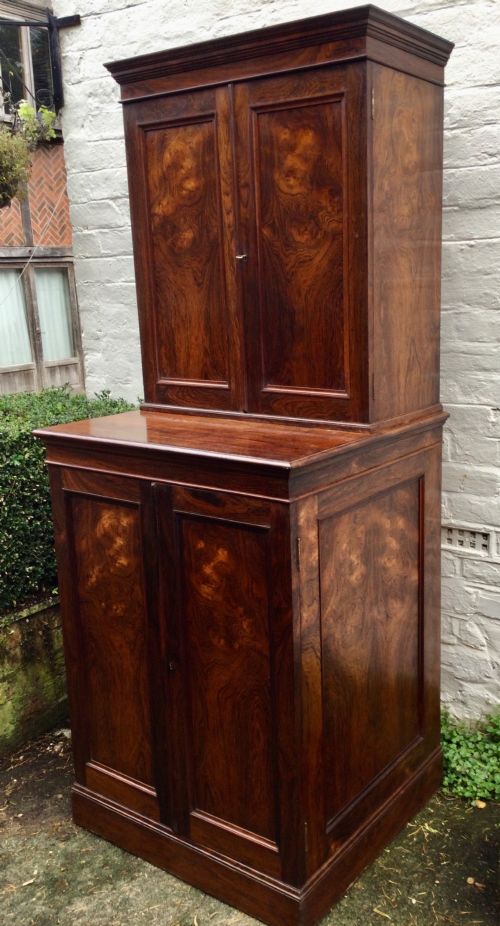
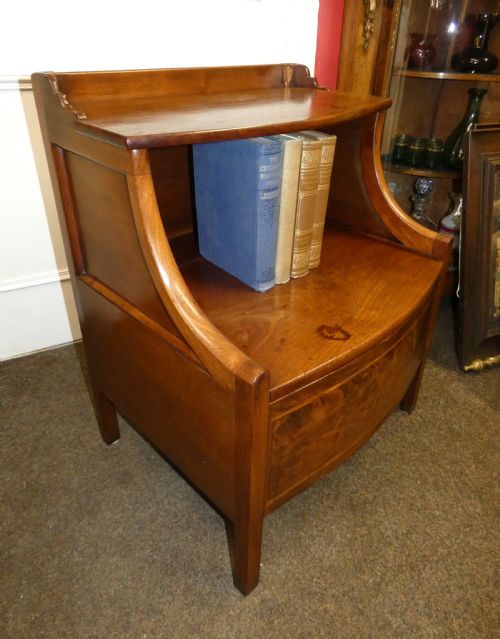
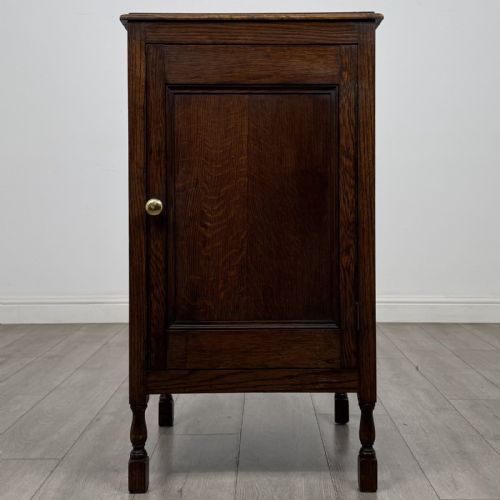
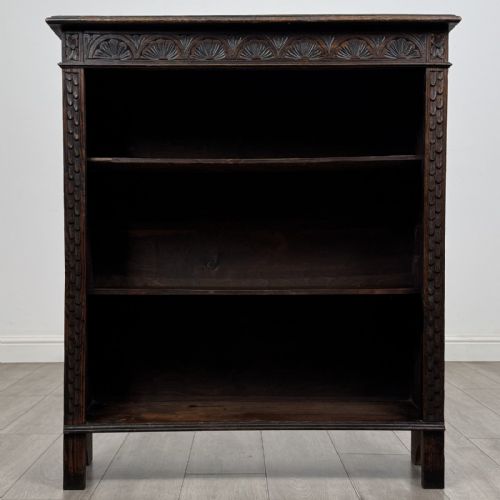
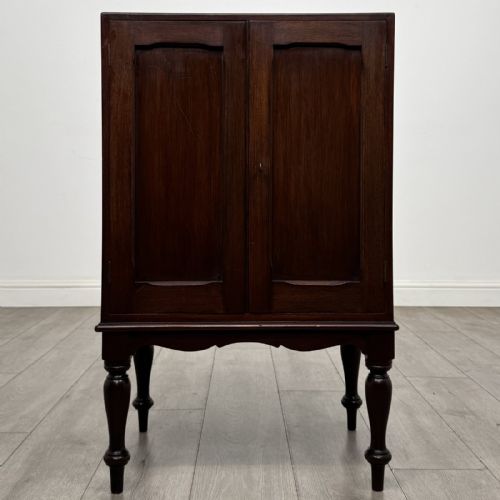
A dark wood storage cabinet brings deep timber grain and practical organisation into a room.
Dark Wood Storage Cabinet
A dark wood storage cabinet encompasses a wide variety of functional timber furniture designed to conceal or display household items. When you search for a dark wood storage cabinet, you encounter forms ranging from compact corner cupboards and music cabinets to expansive sideboards, bookcases, and linen presses.
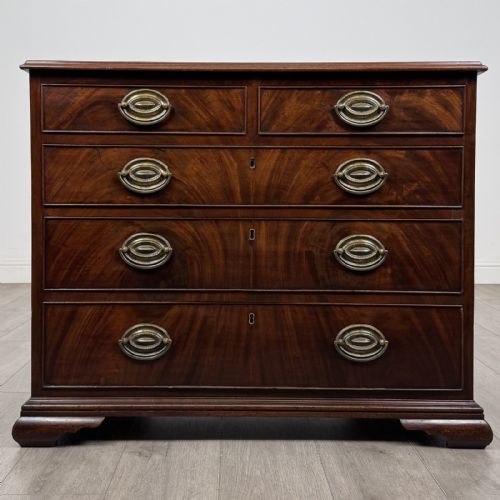
The pieces listed here span multiple periods, most notably the Georgian, Victorian, and Edwardian eras, alongside pieces from around nineteen hundred. Oak and mahogany dominate the offerings, frequently joined by rosewood and burr walnut in the refined examples.
Makers and designers working in revival styles such as Jacobean, Gothic, and Tudor also contributed substantial storage forms. Buyers are most likely to meet Edwardian oak cupboards and Victorian mahogany sideboards on this page, reflecting the enduring utility of these forms.
What varies in quality
Quality reveals itself in the selection of the timber grain, such as figured mahogany or burr walnut, and the precision of the joinery. Superior examples exhibit thoughtful proportion, careful matching of veneers, and integrated period hardware like brass handles and locks.
Simpler utility pieces prioritize robust construction in solid oak or pine over decorative embellishment. The refinement of surface carving, the movement of tambour shutters, and the clarity of glass panels separate standard production from superior craftsmanship.
Dark Wood Storage Cabinet Retail Price Guide 2026
Typical asking prices for dark wood storage cabinet among the pieces listed under this phrase on Sellingantiques today, from the lower quarter to the upper quarter. They describe what is for sale here now, not the wider market.
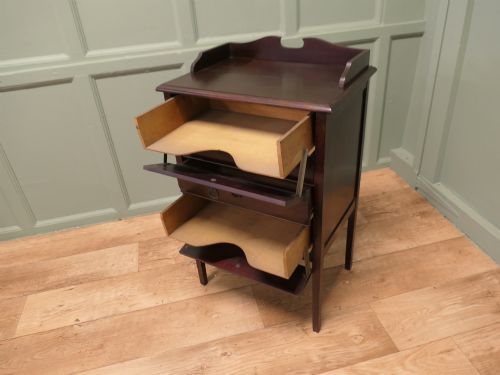
A music cabinet by GM Elwood for JS Henry proves that Edwardians took sheet music storage with utmost architectural seriousness.
GM Elwood·JS Henry
The Dark Wood Storage Cabinet Glossary
- Tambour
- A flexible door constructed from narrow strips of wood glued to a canvas backing, allowing it to slide smoothly around a curved track. This mechanism is frequently found on Edwardian filing cabinets and desks.
- Chiffonier
- A low sideboard or cabinet developed in the early nineteenth century, typically featuring shelves or a mirrored back above enclosed lower cupboards. Victorian examples in mahogany or rosewood served to store silver and glassware in dining rooms.
- Linen Press
- A tall piece of furniture featuring upper cupboard doors enclosing sliding trays for textiles, positioned above a chest of drawers at the base. Georgian and nineteenth-century versions were essential bedroom storage for household linens.
- Cellarette
- A dedicated cabinet or cooler designed to hold wine bottles securely, often fitted with lead-lined compartments. Georgian mahogany versions were kept beneath the dining room sideboard during meals.
- Veneer
- A thin layer of highly figured wood, such as rosewood or burr walnut, applied over a stable secondary timber to create decorative patterned surfaces. This technique allowed cabinetmakers to display striking grain figures without using solid expensive timber throughout.
Dark Wood Storage Cabinet: Frequently Asked Questions
Where should I place a dark wood storage cabinet?
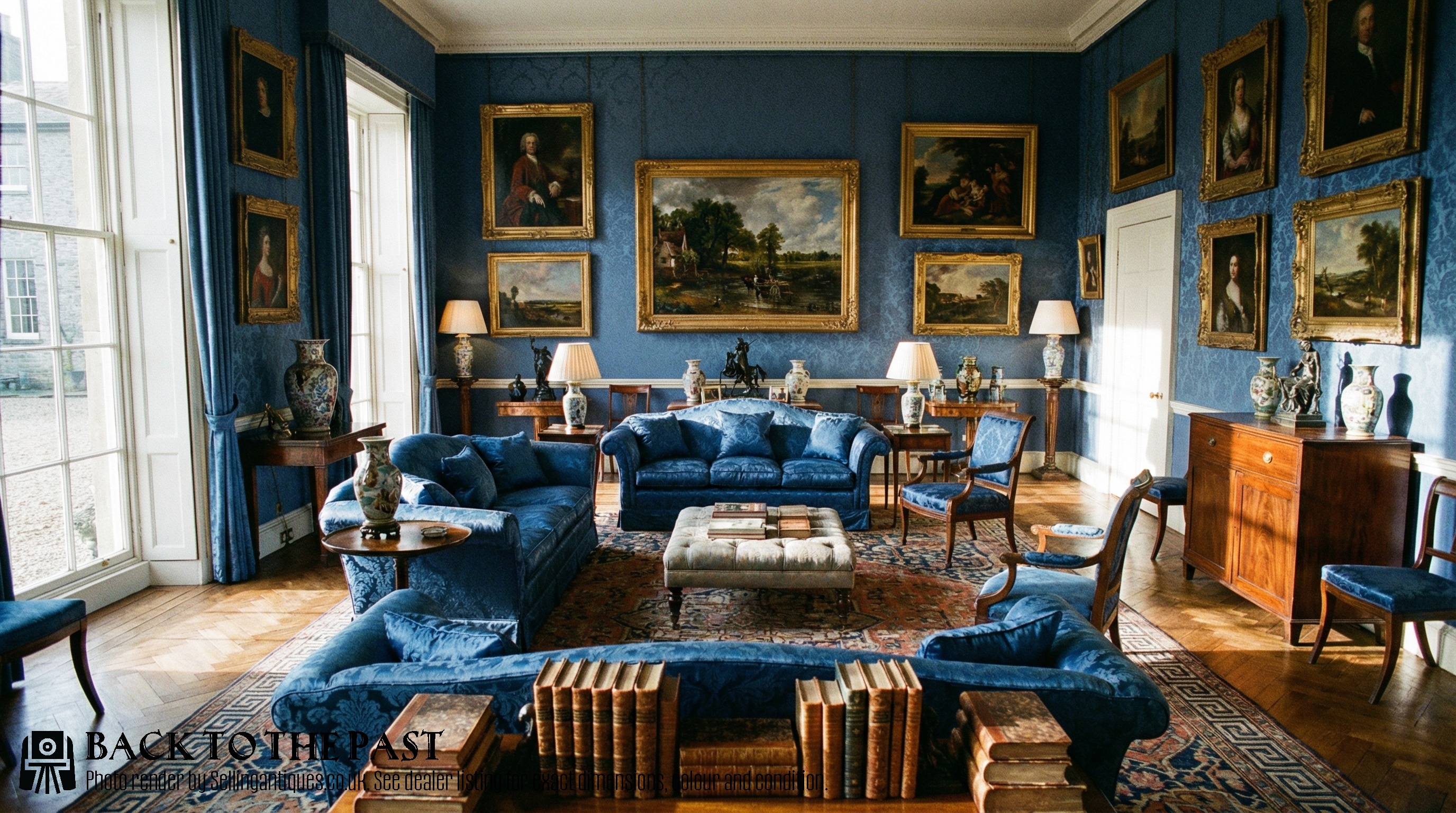
These cabinets suit dining rooms, hallways, and living spaces where practical containment is required. Tall bookcases and linen presses work well against substantial walls, while corner cabinets utilise neglected room angles.
Selecting the correct scale ensures the timber tone complements existing furniture without dominating the interior proportions.
How do I care for antique mahogany and oak?
Maintain the timber by applying traditional beeswax periodically to nourish the grain and preserve the surface sheen. Avoid placing cabinets in direct sunlight or near heat sources to prevent the wood from drying and splitting.
Dust regularly with a soft, dry cloth rather than using silicone sprays that can damage historic polishes.
How do I distinguish an Edwardian piece from a Victorian one?
Victorian storage furniture generally displays heavier proportions, deeper dark finishes, and robust carving inspired by earlier revival movements. Rosewood and figured mahogany are prominent among high-status Victorian cabinets.
Edwardian pieces often exhibit lighter construction, cleaner lines, and varied revival styles in oak, reflecting a shift toward brighter domestic interiors around nineteen hundred.