


Dark Wood Slide Chest
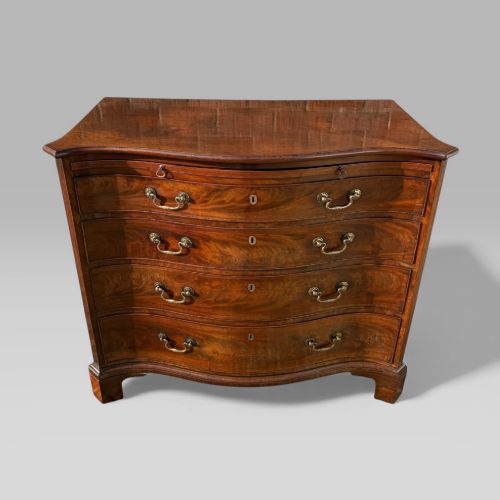
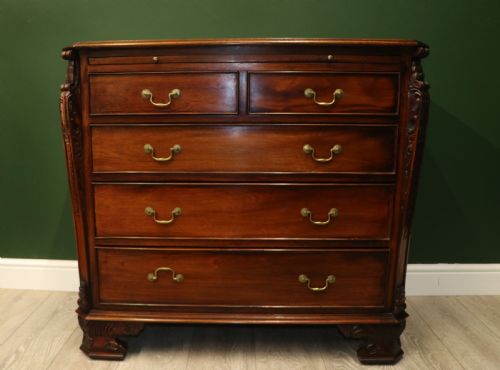
A dark wood slide chest offers practical pull-out surfaces alongside generous drawer storage, uniting utility with period cabinet-making.
Dark Wood Slide Chest
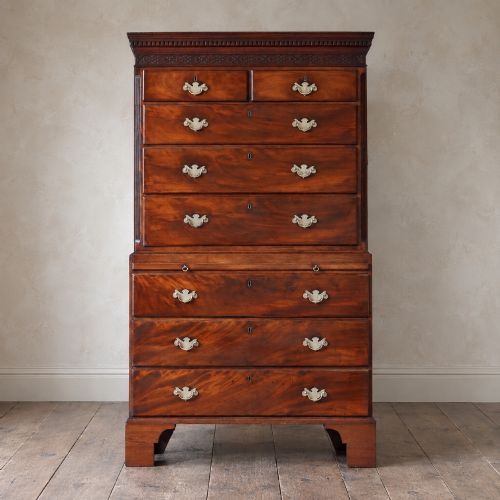
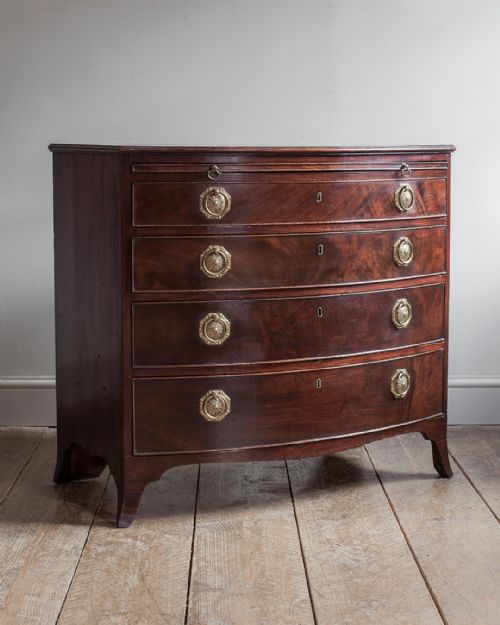
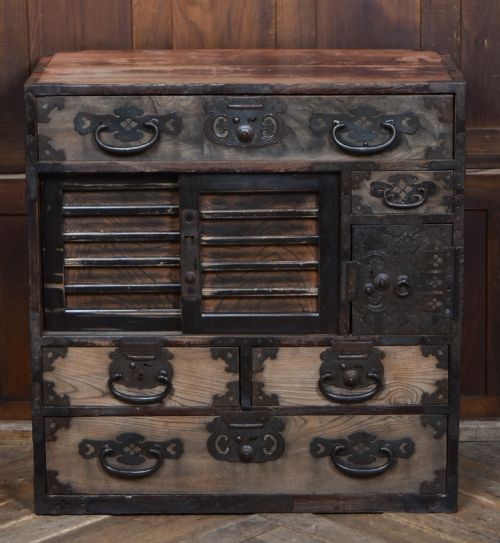
When you search for a dark wood slide chest, you encounter a variety of forms including Georgian bachelors chests, serpentine chests with brushing slides, and Japanese tansu cabinets. These pieces combine traditional drawer storage with a pull-out shelf or slide intended for writing or serving.
The selections span the eighteenth and nineteenth centuries, alongside specific manifestations such as Japanese Keyaki merchant chests and tabletop microscope cabinets. Mahogany dominates the assortment, accompanied by cedar, chestnut, oak, and keyaki wood.
Georgian and George III examples represent the core of what you meet, often featuring figured timbers and serpentine fronts. Alongside these, nineteenth-century pieces bring regional European work and Meiji period Japanese craftsmanship into view.
How they were made
The construction relies heavily on solid mahogany, oak, and keyaki wood, joined with traditional cabinet-making techniques suited to housing sliding shelves. Timber selection prioritises figured mahogany grains and robust secondary woods for internal drawer components.
Brass handles, escutcheons, and forged iron hardware provide the functional and decorative metalwork seen across these items. Bronze animal decoration and specialised slide mechanisms further distinguish the specific workshops and periods of origin.
One nineteenth-century cabinet emerged directly from a closed bed front in Brittany.
What varies in quality
Quality reveals itself in the choice of timber, particularly the grain figuration on drawer fronts and the execution of serpentine shaping. Superior examples maintain crisp carving details, such as those found in Chippendale style pieces, and retain original brass hardware.
The smooth operation of the brushing slide and the precision of the internal drawer dovetailing indicate the level of craftsmanship involved. Consistency in timber ageing and the integrity of the secondary woods separate standard utility pieces from high-status workshop production.
ROBERT GILLOWS II
The Dark Wood Slide Chest Glossary
- Brushing slide
- A pull-out shelf integrated into the upper section of a chest, historically used for brushing clothes or as a writing surface. It operates on wooden runners concealed beneath the top moulding.
- Serpentine front
- A furniture front characterised by a curving contour that bulges outward in the centre and recesses at the sides, or vice versa. This shape demands high skill to execute in solid timber.
- Chest on chest
- A tall storage unit comprising two distinct sections, where a larger chest of drawers supports a slightly smaller upper chest. This form maximises vertical storage capacity.
- Tansu
- A traditional Japanese mobile storage chest constructed from timber such as keyaki, featuring distinctive iron or copper hardware. These cabinets were built for specific domestic or mercantile functions.
- Bachelors chest
- A compact form of drawer unit equipped with a sliding shelf, traditionally associated with the eighteenth century. They provide a writing surface within a modest footprint.
Dark Wood Slide Chest: Frequently Asked Questions
What is a brushing slide used for?
The pull-out slide served multiple purposes in period rooms, functioning as a temporary writing desk or a surface for folding garments.
Cabinet-makers integrated these shelves directly beneath the top surface to maintain a clean exterior appearance when the slide was closed.
How do I date a mahogany chest?
Dating relies on examining construction methods, timber choice, and hardware styles such as brass handles and escutcheons.
Georgian pieces often display hand-cut dovetails and specific secondary woods that help distinguish eighteenth-century production from later revivals.
Where were tansu chests made?
These cabinets originate from Japan, produced during periods such as the Edo and Meiji eras for merchants and households.
Makers utilised regional timbers like keyaki wood alongside forged iron hardware to build durable storage units.