

Dark Wood Sculpture
These dark wood sculpture pieces span centuries of carving traditions, offering tangible history and rich textures for any interior.
Dark Wood Sculpture
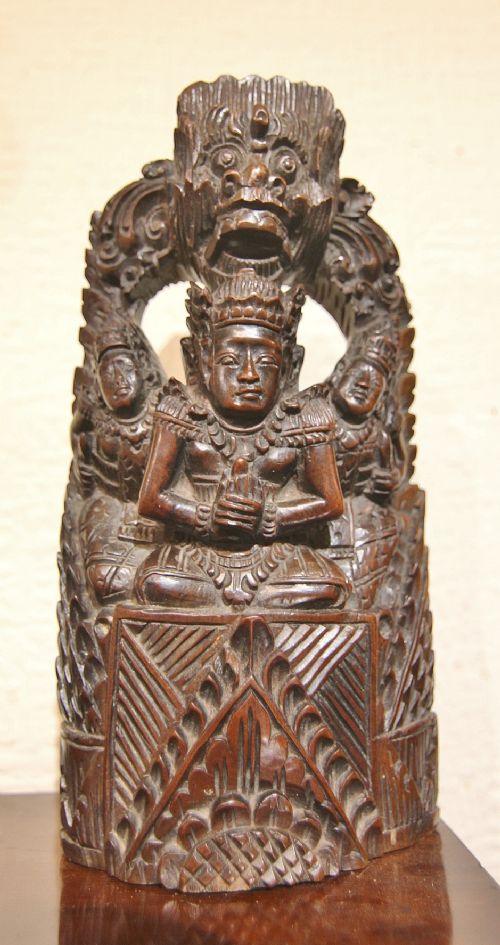
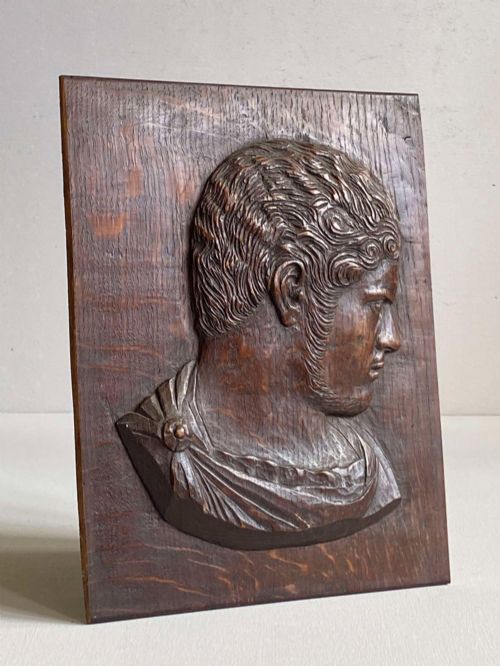
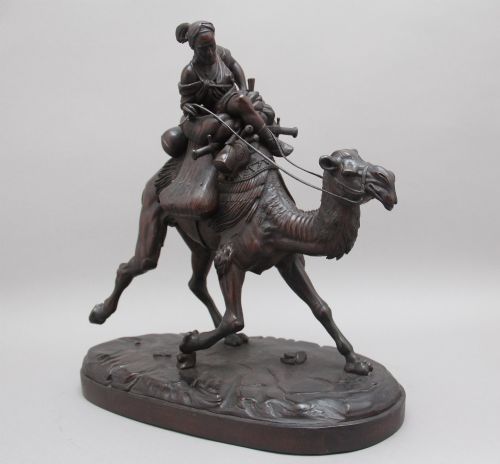
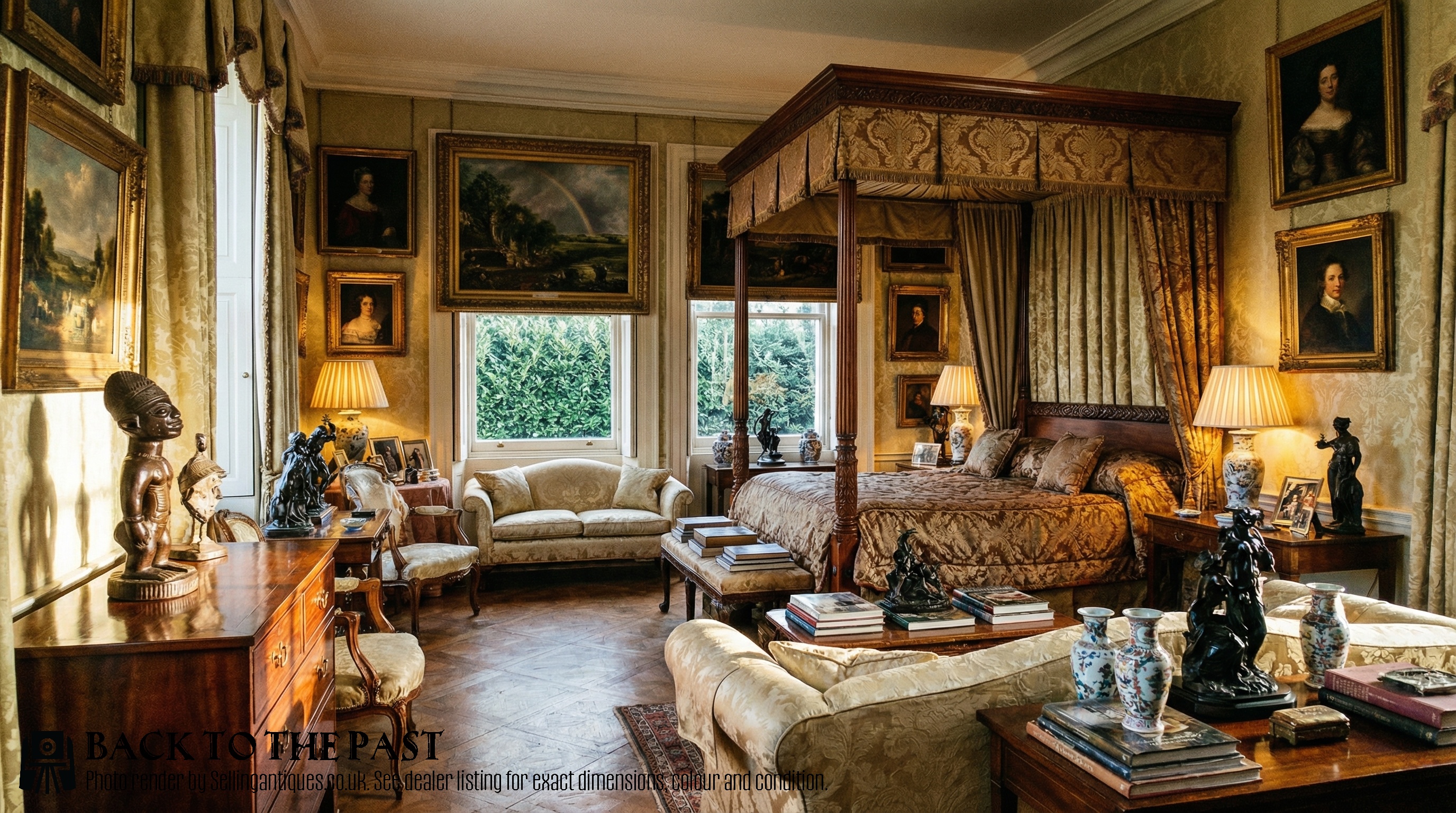
When searching for dark wood sculpture, buyers encounter a diverse range of carved forms including figures, animals, panels, and architectural elements. The offerings span periods from the sixteenth century through the early twentieth century, showing traditions from European workshops, Japanese carvers, and African tribal art. You will frequently find pieces executed in oak, walnut, mahogany, and linden wood, often reflecting specific regional styles such as Black Forest carving or Baroque ornamentation.
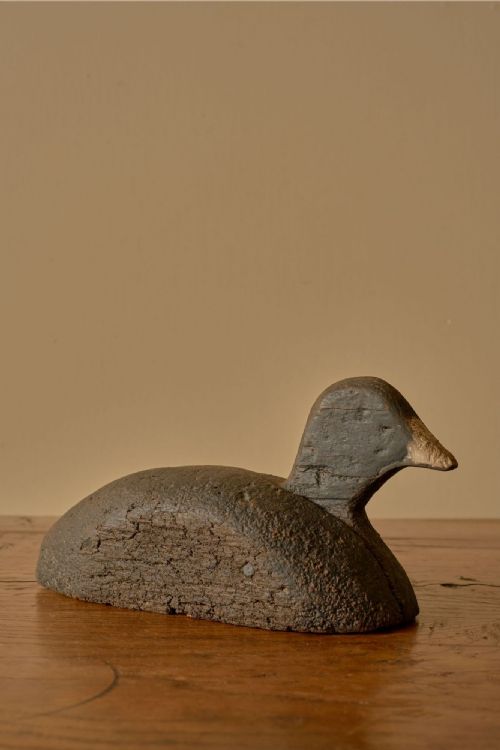
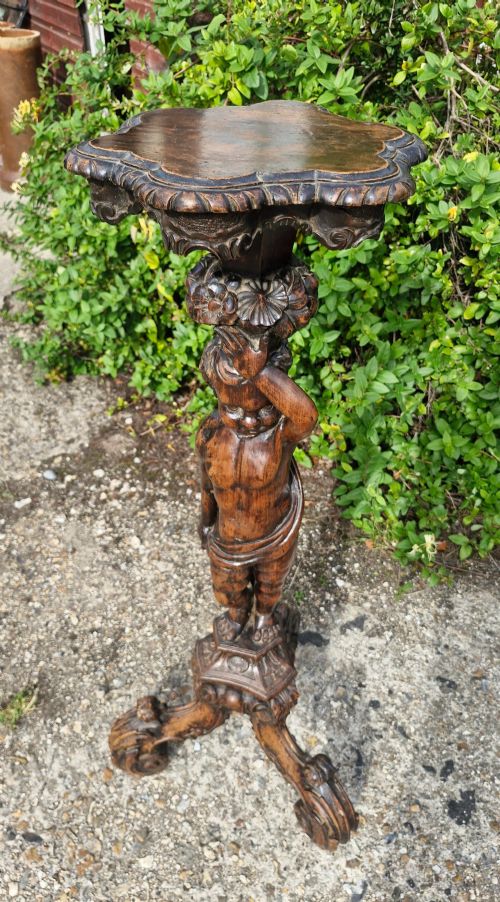
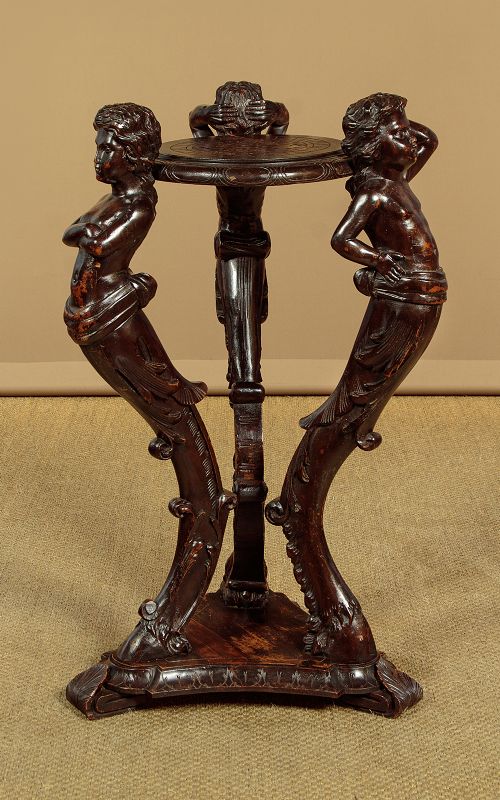
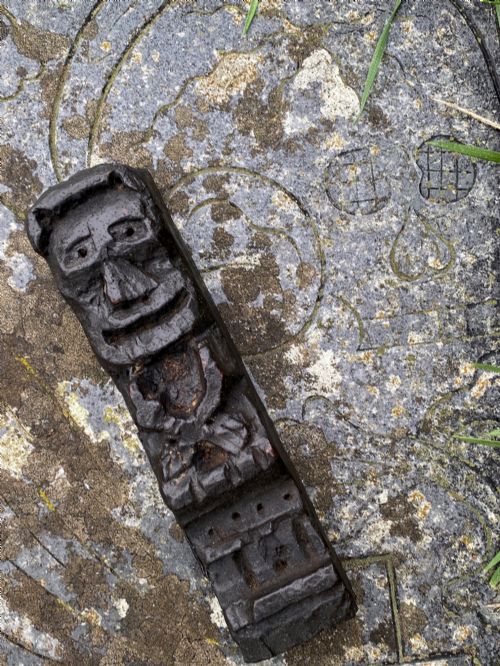
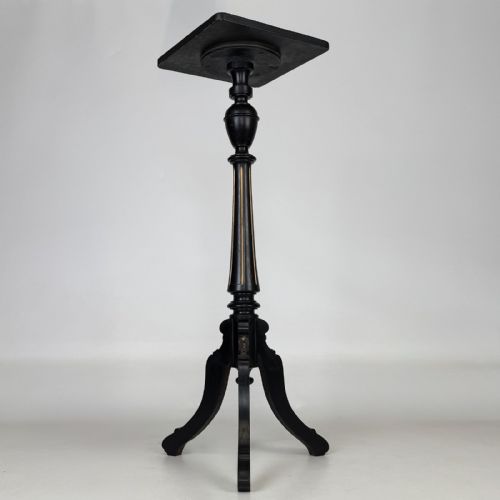
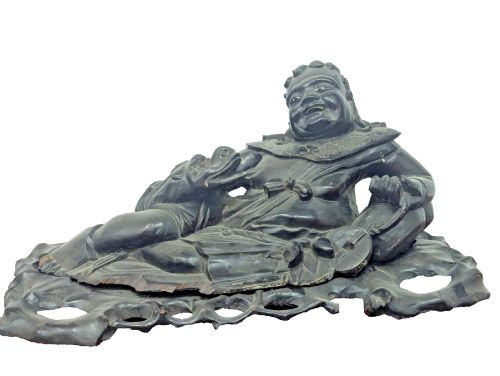
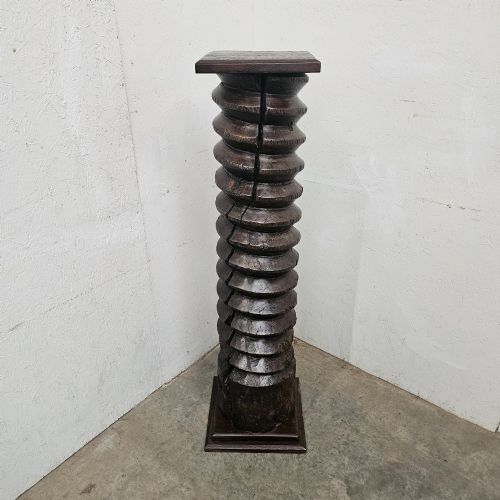
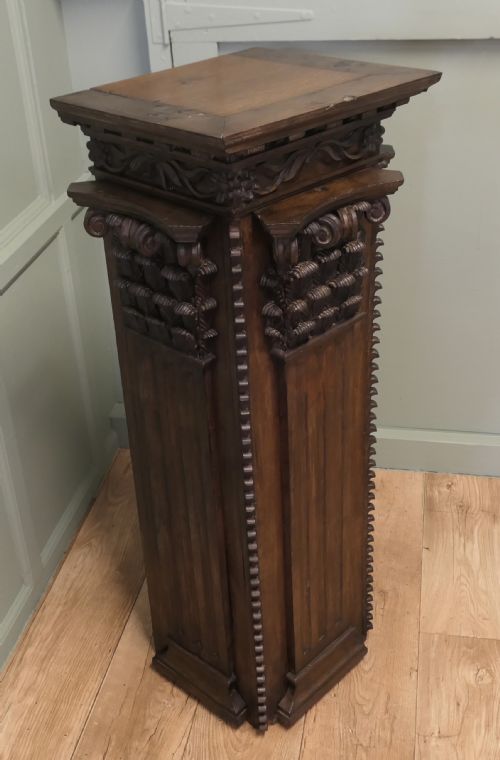
The selection ranges from devotional figures and medieval altarpiece panels to decorative animal studies, bookends, and display pedestals. Many items serve as standalone sculptural works, while others function as decorative architectural fragments or furniture components like torchiere bases. Buyers frequently meet European folk art carvings alongside formal classical figures and detailed Japanese works.
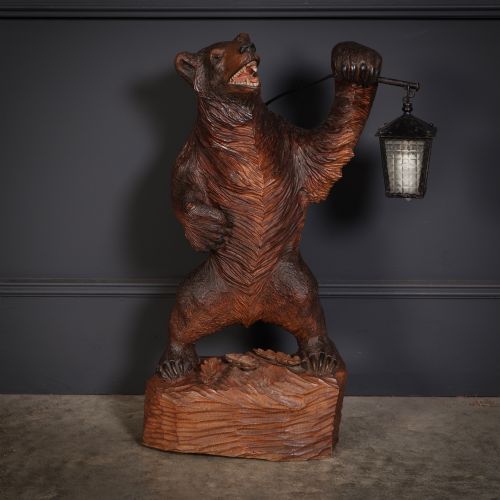
Originating from diverse workshops and geographic regions, these pieces carry the distinct aesthetic of their period, whether that is the religious gravity of a sixteenth century limewood saint or the playful naturalism of a Black Forest bear. The material palette relies heavily on dense, dark timbers that have acquired rich patinas over centuries of handling and exposure.
How they were made
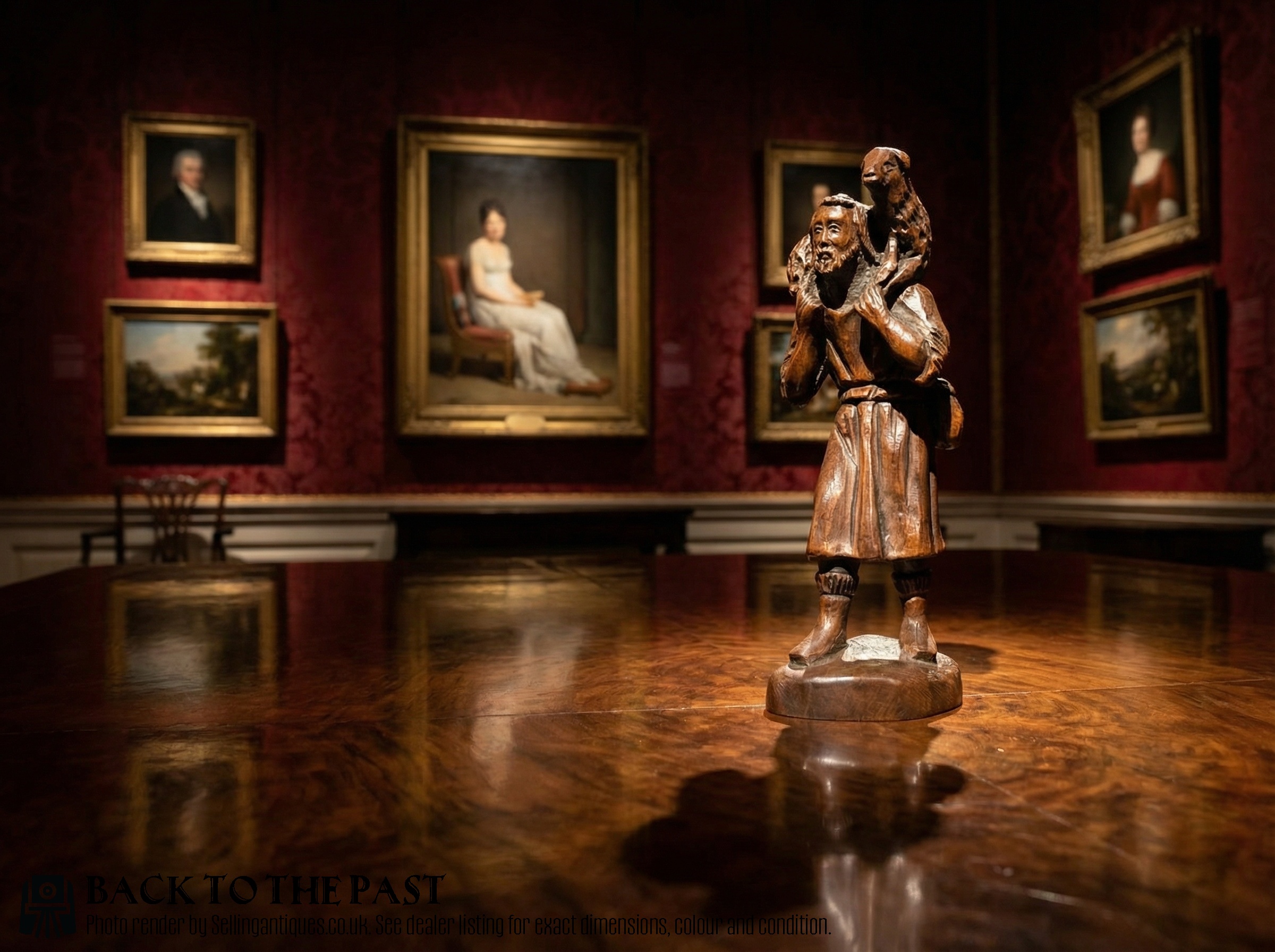
Makers utilised traditional hand tools such as gouges, chisels, and knives to carve directly into blocks of dense timber. The primary materials recorded in the evidence are oak, walnut, mahogany, linden wood, and general hardwood, selected for their grain structure and ability to hold fine detail.
Surface treatments often included wax polishing or oiling to enhance the natural grain and deep colour of the timber, though some folk art examples feature painted surfaces. Carvers worked with the natural properties of the wood, sometimes joining sections for large figures or pedestal bases while retaining the integrity of the carved form.
Dark Wood Sculpture Retail Price Guide 2026
Typical asking prices for dark wood sculpture among the pieces listed under this phrase on Sellingantiques today, from the lower quarter to the upper quarter. They describe what is for sale here now, not the wider market.
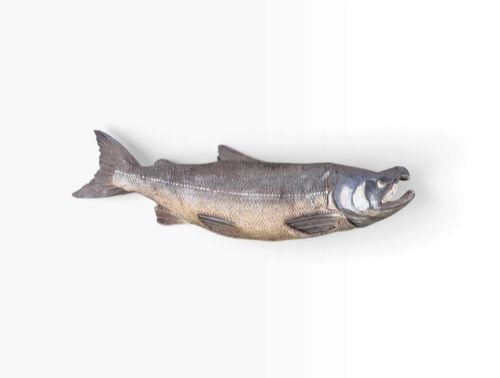
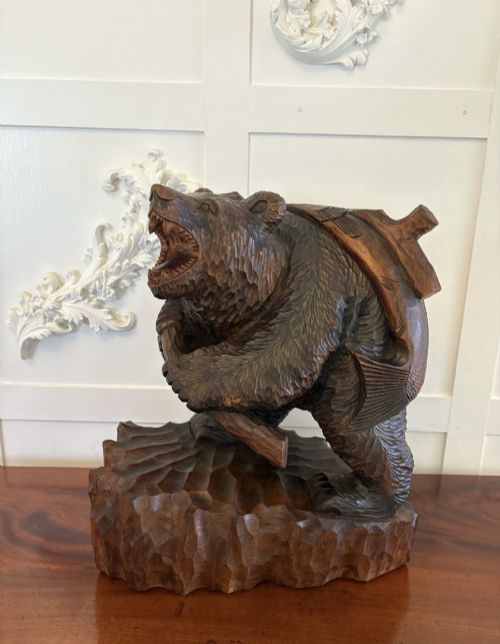
Bears remain exceptionally busy in the forest, turning up as bookends, hall stands, and fish-carriers.
What varies in quality
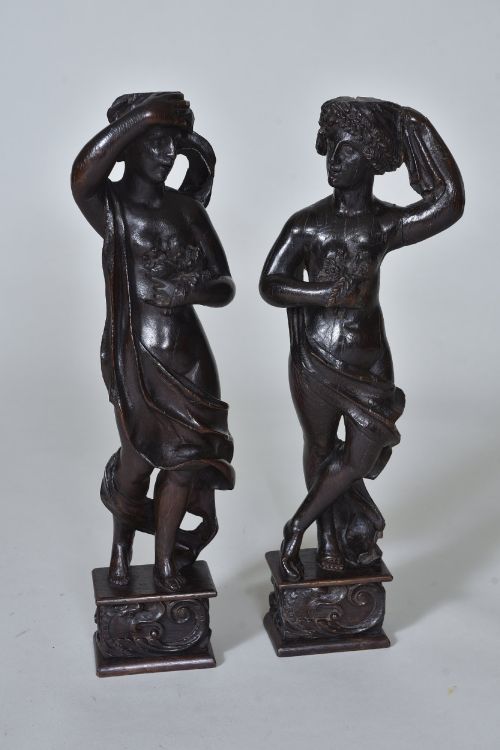
The degree of anatomical precision and depth of relief separation distinguish master carvers from simpler folk art productions. Finer pieces demonstrate a sophisticated understanding of form, texture, and proportion, particularly in the rendering of musculature, drapery, or facial expressions.
The choice of timber and the condition of the carved surface also determine the calibre of a piece. Dense, stable hardwoods that retain crisp undercut details and rich, undisturbed patinas represent the higher end of the range.
Valentino Besarel·George Henry Paulin RBS·J. HUGGLER
The Dark Wood Sculpture Glossary
- Black Forest
- A style of wood carving originating from the mountainous region of central Europe, famous for realistic animal studies and linden wood figures. These pieces often depict bears, deer, and alpine scenes.
- Torchiere
- A tall stand or ornamental pedestal base designed to support a light or figure, frequently carved in walnut or oak during the Baroque period. Such pieces incorporate putti and classical motifs.
- Limewood
- A fine-grained, pale timber favoured by European carvers for its lack of prominent grain, allowing for intricate detail work. It darkens gracefully over time.
- Reliquary
- A container or carved guardian figure made to hold sacred relics, seen notably in African tribal art traditions such as the Gabon Fang pieces.
- Netsuke
- A small, intricately carved Japanese toggle used to secure small pouches, prized for miniature sculptural mastery.
Dark Wood Sculpture: Frequently Asked Questions
What is a dark wood sculpture?
A dark wood sculpture is a carved three-dimensional artwork or relief panel created from timbers such as oak, walnut, mahogany, and linden wood. These pieces range from European religious figures and Black Forest animal studies to Japanese carvings and African tribal art.
They encompass functional items like bookends and pedestals alongside pure sculptural works, reflecting the diverse carving traditions of their respective periods.
How do I identify the period?
Period identification relies on stylistic cues, tool marks, and the choice of wood associated with specific eras like the seventeenth century or the Edwardian epoch. Gothic and Baroque pieces show distinct architectural and ornamental conventions.
Examining the depth of the carving and the natural ageing of the timber helps corroborate the era in which the piece was produced.
Where were these sculptures made?
The sculptures originate from workshops across Europe, Asia, and Africa, reflecting local materials and cultural traditions. European examples frequently hail from regions known for forestry and woodcarving, such as the Black Forest or Italy.
Asian pieces include Japanese woodcarvings and Chinese hardwood sculptures, while African tribal art is represented by pieces like reliquary guardian heads.
How should I care for dark wood?
Maintaining dark wood sculpture involves keeping pieces away from direct heat sources and extreme humidity fluctuations to prevent timber splitting. Gentle dusting with a dry, soft cloth preserves the surface without stripping the historic patina.
Occasional light waxing can nourish certain finishes, depending on the specific timber and surface preparation of the sculpture.