



Dark Wood Sculpture Stand
A dark wood sculpture stand elevates a piece to eye level, bringing presence and proportion to a room.
Dark Wood Sculpture Stand
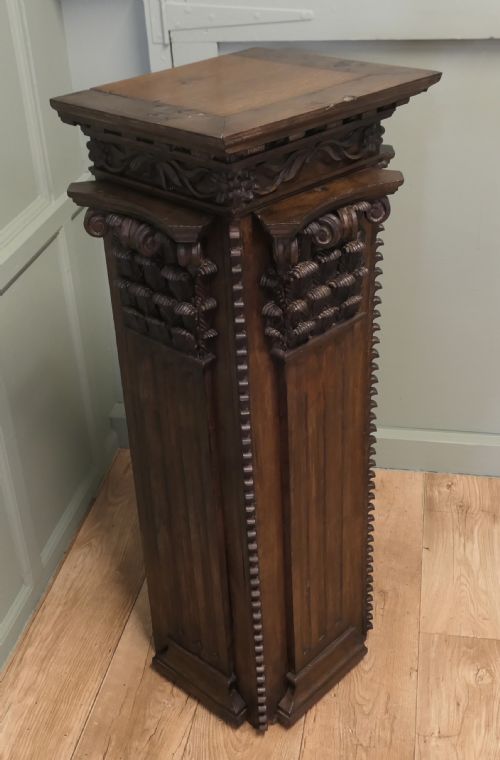
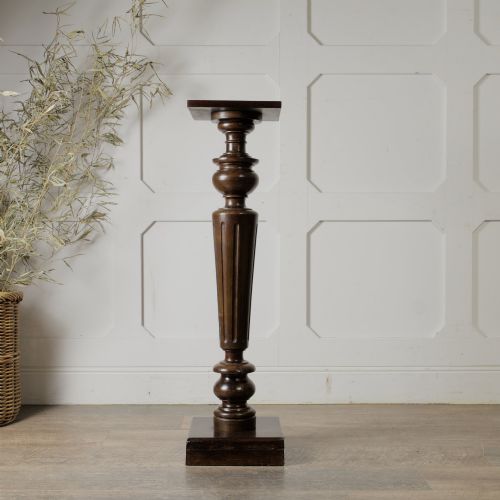
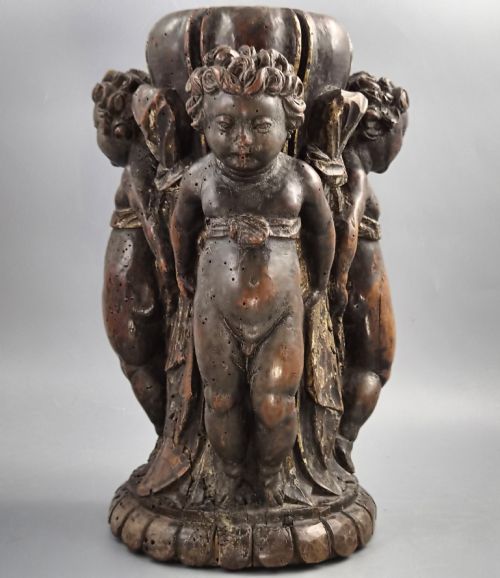
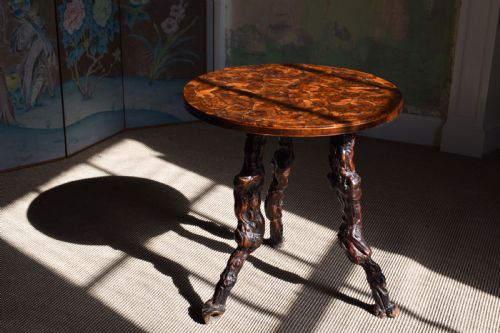
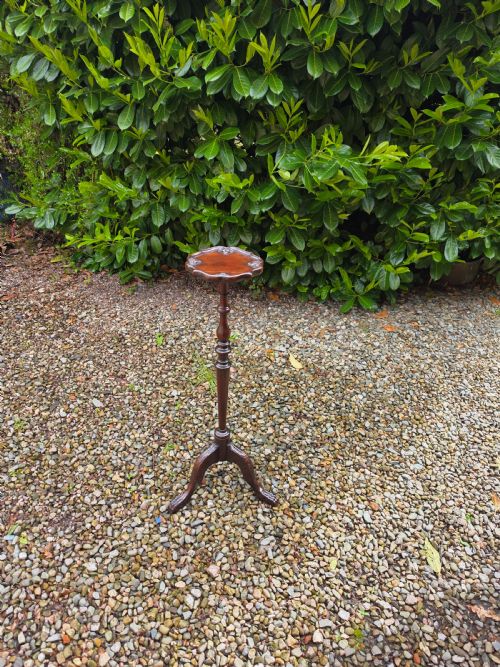
A dark wood sculpture stand serves to elevate carved figures, busts and decorative objects, giving them proper prominence in a room. Buyers searching for a dark wood sculpture stand encounter various forms, including tall columns, turned plinths and figural torcheres designed to support weight securely.
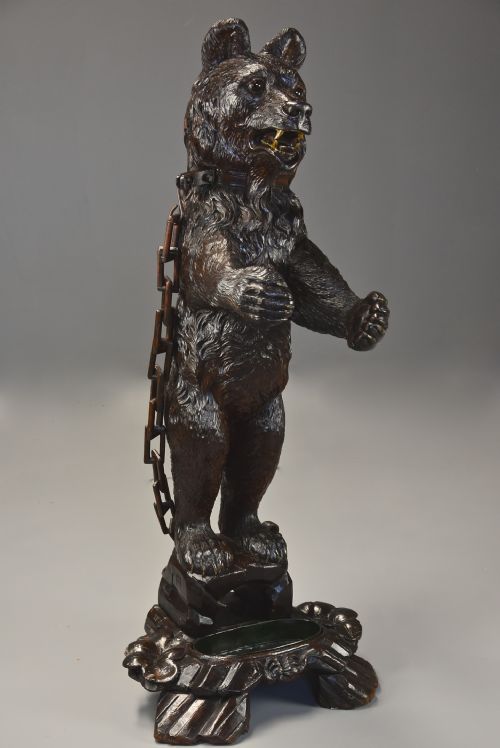
The selections span multiple centuries and regional styles, from Victorian mahogany columns to 19th century Black Forest carved supports and Italian Baroque walnut torchieres. Most pieces found here lean towards substantial woods like mahogany, oak and walnut, fashioned into sturdy pedestals or specialised display bases.
Buyers will find that many examples incorporate figurative or architectural carving, ranging from Corinthian capitals on plain shafts to lively animal motifs and putti. Each piece balances decorative ambition with the strict structural duty of holding a heavy object upright.
Materials and Construction
Makers relied on dense, durable timbers such as mahogany, oak, walnut and rosewood to construct a dark wood sculpture stand capable of bearing significant vertical loads without warping. These woods were often turned on heavy lathes to create smooth column shafts or hand-carved to produce intricate decorative motifs.
Joinery techniques prioritised stability, utilising sturdy central tenons, heavy base plates and solid blocks to ensure the loaded plinth remained entirely rigid. Surface finishes were typically built up with traditional dark polishes, waxes or stains that deepened the natural grain of the hardwood.
The listings feature solid mahogany, carved oak, and walnut spanning the Victorian, Edwardian, and earlier centuries.
Evaluating Quality
Quality rests primarily on the depth and crispness of the hand-carved details, distinguishing master craftsmanship from mechanical production. Sharp undercut foliage, expressive figural work and well-defined mouldings indicate a high level of skill invested in the piece.
Structural integrity and the choice of timber also define the upper tier, where heavy, well-seasoned hardwoods provide absolute balance. A superior stand maintains plumb alignment under weight, whereas lesser examples show compromises in the internal bracing or timber selection.
The Dark Wood Sculpture Stand Glossary
- Plinth
- A heavy rectangular or square block serving as the solid base for a statue, column or bust. This architectural element ensures steady weight distribution across the floor.
- Pedestal
- An upright architectural support used to elevate a sculpture, vase or urn above floor level. These structures range from simple turned wooden columns to elaborate carved pillars.
- Black Forest
- A regional style of wood carving originating from the wooded mountain ranges of central Europe during the 19th century. It is distinguished by realistic depictions of animals, particularly bears and foliage, rendered in dark woods.
Dark Wood Sculpture Stand: Frequently Asked Questions
What weights can these stands safely hold?
Most solid hardwood pedestals and torcheres are engineered to support substantial stone, bronze or heavy wooden sculptures safely. The distribution of weight depends heavily on the width of the top surface and the stability of the base.
Buyers should examine the diameter of the top platform relative to the sculpture's footprint. Solid mahogany and oak columns offer the highest load-bearing capacity for heavy art objects.
Are these stands suitable for uneven floors?
Many antique stands feature heavy wooden bases that rest firmly on flat surfaces, but older timber can occasionally rock on uneven historic floorboards. Placing small, discreet felt pads beneath the base can correct minor wobbles without altering the appearance of the piece.
Heavier sculptural stands provide better inherent stability on carpets or rugs compared to slender, lightweight variations. Ensuring correct balance protects both the stand and the sculpture placed upon it.
How do I distinguish Victorian from earlier pieces?
Victorian stands often display machine-assisted turning alongside hand carving, reflecting the industrial manufacturing methods of the 19th century. Earlier Georgian and 18th-century examples typically exhibit entirely hand-wrought joinery and distinct timber patination.
Examining the underside, screw types and secondary woods helps clarify the era of manufacture. Stylistic markers, such as heavy Gothic revival or Renaissance motifs, also point directly to Victorian revival tastes.