


Dark Wood Round Table
A dark wood round table anchors a room with simple geometry, offering warmth and practical surface space across centuries of craftsmanship.
Dark Wood Round Table
When you search for a dark wood round table, you encounter diverse forms ranging from compact wine and occasional tables to large dining and breakfast pieces. The selection spans Georgian, Victorian, and William IV periods, alongside later twentieth-century examples.
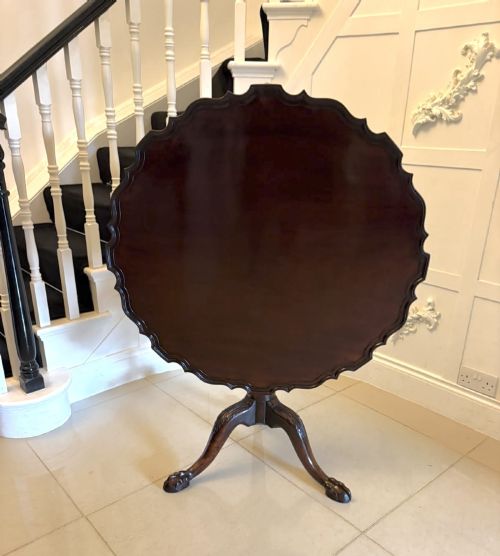
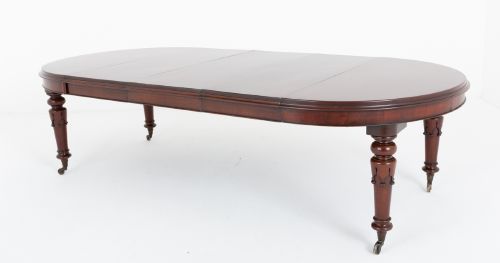
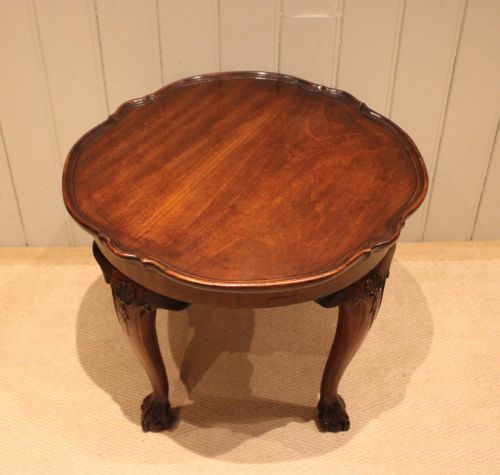
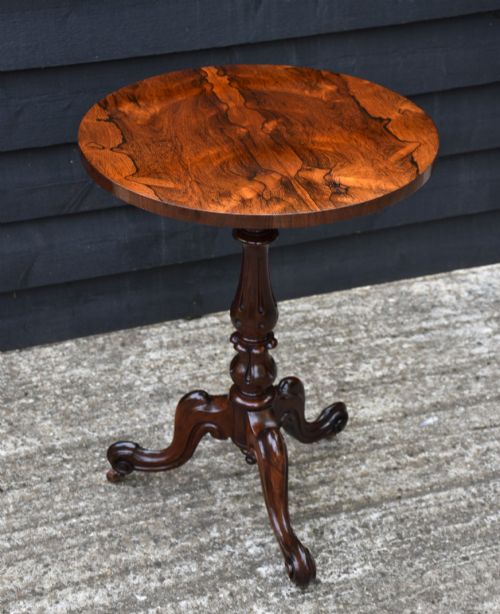
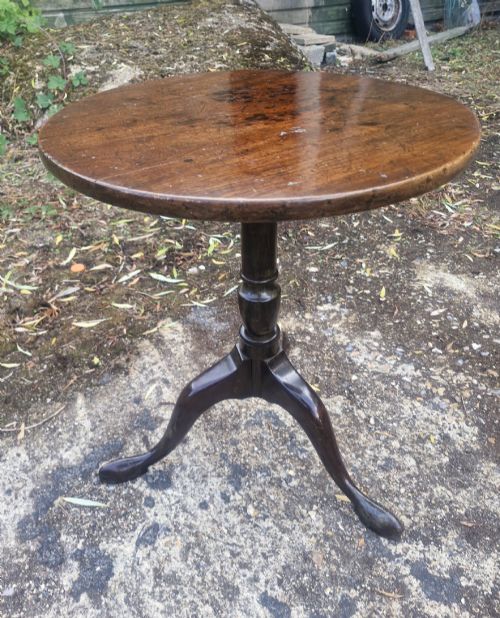
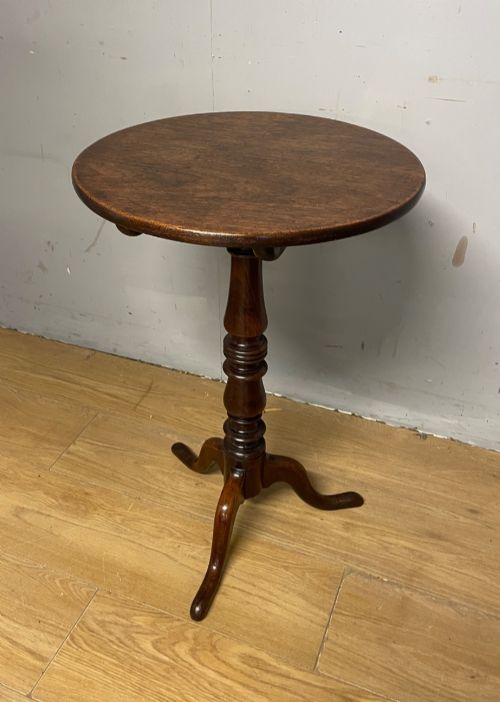
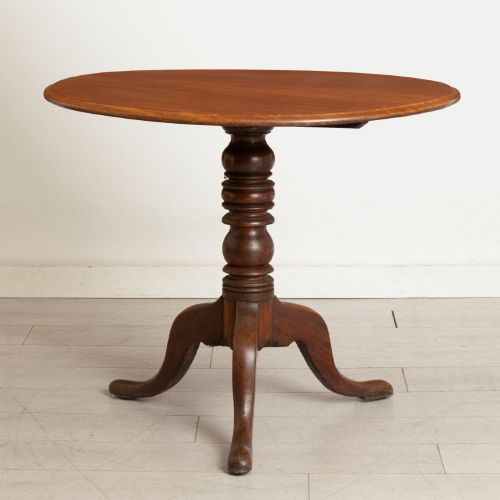
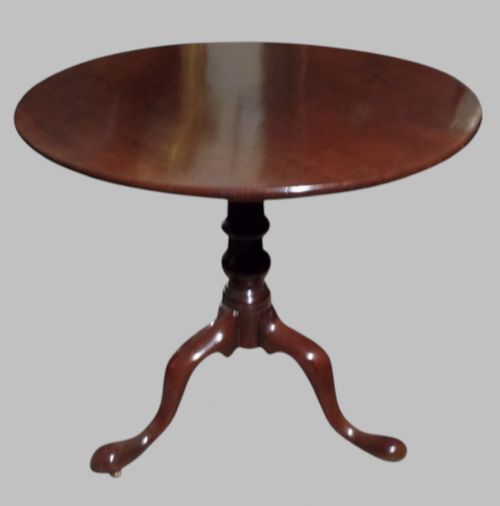
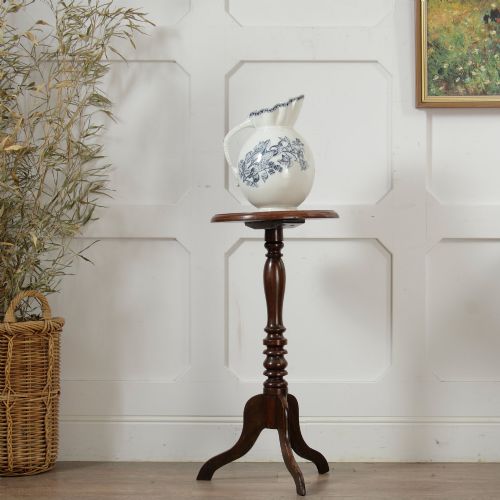
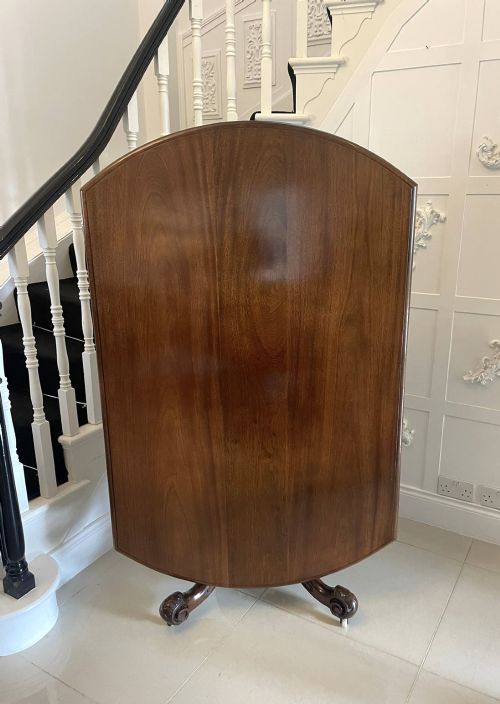
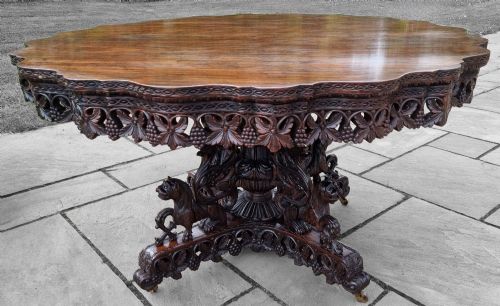
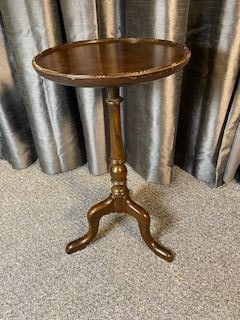
Mahogany predominates among the surviving pieces, often found in tilt-top tripod formats, centre tables, and extending dining tables. Rosewood and walnut also appear frequently, shaping circular tops supported by pedestals, triform bases, or traditional three-legged arrangements.
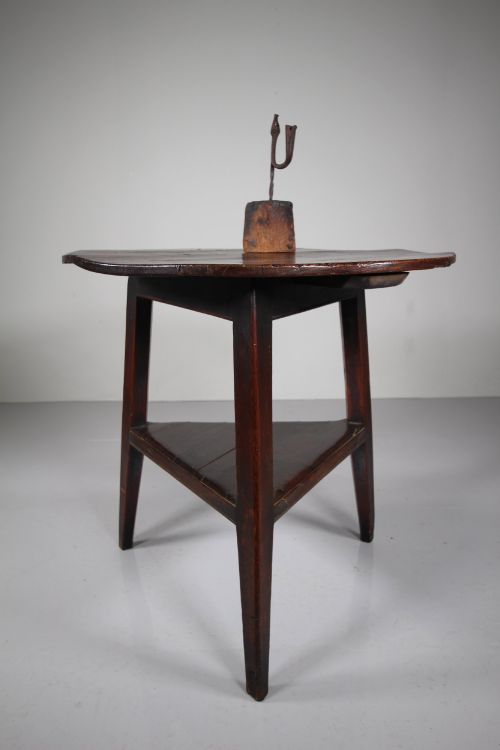
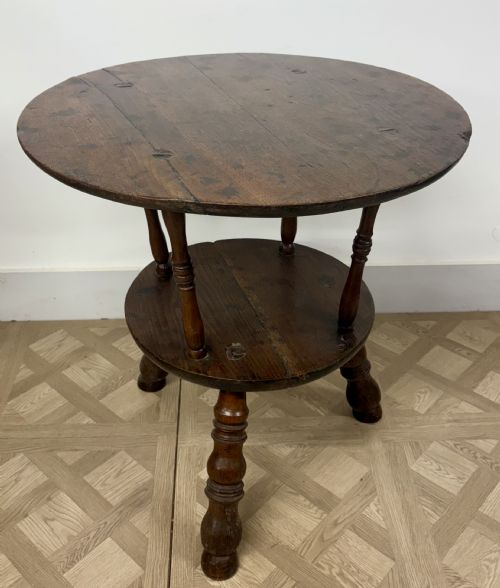
Country and vernacular pieces sit alongside formal Georgian and Regency designs, including oak cricket tables and elm dining surfaces. Whether utilised for tea, wine, or general display, each piece demonstrates the enduring utility of circular wooden construction.
Materials and construction methods
Makers relied heavily on dense hardwoods such as mahogany, rosewood, and walnut, often selecting figured veneers to create striking circular table tops. Solid timbers like oak and elm were utilised for sturdier country pieces, including cricket tables and kitchen furniture.
Pedestal tables typically employ a central turned column rising from a triform base or tripod legs, occasionally incorporating tilt-top mechanisms with birdcage supports. Joinery techniques balance decorative ambition with structural stability, allowing timber to respond naturally to environmental changes.
Secret drawers tucked beneath walnut table tops provide a hidden spot for small valuables.
Distinctions in construction and material grade
The grading of a piece relies on the selection of timber, particularly the grain figuration in mahogany, burr walnut, or rosewood veneers. Superior examples display thoughtful matching of wood grains across the circular top and precise turning on pedestal columns.
Structural integrity and original mechanisms distinguish finer examples from standard production, especially in tilt-top tables and extending dining formats. Refined edge moulding, stable tripod joints, and minimal later intervention elevate certain pieces above domestic utility furniture.
The Dark Wood Round Table Glossary
- Tilt-top
- A table top hinged to the pedestal, allowing the surface to be folded vertically when not in use to save space.
- Tripod base
- A support structure comprising three legs radiating from a central column, common on occasional and wine tables.
- Cricket table
- A small, sturdy three-legged wooden table originating from the eighteenth century, traditionally featuring a round top.
- Triform base
- A three-sided pedestal base often resting on carved scroll feet, frequently seen on larger nineteenth-century tables.
- Gueridon
- A French term for a small circular table, often used as a centre or occasional piece in nineteenth-century interiors.
Dark Wood Round Table: Frequently Asked Questions
How do I identify a cricket table?
Cricket tables are characterised by three splayed legs and a circular wooden top, often constructed from oak or elm during the eighteenth century.
They were designed to remain stable on uneven floors in vernacular domestic settings.
Where should I place a centre table?
Centre tables are designed to stand free in the middle of a room rather than against a wall, viewing from all angles.
They work well in large hallways, libraries, or drawing rooms as a central surface for lamps or decorative objects.
What woods were used for these tables?
Mahogany is the most common timber seen across these listings, accompanied by rosewood, walnut, oak, and elm.
Finer formal pieces often utilise imported tropical hardwoods, while country examples favour native English timbers.