
Dark Wood Relief Panel
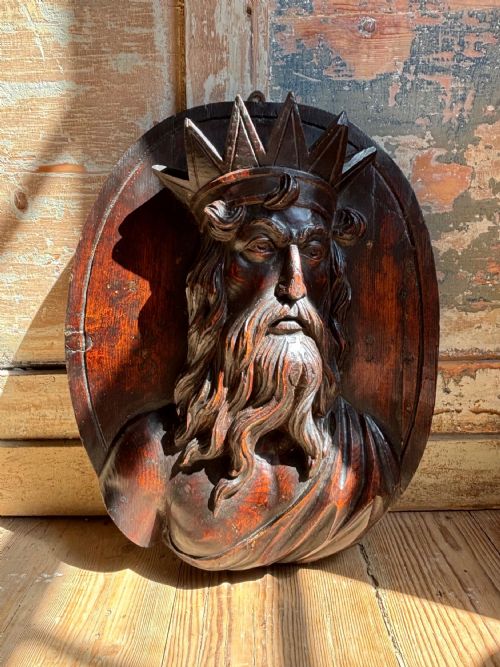
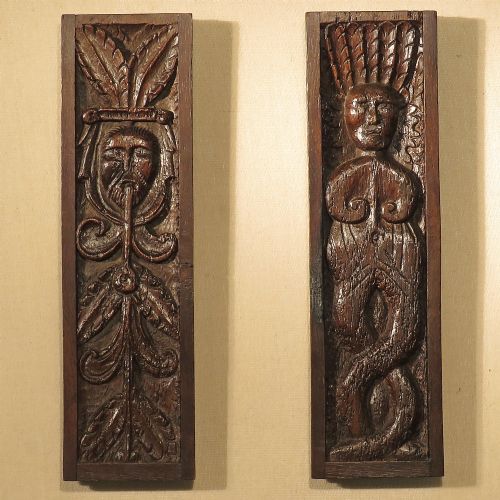
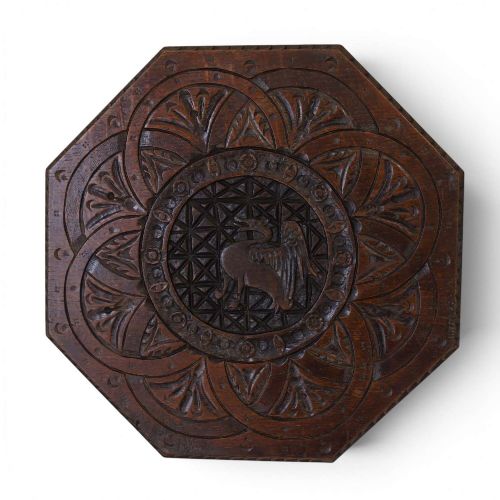
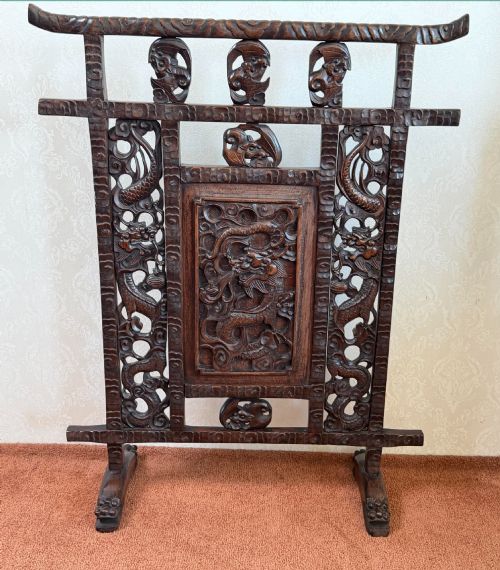
These dark wood relief panel pieces bring centuries of sculptural carving into a room, offering deep figures and rich grain.
Dark Wood Relief Panel
A dark wood relief panel takes many forms across the centuries, ranging from architectural salvage and overdoor elements to wall plaques and altar fragments. Buyers searching for a dark wood relief panel often encounter substantial oak carvings from the seventeenth century alongside later nineteenth-century interpretations.
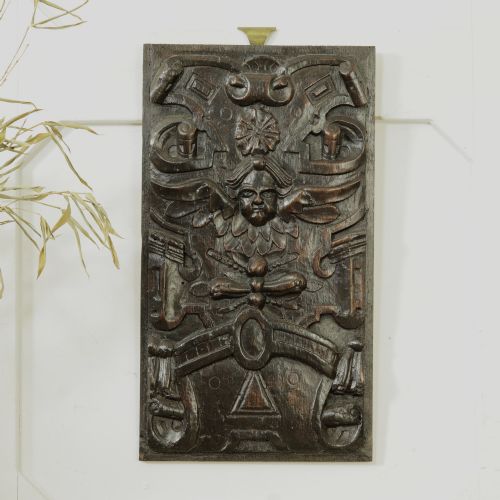
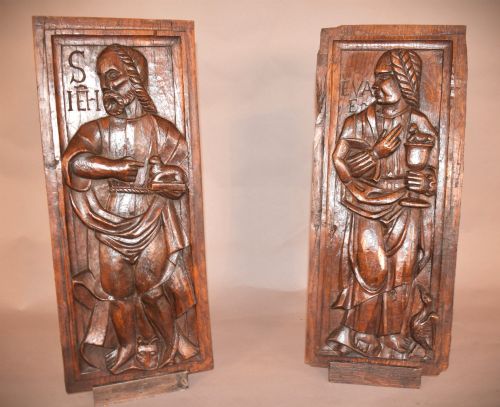
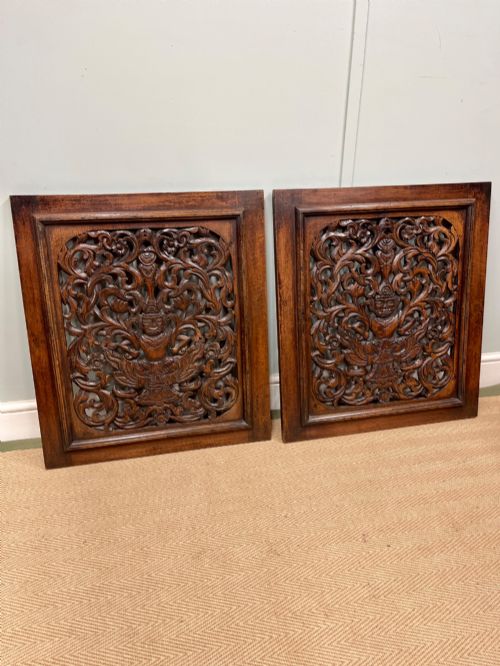
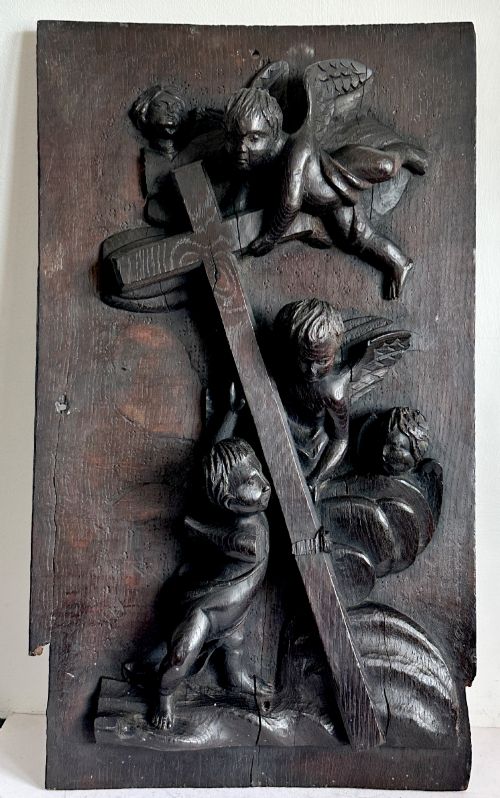
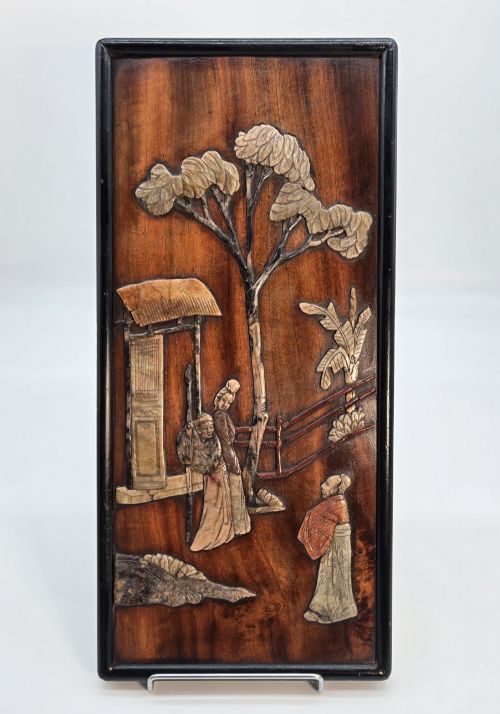
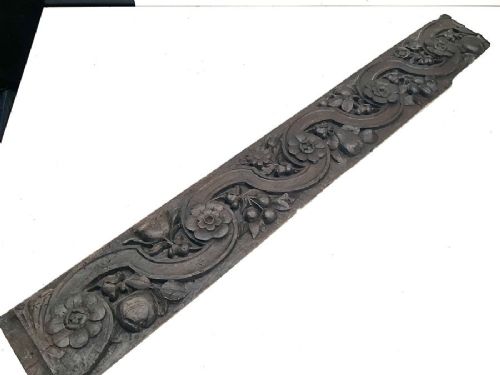
The objects frequently depict religious scenes, mythological figures, heraldry, and botanical motifs. Pieces span styles from Gothic Revival and Baroque to Tudor and Jacobean, reflecting the varied origins of European and Asian workshops.
Materials and methods
Oak dominates the earlier material record, worked by hand using chisels and gouges to achieve deep undercutting and high relief. Artisans also utilised walnut, teak, and various dense hardwoods to create intricate depth.
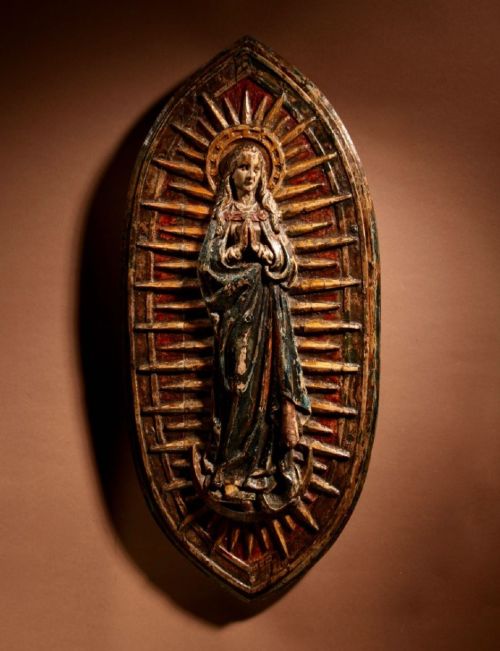
Surface treatments such as gesso and polychrome occasionally add colour and texture to the timber. The carving technique relies on the natural density of the wood to hold sharp lines over hundreds of years.
Listings feature timbers including oak, walnut, teak, and hardwood, spanning periods from the sixteenth century to the early twentieth century.
Factors of distinction
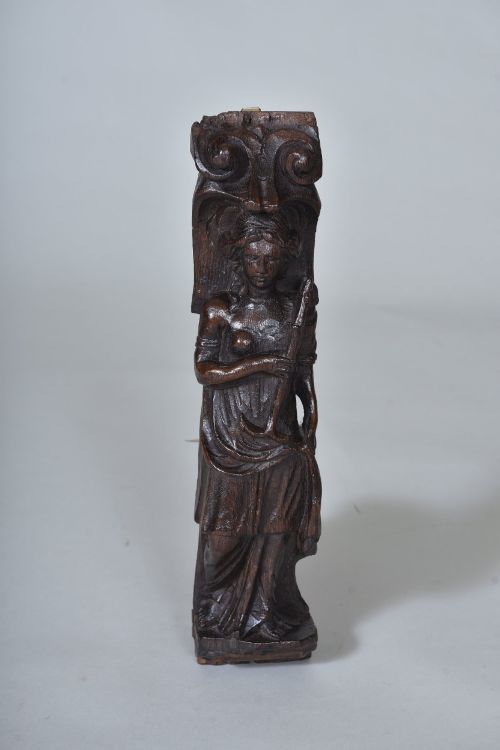
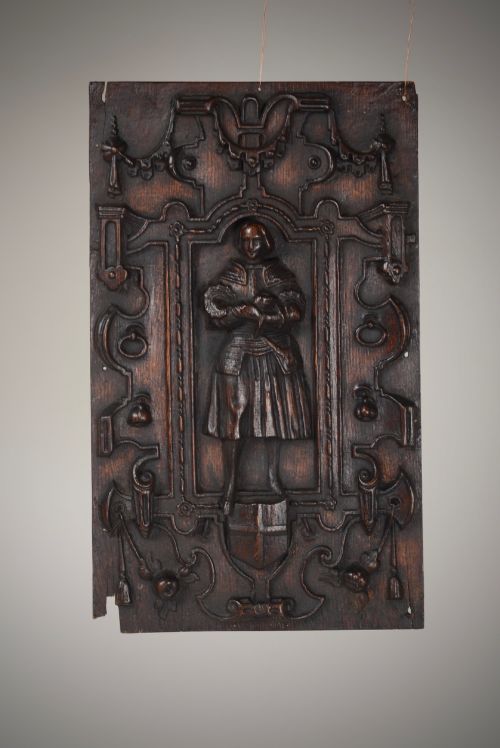
The depth of the carving and the articulation of the figures separate standard architectural elements from masterworks. Sharpness in the facial expressions and drapery indicates a skilled hand at the chisel.
Integrity of the timber and the survival of the original surface patination influence how successfully a panel holds its visual weight. Pieces retaining their early mounting context or structural frame show superior historical completeness.
Edward Pearce
The Dark Wood Relief Panel Glossary
- Relief
- A sculptural technique where figures project from a flat background. High relief means the elements stand well out from the plane.
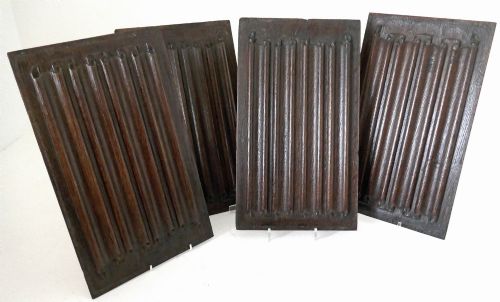
- Linenfold
- A style of wood carving that mimics folded fabric or linen. It appears frequently on early panels.
- Architectural salvage
- Elements rescued from older buildings during demolition or remodelling. These pieces often function now as wall art.
- Polychrome
- The practice of decorating architectural elements in multiple colours. Traces of paint often survive on older wooden surfaces.
Dark Wood Relief Panel: Frequently Asked Questions
How do I hang a heavy wooden panel?
Substantial panels require secure wall anchors fixed directly into masonry or wooden studs. Professional framing brackets distribute the weight safely.
Avoid relying on standard picture wire for heavy oak or hardwood carvings. A French cleat system provides stable support for flush wall mounting.
What is the difference between sixteenth and seventeenth-century panels?
Sixteenth-century examples often display stricter geometric arrangements and linenfold patterns. Figures tend to appear flatter and more stylised.
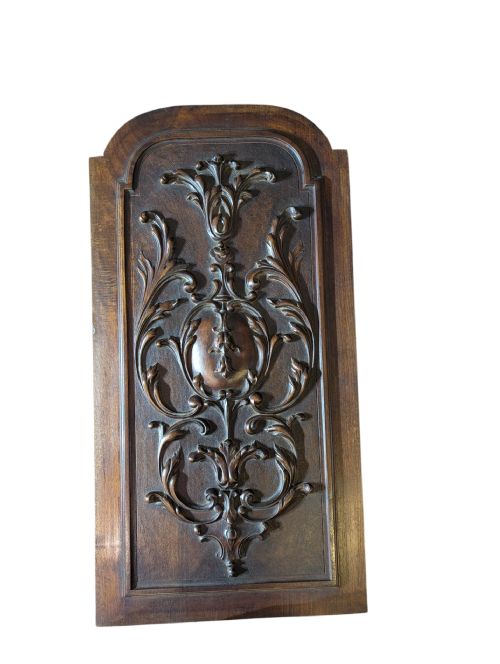
Seventeenth-century Baroque and Jacobean panels introduce deeper undercutting, dynamic movement, and elaborate acanthus scrolls. The carving becomes far more sculptural and theatrical.
Are these panels always from walls?
Many originate from architectural wall schemes, but others served different functional purposes. Items include overdoor decorations, staircase panels, settle backs, and cabinet doors.
Some pieces began as furniture elements before being repurposed as standalone wall art. Traces of mortise and tenon joints often reveal this earlier context.