




Dark Wood Regulator
A dark wood regulator is a precise timekeeper housed in a handsome timber case, offering accurate movement and architectural presence for a room.
Dark Wood Regulator
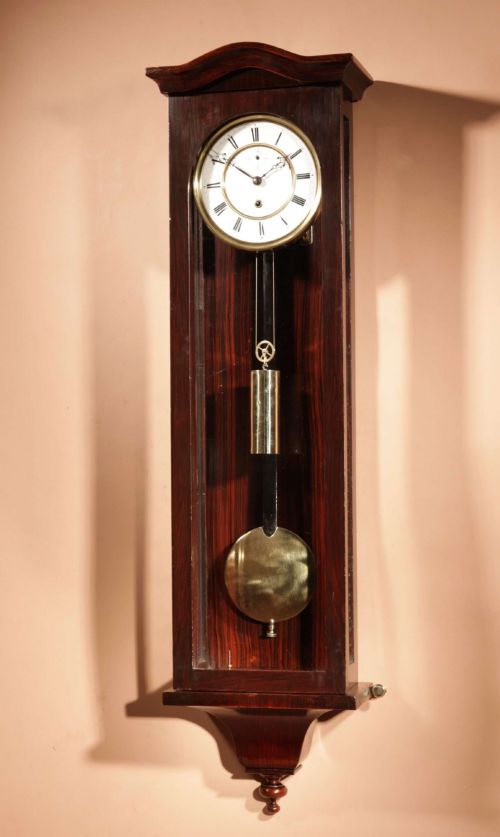
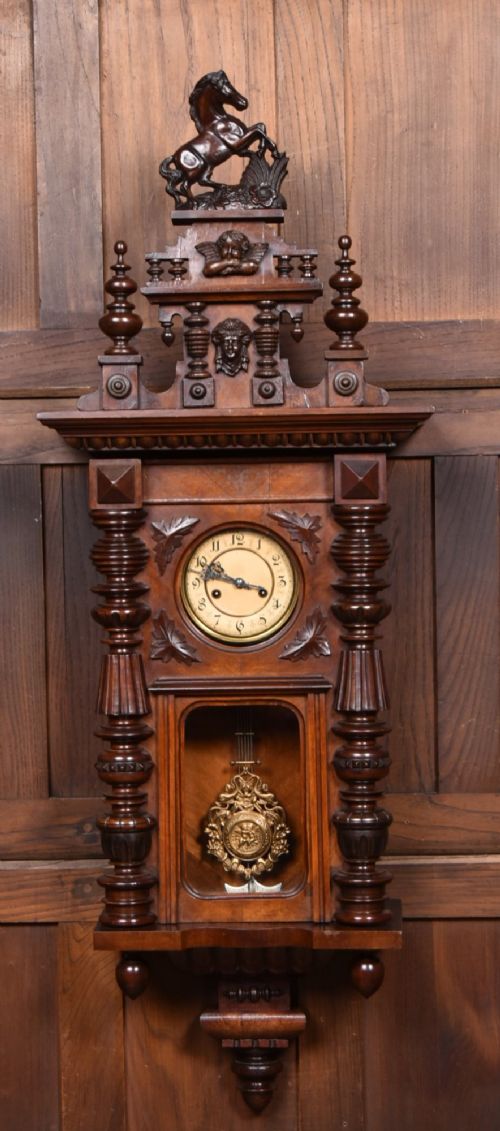
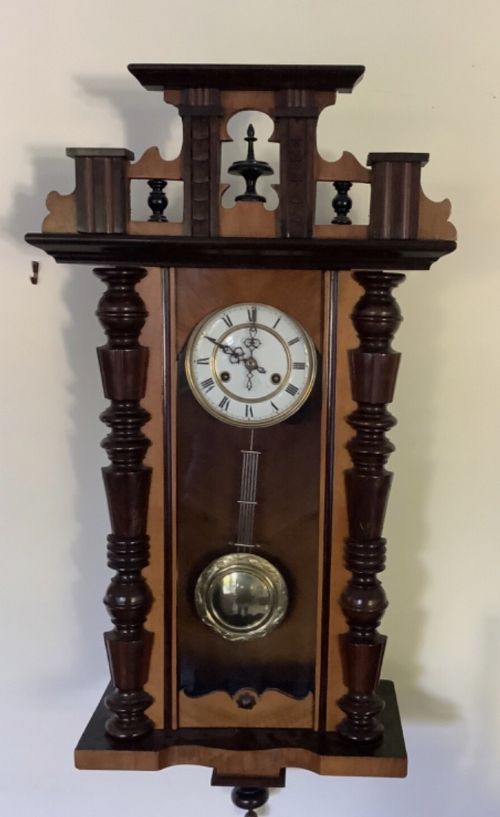
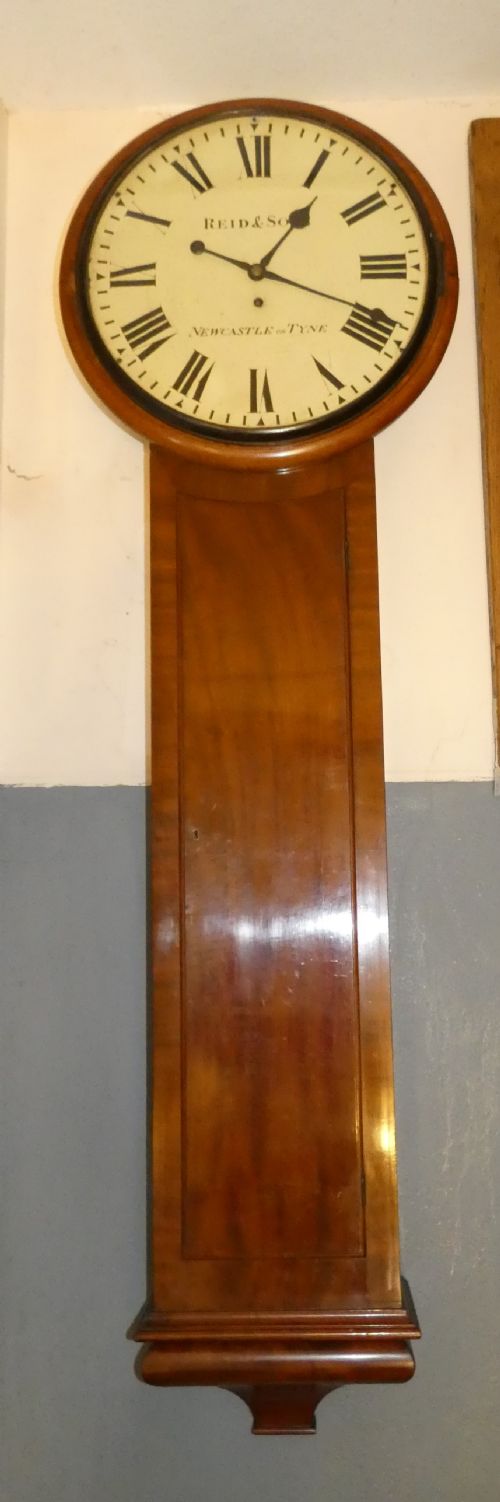
A dark wood regulator clock primarily manifests as either a wall-mounted Vienna style timekeeper or a tall longcase clock designed for precise timekeeping. These pieces emerge from the nineteenth century, with Victorian, Georgian, and Biedermeier examples appearing frequently.
The selection ranges from German and Austrian wall clocks featuring double brass weights to mahogany and walnut longcase clocks made by regional makers. Wall-hung versions often display glass panels in timber frames to showcase the swinging pendulum.
Makers such as Gustav Becker and Johann Baptist Beha represent the continental tradition, whilst British firms like John Walker and William Chisholm contributed refined longcase designs. Buyers encounter both striking movements and simpler time-only mechanisms across the selection.
Materials and construction
Cases utilise rich timbers including mahogany and walnut, frequently complemented by ebonised wood details and brass fittings. The warm grain of the wood forms a solid architectural housing for the delicate interior mechanics.
Clock faces incorporate enamel dials and silvered metal chapters, protected behind bevelled glass doors. Inside, steel pinwheel escapements and brass weights drive the precise movement of the hands and pendulums.
Regional British makers from York, Oxford, and Aberdeen sit alongside major German and Austrian workshops.
Markers of superior craftsmanship
Superior quality in a dark wood regulator reveals itself through the crispness of the timber cabinetwork and the refinement of the dial execution. Finer examples display meticulously figured walnut or mahogany veneers and balanced proportions that respect their architectural origins.
The sophistication of the internal movement dictates the upper tier of these timepieces, particularly complex chiming mechanisms or pinwheel escapements signed by reputable makers. Original weights, pendulums, and well-preserved enamel or silvered dials elevate the standing of an individual clock.
John Walker·Gustav Becker·Johann Baptist Beha·William Chisholm·Hampston Prince & Cattles
The Dark Wood Regulator Glossary
- Regulator
- A precision timekeeper designed to maintain extreme accuracy, often used as a standard to set other clocks. These movements prioritize exact timekeeping over decorative complications.
- Vienna Regulator
- A high-grade wall clock style originating in Austria during the nineteenth century. They typically feature long glass-panelled cases that display the pendulum and weights.
- Pinwheel escapement
- A specialised clock escapement using a notched wheel with pin-like teeth, offering low friction and high precision. This mechanism appears in finer antique timepieces.
- Grande Sonnerie
- A complex striking train that chimes both the hours and the quarters automatically on every quarter-hour. Such movements represent a high degree of horological skill.
Dark Wood Regulator: Frequently Asked Questions
Where should I hang a wall regulator?
Choose a stable interior wall that experiences minimal vibration from household traffic to ensure the pendulum swings truly.
Allow enough clearance below the case for weights to descend fully if the movement requires gravity drive.
How do I wind my regulator clock?
Insert the winding key gently into the dial aperture and turn it steadily until you feel firm resistance from the mainspring or weights.
Support the case or pendulum with your free hand to avoid knocking the delicate mechanism out of beat during the process.
Why does my clock lose time?
Changes in room temperature and humidity can alter timber cases and metal pendulums slightly, shifting the rate of the swing.
Adjustment nuts on the pendulum bob allow you to raise or lower the weight to correct the daily timing.
How do I identify a Vienna regulator?
Look for a tall, glazed wooden door flanked by architectural mouldings that showcase the brass weights and pendulum inside.
The dial is typically white enamel with clear Roman numerals, surrounded by finely figured walnut or mahogany veneer.