



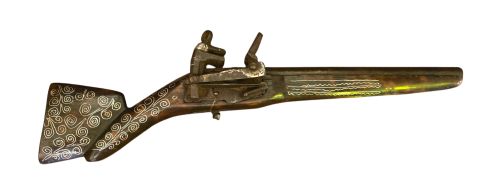

Dark Wood Pistol
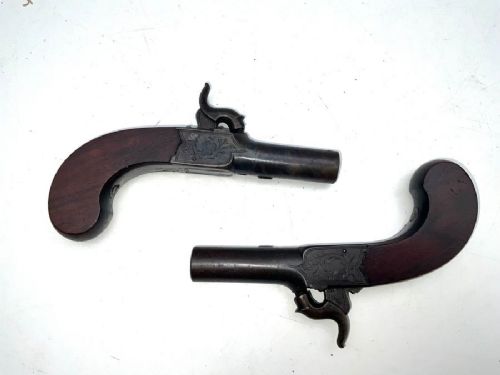
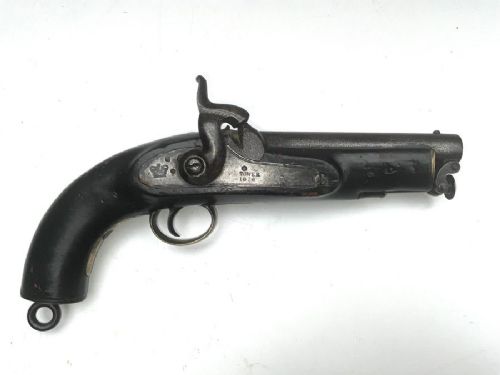
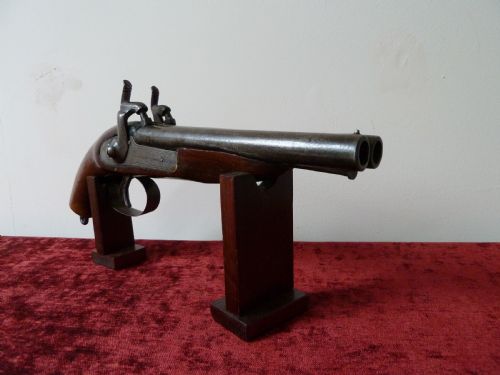
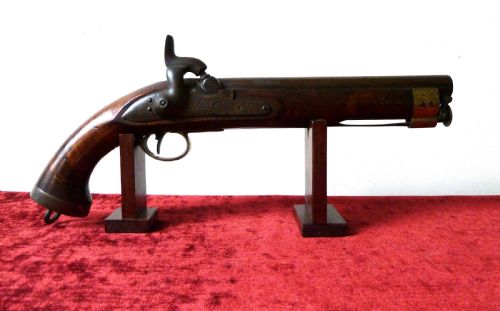
These dark wood pistol examples combine walnut and hardwood stocks with steel and brass components across Georgian and Victorian military styles.
Dark Wood Pistol
A dark wood pistol brings together historic firearm mechanisms and traditional timber stocks originating from Georgian and Victorian periods, including military and sea service patterns. You will frequently encounter nineteenth century percussion systems and flintlock mechanisms fitted into walnut or hardwood stocks.
The selections span pocket pistols, belt pistols, and heavy cavalry or holster pieces made across European workshops, including British, Belgian, and Ottoman makers. These historic arms reflect both civilian self-defence needs and official military contracts from the eighteenth and nineteenth centuries.
Materials and construction
Makers shaped stocks from dense timber like walnut and hardwood, pairing them with forged steel barrels and iron internal mechanisms. Many examples incorporate brass furniture, such as trigger guards and butt caps, alongside silver inlay on Ottoman pieces.
Lock mechanisms transition from flintlock ignition systems to percussion cap technology as the nineteenth century progresses. Metal components often feature proofs, maker stamps, or engraved decoration on lock plates and furniture.
Listed items span the Georgian and Victorian eras, incorporating military contract arms and civilian pocket pistols.
Assessing quality in historical firearms
Quality rests in the crispness of the lock mechanism action, the legibility of maker stamps, and the preservation of the timber stock. Finer pieces retain sharp checkering or carving on the wood and clear proof marks on the steel barrels.
The integration of decorative brass or silver furniture and the overall proportion of the stock separate standard utility arms from higher grade military contract or civilian pocket pieces.
T Potts London·East India Company·Tower
The Dark Wood Pistol Glossary
- Flintlock
- An ignition system utilising a piece of flint struck against a steel frizzen to create sparks that ignite the gunpowder charge. This mechanism dominated firearm production throughout the eighteenth century.
- Percussion
- A later ignition system where a hammer strikes a percussion cap containing priming compound placed on a nipple. This method replaced the flintlock during the nineteenth century for greater reliability.
- Holster pistol
- A large firearm designed to be carried in a saddle holster rather than on a belt or in a pocket. These served cavalry and military officers.
- Snaphaunce
- An early flintlock mechanism with a spring-held frizzen cover, common in specific regional arms such as Ottoman and Afghan long pistols.
Dark Wood Pistol: Frequently Asked Questions
What is a dark wood pistol?
A dark wood pistol is an antique firearm featuring a stock made from timber such as walnut or hardwood, housing flintlock or percussion mechanisms.
These arms date primarily from the eighteenth and nineteenth centuries, encompassing civilian pocket models and military service pieces.
How do I identify the period?
Dating relies on the ignition mechanism, barrel shape, and any proof marks or maker stamps found on the metal components.
Flintlock systems generally point to the eighteenth and early nineteenth centuries, while percussion caps indicate the mid-nineteenth century.
Were these used in the military?
Many surviving pieces served armed forces, including cavalry regiments, sea service units, and the East India Company.
Military arms typically feature inspector marks, government stamps, and robust brass or iron furniture.
How should I display one?
Displaying these pieces requires stable indoor conditions away from direct sunlight and excessive humidity to protect the timber and steel.
Securing them in a cabinet or on a dedicated wall mount ensures the firearm remains stable and safe.