
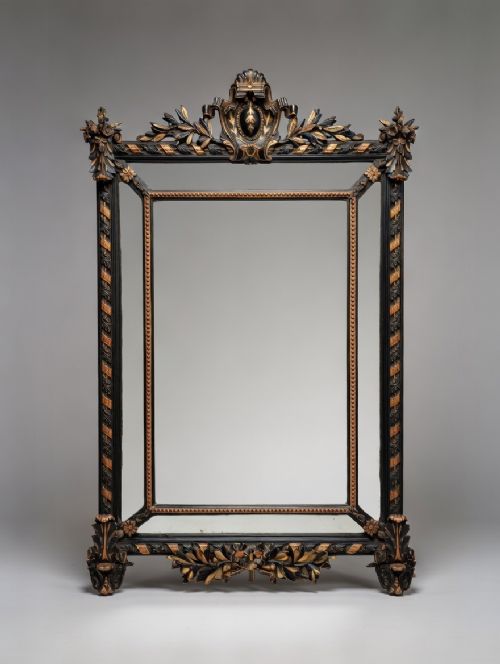
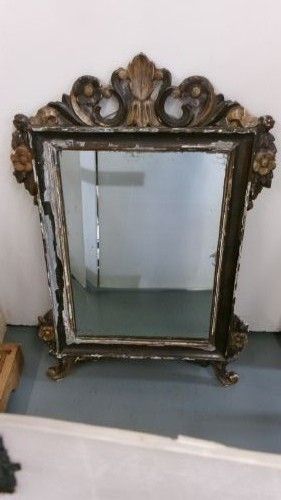


Dark Wood Pier Glass
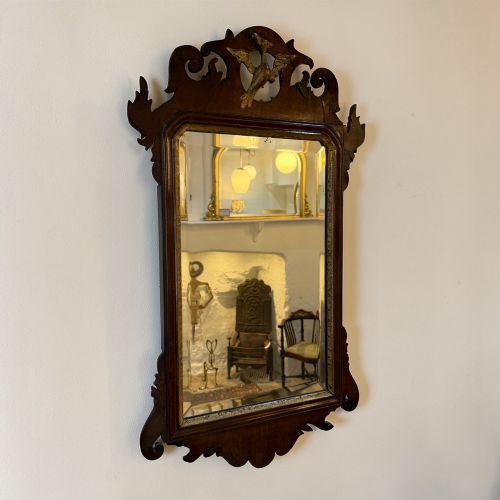
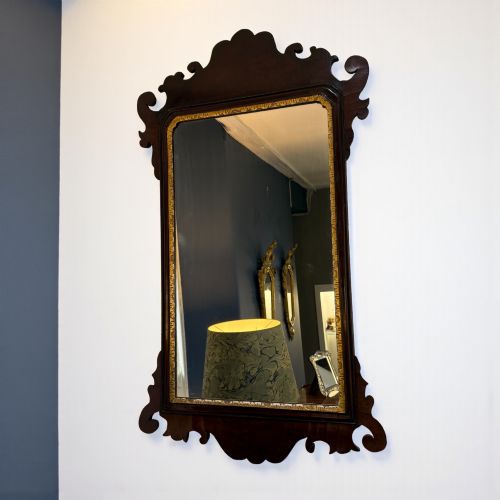
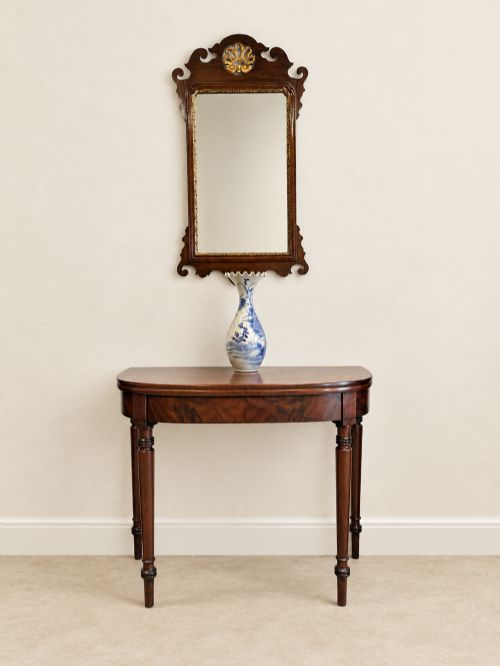
A dark wood pier glass hangs between windows or above low furniture, reflecting light through rooms with rich mahogany, walnut, and rosewood warmth.
Dark Wood Pier Glass
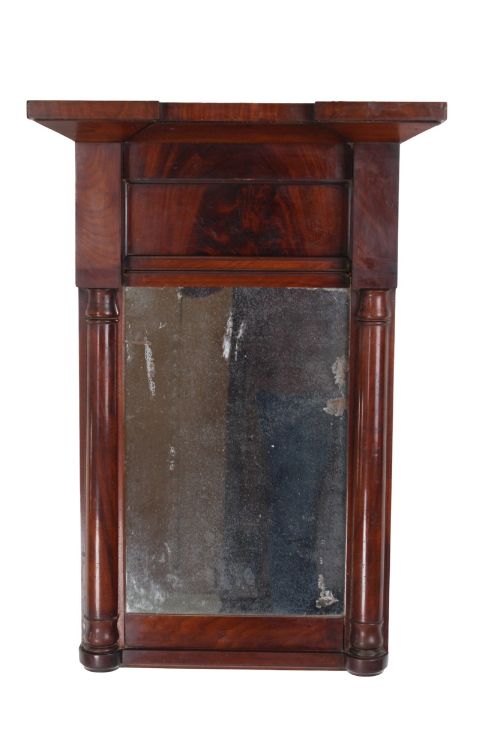
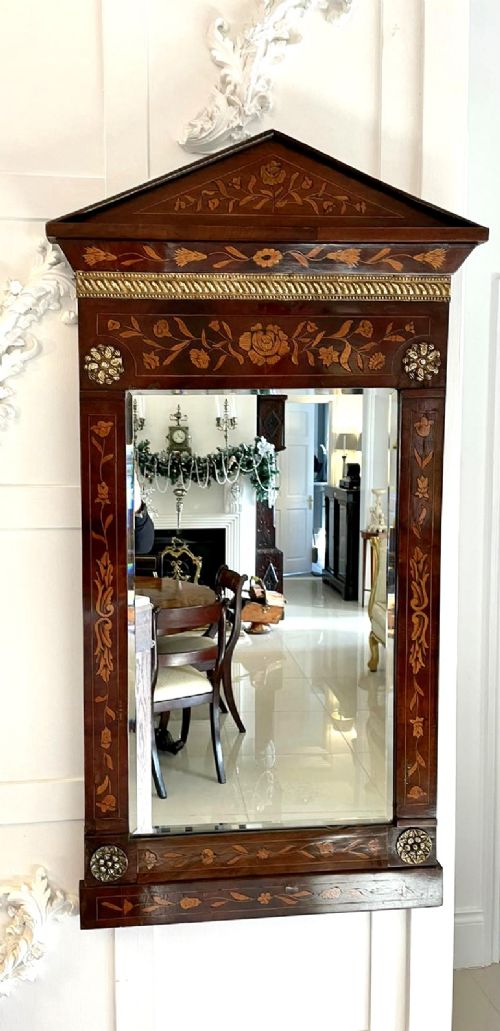
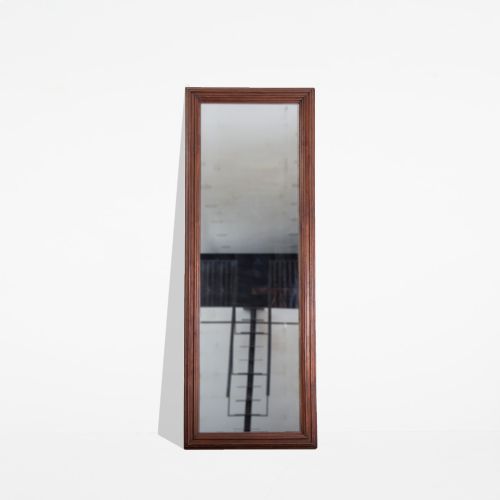
A dark wood pier glass is a vertical mirror designed for narrow wall spaces, predominantly found in mahogany, walnut, and rosewood forms across this selection. These wall-hanging and cabinet-mounted pieces span periods from the 18th century through the Victorian era, offering substantial timber frames suited to period interiors.
Buyers most frequently encounter Georgian and 19th-century examples featuring rich grain patterns, flame mahogany veneer, and traditional fretwork or parcel-gilt details. Alongside these mirrors, the category encompasses related pier cabinets and side furniture sharing the same dark wood vocabulary.
Materials and Construction
Frames are constructed from dense timbers like mahogany, walnut, and rosewood, often enhanced with flame veneer or intricate marquetry inlay. Giltwood, gesso, and brass accents provide contrast against the dark timber ground.
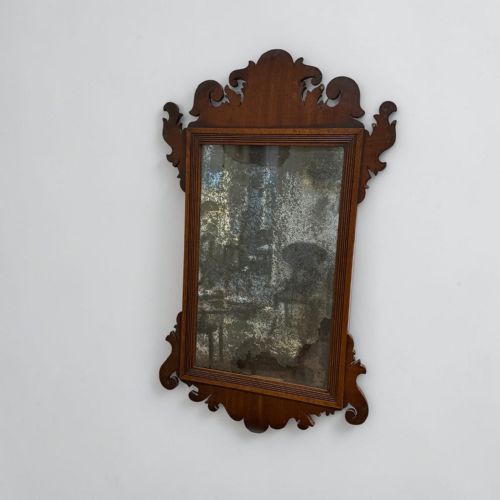
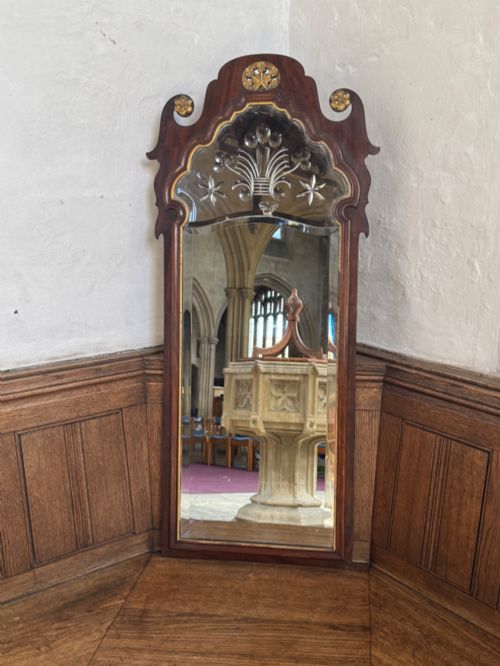
Glass plates include original mercury plates and reverse cut plates set within hand-carved wooden mouldings and fretwork frames.
Listings feature mahogany, walnut, rosewood, and oak timbers across periods spanning the Georgian era to the 1930s.
Assessing Quality
The distinction between ordinary and exceptional pieces lies in the depth of the carving, the selection of figured veneers such as flame mahogany or burr walnut, and the survival of original surfaces.
Proportion and scale dictate visual impact, where larger Georgian and William Kent style frames command presence through harmonious architectural details and crisp parcel-gilt enrichment.
William Kent
The Dark Wood Pier Glass Glossary
- Pier glass
- A tall mirror specifically proportioned to hang on the narrow wall space between windows. These mirrors reflect natural light deeper into period rooms.
- Mercury plate
- An early silvering method utilising a tin and mercury amalgam applied to the glass. It creates a distinctive mottled reflection characteristic of older mirrors.
- Parcel-gilt
- Woodwork partially decorated with thin leaf gold applied to carved details against a painted or polished wood ground. This technique highlights specific architectural motifs.
- Fretwork
- Thin wood panels pierced with decorative openwork patterns, commonly found on the scroll-cut borders of Georgian mirrors. It requires precise hand-sawing.
- Marquetry
- Elaborate veneer patterns formed by fitting together contrasting pieces of wood and other materials. It decorates cabinet doors and mirror surrounds.
Dark Wood Pier Glass: Frequently Asked Questions
Where should I hang a pier glass?
These vertical mirrors are traditionally placed on the narrow wall space between two windows, known as the pier. They maximise natural light and visually expand the room.
Alternatively, they work effectively above low side cabinets, console tables, or mantels where their tall proportions balance horizontal furniture.
How do I identify a Georgian pier glass?
Look for dense mahogany or walnut timbers, often featuring hand-carved fretwork borders, scrolled ears, and parcel-gilt accents. The proportions tend to be architectural and refined.
Many examples from this era incorporate original mirror plates with subtle foxing or mercury backing rather than modern, flawless glass.
What is the difference between a mirror and a pier glass?
A standard wall mirror can be square, horizontal, or circular and is designed for general placement. A pier glass is specifically tall and narrow by definition.
This narrow format allowed the glass to fit precisely on the masonry pier between windows in historic houses.
How do I clean an antique mirror frame?
Dust the carved wooden frame gently with a soft, dry brush or cloth. Avoid liquid polishes that can seep into older wood joints and finishes.
For the glass plate, apply a mild glass cleaner to a cloth rather than spraying directly, preventing moisture from reaching the vulnerable edges of the plate.