





Dark Wood Nursery Chair
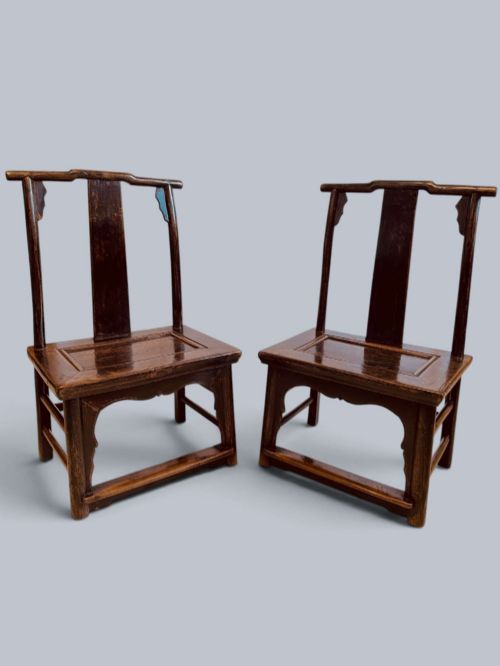
A dark wood nursery chair is a sturdy, scaled-down antique seat for children, offering a charming focal point for a traditional interior.
Dark Wood Nursery Chair
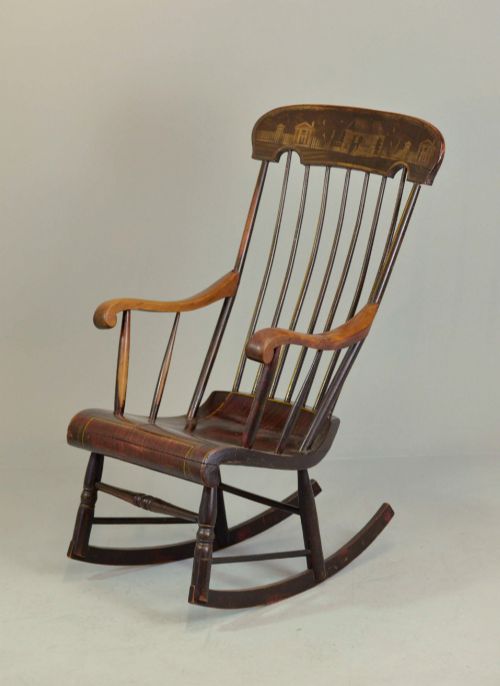
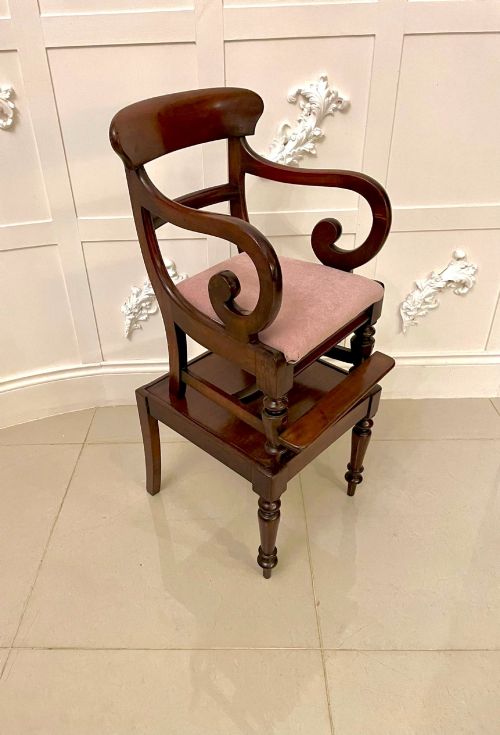
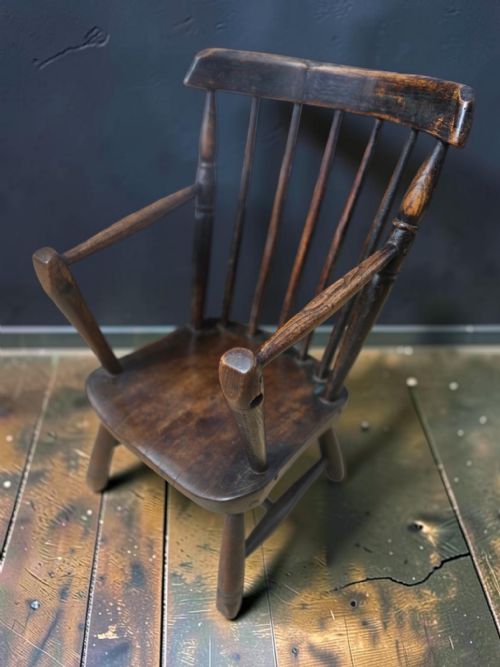
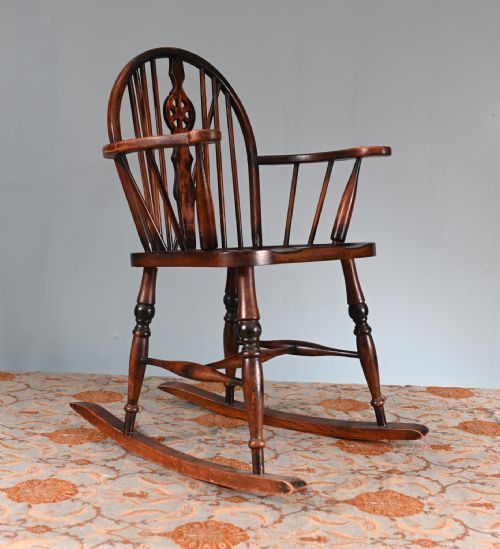
The most common examples on this page are Windsor armchairs and rocking chairs shaped in vernacular styles from elm, ash, and mahogany. These pieces range from simple regional country seating to more formal mahogany designs mounted on stands.
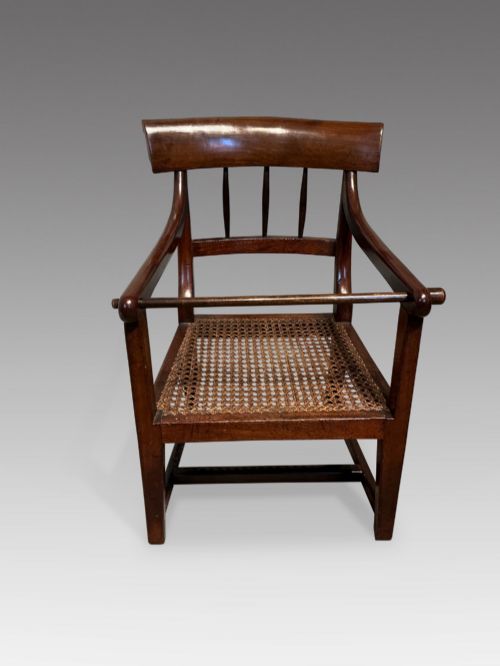
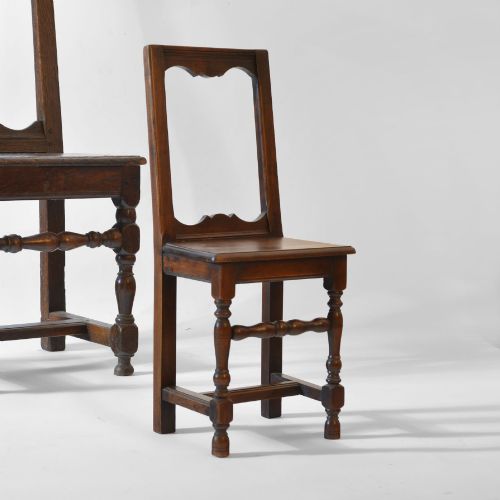
Regional variations often feature turned spindles, solid wood saddles, and rush or cane seats. Whether configured as a low rocker or a tall high chair, each piece reflects the domestic utility of past centuries.
Materials and construction
Cabinetmakers and regional bodgers utilised native timbers like elm, ash, beech, and oak to build these durable children's seats. Hardwoods provided the necessary strength for items subjected to daily nursery use.
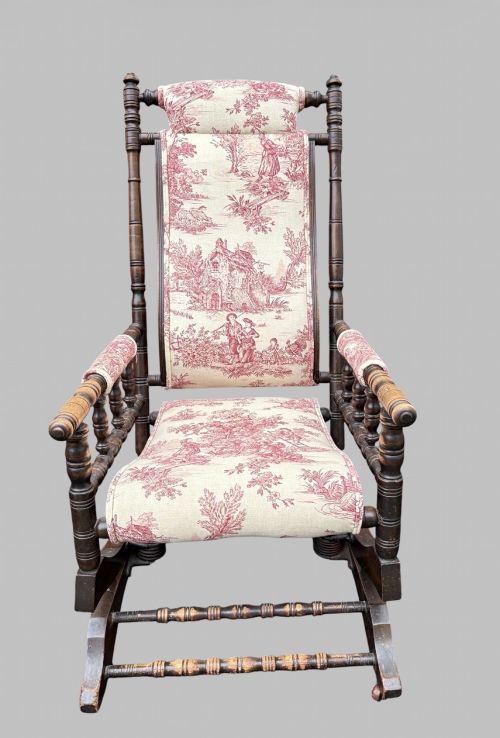
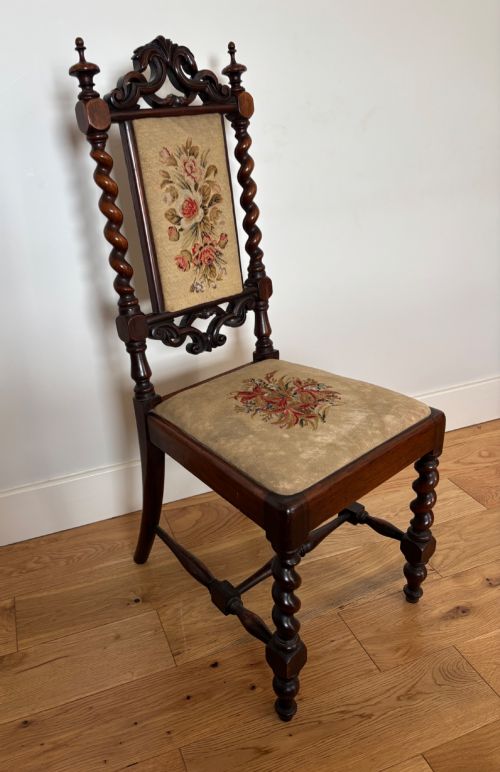
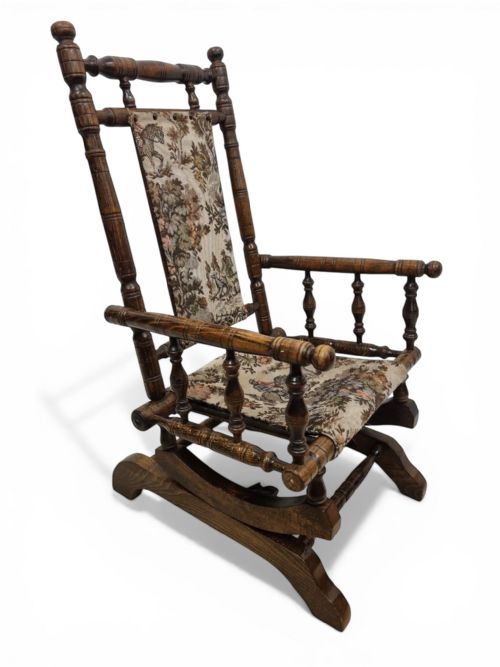
Construction techniques varied from traditional Windsor bodging with steam-bent parts and socketed legs to fine mahogany joinery on formal armchairs and high chairs. Caning, rush, and tapestry upholstery added comfort and texture to seats and backs.
Dark Wood Nursery Chair Retail Price Guide 2026
Typical asking prices for dark wood nursery chair among the pieces listed under this phrase on Sellingantiques today, from the lower quarter to the upper quarter. They describe what is for sale here now, not the wider market.
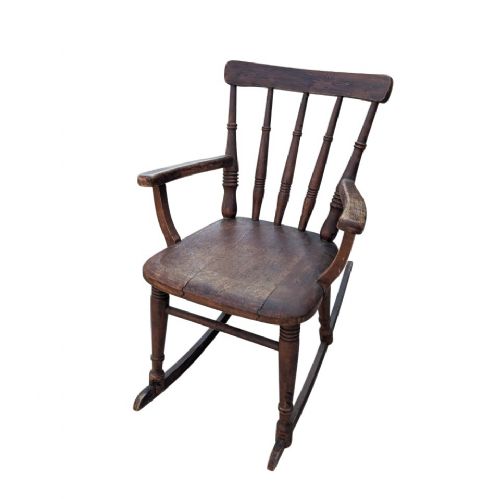
Some Victorian children clearly rocked with enthusiasm, leaving behind robust little armchairs equipped with sturdy runners designed to survive the nursery floor.
Judging quality and craftsmanship
The distinction between ordinary and superior pieces rests on the choice of timber, the crispness of turning, and the integrity of the original construction. Regional Windsor chairs benefit from nicely figured elm seats and well-balanced spindle arrangements.
Formal pieces in mahogany or rosewood demonstrate refined cabinetmaking through polished surfaces, delicate scrollwork, and intact original stands. Original woven cane or rush seating also elevates the standing of a piece within its period.
The Dark Wood Nursery Chair Glossary
- Windsor chair
- A chair built with a solid wooden seat into which the legs and back spindles are directly inserted. These vernacular seats often feature steam-bent bows and comfortable saddle-shaped bases.
- Bergere
- An enclosed upholstered armchair with cane or wicker side panels. Georgian examples often incorporate tightly woven cane work into the backrest.
- Commode chair
- A piece of furniture containing a concealed chamber pot beneath the seat. Victorian iterations frequently disguised the utilitarian purpose behind domestic upholstery.
- Correction chair
- A rigid nineteenth-century seat designed to encourage upright posture in children. These pieces typically feature straight backs and simple cane seats.
- Bentwood
- Wood that has been shaped by heating it with steam. This technique allowed makers to create curved frames for rocking chairs and side chairs.
Dark Wood Nursery Chair: Frequently Asked Questions
How were these children's chairs used?
These chairs served practical functions in family homes, ranging from feeding infants in high chairs to soothing toddlers in small rocking chairs. Some specialised forms, such as commode chairs, aided with nursery sanitation.
Over generations, many transitioned from working nursery furniture to decorative items collected for their miniature scale and regional craftsmanship.
How do I date a wooden nursery chair?
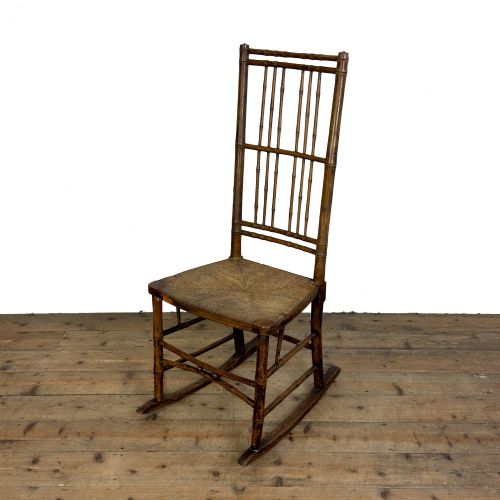
Dating relies on identifying the prevailing style, construction methods, and materials associated with specific eras like the Georgian or Victorian periods. For example, early nineteenth-century pieces often display vernacular Windsor framing, while later Victorian versions may incorporate faux bamboo or tapestry upholstery.
Comparing the turned elements, joinery style, and wood species helps narrow down the period of manufacture.
Are these chairs suitable for modern homes?
These scaled-down antique chairs fit easily into contemporary interiors as decorative accents or collectible display pieces. Their compact footprints make them versatile additions to hallways, living rooms, or bedrooms.
While many retain structural integrity, buyers often use them primarily for visual display rather than daily seating.