
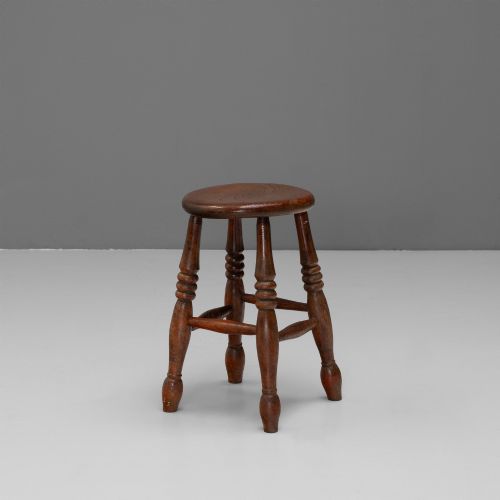
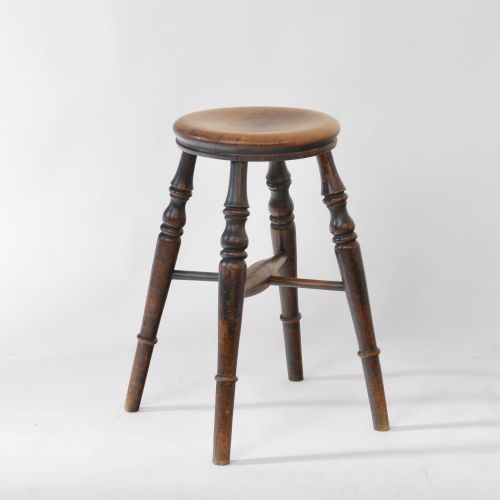
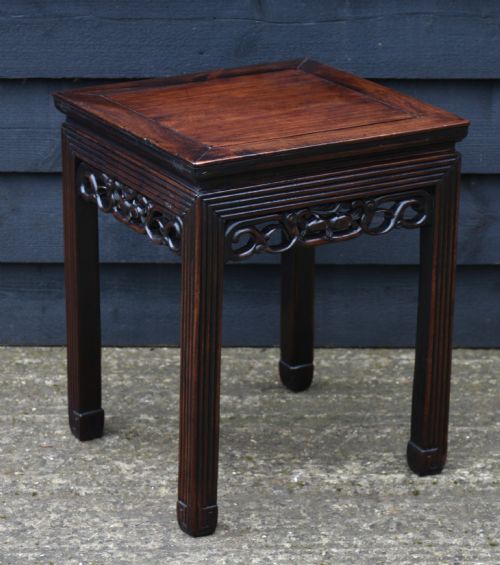
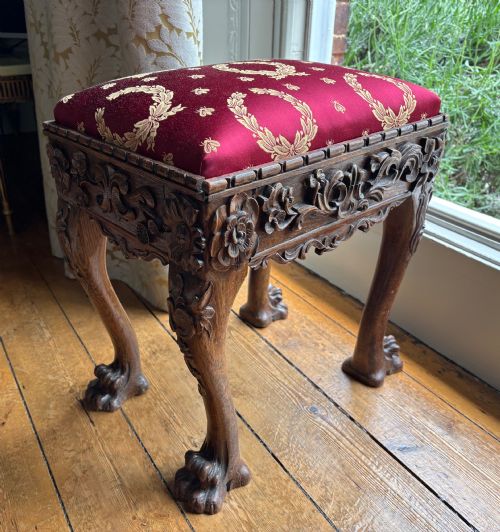



Dark Wood Low Stool
A dark wood low stool offers compact seating and rich timber tones, spanning sturdy rustic country builds to intricate carved Asian designs.
Dark Wood Low Stool
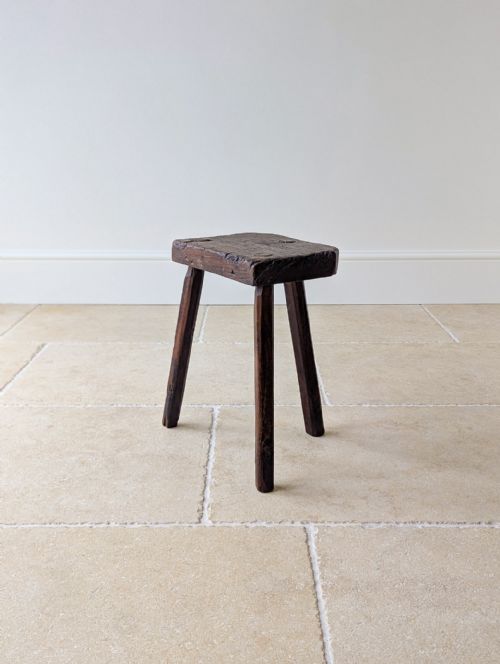
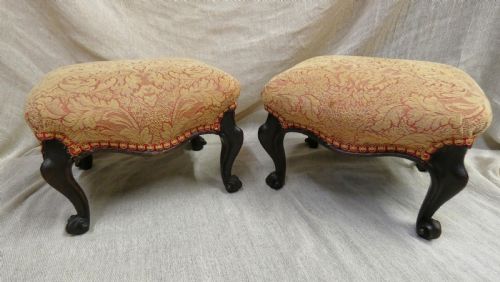
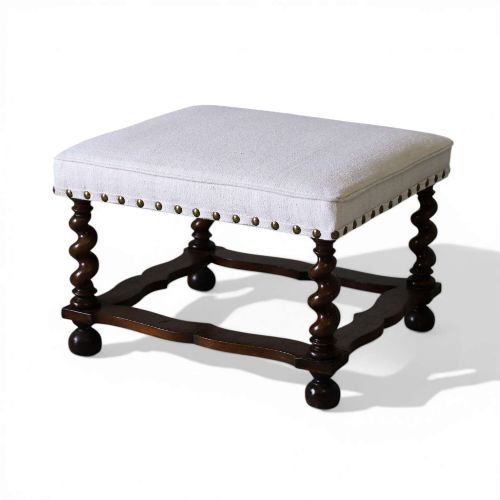
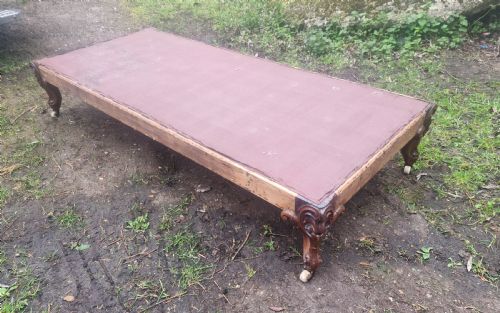
A dark wood low stool encompasses a range of seating and low surfaces, including footstools, dressing table seats, joint stools, and window benches. You will frequently encounter nineteenth-century examples alongside items from the eighteenth and early twentieth centuries.
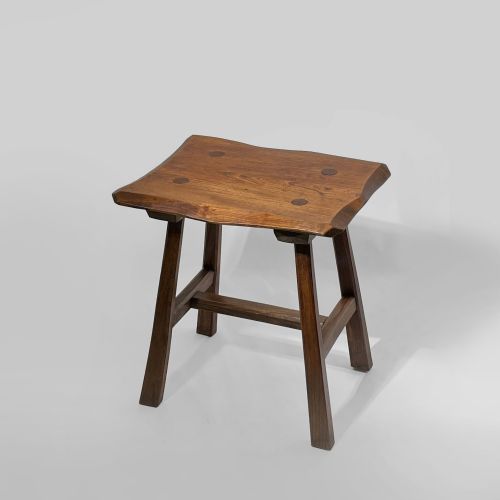
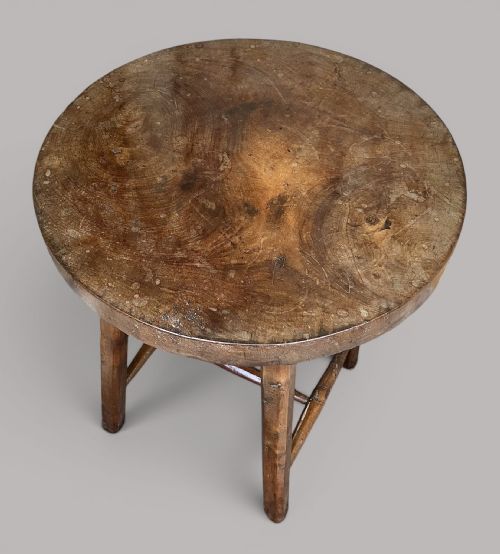
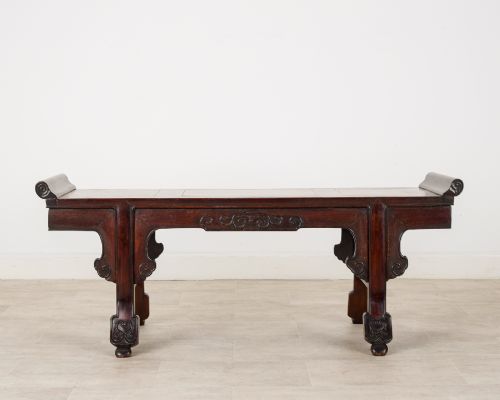
The selection ranges from vernacular country pieces in elm, ash, and oak to formal rosewood and mahogany creations influenced by Chippendale, Victorian, and Arts and Crafts design. Regional variations extend to Anglo-Indian carved seating and Chinese hardwood dressing stools.
Materials and construction
Craftsmen built these pieces from solid hardwoods such as mahogany, rosewood, oak, walnut, elm, and beech, often pairing sturdy turned frames with upholstered tops in fabric or tapestry.
Joinery methods include traditional pegging, mortise and tenon joints, and barley-sugar turning, supplemented on certain formal examples by intricate carved detailing and veneered surfaces.
One listed nineteenth-century workshop seat served a Birmingham jeweller before retiring to the antique market.
Build and finish
Quality rests on the selection of timber and the crispness of hand-carving on the frame, where deeply defined mouldings and well-figured grain distinguish finer works from simpler utility items.
Structural integrity depends on tight joinery and original components, while upholstered variants show superior craftsmanship through traditional stuffing and hand-stitched borders.
Brown & Lamont
The Dark Wood Low Stool Glossary
- Joint stool
- An early form of wooden stool constructed with mortise and tenon joints held together by wooden pegs, predating widespread upholstery. These sturdy seats served domestic households for sitting and reaching high shelves.
- Barley-sugar twist
- A type of turning resembling a rope helix, carved into legs or stretchers during the seventeenth and nineteenth centuries. This decorative technique adds visual movement to heavy timber frames.
- Oyster veneer
- Slices cut across small branches to reveal circular grain patterns resembling oyster shells, applied to furniture surfaces during the late seventeenth and eighteenth centuries.
- Cabriole leg
- A furniture leg that curves outward at the knee and tapers inward toward the foot, inspired by the shape of an animal's limb. It appears frequently on formal seating from the Georgian and Victorian periods.
- Luggage stand
- A low folding or rigid wooden frame traditionally placed at the foot of a bed for suitcases. These low stands often share dimensions and timber construction with low stools.
Dark Wood Low Stool: Frequently Asked Questions
How were low stools used historically?
These low seats served practical purposes near firesides, dressing tables, and beds, often functioning as footstools or heavy-duty work seats for artisans.
They also accommodated sitting near low tables or windows in various domestic settings across different cultures.
How do I care for dark wood timber?
Keep wooden surfaces away from direct heat sources and strong sunlight to prevent the timber from drying out and splitting over time.
Apply traditional beeswax periodically and buff with a soft cloth to maintain the natural lustre of the polished wood.
Can I reupholster a period stool?
Many upholstered examples accept modern fabric updates while retaining their original webbed or stuffed foundations beneath the outer cover.
Consulting a traditional upholsterer ensures the historical padding and frame integrity remain undisturbed during the process.
How can I tell a Victorian stool from an 18th-century one?
Eighteenth-century examples often display simpler, heavier structural framing with pegged joinery, while Victorian pieces frequently incorporate decorative carving, rosewood, or revived styles like Chippendale.
Examining the tool marks, timber shrinkage, and wear patterns helps clarify the age of the piece.