
Dark Wood Inlaid Mirror
A dark wood inlaid mirror brings rich timber tones and precise decorative detail to a room, offering both practical reflection and traditional craftsmanship.
Dark Wood Inlaid Mirror
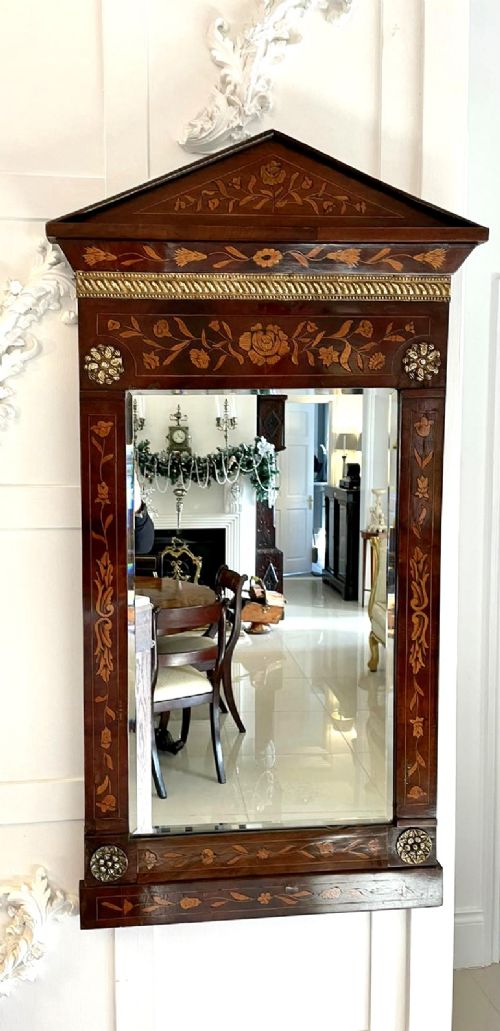
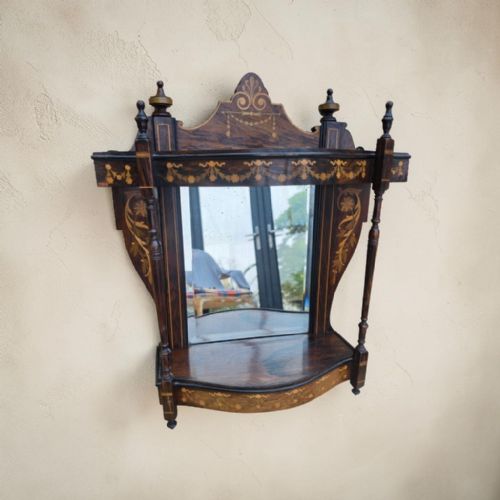
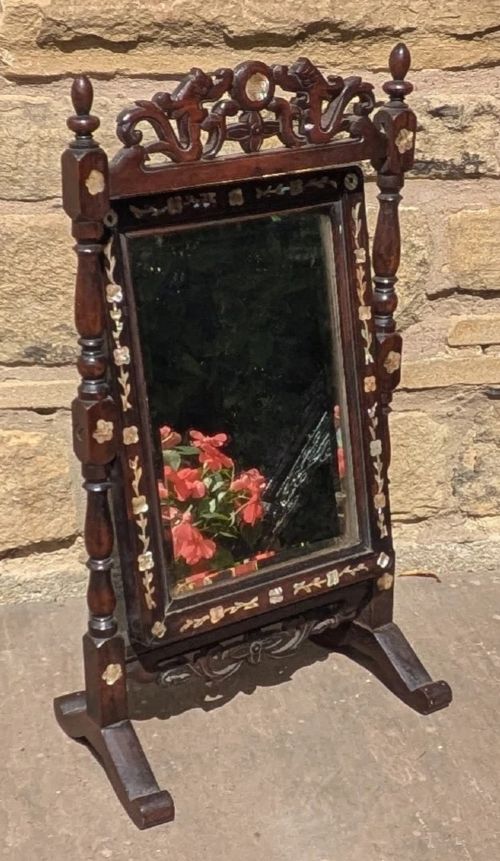
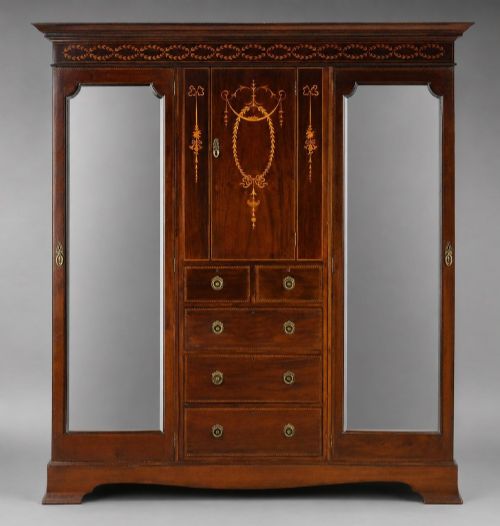
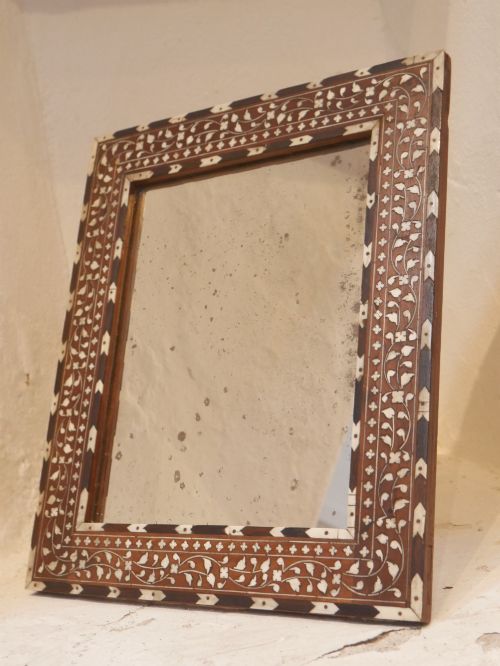
A dark wood inlaid mirror combines deep natural timbers with contrasting decorative motifs, creating a striking focal point for domestic interiors. These items range from wall-mounted pieces to dressing mirrors and overmantel designs originating across the Victorian, Edwardian and Georgian periods.
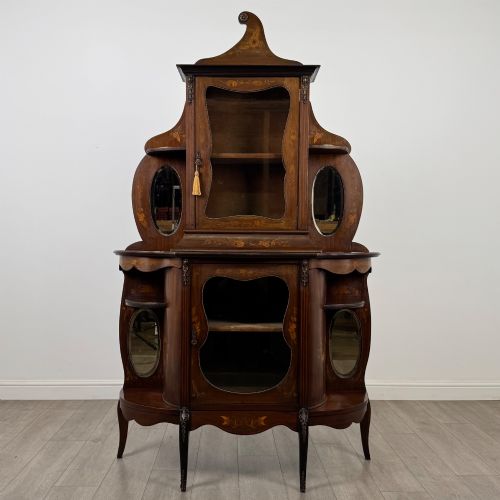
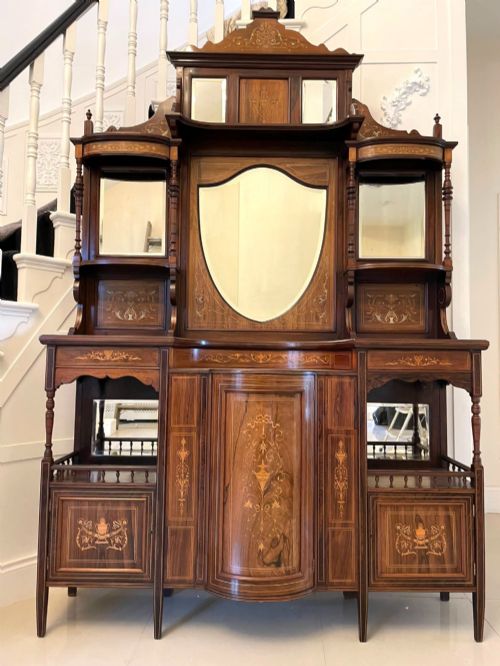
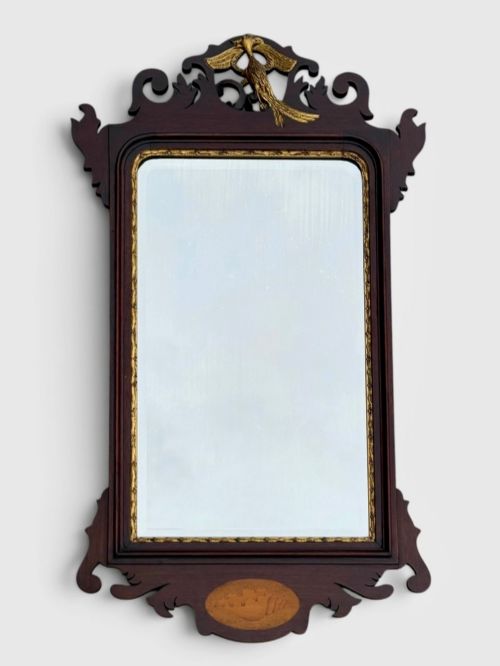
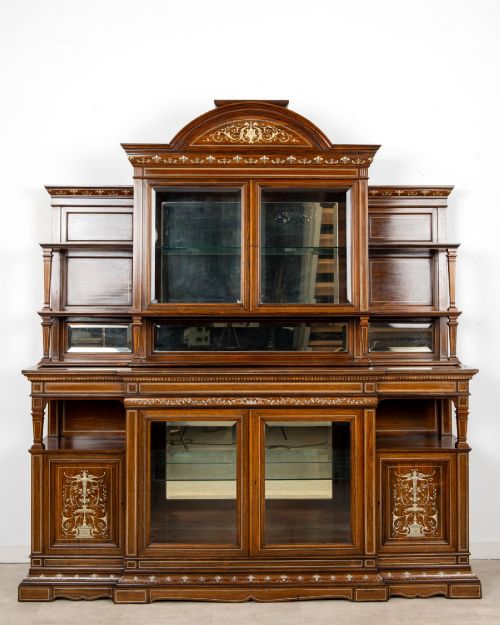
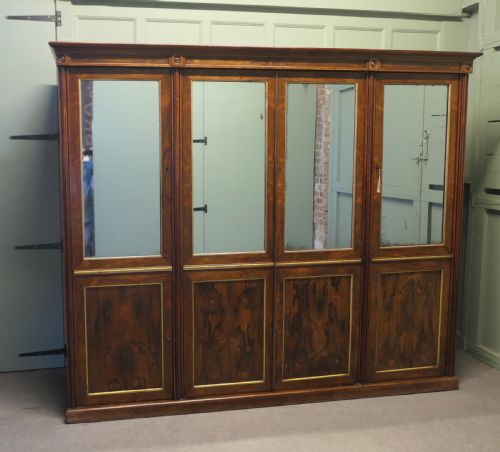
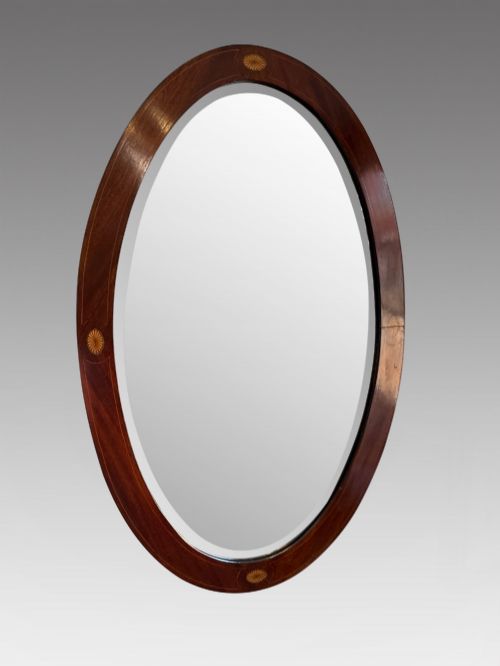
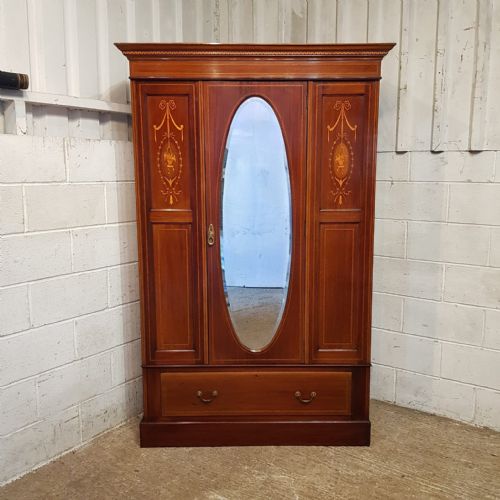
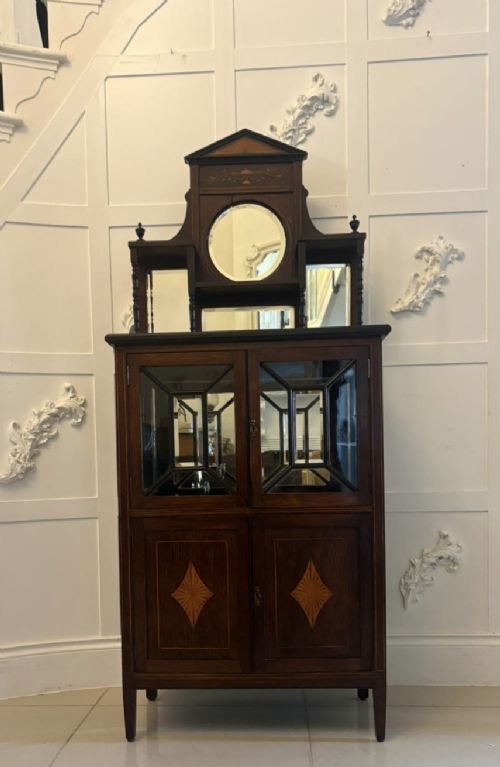
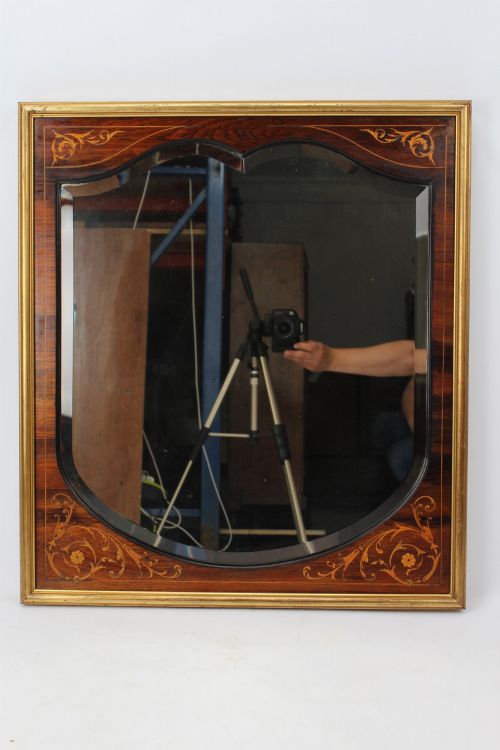
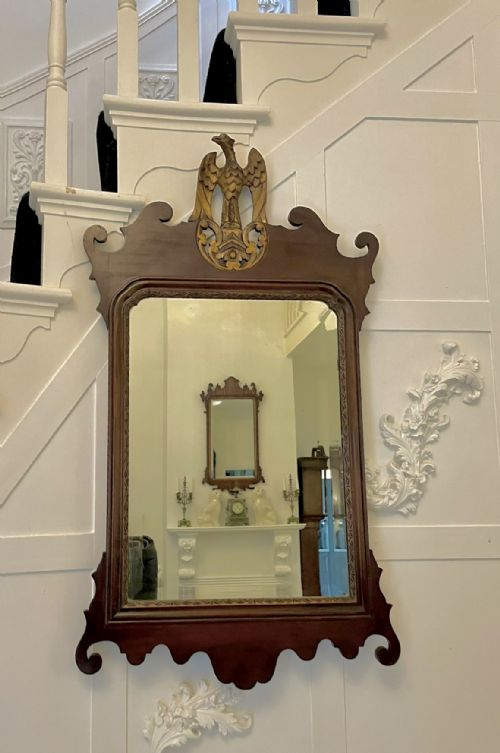
The version most commonly met on this page is the Edwardian or Victorian wall mirror in mahogany or rosewood, frequently enhanced by delicate marquetry or brass detailing. Buyers select them for their period character, warm grain patterns and ability to reflect light in hallways, bedrooms and reception spaces.
How they were made
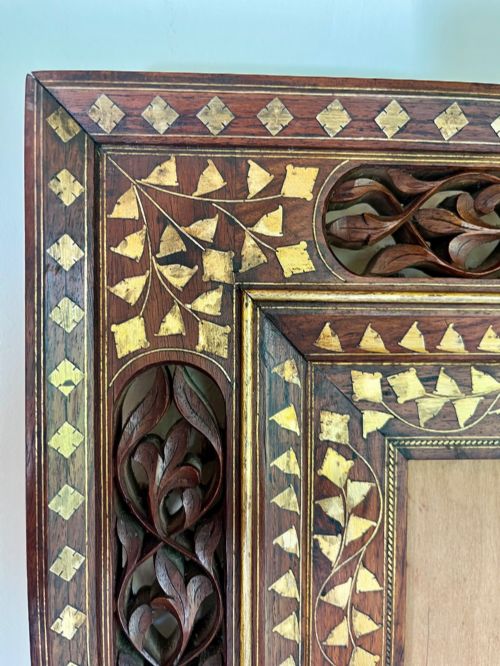
Cabinet makers utilised dense hardwoods such as mahogany, rosewood and walnut as the primary structural body for these mirrors, providing a stable and durable frame. Craftsmen then applied contrasting wood inlay, satinwood, bone or mother of pearl to create geometric or floral patterns directly into the timber surface.
Reflective surfaces consist of traditional mirror glass set securely within fretted or moulded wooden frames, sometimes accompanied by applied brasswork or gilt touches. Joinery techniques from the nineteenth and early twentieth centuries ensure structural longevity through traditional framing and backing methods.
What varies in quality
The standard of a dark wood inlaid mirror depends significantly on the precision of the marquetry and the crispness of the timber carving. Finer examples display tightly fitted veneers and intricate multi-wood detailing without gaps, whereas simpler items rely on printed or basic surface decoration.
The choice of primary timber and secondary stringing also dictates the level of refinement, with rich rosewood and figured mahogany commanding higher visual presence. Original mirror glass with genuine period silvering further distinguishes an exceptional piece from later replacements.
Collinson & Lock·Wylie Lochhead
The Dark Wood Inlaid Mirror Glossary
- Marquetry
- Decorative veneer work forming pictures or geometric patterns by fitting together small pieces of different woods.
- Satinwood
- A durable yellowish timber utilised for contrasting inlay work and stringing on dark wood furniture.
- Overmantel
- A large mirror designed specifically to hang on the wall above a fireplace mantelpiece.
- Fretted
- Woodwork cut through with ornamental patterns using a fretsaw to create openwork frames.
- Shisham
- A durable Indian timber often used in traditional Hoshiarpur inlaid mirror construction.
Dark Wood Inlaid Mirror: Frequently Asked Questions
How do I hang a heavy antique wall mirror safely?
Heavy period mirrors require robust wall fixings secured directly into brickwork or sturdy wall studs rather than plaster alone. Using a professional mirror hanging wire or heavy-duty brackets matching the weight of the timber frame ensures safe wall mounting.
Position the mirror at a height that balances the room furniture below it, typically centred at eye level to maximise light distribution and reflection.
What is the difference between Victorian and Edwardian mirrors?
Victorian mirrors generally feature deeper, darker timbers such as rosewood and heavily figured walnut, often accompanied by elaborate marquetry and gilt highlights. They lean towards rich, dense ornamentation suited to formal nineteenth-century interiors.
Edwardian pieces tend to display lighter mahogany or satinwood frames with more restrained, elegant inlay patterns reflecting a shift towards airier domestic spaces.
How should I clean and maintain antique wood and glass?
Dust timber frames regularly with a soft, dry cloth to prevent dirt accumulation in the carved details and delicate marquetry. Avoid modern chemical polishes that can degrade old wax finishes and harm the surrounding inlay work.
Clean the mirror glass using a minimal amount of glass cleaner applied directly to a cloth rather than the glass, ensuring liquid does not seep behind the historic silvering.
Are these mirrors suitable for modern bathrooms?
Historic dark wood mirrors require careful placement away from excessive moisture and steam found in typical bathrooms. High humidity can cause the timber to warp, veneer to lift, and moisture to damage the original mirror backing.
Dry hallways, bedrooms and living rooms remain the ideal environments for preserving the delicate woods and historic glass of these pieces.