
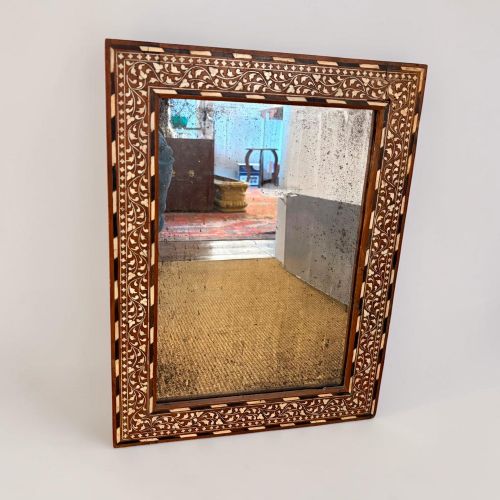
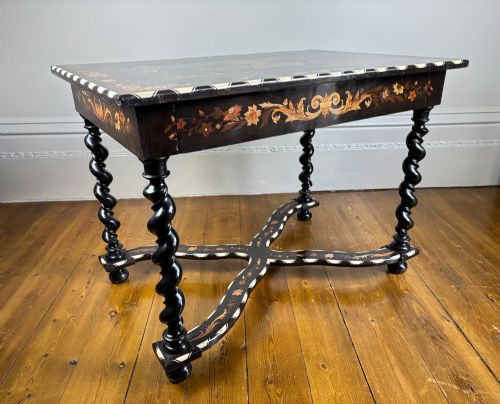
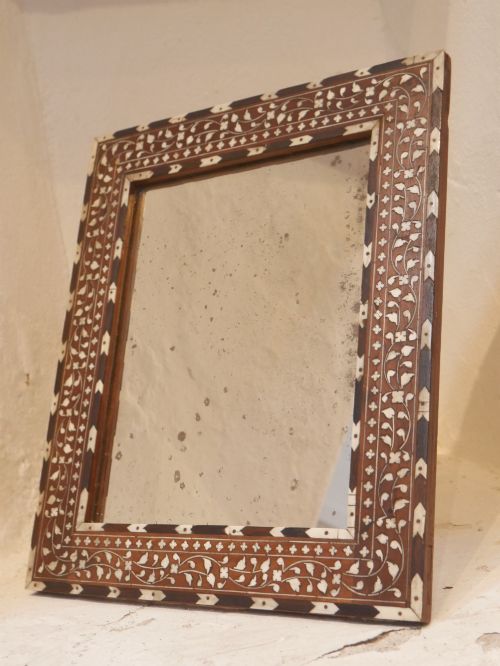
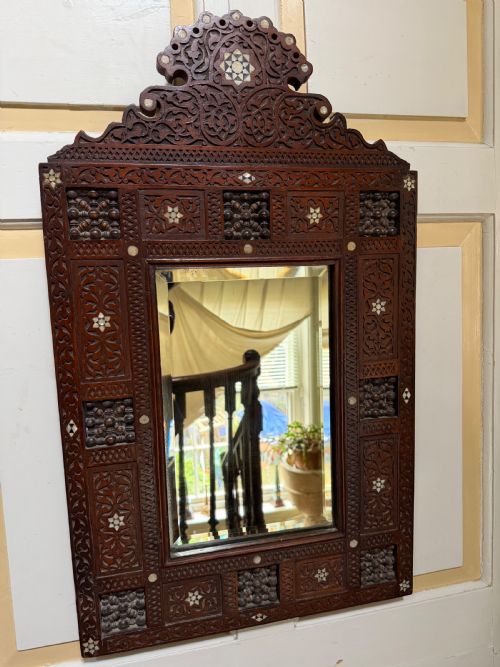


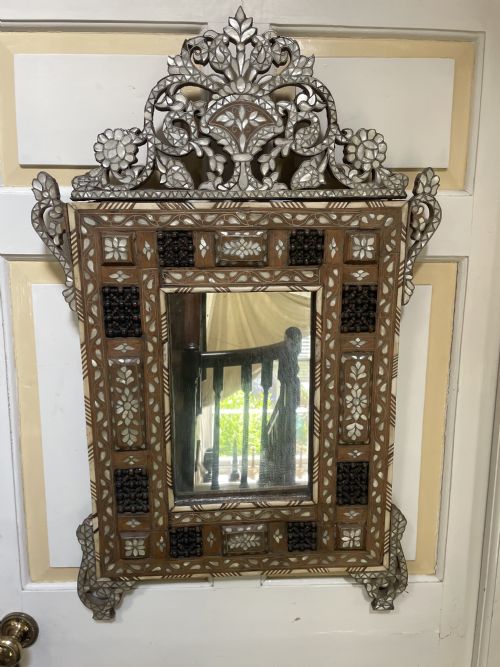


Antique Bone Inlaid Frame
An antique bone inlaid frame brings intricate craftsmanship and striking geometric patterns to a room, offering a tactile focal point rooted in global design traditions.
Antique Bone Inlaid Frame
When you search for an antique bone inlaid frame, you encounter a variety of decorative objects ranging from wall mirrors to side tables and accent chairs. These pieces often originate from distinct regional workshops across the nineteenth century, reflecting global trade and historical revival styles.
The most common formats on this page are wall mirrors and occasional seating such as armchairs and side tables. These items incorporate detailed surface decoration that defines their visual appeal.
Originating from periods spanning the nineteenth century into the early twentieth century, these pieces demonstrate diverse cultural influences including Anglo-Indian, Syrian, and various European revival styles. Each object displays a specific regional aesthetic tailored for domestic display.
Materials and construction methods
Construction relies upon dense timbers such as walnut, ebonised wood, and shisham, providing a sturdy substrate for ornamentation. Artisans meticulously shape these woods into structural frames and furniture carcasseries before applying surface decoration.
Intricate decorative elements utilise bone inlay and mother-of-pearl, sometimes accompanied by ivory or marquetry veneers. These organic materials are carved into geometric or floral motifs and embedded precisely into the wooden matrix.
Hip-joint chairs offer a clever folding mechanism disguised by elaborate historic joinery.
Assessing craftsmanship and design
Quality rests upon the precision of the inlay work and the harmony of the overall design. Superior examples display tightly fitted bone segments with minimal filler, whereas simpler pieces show wider gaps between individual tesserae.
The complexity of the regional style also dictates distinction, as elaborate Anglo-Indian or Syrian geometric patterns require greater artisan time than plainer revival frames. The choice of underlying timber, such as figured walnut or ebonised surfaces, further separates standard production from finer work.
The Antique Bone Inlaid Frame Glossary
- Bone inlay
- A decorative technique where small pieces of carved bone are embedded into a wooden surface to create patterns. This method defines the primary aesthetic of these pieces.
- Marquetry veneers
- Thin slices of wood arranged in decorative patterns and applied to a substrate. These veneers complement the inlaid sections on certain tables and frames.
- Ebonised wood
- Timber treated to resemble ebony, providing a dark, contrasting background. This finish highlights the pale tones of the bone inlay.
- Mother-of-pearl
- An iridescent inner layer of mollusc shell used alongside bone for ornamentation. It adds reflective depth to the surface designs.
Antique Bone Inlaid Frame: Frequently Asked Questions
How do I clean an antique bone inlaid frame?
Dust the surface gently with a soft, dry brush to prevent dirt accumulation within the intricate crevices of the inlay. Avoid using liquid cleaners or harsh chemicals that could damage the organic bone and the surrounding timber.
Maintain stable humidity levels in the room to protect the wood and prevent the bone elements from loosening over time. Regular gentle care preserves the integrity of both the materials and the historic construction.
Where were these inlaid pieces made?
Many pieces originate from distinct international centres of craftsmanship, including Hoshiarpur in India and workshops in Damascus, Syria. Others reflect European revival movements produced during the nineteenth century.
Regional techniques and specific material combinations often point to the precise geographical origin of a given mirror or chair. Examining the decorative motifs helps identify these diverse cultural influences.
How do I hang a heavy inlaid mirror safely?
Ensure the wall fixings match the substantial weight of dense woods like walnut and the added mass of bone ornamentation. Professional mirror hangers utilise heavy-duty brackets distributed securely across the structural frame.
Check that the hanging wire or strap attached to the back is robust and properly anchored into the timber. Secure mounting protects both the antique frame and your wall.
What styles are common among these frames?
Common styles include Anglo-Indian Hoshiarpur designs and intricate Syrian or Middle Eastern patterns featuring geometric tessellation. European revival movements such as Dutch Baroque and Renaissance styles also appear.
These varied aesthetic movements demonstrate the cross-cultural exchange of decorative arts throughout the nineteenth and early twentieth centuries. Each style brings a distinct visual character to domestic interiors.