


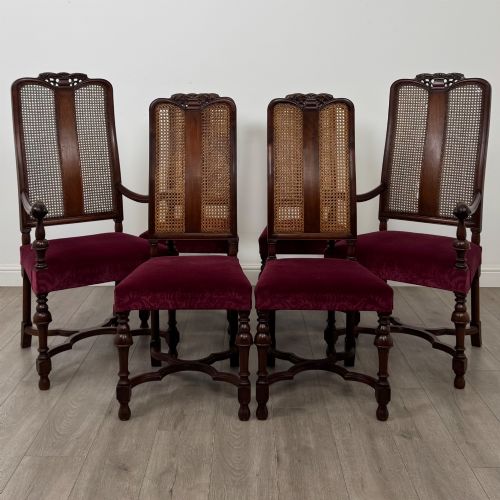
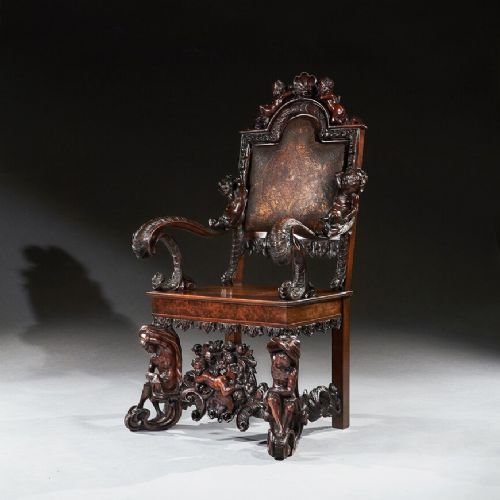
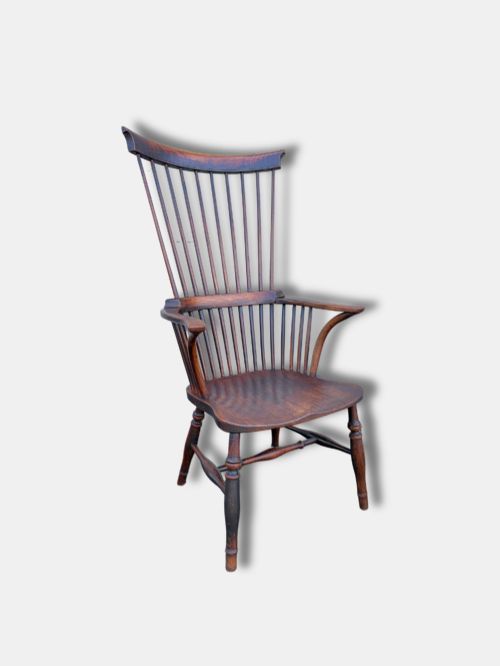
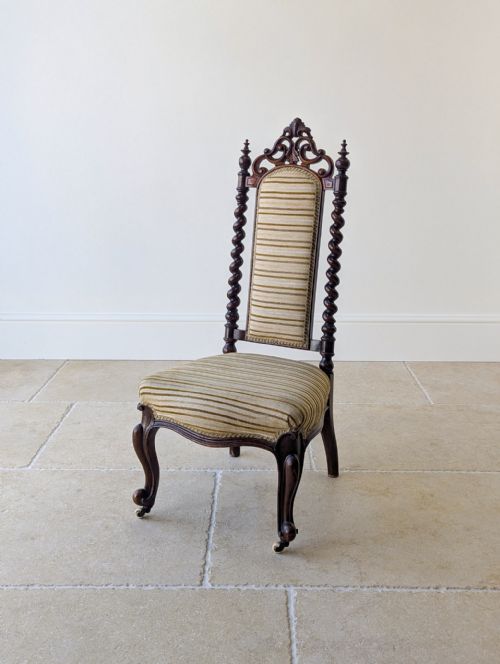
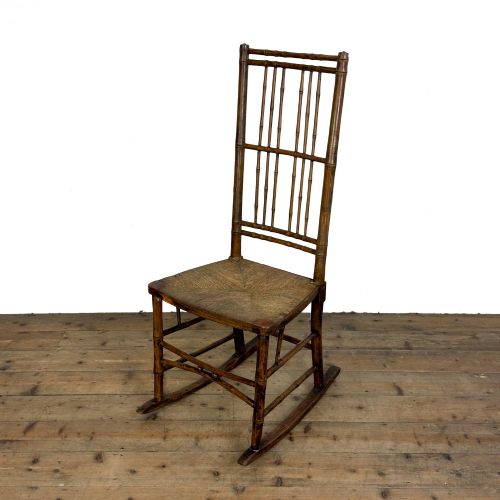

Dark Wood High Chair
A dark wood high chair is a sturdy piece of children's seating built to elevate a child to table height using traditional timbers.
Dark Wood High Chair
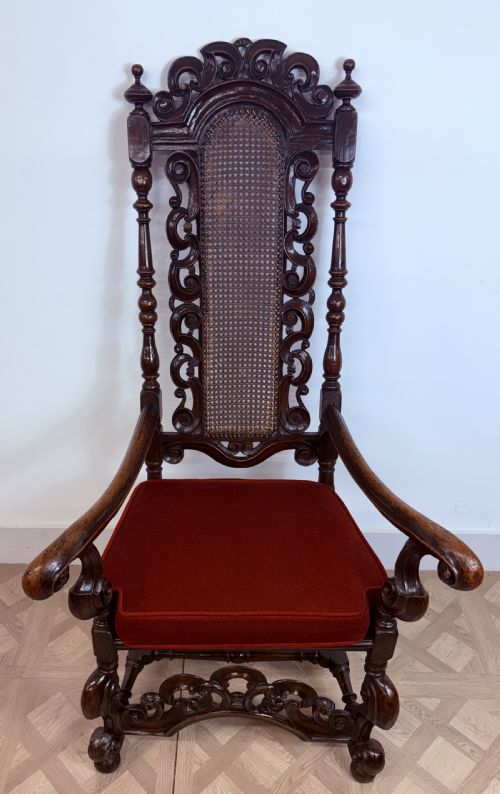
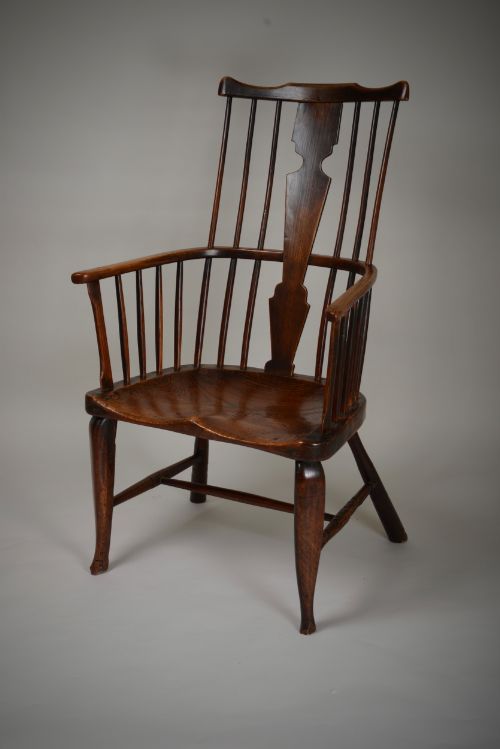
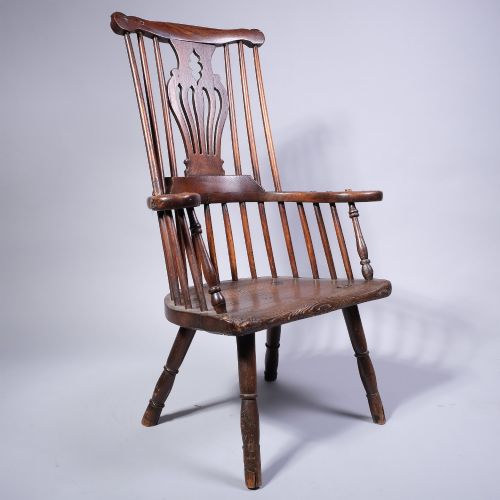
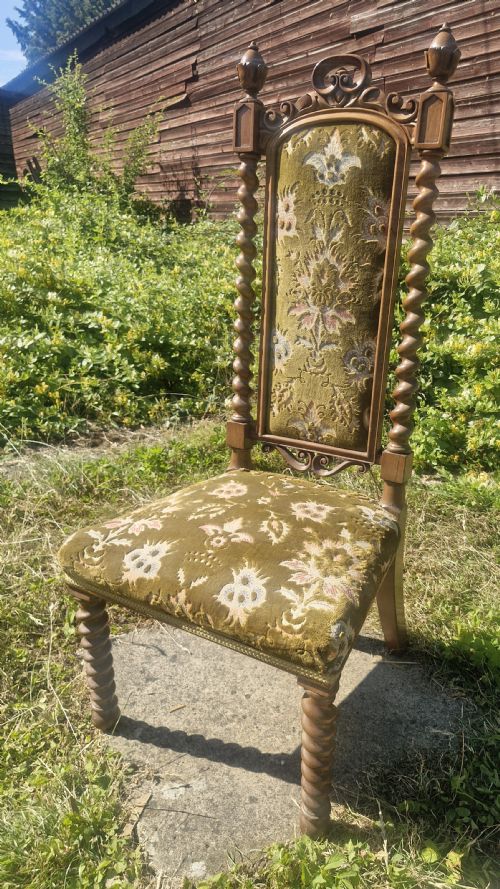
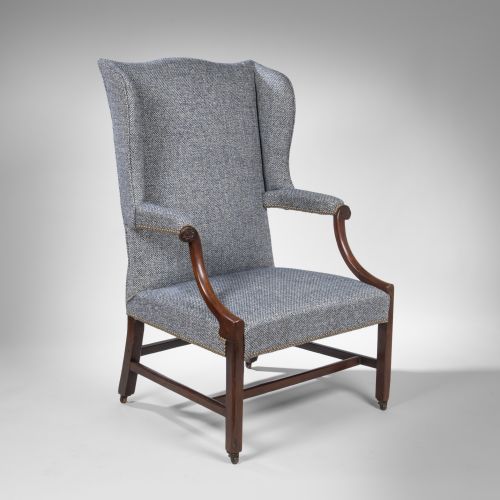
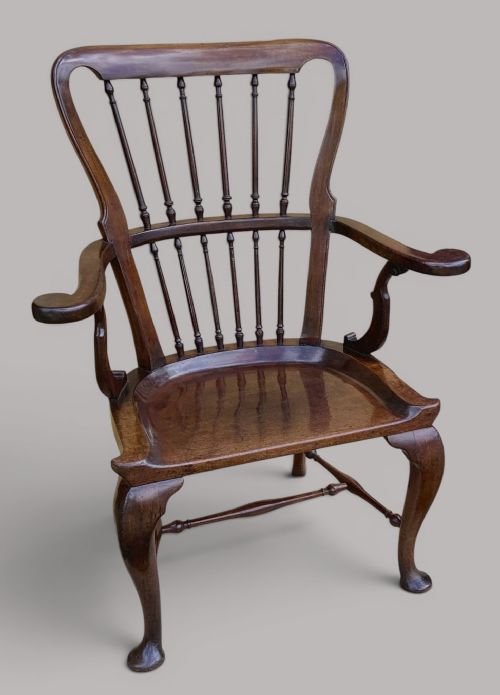
When you search for a dark wood high chair, you encounter forms that span the Georgian and Victorian eras, utilising dense timbers like elm, oak, and ash. Many examples on this page reflect vernacular regional seating traditions, including comb-back and hoop-back Windsor designs adapted for domestic children's use.
The materials and proportions often mirror adult country chairs of the eighteenth and nineteenth centuries, scaled down for smaller occupants. Such pieces combine practical height with robust joinery to withstand daily nursery life.
Construction and materials
Maker traditions rely on combining contrasting native timbers, typically pairing elm seats with ash or oak spindles and legs. This method harnesses the toughness of elm for the seat while utilising flexible woods for steam-bent backs.
Joinery techniques involve wedged tenons and traditional pegging to secure uprights firmly into solid plank seats without relying on metal fasteners.
Historic juvenile seating often bears the tiny indentations of restless heels drumming against the footrest during long Sunday suppers.
Assessing quality in dark wood high chairs
Quality rests upon the crispness of the turning on spindles and legs, alongside the depth of patina developed by the timber over centuries of use. Superior pieces display thoughtful integration of footrests and safety barriers that complement the main structural frame rather than detract from it.
The balance of proportions dictates overall success, where a smaller seat retains the harmonious sweep of a full-size vernacular armchair without appearing clumsy.
James Shoolbred & Co.·Duncan McKellar·Andrea Brustolon·William Morris
The Dark Wood High Chair Glossary
- Comb back
- A Windsor chair design where the vertical spindles extend upward to pierce a horizontal top rail, resembling the teeth of a comb. This construction offers robust back support.
- Hoop back
- A continuous steam-bent rail forming the arms and upper back of a chair in a single flowing curve. It provides structural strength to country seating.
- Vernacular
- Objects designed by local craftsmen for everyday use rather than following strict classical academic styles. These pieces rely on regional materials and practical utility.
- Spindle
- A slender, lathe-turned wooden rod used to fill the back or sides of a chair frame. Turnings can range from simple plain cylinders to complex vase shapes.
Dark Wood High Chair: Frequently Asked Questions
What periods do these high chairs come from?
The listings span from the eighteenth century through the Victorian era, capturing both Georgian country workshops and later nineteenth-century revival movements.
Craftsmen during these periods utilised local hardwoods to construct sturdy juvenile seating following established adult Windsor and vernacular traditions.
How were children's chairs constructed differently?
Makers scaled down full-size vernacular armchair designs while maintaining traditional joinery methods such as wedged leg tenons and steam-bent back rails.
These smaller pieces frequently incorporated enclosed seat surrounds or added footrests to keep children secure at dining tables.
Which woods are most common?
Elm, ash, and oak dominate the construction of these country pieces, often selected for their strength and resistance to splitting under heavy use.
Makers frequently combined timbers within a single chair, using dense elm for solid plank seats and flexible ash for turned spindles.
How do I care for antique dark wood?
Maintain the timber by applying natural beeswax sparingly to nourish the surface and preserve the historic patina developed over generations.
Keep pieces away from direct heat sources and sudden humidity changes to prevent timber movement and cracking in the dry joints.