

Dark Wood Gothic Cupboard
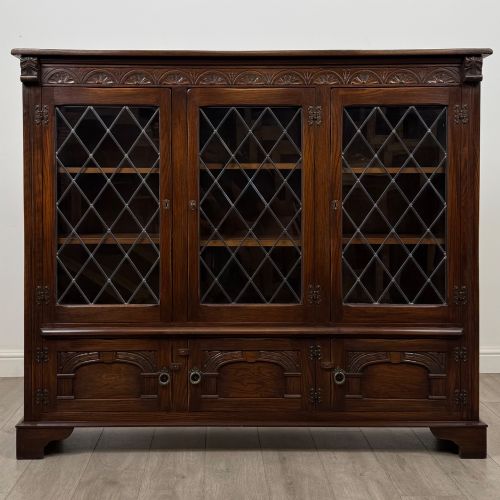
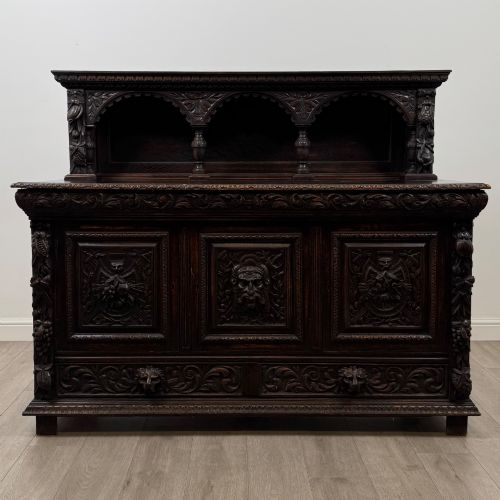
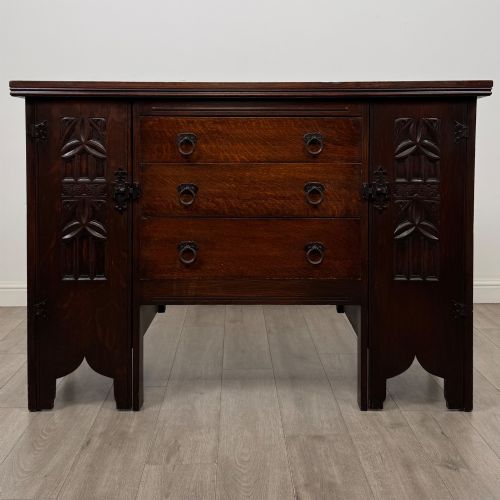
A dark wood gothic cupboard brings centuries of sombre architectural form and rich timber into a room.
Dark Wood Gothic Cupboard
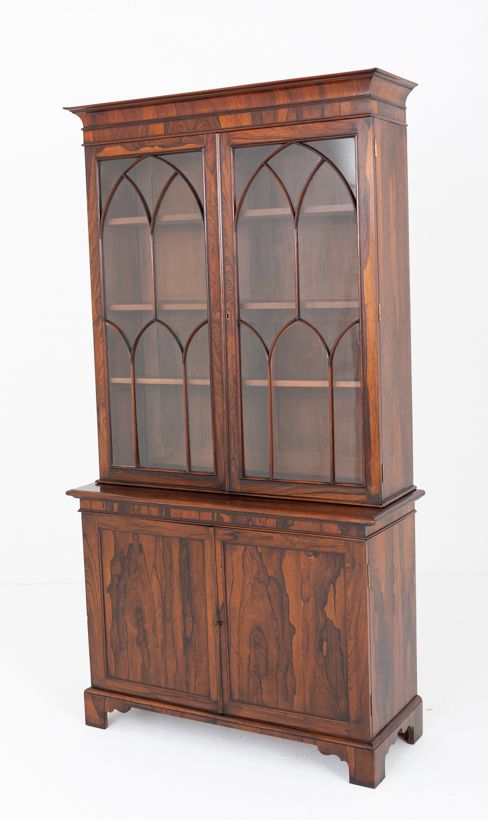
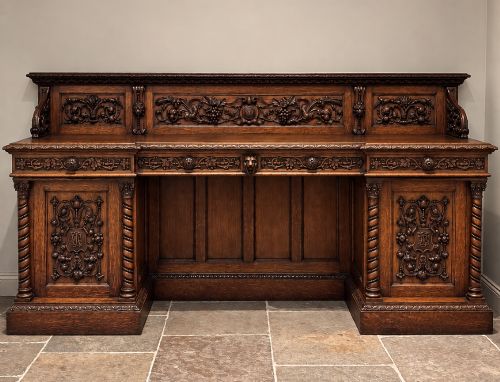
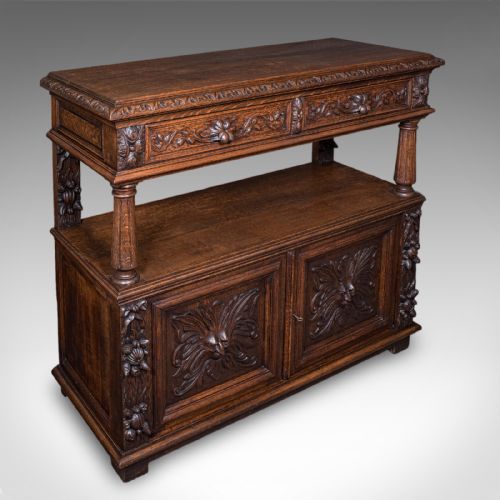
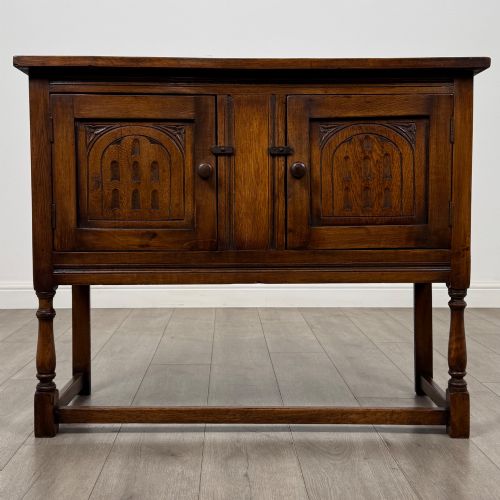
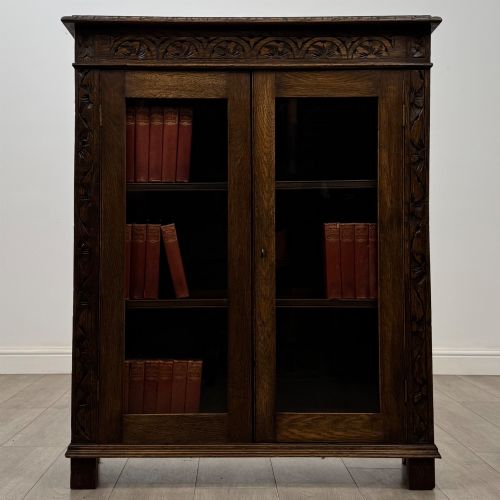
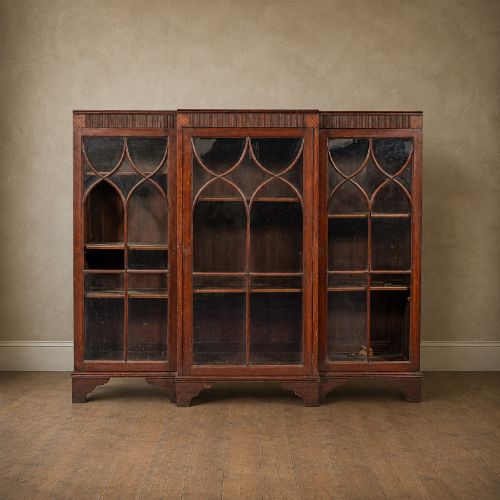
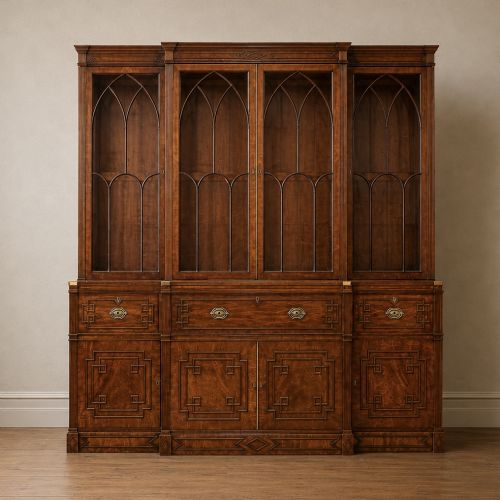
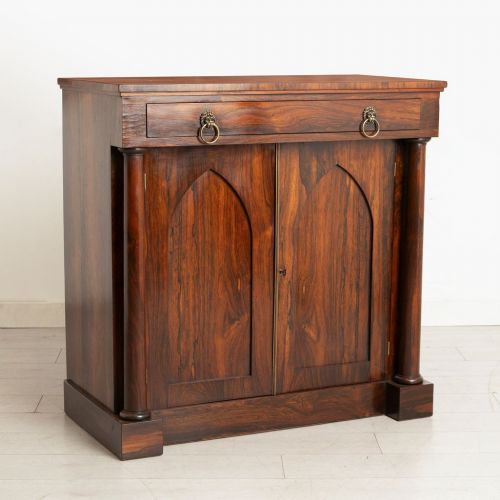
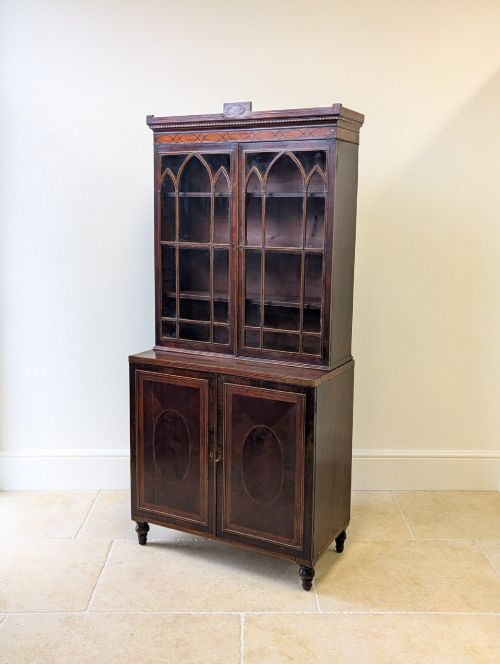
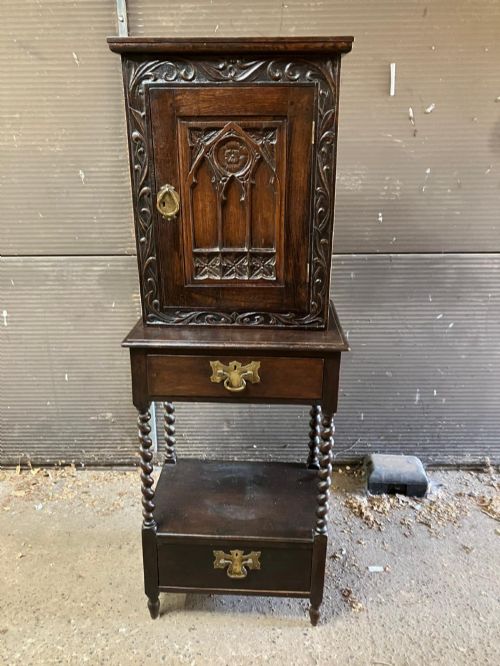
A dark wood gothic cupboard encompasses sturdy oak sideboards, carved display cabinets, and tall bookcases spanning the Victorian, Edwardian, and nineteenth-century periods.
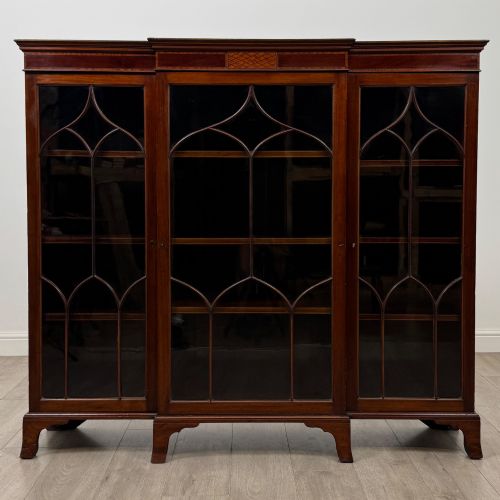
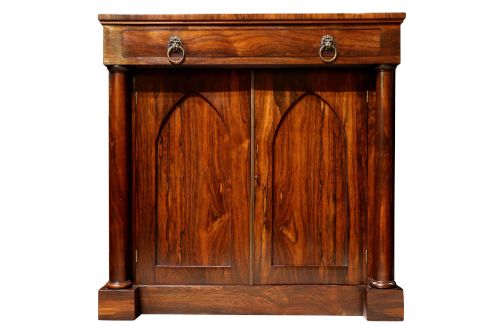
Most examples appearing here lean into Gothic Revival, Jacobean Revival, or Victorian styles, often displaying pointed arch panelling and heavy cornices.
Forms range from small hall cupboards to large breakfront libraries and sideboard buffets constructed in robust timbers.
How they were made
Makers relied primarily on solid oak and rich mahogany, frequently complemented by glass panels, brass hardware, and iron fittings.
Construction techniques involve deep relief carving, pegged joinery, and turned wooden details that give these dark timber pieces their architectural depth.
Listings feature oak, mahogany, rosewood, walnut, and padouk across periods from the Georgian era through to the nineteen-thirties.
What varies in quality
The standard of a dark wood gothic cupboard rests on the crispness of the hand-carving and the selection of dense, figured timber.
Superior execution shows in balanced proportions, intact original hardware, and refined joinery rather than mass-produced uniformity.
Jas Shoolbred·Gillows
The Dark Wood Gothic Cupboard Glossary
- Breakfront
- A piece of furniture where the centre section projects forward from the flanking wings. This format creates distinct visual depth on large bookcases and sideboards.
- Chiffonier
- A compact sideboard or low cabinet equipped with shelves or enclosed storage. These pieces gained popularity during the Regency and Victorian eras.
- Green Man
- A sculptural architectural motif depicting a human face disgorged from foliage or vines. This pagan symbol frequently decorates nineteenth-century carved oak furniture.
- Creedence Cabinet
- A medieval-style side table or small cupboard historically used for inspecting food or drink for poison. Revival versions appeared across the nineteenth century.
- Strawberry Hill Gothic
- An early, playful style of Gothic Revival architecture and design popularised by Horace Walpole. Pieces in this taste often feature delicate tracery.
Dark Wood Gothic Cupboard: Frequently Asked Questions
Where did people place these cupboards?
These cupboards stood primarily in formal reception rooms, libraries, and grand dining spaces where their dark wood presence anchored the interior.
Smaller corner cabinets and hall cupboards suited narrow passages and parlour corners, offering practical storage for everyday items.
How do I identify a Gothic Revival piece?
Look for architectural details such as pointed lancet arches, trefoil or quatrefoil tracery, and heavy carved mouldings.
Dark timber finishes, especially oak and walnut, enhance the medieval monastic character typical of this design movement.
Are these cabinets purely decorative?
While their ornate carved doors and glass display sections make a strong visual statement, they remain highly functional storage furniture.
Deep shelves and enclosed lower cupboards accommodate books, tableware, and household collections with ease.
What woods were used most often?
Oak dominates this category, prized for its strength and suitability for deep relief carving.
Mahogany, rosewood, and walnut also appear frequently, particularly on pieces influenced by Regency and Victorian cabinet-making traditions.