
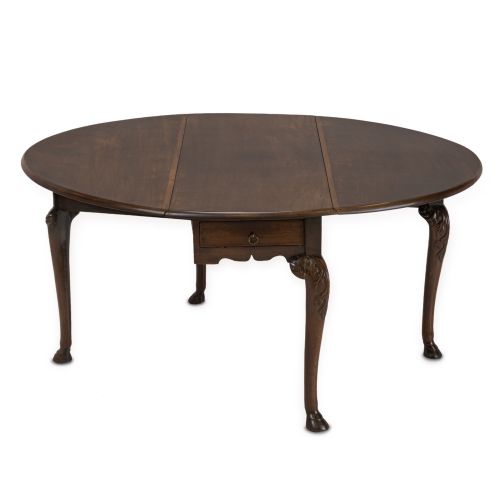
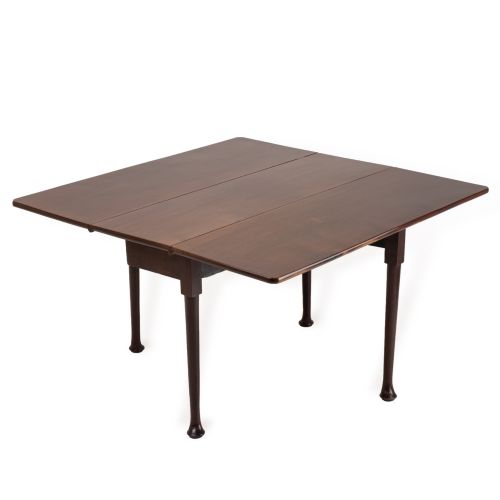
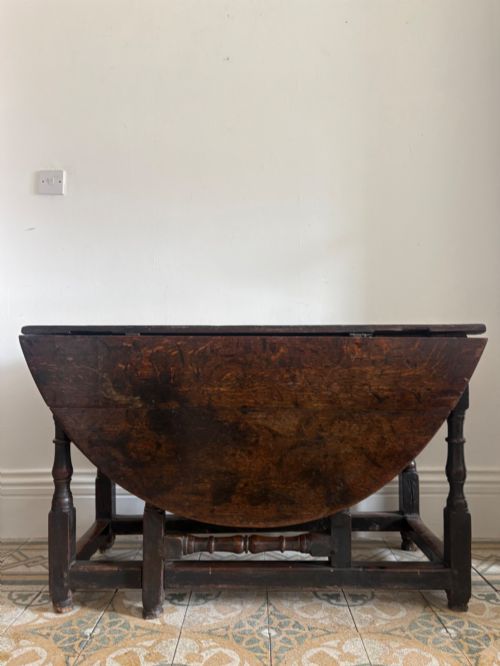


Dark Wood Gateleg Table
A dark wood gateleg table brings versatile folding surfaces and rich timber into a room with understated architectural presence.
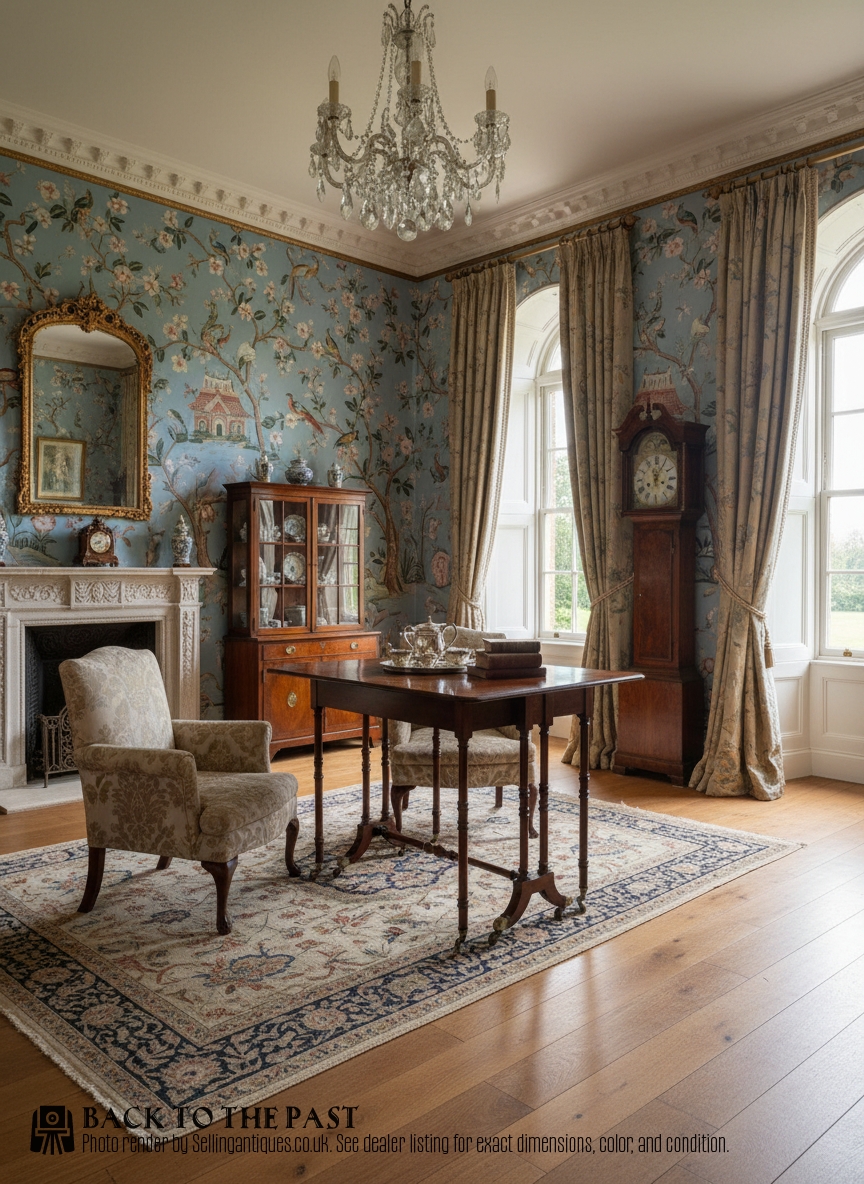
What a dark wood gateleg table is
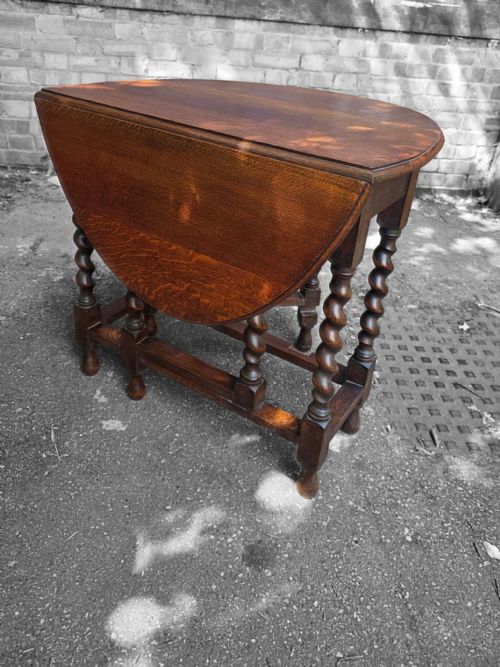
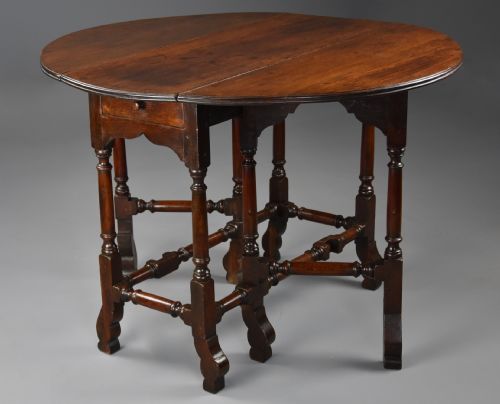
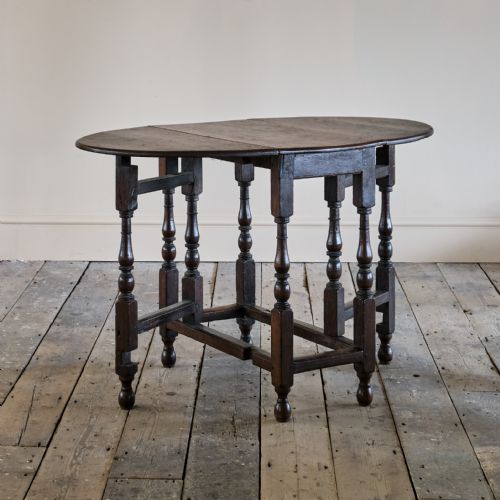
A dark wood gateleg table provides a practical folding surface supported by hinged legs that swing outward to hold up the drop leaves. These pieces appear across several distinct periods, ranging from the seventeenth century and the Georgian era through to the early twentieth century.
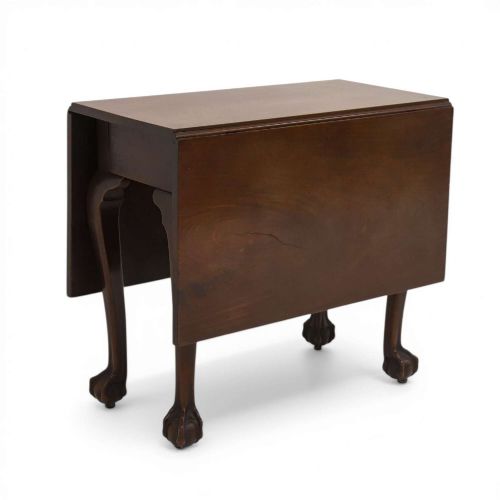
The selections available here include oak, walnut, and mahogany examples spanning formats such as compact occasional tables, spider leg drop-leaf tables, and large dining tables. Buyers frequently encounter oval or drop-leaf designs shaped by Jacobean Revival, William and Mary, and George III influences.
How they were made
The construction relies heavily on sturdy timbers like oak, walnut, and mahogany, shaped into robust frames with hinged drop leaves. Joinery techniques connect the swinging gatelegs to the central fixed underframe, allowing the leaves to fold down neatly when not in use.
Maker details incorporate turned supports such as barley twist legs alongside slender spider leg configurations, supplemented by functional brass fittings and iron hardware where appropriate to secure the folding mechanisms.
Retail Price Guide 2026
Typical UK retail prices for dark wood gateleg table, calculated from the Sellingantiques database of over a million retail prices indexed since 2003. This retail price guide relies exclusively on Sellingantiques data; no external sources or auction records are used, so the figures do not describe the wider market.
These tables have spent centuries hiding extra legs just in case guests turn up for dinner.
What varies in quality
Quality shifts according to the selection of timber and the precision of the turning work on the legs. Fine examples demonstrate crisp carving and balanced proportions that maintain stability whether the leaves are raised or lowered.
The distinction between ordinary pieces and superior items rests on the integration of the drop-leaf mechanism and the integrity of the wood grain across the top surface.
The Dark Wood Gateleg Table Glossary
- Gateleg table
- A table with hinged leaves supported by legs that swing out like gates.
- Drop-leaf
- A hinged flap on a table top that can be folded down when space is needed.
- Barley twist
- A spiral turning resembling a twisted rope, commonly found on seventeenth-century and revival legs.
- Spider leg
- A style featuring very slender turned supports, seen on lightweight occasional tables.
- George III
- A British design period spanning the latter half of the eighteenth century and early nineteenth century.
Frequently Asked Questions
What is a dark wood gateleg table used for?
These tables function as flexible furniture pieces that adapt easily to changing spatial needs in a home. With the leaves dropped, they serve as console or occasional surfaces against a wall.
When fully opened, they provide substantial dining space while retaining the warm character of dark timber.
How do I date a gateleg table?
Dating relies on observing timber choices, leg turning styles, and overall construction methods. Seventeenth-century and early pieces often feature heavy oak or walnut with distinct joinery.
Later Edwardian or revival iterations utilise mahogany and replicate earlier turning patterns like barley twists.
Where should I place a gateleg table?
These pieces fit comfortably in dining rooms, living areas, or hallways where floor space fluctuates. Placing them against a wall with both leaves down highlights the wood grain of the central top.
Swinging the leaves up allows the table to take centre stage for meals or gatherings.
How do the folding leaves work?
The mechanism depends on hinged flaps attached to a fixed central top, supported by one or more swinging legs. Moving these gatelegs outward locks the leaves into a horizontal position.
Swinging them back inward permits the leaves to drop securely against the sides of the base.