


Dark Wood Flower Table
A dark wood flower table brings organic warmth and height to a room, functioning as a plant stand, pedestal or small occasional table.
Dark Wood Flower Table
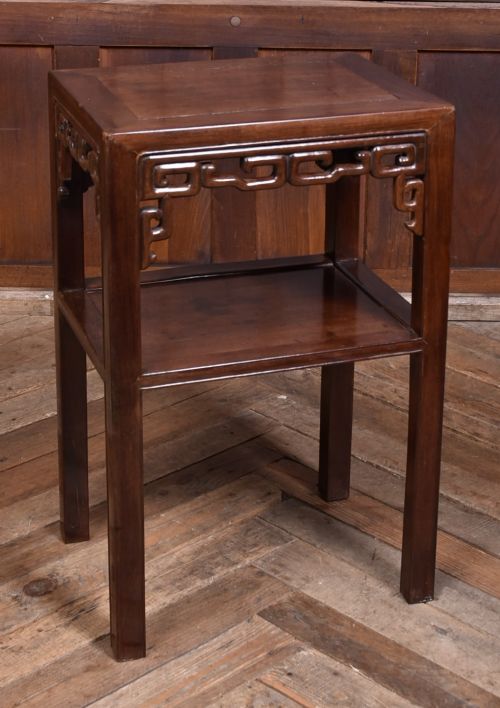
When searching for a dark wood flower table, buyers encounter a diverse selection of oriental and British pieces designed to elevate plants, vases and ornaments. The forms span plant stands, jardiniere stands, occasional tables, pedestals and side tables originating from the nineteenth and early twentieth centuries.
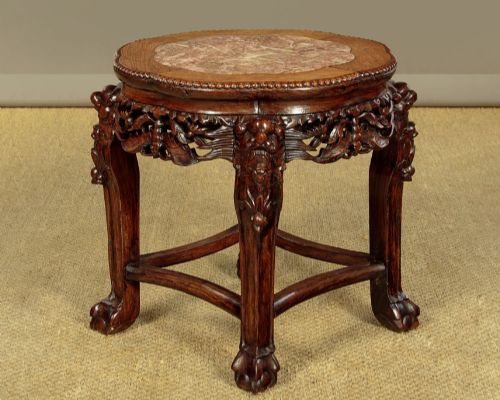
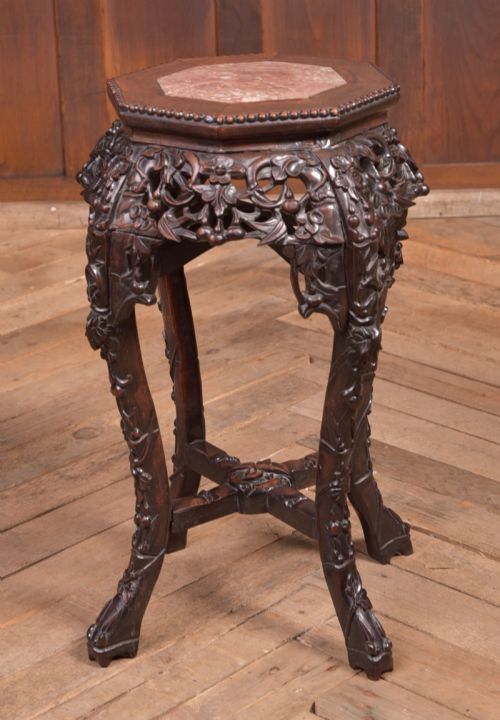
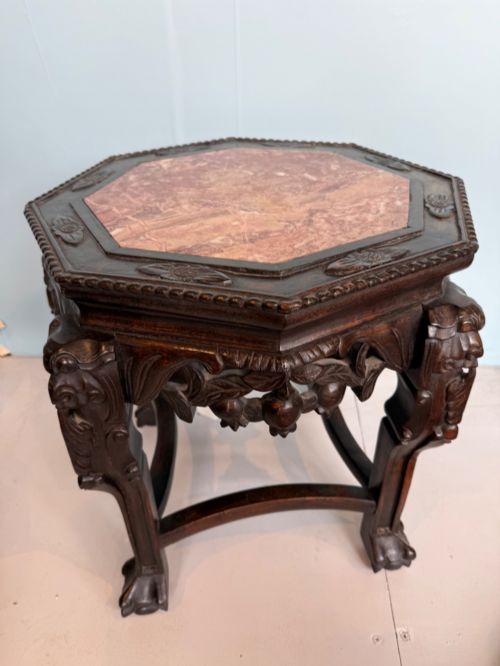
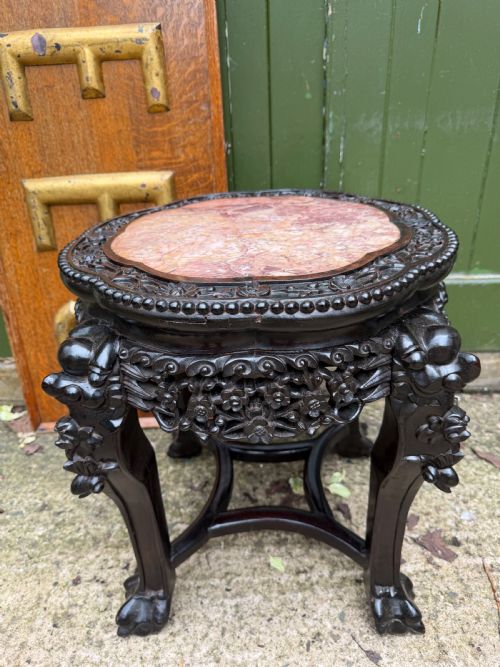
The most common examples on this page are Chinese hardwood and hongmu stands, often featuring carved details and inset marble tops. These pieces merge decorative utility with structural stability, providing a designated surface for botanical displays.
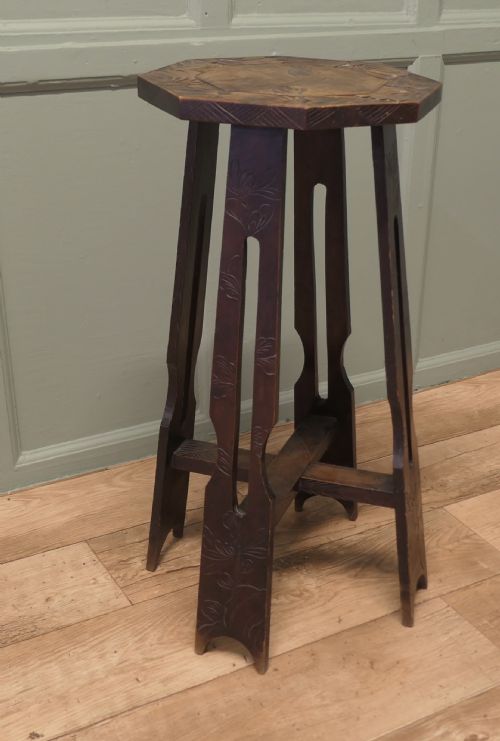
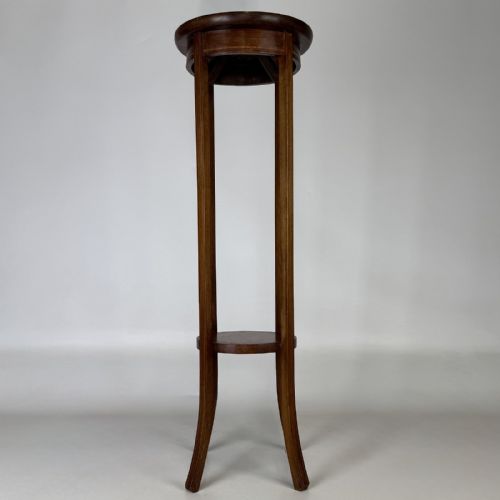
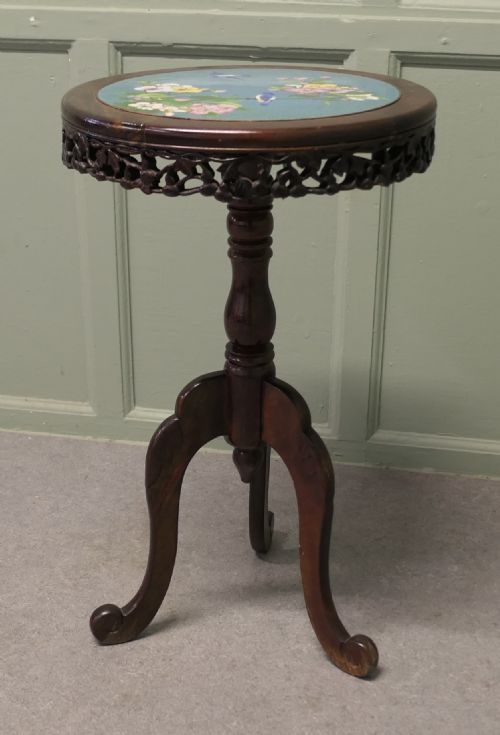
Alongside Asian imports, the selection includes British and Anglo-Indian works in mahogany, rosewood, walnut and ebonised wood. These range from simple occasional tables to tripod wine tables and console tables designed for domestic display.
Materials and construction
Cabinet makers utilised dense hardwoods such as hongmu, padouk and rosewood, alongside mahogany, walnut and oak. These timbers provided the structural strength needed to support heavy stone insets and weighted pots.
Many Asian stands incorporate hand-carved floral motifs and structural joinery that eschew metal fasteners. Insets of variegated rouge marble or hard stone provide a cool, durable surface resistant to water from plant pots.
British and European workshops applied ebonising, turning, and traditional joinery techniques such as barley twisting. Surfaces finished with lacquer or polish highlight the deep grain of the underlying timber.
Materials range from exotic padouk and hongmu to familiar British oak, walnut and mahogany.
Distinctions in quality
The standard of carving defines the upper tier of these pieces, separating mechanical output from deeply undercut, hand-chiselled botanical detail. Crisp relief work in dense hardwoods reflects greater time spent by the maker.
The integration of the marble or stone top dictates structural integrity. A tightly fitted inset with uniform margins demonstrates superior masonry and joinery compared to loose or poorly seated stone.
Selection of timber grain and the condition of the polish influence overall harmony. Heavy fading, dry timber or crude repairs diminish the aesthetic impact of the piece.
Liberty of London·Gillows
The Dark Wood Flower Table Glossary
- Hongmu
- A traditional Chinese term denoting dense, red hardwoods used in fine furniture. These durable timbers take a high polish and resist warping.
- Jardiniere stand
- A tall table or pedestal specifically built to hold a plant container or flower pot. They elevate greenery to eye level.
- Padouk
- A heavy, durable tropical hardwood with a distinct reddish hue that darkens with age. It appears frequently in nineteenth-century Chinese export furniture.
- Cloisonné
- An enamelwork technique where thin metal wires form compartments on a metallic surface to hold coloured paste. Pieces incorporate this to display floral motifs.
- Ebonised wood
- Timber treated with a chemical stain or black finish to imitate ebony. This treatment gained popularity during the Victorian period for decorative stands.
Dark Wood Flower Table: Frequently Asked Questions
What is a dark wood flower table used for?
These tables serve primarily as plant stands, jardiniere pedestals or small lamp tables. Their height and sturdy tops make them ideal for displaying potted plants, vases or decorative items without dominating a room.
They also function effectively in smaller spaces as occasional or wine tables. The raised surface brings greenery or decorative objects into the main field of vision.
Are marble top stands suitable for real plants?
Marble and hard stone insets provide an ideal, waterproof surface for live plants and flower arrangements. Spilled water or dampness from pots will not damage the stone insert.
However, owners should still use protective saucers to prevent water from reaching the surrounding wooden frame. Wiping the stone dry after watering preserves the integrity of the surrounding joints.
How do I care for antique hardwood furniture?
Maintain antique hardwoods by dusting with a dry, soft cloth and keeping them away from direct heat sources or strong sunlight. Excessive temperature fluctuations can cause timber to dry out and split.
Apply high-quality beeswax sparingly when the wood appears dry, buffing it to a soft sheen. Avoid modern silicone polishes, as they build up residue over time and harm traditional finishes.