
Dark Wood Dresser Cabinet
A dark wood dresser cabinet brings substantial storage and deep timber tones into a room, uniting utility with period craftsmanship.
Dark Wood Dresser Cabinet
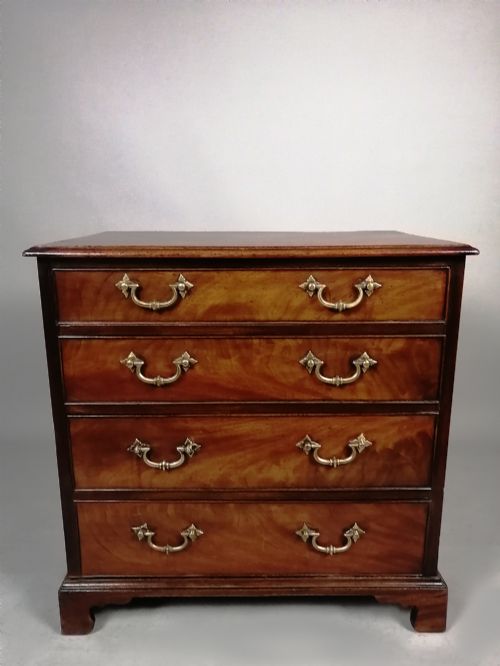
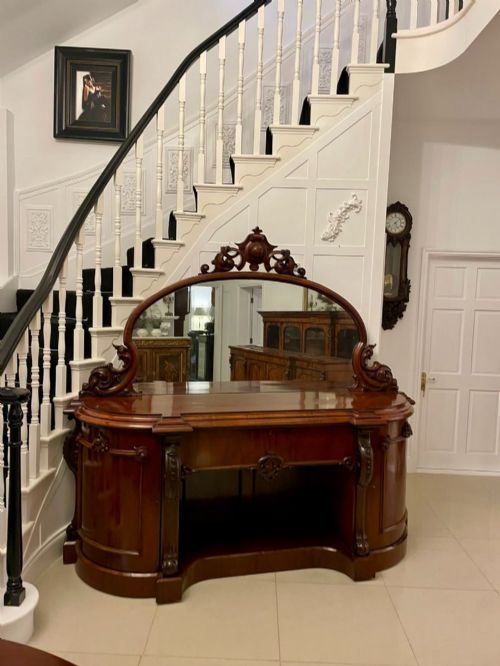
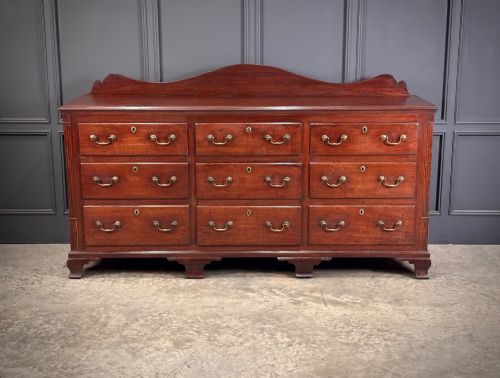
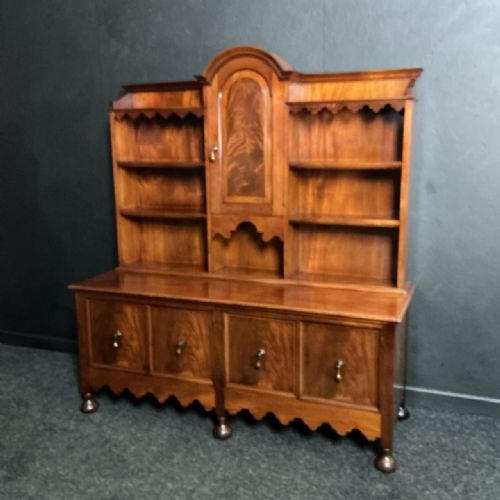
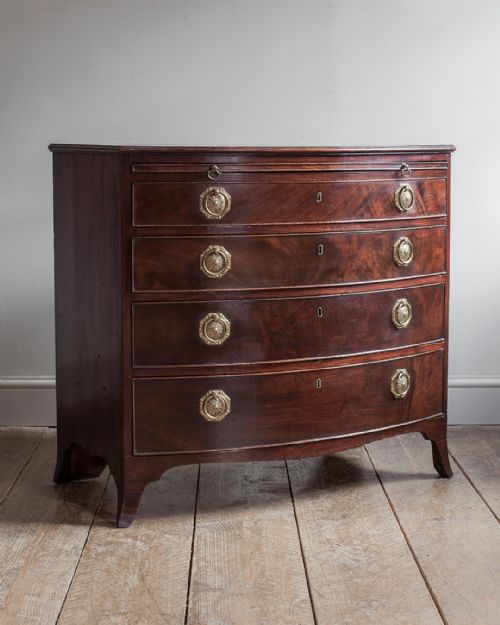
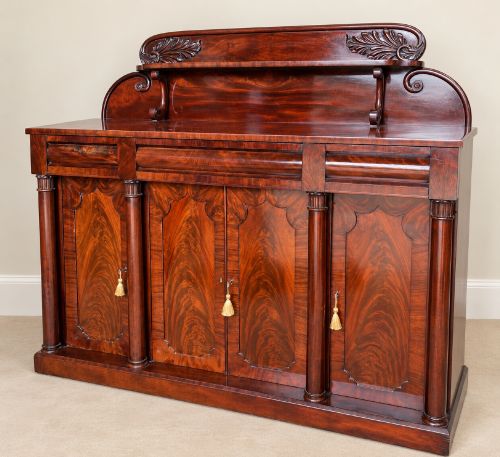
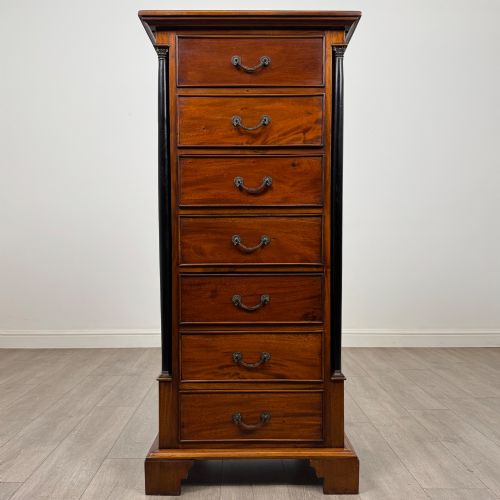
When you search for a dark wood dresser cabinet, you encounter sturdy storage forms ranging from Georgian chests of drawers and dresser bases to Edwardian sideboards and display cabinets. These pieces serve practical household needs through banks of drawers, glazed bookcases, and cupboards designed for dining and living spaces.
The selections span multiple centuries, showing the enduring appeal of heavy timber constructions from the eighteenth, nineteenth, and early twentieth centuries. Regional variations appear alongside revival styles such as Jacobean, Gothic, and French Renaissance.
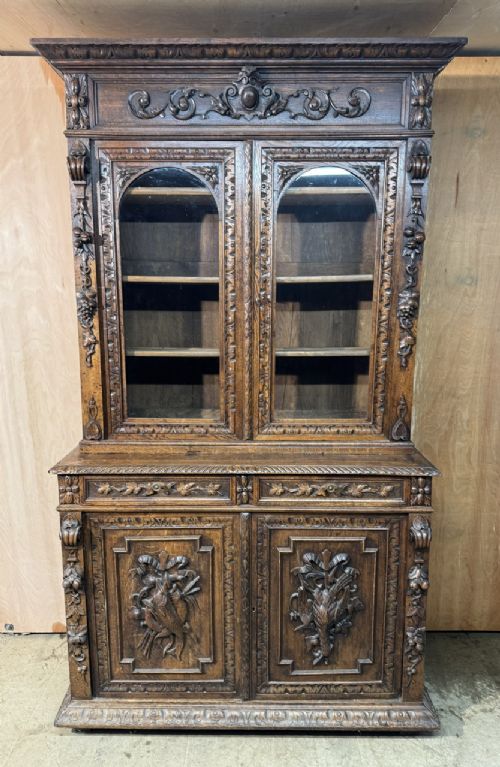
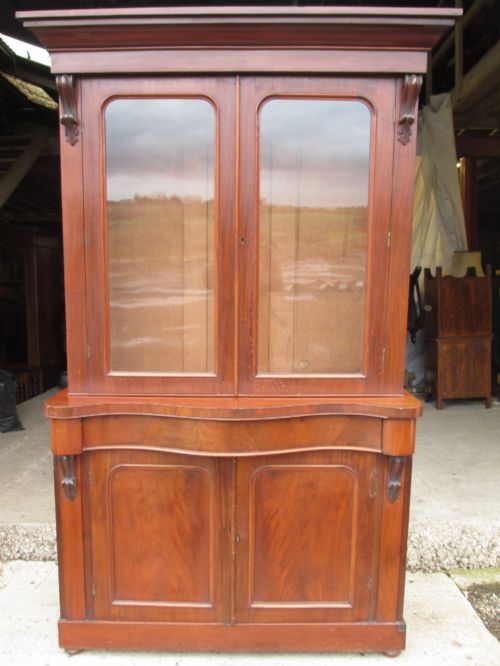
You are most likely to meet mahogany and oak examples from the Victorian and Edwardian eras on this page. These pieces often combine open display surfaces or glazed upper sections with spacious lower cabinets.
How they were made
Cabinet makers utilised dense hardwoods like mahogany and oak as the primary structural materials for these dark wood dresser cabinets. Selected pieces incorporate elm, pine, and exotic hardwoods alongside solid timber panels.
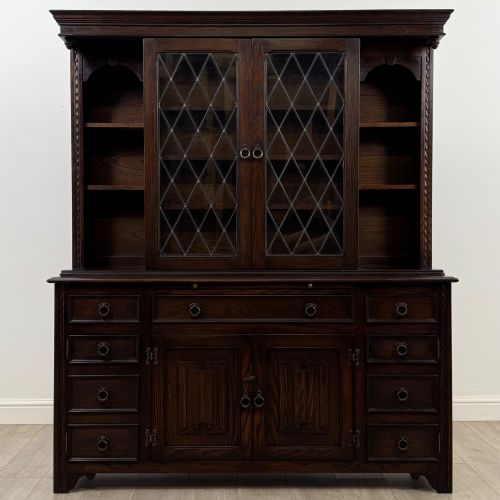
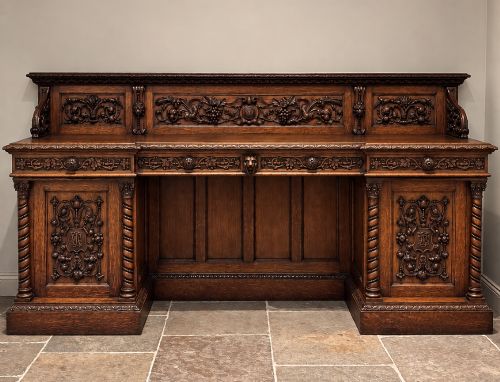
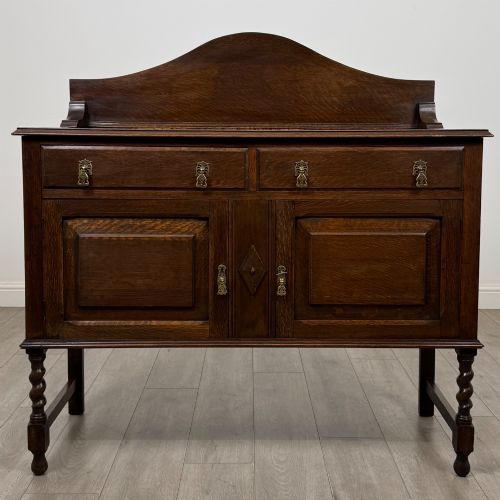
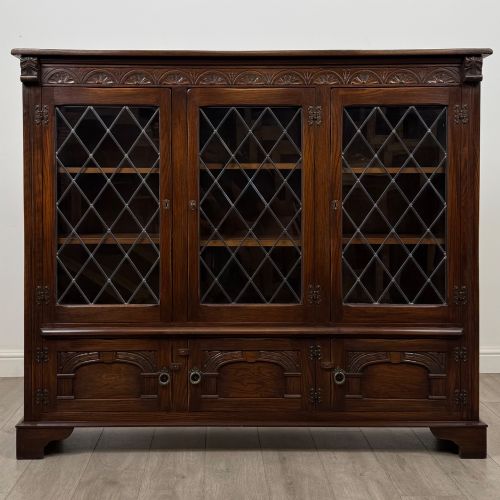
Construction techniques combine traditional joinery with decorative elements such as hand carving, barley twist turnings, and brass hardware. Glazed doors, lead framing, and mirrored backs further integrate glass and metal into the timber frameworks.
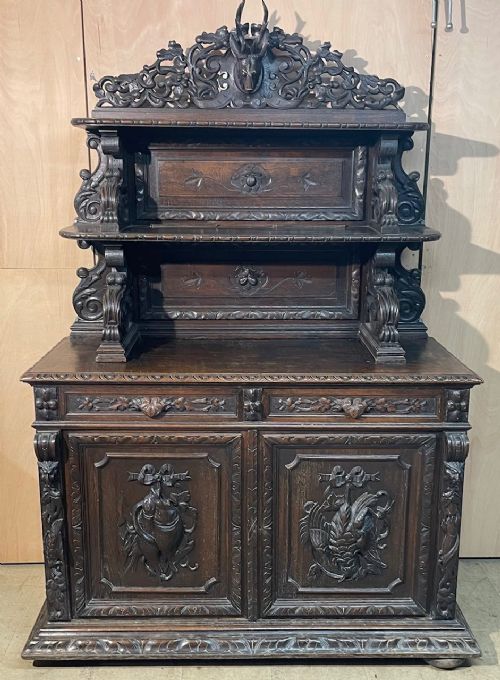
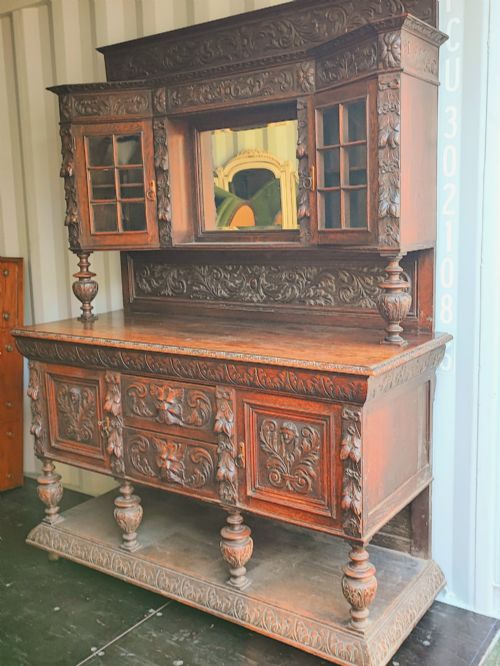
Several Victorian oak pieces feature watchful Green Man carvings peering out from the timber.
What varies in quality
The refinement of the carving and the selection of the timber grain distinguish the finer examples from standard production. Superior items display crisp relief work, such as Green Man motifs or elaborate foliate scrolls, executed directly into solid oak or mahogany.
Structural integrity and the retention of original fittings, including brass handles and glass panes, elevate certain pieces. The depth of the timber colour and the integration of secondary woods like elm demonstrate the maker's underlying skill.
The Dark Wood Dresser Cabinet Glossary
- Dresser base
- A lower storage unit featuring drawers or cupboards, historically used in kitchens and dining rooms for serving food and storing utensils.
- Bow front
- A convex, curved front profile found on chests of drawers and sideboards, popular during the Georgian and Regency periods.
- Barley twist
- A spiral turning technique applied to wooden legs and supports, characteristic of seventeenth-century style furniture revived in later periods.
- Secretaire
- A cabinet or chest incorporating a pull-down writing drawer fitted with small compartments and pigeonholes.
- Serpentine
- A furniture front characterised by a wavy contour with a convex centre flanked by concave curves.
Dark Wood Dresser Cabinet: Frequently Asked Questions
How do I date a dark wood cabinet?
Dating relies on identifying timber species, construction methods, and stylistic details recorded in the design. Georgian and Regency pieces show different proportions and joinery compared to later Victorian and Edwardian examples.
Hardware styles, secondary woods, and revival motifs also provide chronological markers for pieces spanning the eighteenth to twentieth centuries.
Where should I place a dresser base?
A dresser base fits well in dining rooms, living spaces, or hallways where substantial surface area and enclosed storage are required. Their long profiles suit placement against large interior walls.
Positioning them away from direct heat sources protects the antique timber and preserves the finish of the wood over time.
What is the difference between a sideboard and a dresser?
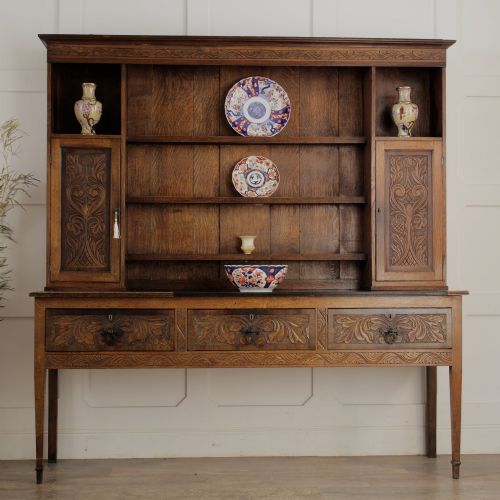
Sideboards generally function as serving and storage units with flat tops and lower cabinets or drawers. Dressers often combine lower cupboards with upper shelving or glazed bookcase sections.
Both forms utilise heavy woods like oak and mahogany to provide robust household storage.
How do I care for antique mahogany furniture?
Maintaining antique mahogany involves keeping the wood clean with a soft cloth and avoiding excessive moisture or direct sunlight. Periodic application of appropriate wax helps nourish the timber surface.
Gentle handling of brass hardware and glass doors ensures the longevity of these historical pieces.