
19th Century French Dresser
These pieces of 19th century french dresser bring continental utility and craftsmanship into modern rooms.
19th Century French Dresser
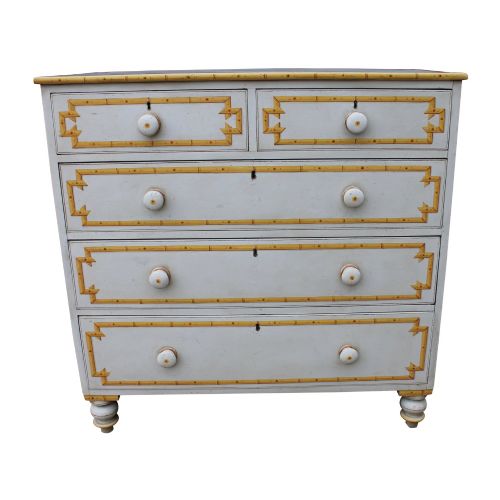
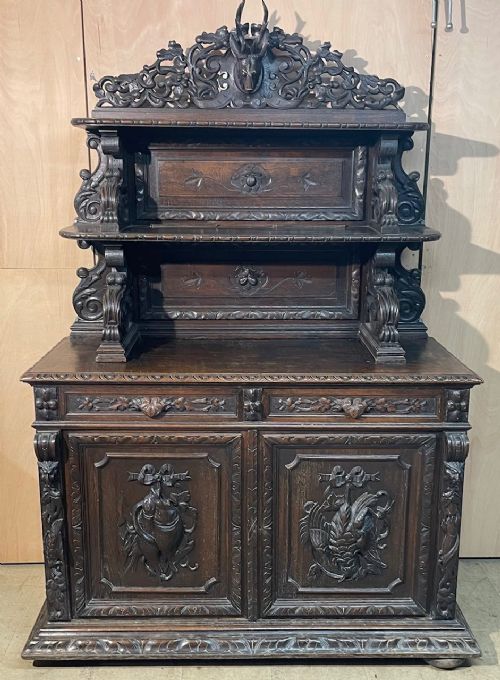
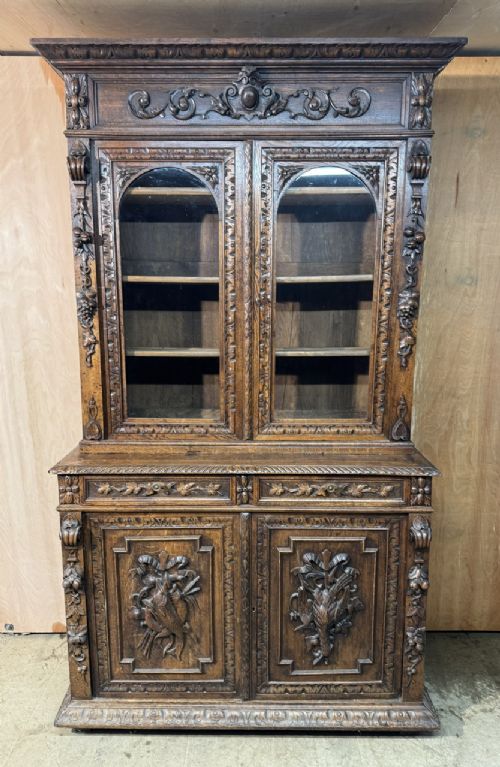
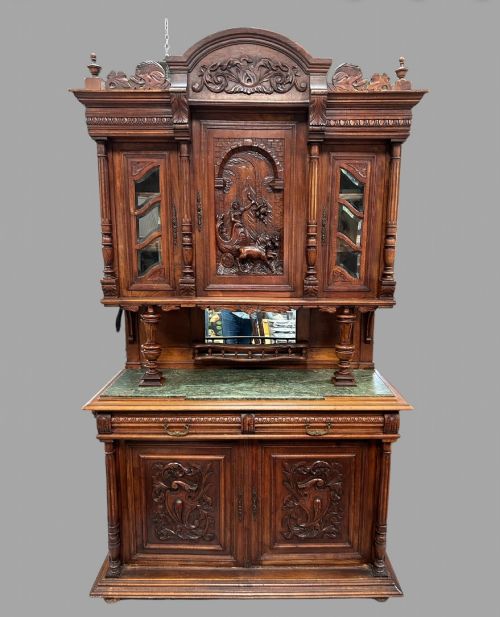
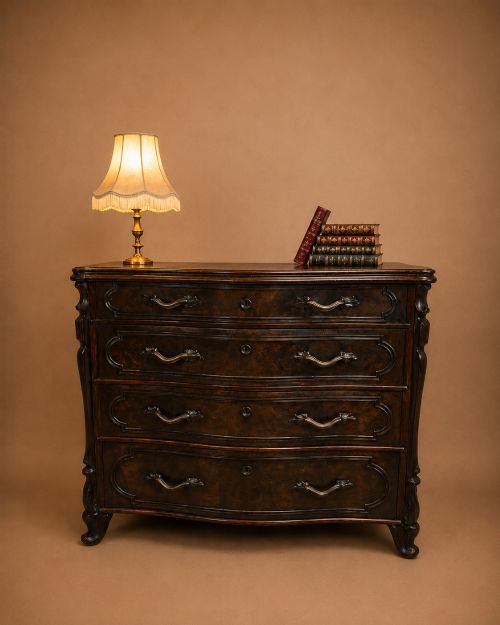
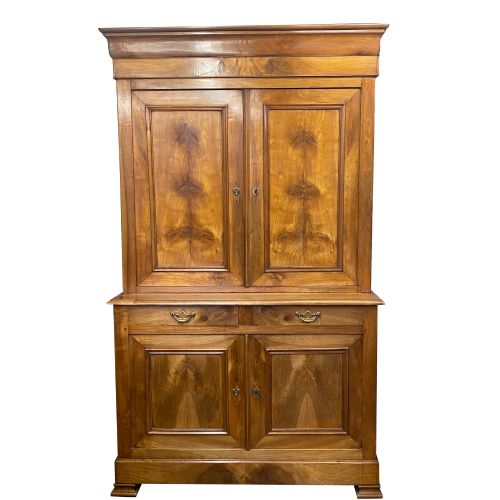
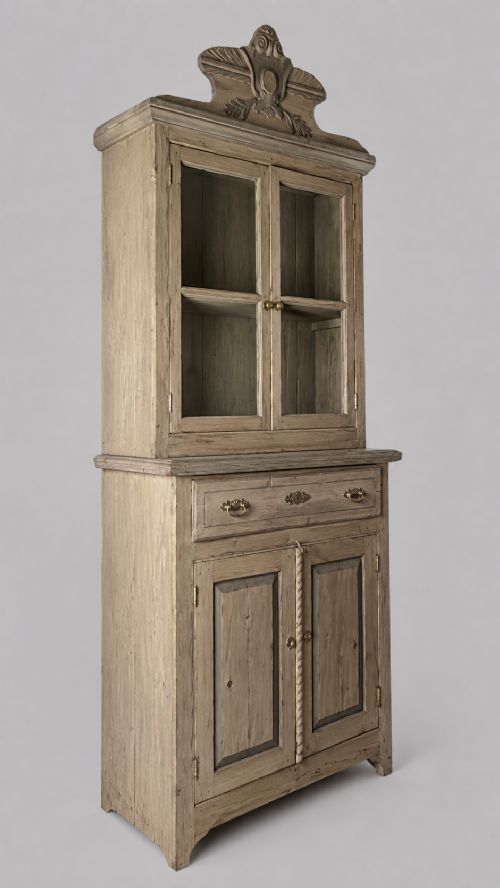
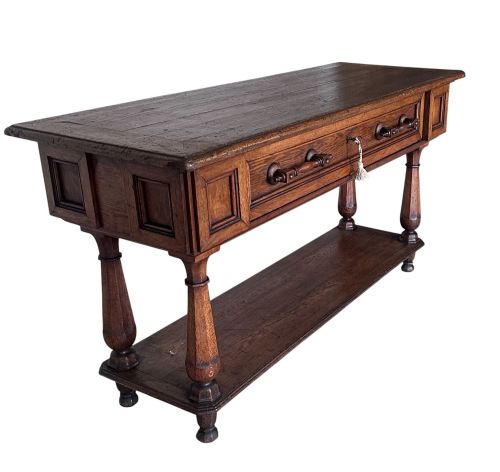
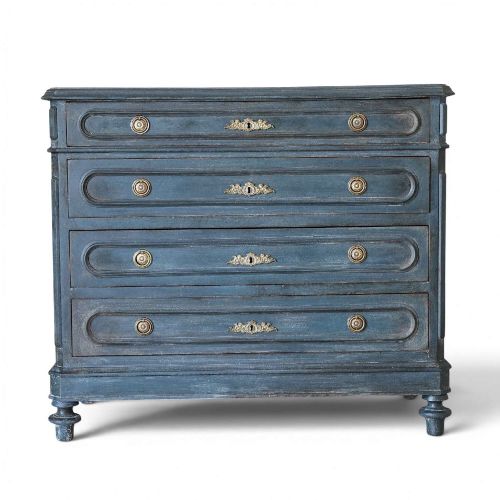
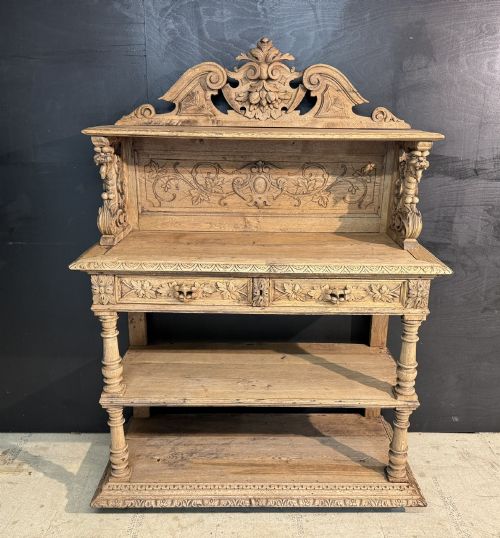
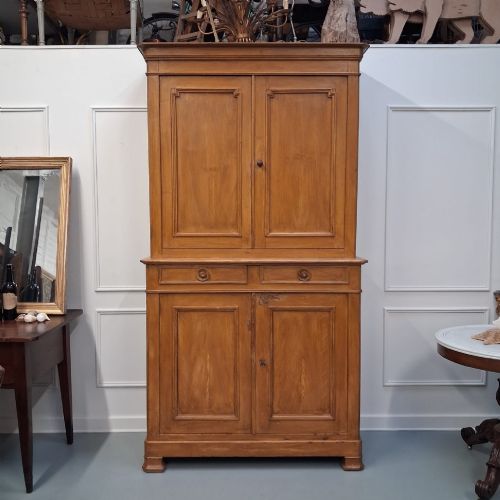
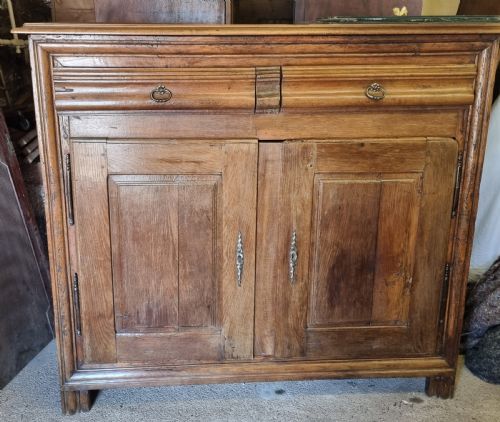
A 19th century french dresser encompasses storage furniture built across the decades of that century in provincial and urban workshops. The selection here ranges from kitchen cupboards and glazed dressers in oak, pine and cherry wood to commodes and marble-topped chests of drawers in mahogany and walnut.
Buyers meet regional country pieces alongside refined revival styles such as Louis XVI, Louis XV and French Empire. These forms served utilitarian roles in kitchens, bedrooms and halls before becoming display and storage items in contemporary houses.
Materials and Construction
Cabinet makers utilised native timbers including oak, walnut, cherry wood and fruit wood alongside imported mahogany and tulipwood. Structural joinery relied on traditional methods suited to heavy daily use in farmhouses and townhouses.
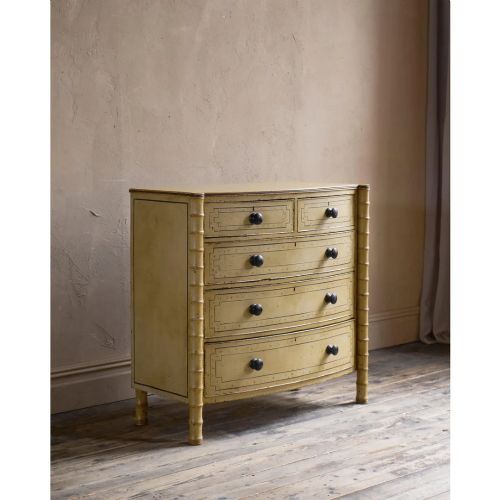
Surfaces frequently incorporated marble tops in grey or white, brass or ormolu mounts, and hand-painted finishes. Glazed doors and parquetry or marquetry inlay appeared on formal commodes and cabinets.
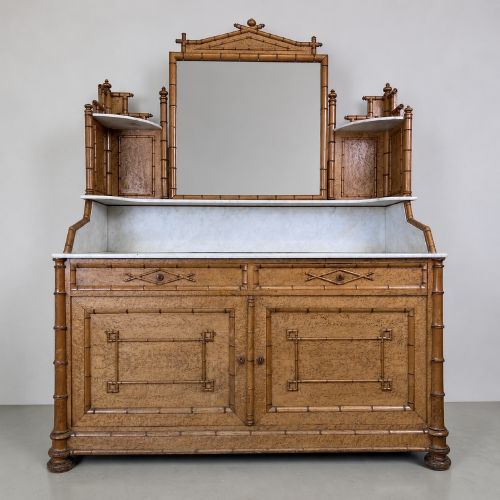
Marble-topped washstands and dressing cabinets demonstrate the nineteenth-century focus on functional bedroom hygiene and storage.
Judging Quality
The distinction between ordinary and exceptional pieces lies in the selection of timber and the precision of the carving or inlay. Finely figured burr walnut, tulipwood parquetry and untouched original marble slabs elevate a commode or chest.
Proportion and structural integrity define the better examples, where drawers run smoothly and original brass hardware or locks remain intact. Provincial country furniture gains distinction from honest patination and regional character rather than elaborate ornament.
Edwards and Roberts
The 19th Century French Dresser Glossary
- Commode
- A low chest of drawers or cabinet, often fitted with a marble top. These pieces became prominent in French interiors during the eighteenth and nineteenth centuries.
- Parquetry
- Geometric wood inlay patterns creating decorative surfaces on cabinet fronts and tabletops. Makers used contrasting timbers to achieve this effect.
- Ormolu
- Gilded bronze mounts applied to furniture and decorative objects. This technique added ornate metallic detail to high-status chests and cabinets.
- Serpentine
- A gently curved furniture front that undulates outward and inward. This shape requires advanced woodworking skill to construct accurately.
- Housekeeper's Cupboard
- A large storage cabinet traditionally used for linens and provisions in domestic service. They are typically constructed in solid regional timbers.
19th Century French Dresser: Frequently Asked Questions
Where should I place a 19th century french dresser?
These pieces fit well in dining rooms, kitchens, or hallways depending on whether the form is a glazed cabinet, sideboard, or chest of drawers. Their natural timber tones and painted finishes complement both traditional and modern interior schemes.
Ensure you measure the floor space and ceiling height carefully, as country dressers and tall cupboards often have substantial proportions that dominate smaller rooms.
How do I care for marble-topped commodes?
Marble surfaces require gentle cleaning with warm water and mild soap to avoid etching the stone. Acidic substances like wine or lemon juice should be wiped away immediately.
Applying a specialist stone wax periodically helps protect the polish and repels accidental spills without harming the historic material.
What is the difference between provincial and revival styles?
Provincial pieces originate from regional areas like Brittany and reflect practical country living using local woods such as cherry, pine, and oak. They prioritise sturdy utility over complex ornamentation.
Revival styles look back to court aesthetics under monarchs like Louis XVI and Louis XV, featuring refined veneers, marquetry, and ormolu mounts designed for urban drawing rooms.