

Dark Wood Dining Carver
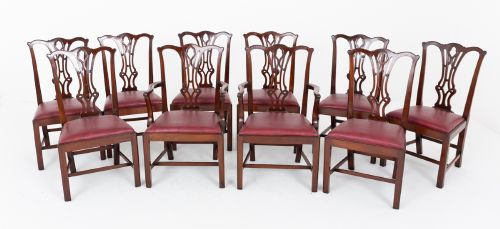
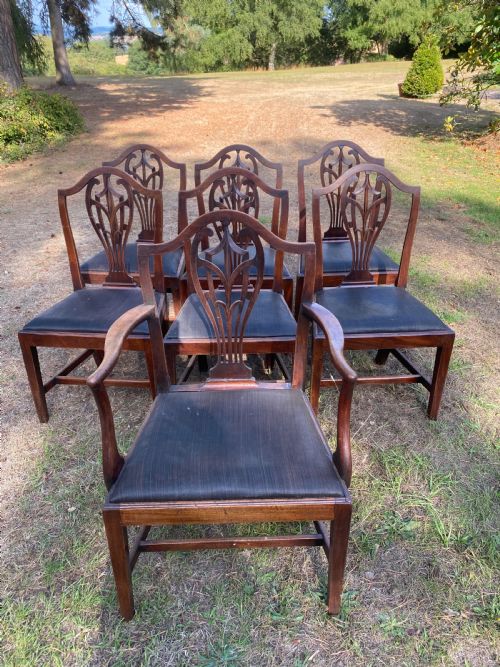
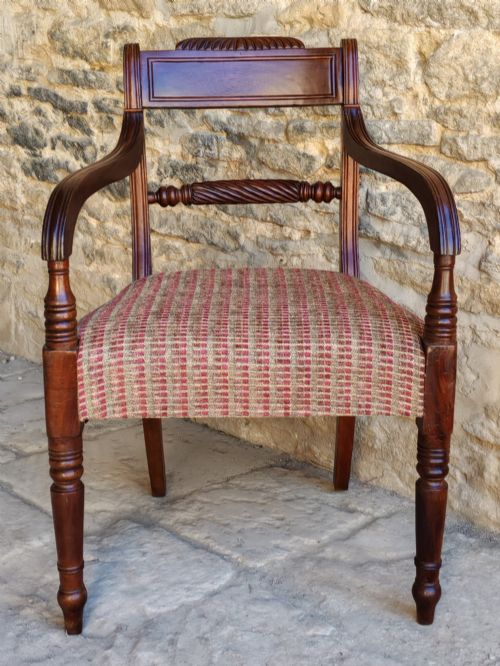
A dark wood dining carver anchors the head of the table, offering generous arm support and presence built through centuries of cabinet-making.
Dark Wood Dining Carver
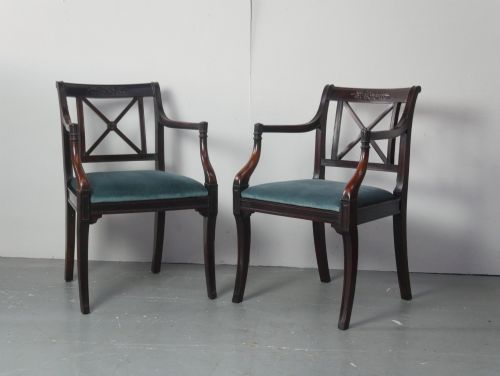
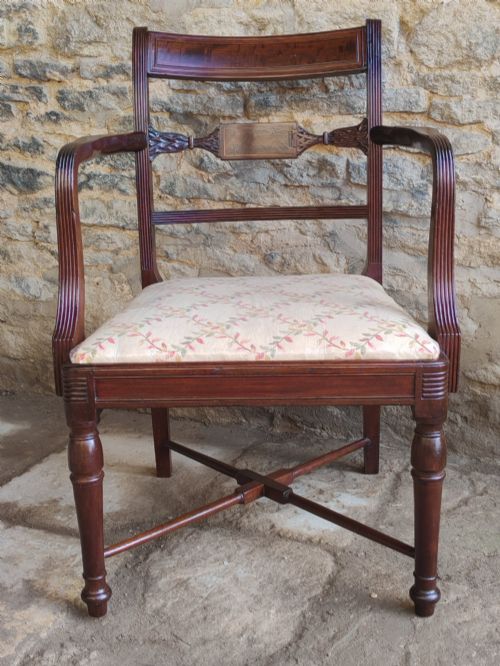
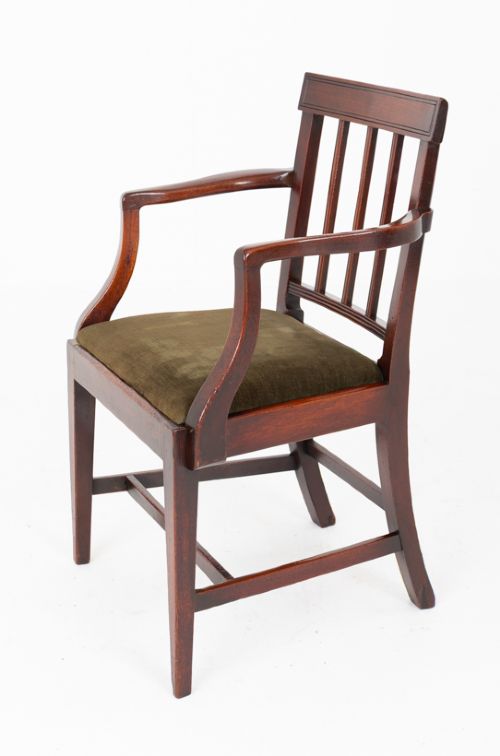
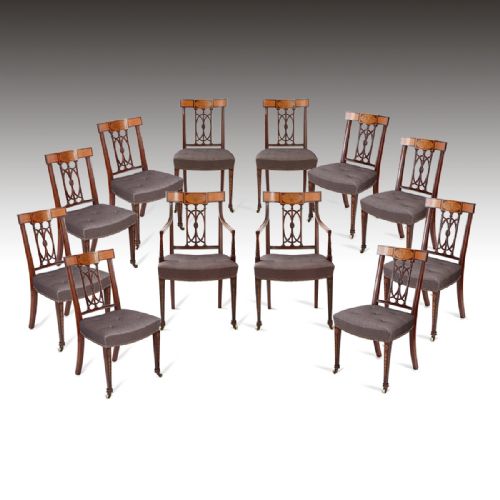
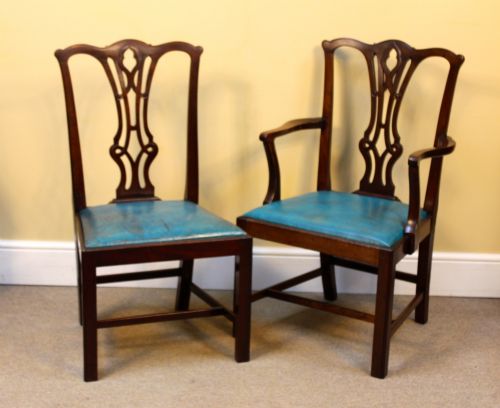
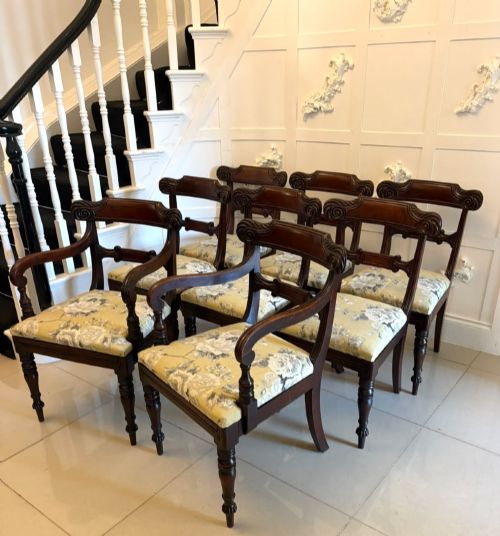
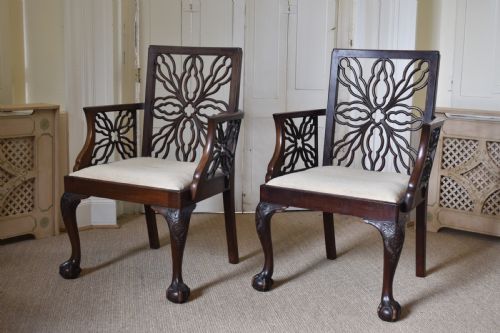
A dark wood dining carver functions as the principal seat at a dining table, distinguished by supportive arms flanking the upper frame. These chairs emerge primarily in forms originating from the Georgian, Regency, and Victorian eras, alongside later revival pieces.
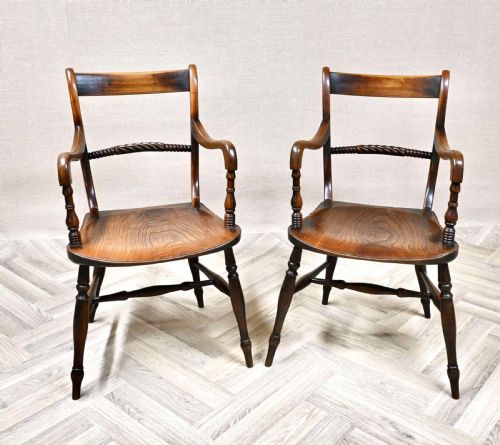
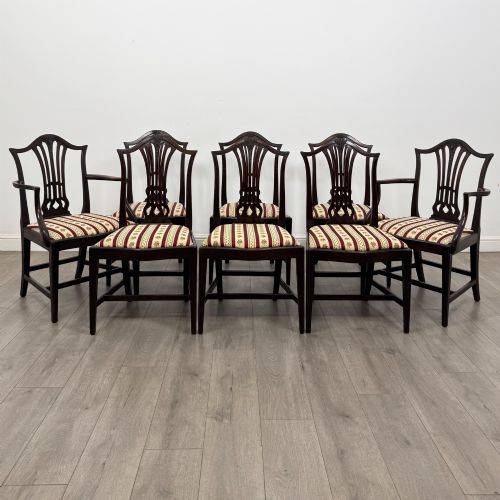
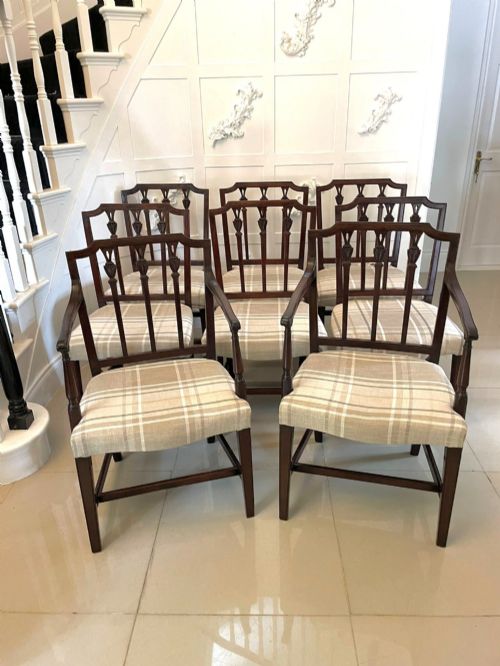
The selections gathered here span distinct regional interpretations, ranging from formal mahogany shield-back designs to country elm and oak Windsor variations. Buyers most frequently encounter 19th-century mahogany iterations and later Edwardian adaptations during a search for a dark wood dining carver.
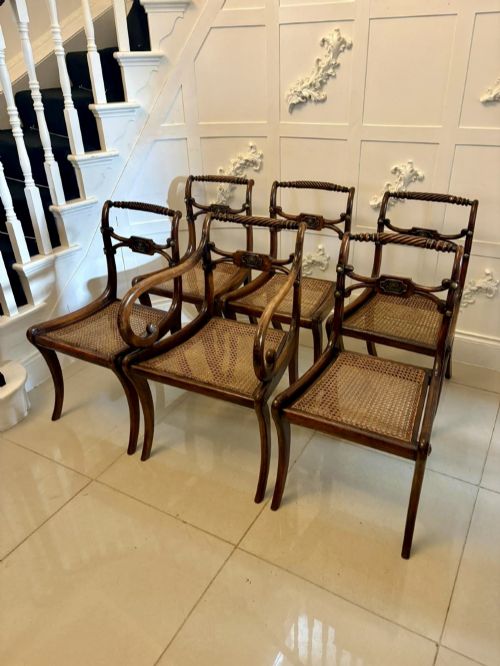
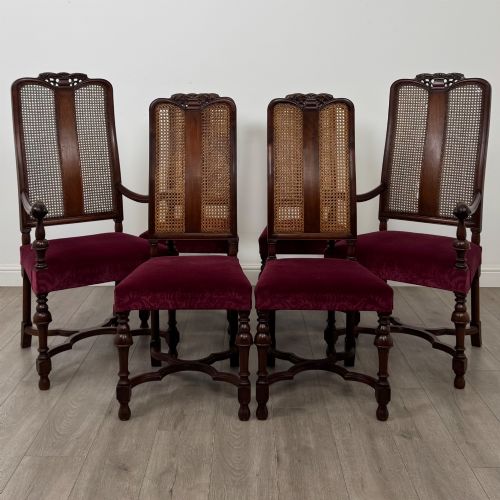
Makers historically produced these armchairs either individually, as pairs, or as the matching terminal seats for larger sets of dining chairs. Their primary purpose remains anchoring the ends of a dining table while providing robust daily utility.
Materials and construction methods
Cabinet-makers relied heavily on dense hardwoods, predominantly mahogany, alongside regional timbers such as oak, elm, laburnum, and beech. These woods provided the structural integrity required to support carved splats, curved arms, and stable leg assemblies.
Joinery methods involved traditional mortise and tenon joints, secured with wooden pins and high-strength animal glues. Carvers frequently incorporated delicate hand-carved details along the back splats, top rails, and scroll arm terminals.
Listings feature solid mahogany, oak, elm, and laburnum carvers spanning the Georgian, Regency, Victorian, and Edwardian periods.
Assessing build and material quality
Quality rests on the crispness of the timber carving and the integrity of the underlying frame construction. Superior examples display deeply figured mahogany grain and hand-carved details that retain sharp edges without softening from over-sanding.
Structural stability distinguishes finer pieces, particularly where the arm supports join the seat rail. Examples that retain original timber surfaces, firm joinery, and period upholstery materials command greater appreciation than heavily restored or structurally compromised alternatives.
Alfred Allen of Birmingham
The Dark Wood Dining Carver Glossary
- Carver
- An armchair designed specifically to match a set of single dining chairs, traditionally placed at the head of the table. These seats feature supportive armrests for the person presiding over the meal.
- Shield back
- A chair back shaped in the outline of a heraldic shield, popularised by designers in the eighteenth century. This design frequently incorporates carved wheat ears, drapery, or central vertical splats.
- Ropeback
- A chair back featuring carved rope-twist decoration along the horizontal rails or vertical splats. This detail appears frequently on Regency and nineteenth-century seating.
- Windsor
- A traditional wooden chair constructed with a solid wooden seat into which the legs and back spindles are wedged directly. Country examples often utilise woods such as elm and beech.
- Splat
- The vertical wooden strip positioned in the centre of a chair back, connecting the seat to the top rail. Makers often carved, pierced, or shaped this element to define the decorative style.
Dark Wood Dining Carver: Frequently Asked Questions
How do I spot a true Georgian carver?
Examine the timber density and the hand-carved detailing along the splat and arm terminals, which should display crisp execution without mechanical uniformity. Genuine pieces from this period utilise period-appropriate joinery and dense, aged mahogany or regional hardwoods.
Check underneath the seat rails for traditional construction methods such as hand-cut corner blocks and pegged mortise joints. Eighteenth-century frames show natural timber oxidation and wear consistent with extended domestic use.
Can I mix a carver with different chairs?
Pairing a single carver with a mismatched set of dining chairs works well if the wood tone and general period share common visual traits. Mahogany carvers blend easily with various dark wood finishes provided the scale and arm height suit the dining table.
Ensure the seat height matches your existing chairs so diners sit at a uniform level around the table. Historical dining arrangements frequently evolved through the acquisition of individual pieces over time.
How should I care for antique dark wood?
Maintain antique mahogany and oak carvers by keeping them away from direct heat sources and fluctuating humidity, which cause timber to split. Dust the surfaces regularly with a soft, dry cloth to prevent abrasive particle buildup.
Apply a microcrystalline wax polish occasionally to nourish the wood and protect the aged patina without building up sticky layers. Avoid using modern silicone-based sprays that penetrate the grain and alter the finish.