
Dark Wood Buffet Cupboard
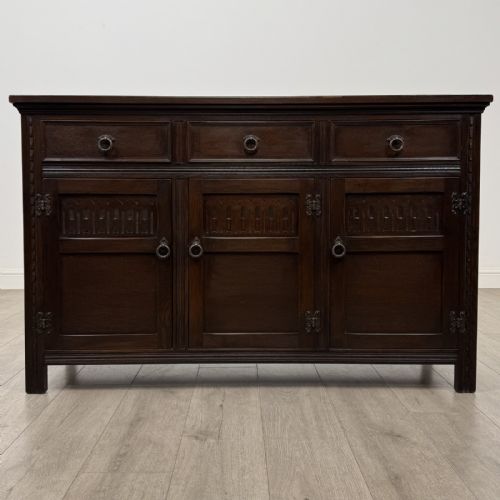
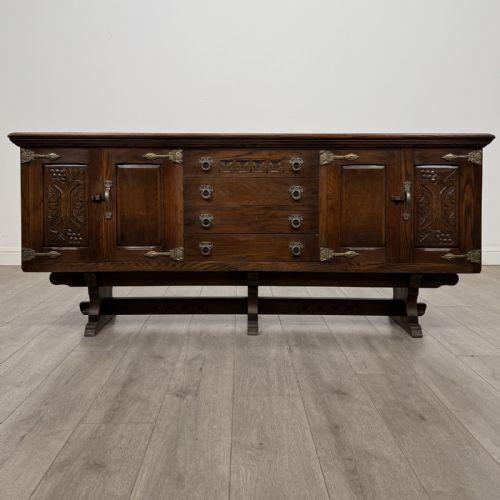
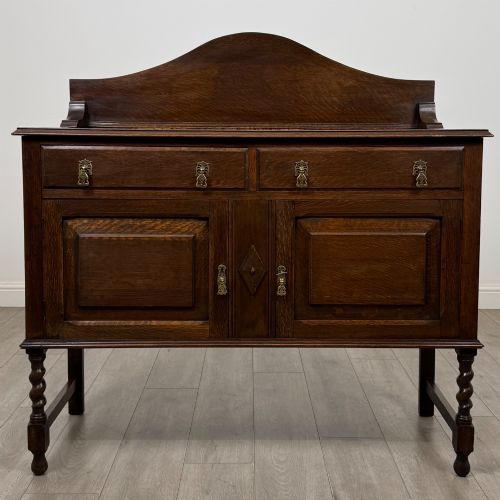
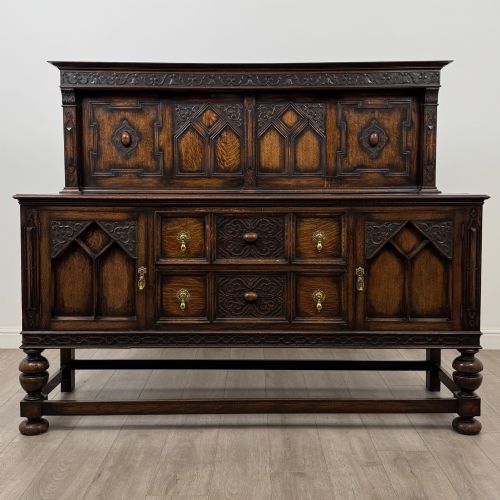
A dark wood buffet cupboard brings substantial storage and deep timber tones into a room, spanning centuries of craftsmanship.
Dark Wood Buffet Cupboard
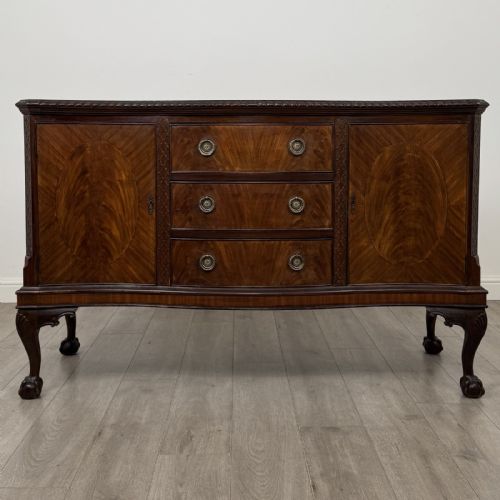
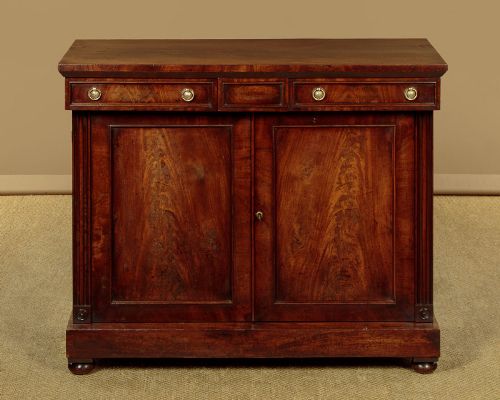
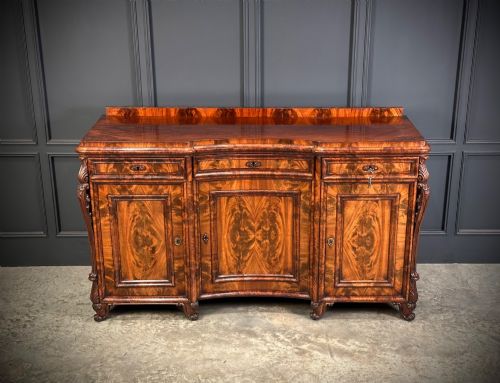
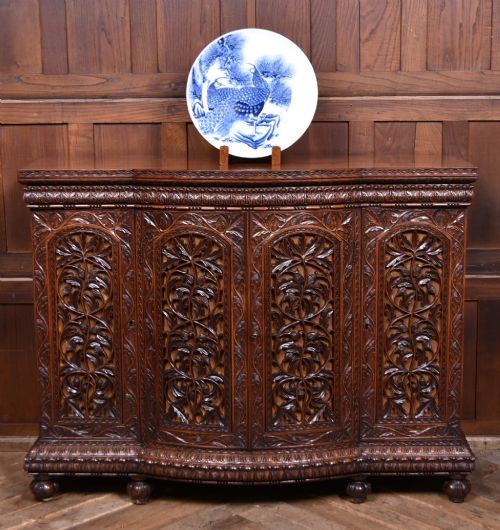
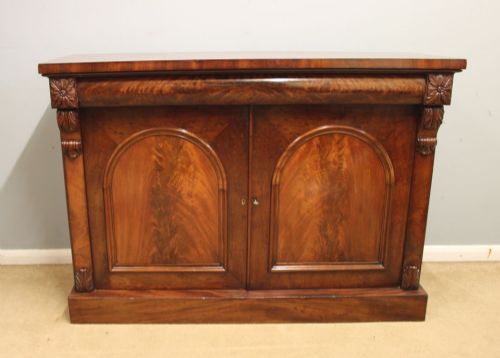
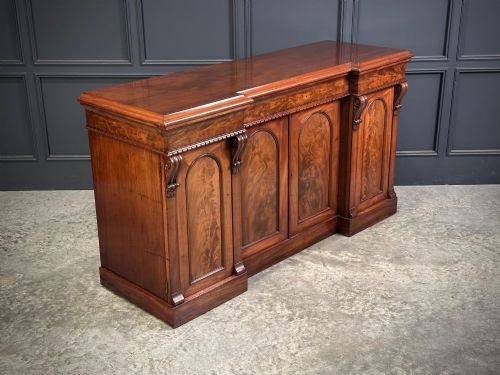
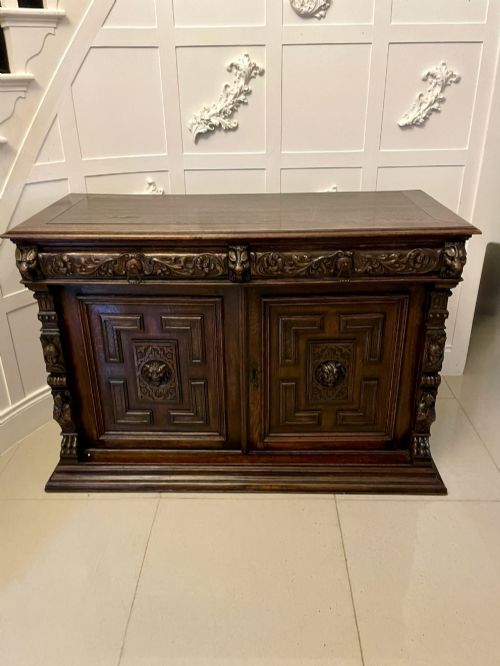
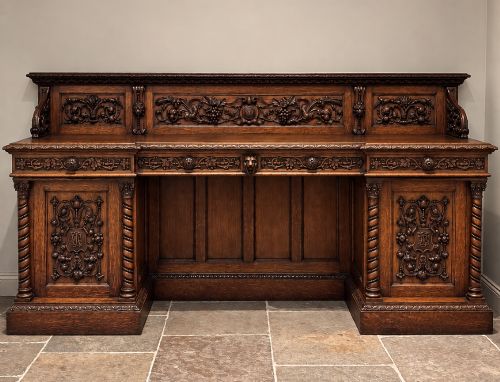
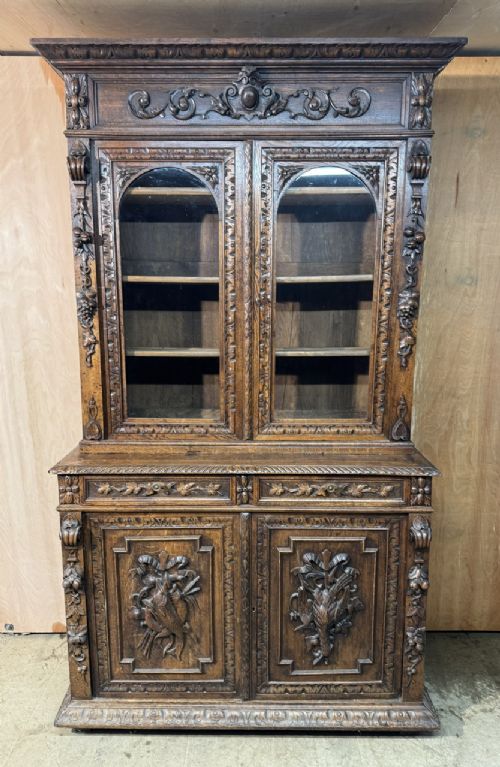
A dark wood buffet cupboard serves as a heavy storage piece, encompassing sideboards, chiffoniers, servers, and dresser bases found on this page. These items emerge from periods ranging from the 17th century through the Victorian and Edwardian eras, displaying considerable variety in form.
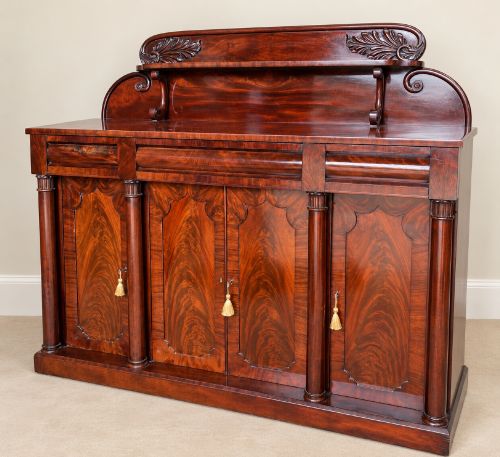
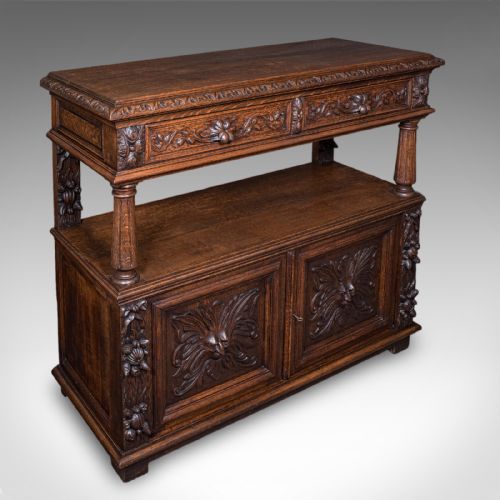
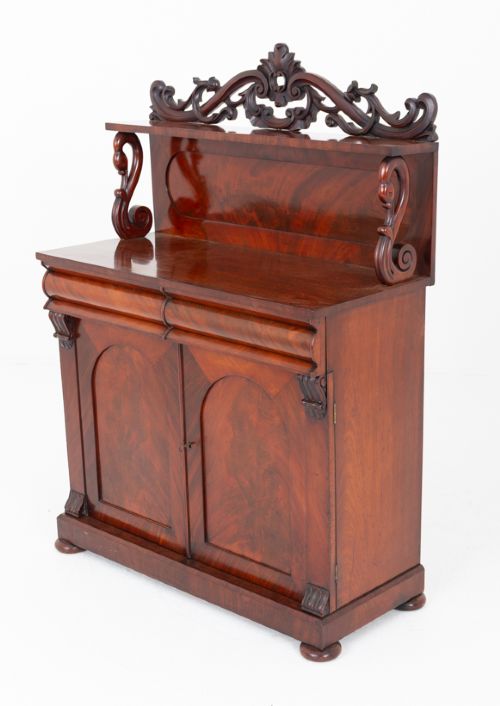
Victorian oak and mahogany iterations dominate the selection, often featuring carved panels, panelled doors, and mirrored backs. Alongside these, 18th-century and Regency examples appear, offering simpler lines or rich flame mahogany veneers.
Form follows function closely across the listings, resulting in pieces equipped with combinations of deep cupboards, drawers, and lower shelves. Buyers encounter everything from compact side cabinets to expansive Scottish and French buffet furniture designed for formal dining rooms.
What varies in quality
The standard of carving and timber selection dictates the distinction between standard production and exceptional examples. Deeply undercut relief carving on solid oak or figured flame mahogany indicates superior workshop output.
Proportion and integrity of the original hardware also separate tiers of quality. Pieces retaining matching brass handles, intact mirror plates, and well-fitted internal shelving demonstrate higher original status.
French tramp art makes an unexpected appearance among the formal mahogany sideboards, bringing hand-whittled folk charm to the cabinet selection.
The Dark Wood Buffet Cupboard Glossary
- Chiffonier
- A low sideboard or cabinet, typically featuring enclosed cupboards beneath a drawer and a raised upper shelf or mirror. These pieces became particularly popular during the Regency and Victorian periods.
- Padouk
- A heavy, durable tropical hardwood with a rich reddish-brown colour that darkens with age. It appears in export furniture from the 19th century.
- Dresser base
- A low wooden unit containing drawers and cupboards, originally used in kitchens or dining halls for food preparation and serving. Surviving examples often date from the 18th century.
- Flame mahogany
- A veneer cut from the fork of the mahogany tree where the branches join the trunk, creating a distinctive flickering flame pattern. Cabinetmakers utilised it on primary display surfaces during the Georgian and Victorian eras.
Dark Wood Buffet Cupboard: Frequently Asked Questions
Where should I place a buffet cupboard?
These substantial items suit dining rooms, large hallways, or living spaces where they provide both surface display area and deep interior storage.
Their substantial footprint requires adequate wall space and clearance for opening cabinet doors and drawers.
How do I care for dark wood furniture?
Maintain the timber by keeping it away from direct heat sources and strong sunlight to prevent the wood and veneers from drying out.
Regular application of a suitable wax polish nourishes the grain and preserves the patina built up over the centuries.
What is the difference between a sideboard and a chiffonier?
A sideboard generally offers a longer, wider surface with multiple cupboards and drawers designed for dining room service.
A chiffonier is typically a more compact cabinet, frequently incorporating a small upper shelf or mirror back for display.
How can I identify a Victorian piece?
Victorian examples often display heavy carved details, dark oak or mahogany construction, and sometimes mirrored backs or Gothic revival motifs.
Construction methods from this era involve mass workshop production alongside traditional hand joinery.