




Charles I Oak Cupboard
A charles i oak cupboard is a solid timber storage piece built with seventeenth-century joinery, offering authentic period character for traditional interiors.
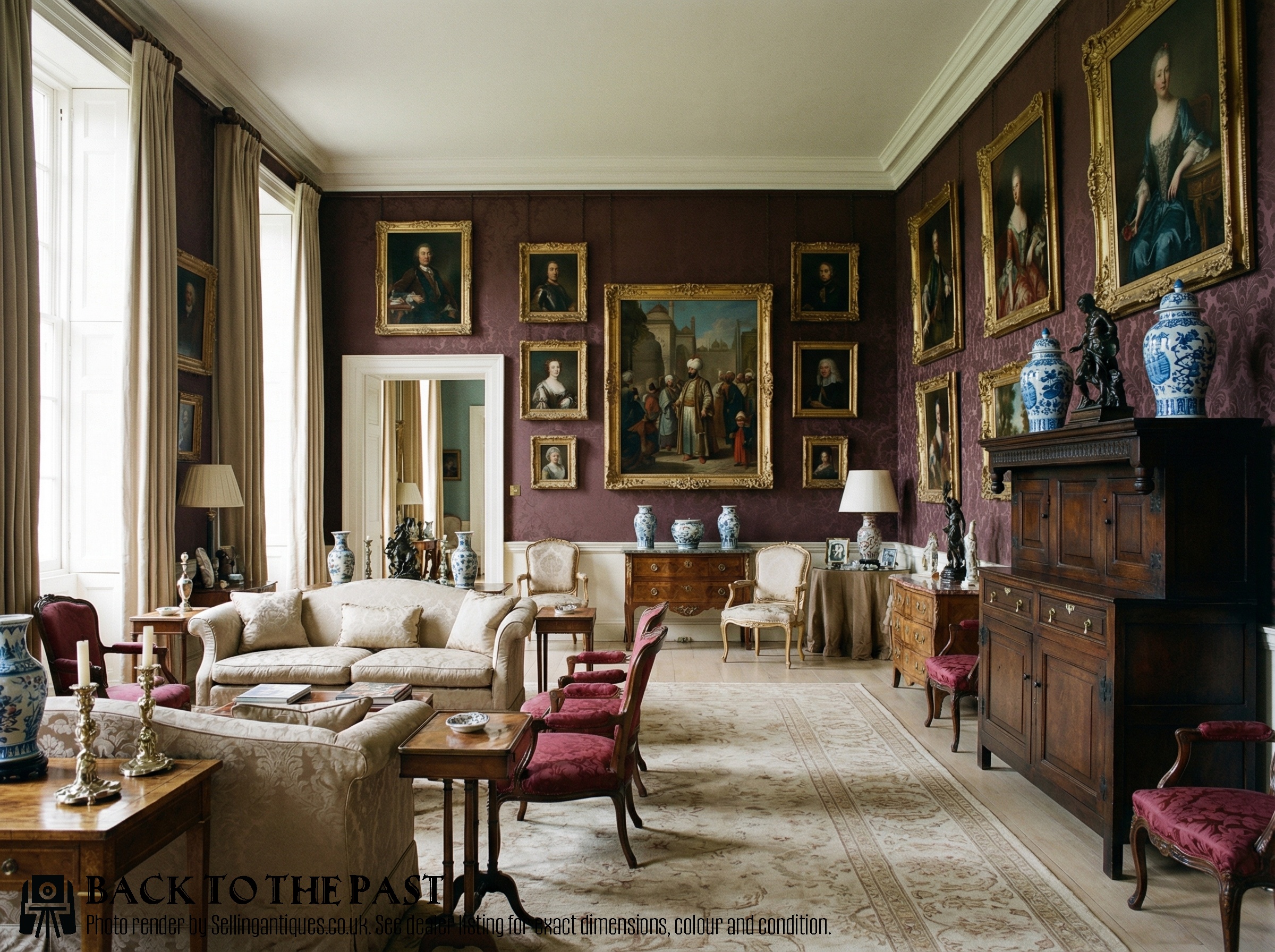
Charles I Oak Cupboard
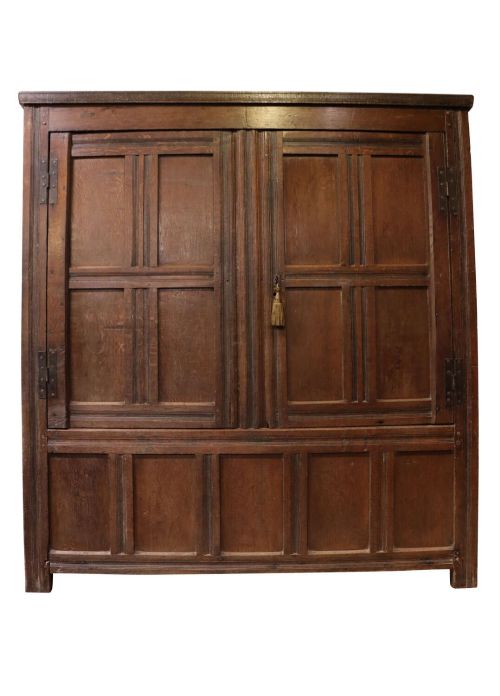
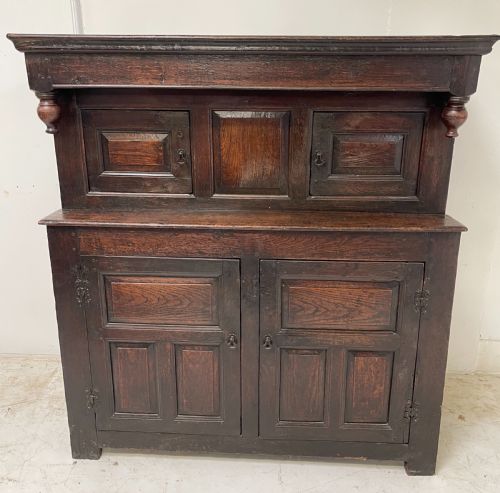
A charles i oak cupboard encompasses substantial forms like court cupboards, press cupboards, and enclosed chests originating primarily from the seventeenth century. These sturdy items served domestic storage needs in regional centres such as Lancashire, Yorkshire, and Wales, utilising heavy timber construction designed to last for generations.
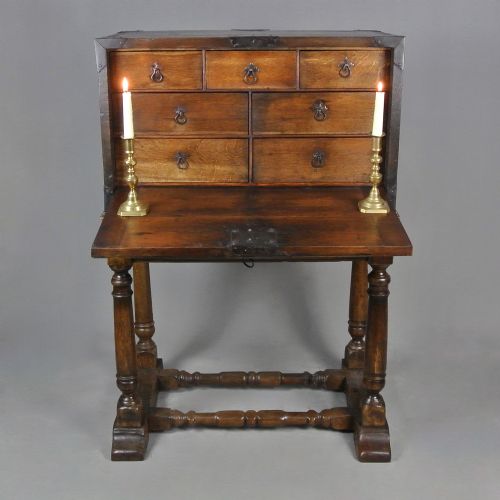
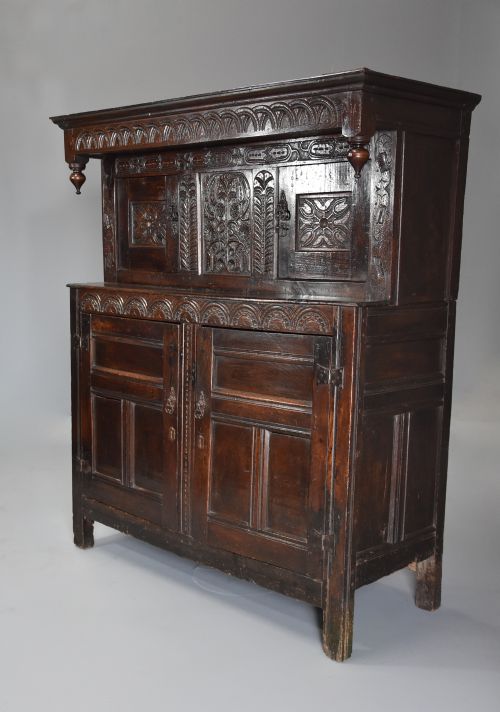
The version most commonly met on this page is the court cupboard or press cupboard, often bearing dates and initials from the mid to late seventeenth century. Alongside these, buyers encounter smaller spice cupboards, wall cabinets, and occasional later revivals from the nineteenth century that imitate earlier Jacobean and Carolean styles.
Regional variations appear frequently, including Welsh deuddarns and West Country or Westmorland examples that reflect local woodworking traditions. While many pieces date firmly to the seventeenth century, occasional items combine earlier oak frames with later alterations or date into the ensuing century.
What varies in quality
The standard of carving distinguishes superior pieces from simpler utilitarian items, with crisp, deeply incised detail commanding greater attention than shallow or worn work. The survival of original surfaces and untouched patination carries significant weight, as stripped or heavily restored timber alters the visual harmony of seventeenth-century furniture.
Structural integrity depends on the retention of original joined components rather than extensive timber replacement or later marital arrangements between different sections. Regional distinctiveness and documented dates or initials also elevate certain examples above standard vernacular production.
Listings feature oak, iron, brass, and fruitwood inlay across seventeenth-century and revival periods.
The Charles I Oak Cupboard Glossary
- Court Cupboard
- A traditional open and enclosed storage piece used for displaying plate and storing food. These architectural items often feature recessed upper tiers supported by turned columns.
- Press Cupboard
- A large two-part storage furniture item enclosed by doors, traditionally used for linens and garments. The upper and lower sections provide substantial capacity.
- Deuddarn
- A traditional Welsh two-tier cupboard or sideboard originating from rural workshops. They share similarities with English court cupboards but possess distinct regional proportions.
- Livery Cupboard
- A small storage piece designed for provisions and small items, frequently wall-mounted or placed in chambers. Ventilation slats were often incorporated into the doors.
- Spice Cupboard
- A miniature wall cabinet containing small internal drawers for valuable spices and medicines. These compact items are highly sought after by collectors.
Charles I Oak Cupboard: Frequently Asked Questions
How do I date an oak cupboard?
Dating relies on construction methods, timber characteristics, and stylistic markers such as Jacobean strapwork or carved dates and initials. Pegged joints and hand- cleft oak boards indicate seventeenth-century production techniques.
Comparative analysis with dated examples helps separate authentic period pieces from later nineteenth-century revivals. Original surface patination also provides a reliable indicator of age.
Where were these cupboards made?
These pieces originated across various English regions and Wales, with distinct stylistic traits pointing to local workshops. Lancashire, Yorkshire, the West Country, and Wales produced recognizable vernacular variants.
Local timber availability and regional woodworking preferences shaped the design of panels, mouldings, and turned columns. This regional diversity remains a key study area for collectors.
How do I care for antique oak?
Antique oak benefits from stable environmental conditions with minimal humidity fluctuations to prevent timber splitting. Regular gentle dusting preserves the natural patina without stripping historic finishes.
Application of appropriate wax feeds the dry wood and maintains a soft sheen over time. Avoiding direct heat sources protects the historic joinery from stress.