

Dark Wood Book Cabinet
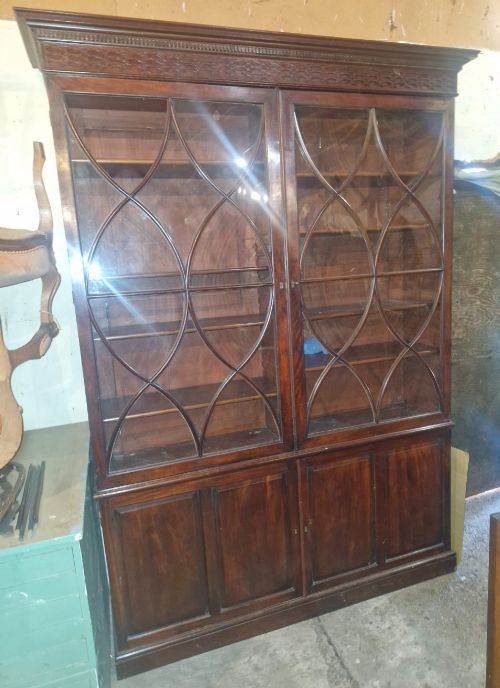
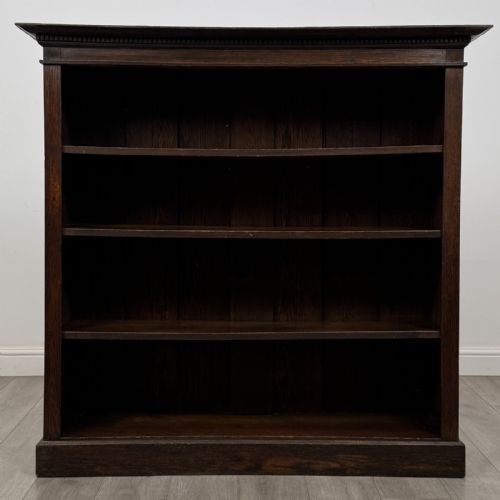
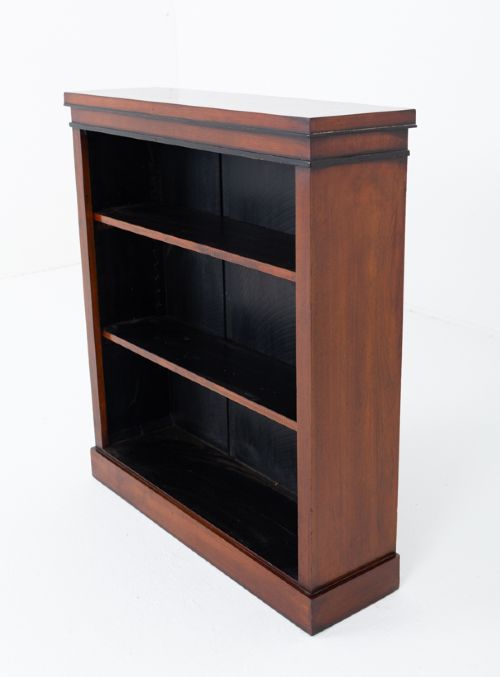
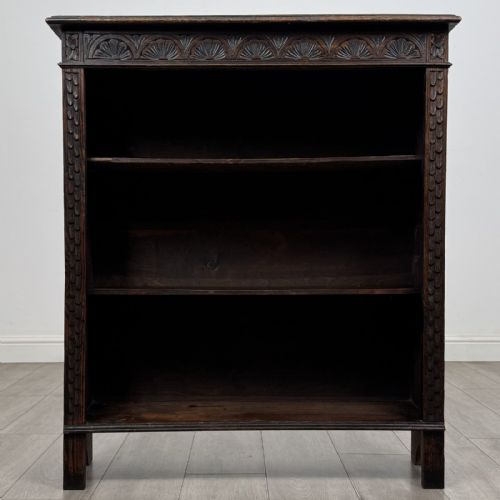
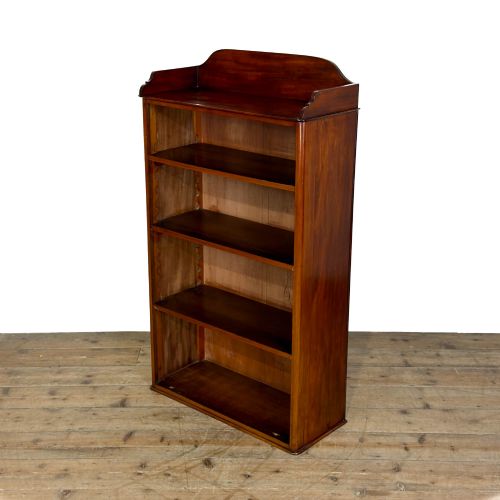
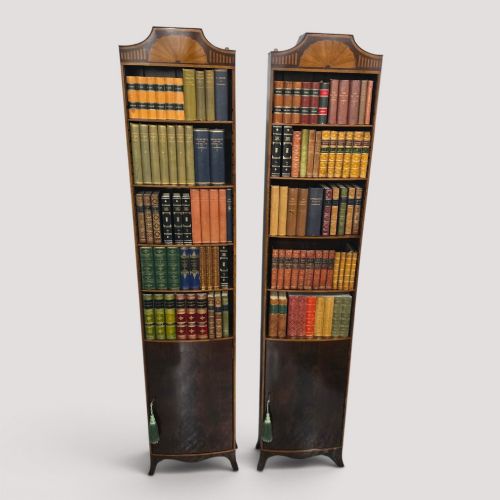
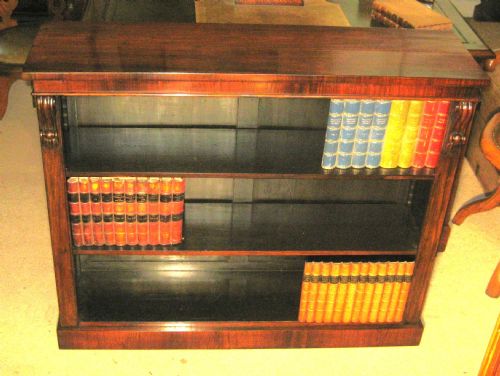
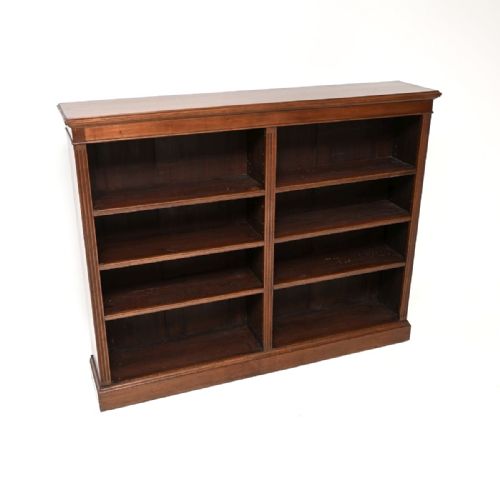
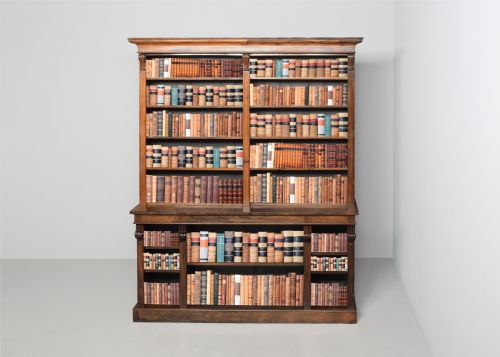
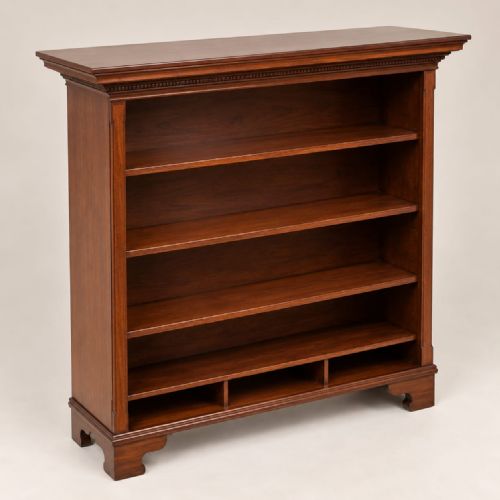
A dark wood book cabinet stores a collection behind glass or upon open shelves, bringing rich timber tones to a room.
Dark Wood Book Cabinet
When you search for a dark wood book cabinet, you encounter sturdy pieces designed to hold libraries in domestic settings. These items appear most frequently as Victorian, Edwardian, and nineteenth-century examples.
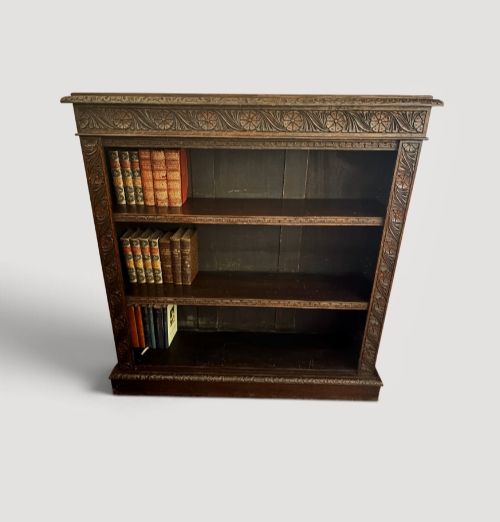
The selection ranges from open mahogany bookcases to glazed display cabinets and revolving models in oak or rosewood. Makers constructed these storage items to fit corners, walls, or freestanding spaces within studies and living rooms.
Georgian and Regency pieces bring earlier proportions to the selection, while later twentieth-century items offer sectional stacking designs. Mahogany and oak dominate the forms, supplemented by rosewood and walnut.
Materials and construction methods
Cabinet makers utilised dense hardwoods such as mahogany, oak, and rosewood to bear the weight of heavy volumes. Timber selection dictated the structural integrity and grain pattern of each piece.
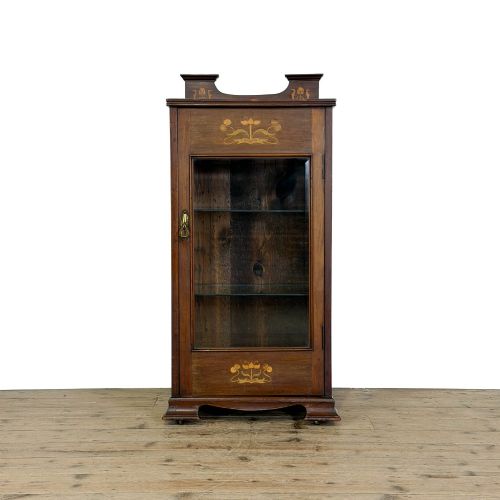
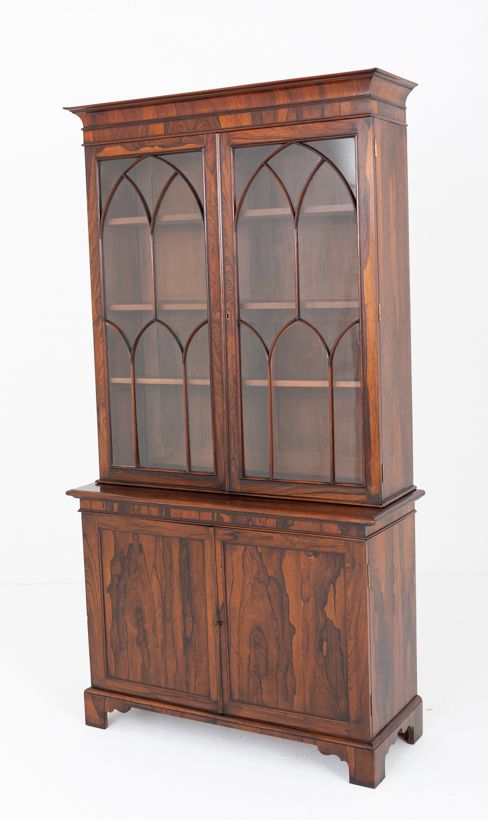
Glazing techniques incorporated glass panels within wooden doors to protect books from dust while allowing visibility. Metal hardware, including brass fittings, secured doors and adjusted internal shelving heights.
Detailed work involved carved elements, satinwood inlay, and beaded edges applied to the framework. These construction choices defined the style, from Georgian symmetry to Art Nouveau curves.
Revolving bookcases let readers spin an entire library around with a single gentle push.
Determinants of craftsmanship and finish
Quality rests in the selection of the timber grain and the precision of the joinery used in the frame. Superior pieces display carefully matched veneers and solid timber construction without warping.
The refinement of carved details and the integration of brass hardware separate standard utility items from finer library furniture. Glazed doors with clean, unblemished glass panes reflect higher standards of production.
Gillows·Globe Wernicke
The Dark Wood Book Cabinet Glossary
- Breakfront
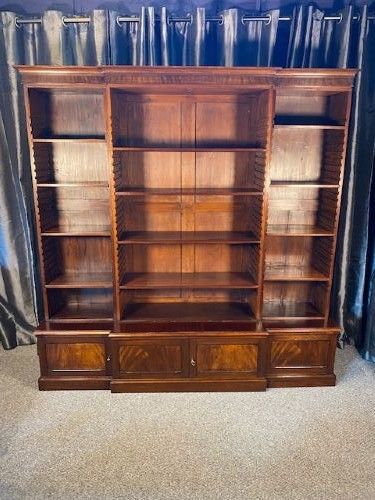
- A cabinet design where the central section projects forward from the side sections. This layout creates depth and architectural presence in large library bookcases.
- Waterfall bookcase
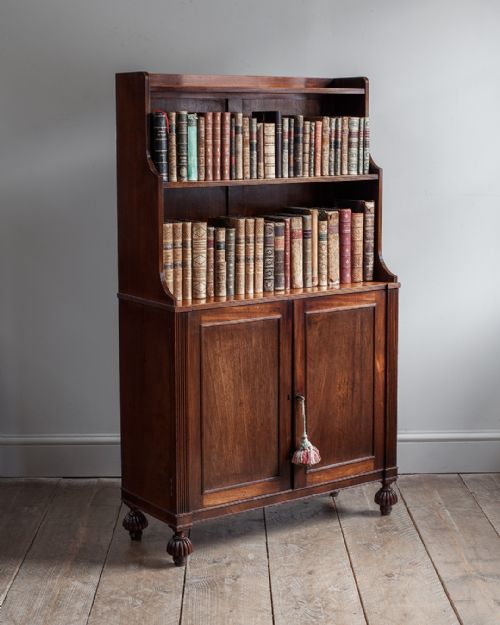
- A shelving unit with tiers that step back as they rise, creating a cascade profile. These pieces often appear in mahogany during the Regency period.
- Sectional bookcase
- A modular storage system built from stackable units with glass doors, popularized by makers like Globe Wernicke. This design allows sections to be added or rearranged.
- Glazed bookcase
- A cabinet featuring glass-fronted doors that enclose the shelving area. This style protects books from dust while maintaining visibility.
- Satinwood inlay
- Contrasting light timber embedded into a darker wood surface to create decorative borders or motifs. This technique highlights the skill of the cabinet maker.
Dark Wood Book Cabinet: Frequently Asked Questions
Where should I place a dark wood book cabinet?
Position these cabinets against sturdy interior walls away from direct sunlight and strong heat sources to protect the timber and veneer. Placing them in studies, libraries, or living rooms provides a stable environment that suits their traditional proportions.
Ensure the floor is level so that doors and adjustable shelves operate smoothly without binding. Keeping the timber clear of damp areas preserves the polished finish and the structural integrity of the hardwood.
How do I adjust the shelves?
Many period bookcases feature wooden support tracks, brass shelf studs, or ratchet mechanisms inside the side panels. Lift the shelf slightly and reposition the supports into the desired slots to alter the interior layout.
Take care when moving heavy oak or mahogany boards within older cabinets to avoid scratching the interior veneer. Ensure all four supports align evenly before resting books back onto the surface.
What is the difference between an open bookcase and a glazed cabinet?
An open bookcase provides direct, unhindered access to volumes from the front without doors. This style suits everyday reading materials and allows spines to remain visible for quick selection.
A glazed cabinet encloses the shelving behind glass doors, often fitted with locks. This format protects delicate bindings from dust and environmental wear while displaying the collection.
How do I care for antique mahogany and oak?
Dust the timber regularly with a soft, dry cloth to prevent particulate buildup on the polished surface. Avoid silicone-based sprays and excess moisture, which can damage old polish and grain.
Apply a traditional beeswax polish occasionally to nourish the hardwood and maintain a natural sheen. Keeping the room humidity stable prevents the timber from splitting or warping over time.