
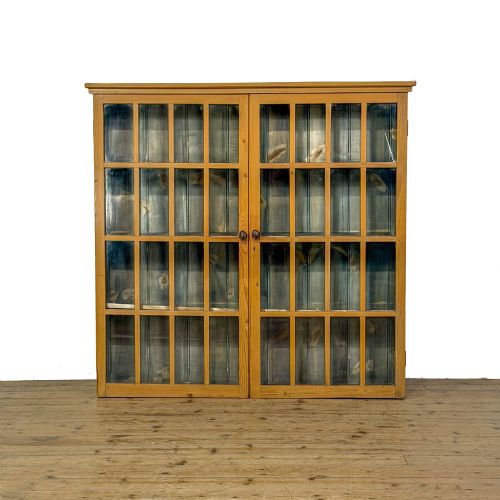
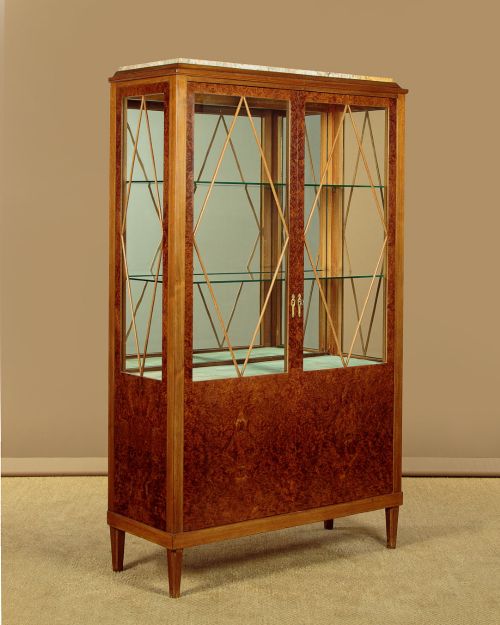
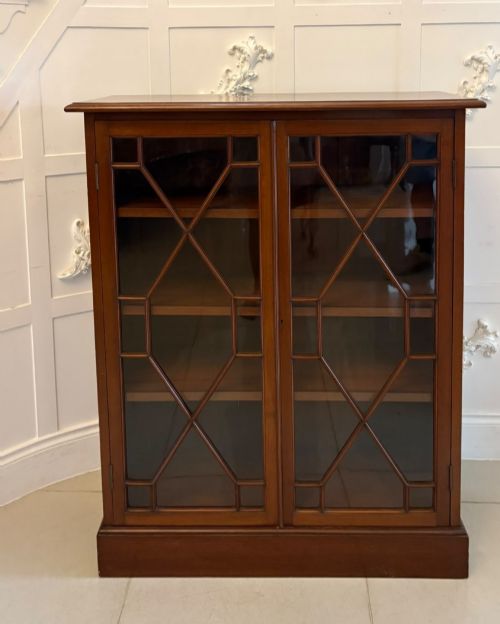
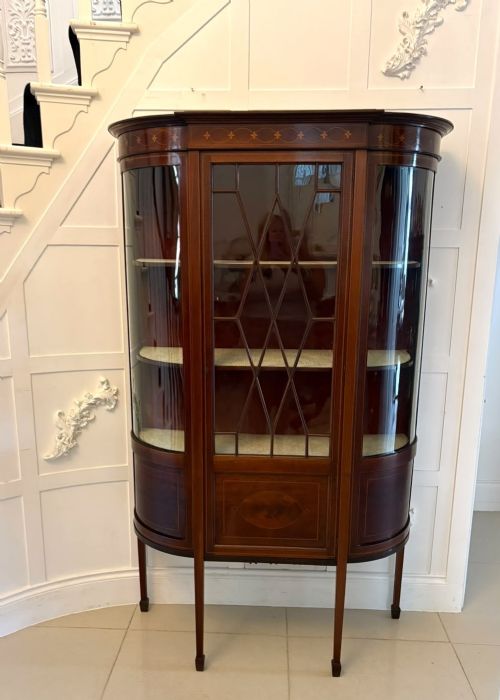
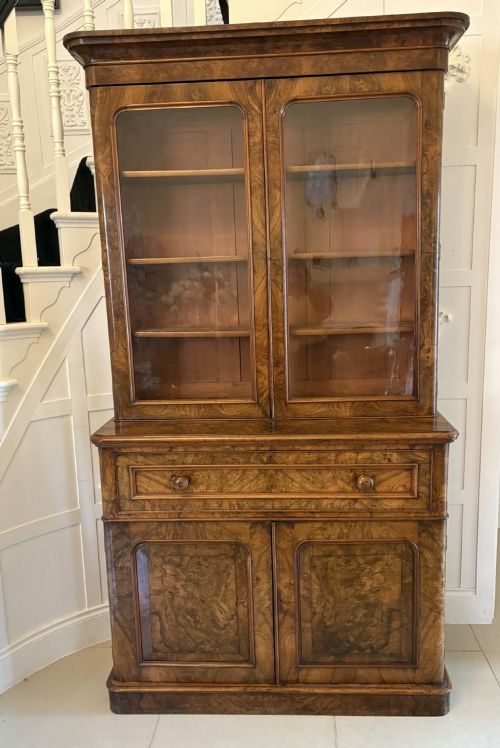
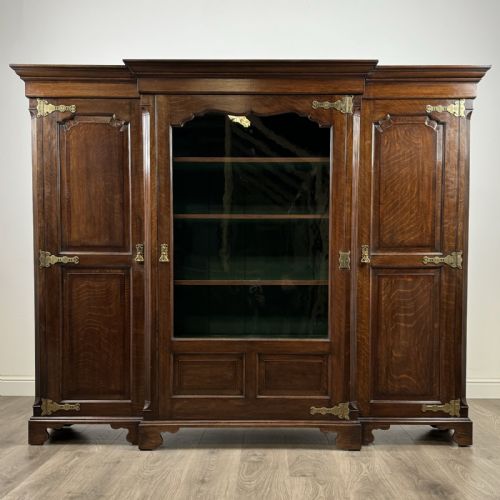
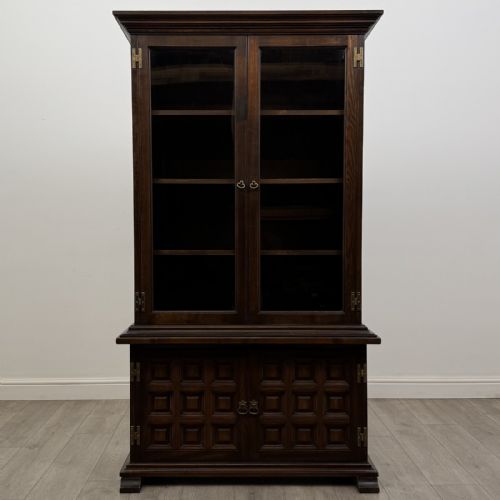
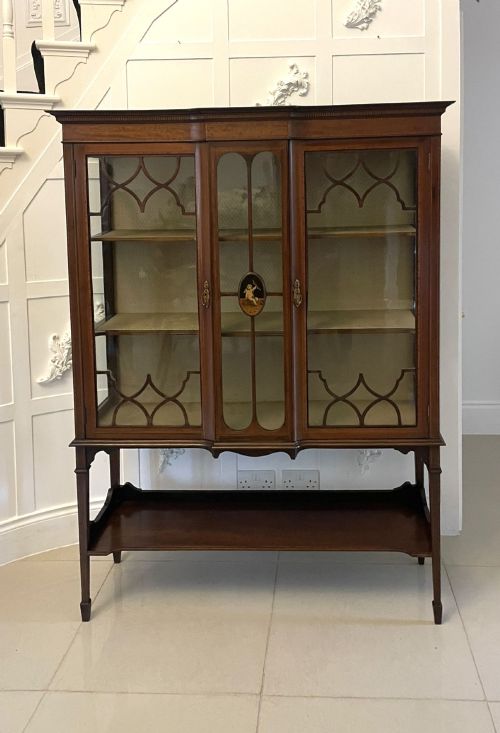
Vintage Glazed Bookcase Cupboard
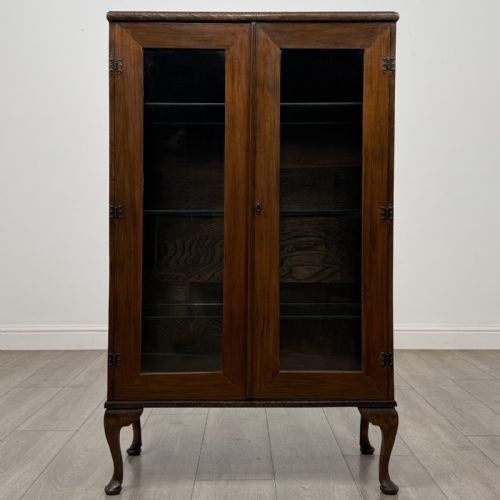
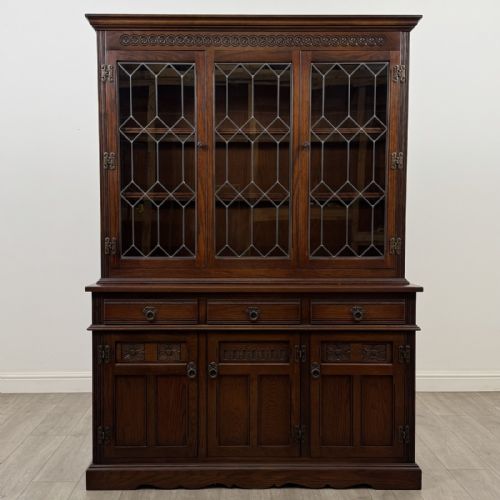
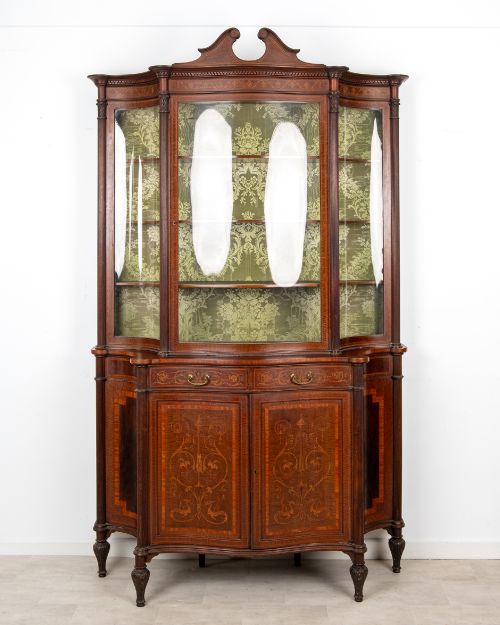
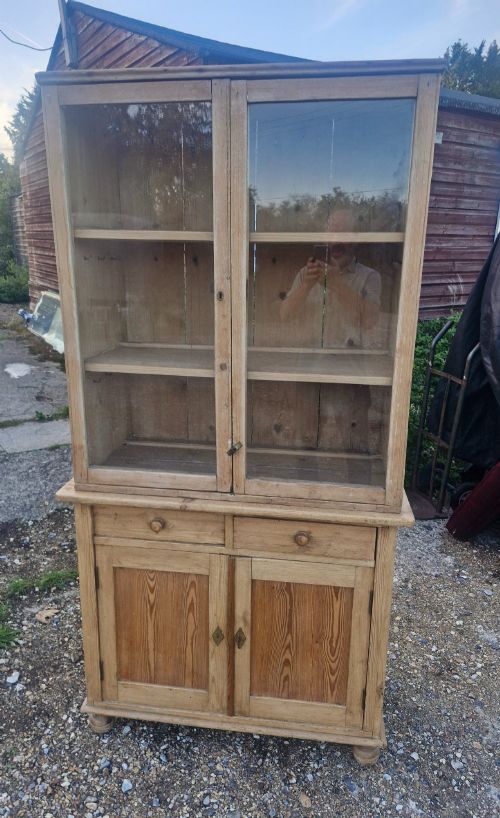
These vintage glazed bookcase cupboard pieces combine storage with display, offering structured timber frames and clear glass fronts to organise volumes and protect collections.
Vintage Glazed Bookcase Cupboard
A vintage glazed bookcase cupboard serves the dual purpose of housing books behind glass and concealing items within lower wooden doors. When searching for this phrase, buyers encounter various formats ranging from tall library units to compact corner cupboards and kitchen dressers.
The pieces appearing on this page span several centuries and styles, with Edwardian and Victorian examples forming a large portion of the selection. Oak and mahogany dominate the structural forms, complemented by pine, walnut and satinwood variations.
Makers and cabinetmakers produced these dual-purpose storage units across different regional traditions, including Scottish and Welsh workshops alongside English examples. Regional pieces often utilise local timbers such as pitch pine or Welsh oak alongside traditional mahogany.
How they were made
Cabinetmakers constructed the main carcases using solid timbers and select veneers, employing mahogany, oak, walnut and pine according to the period and regional workshop practice. Glass panes are held within timber frames or leaded cames, allowing visibility while protecting the contents from dust.
Joinery techniques involve traditional mortise and tenon joints for the structural frames, with dovetail construction utilised for drawer boxes inside the lower cupboards. Brass fittings, including hinges, handles and escutcheons, provide functional hardware across the various styles from Georgian proportions down to Art Deco geometric lines.
The listings feature oak, mahogany, walnut, pine and satinwood constructions spanning from the eighteenth century through to Art Deco periods.
What varies in quality
The caliber of a vintage glazed bookcase cupboard rests upon the selection of timber figure, such as figured walnut or flame mahogany veneers, and the precision of the underlying joinery. Cabinetmakers who invested time in matching grain patterns across doors and drawers produced pieces of superior visual harmony.
Hardware and interior detailing also distinguish finer examples from standard utility pieces. Original brassware, hand-drawn window glass with natural distortions, and carefully executed inlay work or astragal glazing bars elevate the overall standard of the construction.
Chinese Chippendale·Arts And Crafts·Art Deco·William IV
The Vintage Glazed Bookcase Cupboard Glossary
- Astragal glazing
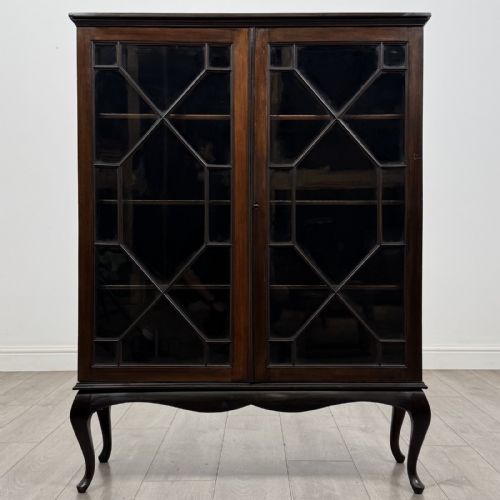
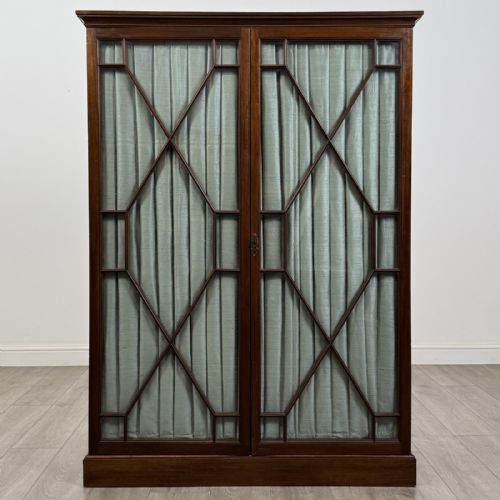
- Timber bars dividing glass panes within a door. These slender wooden strips often form geometric or Gothic patterns across the upper section.
- Vitrine
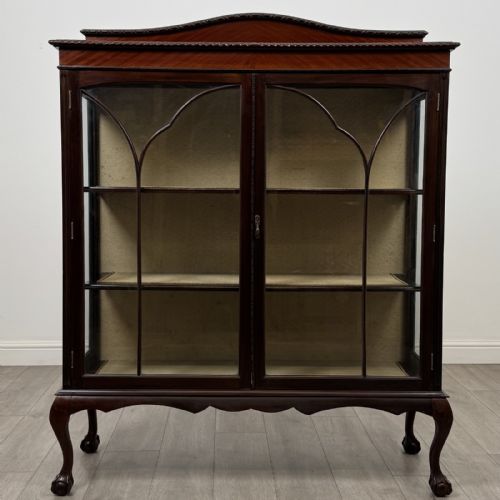
- A glass-fronted display cabinet intended for porcelain and ornaments. These pieces rely heavily on all-around visibility rather than heavy book storage.
- Linenfold
- A carved wood panel motif resembling folded cloth. This decorative technique appears frequently on Edwardian oak furniture.
- Pier cabinet
- A low cabinet designed to fit wall spaces between windows. These slim display pieces often feature walnut or mahogany construction.
- Dwarf cabinet
- A low-standing storage unit keeping the top surface at shoulder height. This proportion allows items to be displayed on top while maintaining easy access to the upper shelves.
Vintage Glazed Bookcase Cupboard: Frequently Asked Questions
What is a glazed bookcase cupboard?
A glazed bookcase cupboard is a combination piece featuring glass doors on top for books or display and solid wooden doors below for concealed storage.
These hybrid units served both formal libraries and practical household spaces across the eighteenth, nineteenth and twentieth centuries.
How do I date a wooden bookcase?
Dating relies on examining the timber species, construction methods, hardware and stylistic details present in the piece. Eighteenth-century items often show Georgian proportions, while Victorian and Edwardian examples utilise different veneer thicknesses and factory methods.
Interior linings, drawer dovetailing and glass manufacture also provide reliable clues for establishing the era of construction.
Where were these cupboards used?
These storage units stood in libraries, drawing rooms, studies and country house kitchens depending on their size and material. Tall library bookcases held reference volumes, whereas kitchen dressers stored china and provisions.
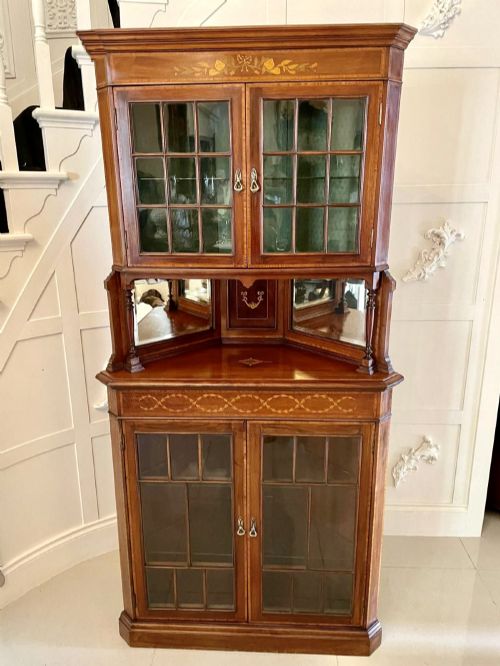
Smaller corner cupboards utilised neglected room junctions to maximise display space without cluttering floor areas.
How do I care for antique glass?
Antique glass requires gentle cleaning with soft cloths and mild solutions to preserve the delicate original panes. Many older panes contain minor bubbles and uneven thickness that demand careful handling.
Wooden frames surrounding the glass benefit from occasional waxing to maintain the moisture balance of the timber.