
Dark Wood Bird Carving
These dark wood bird carving pieces bring expressive foliage, eagles, and owls into a room through nineteenth-century craftsmanship.
Dark Wood Bird Carving
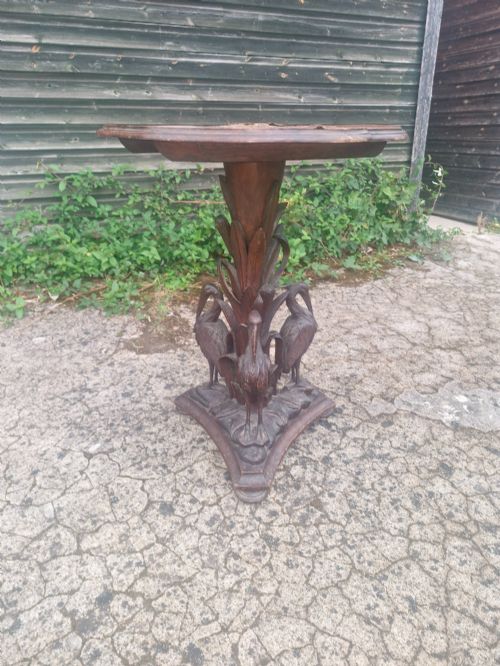
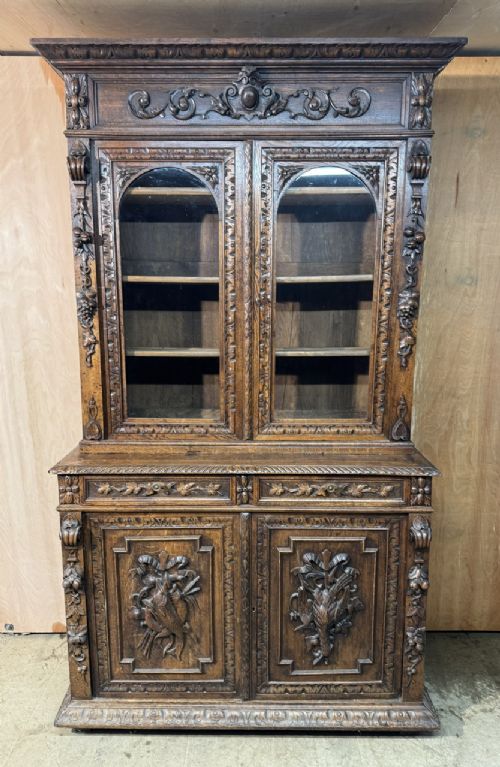
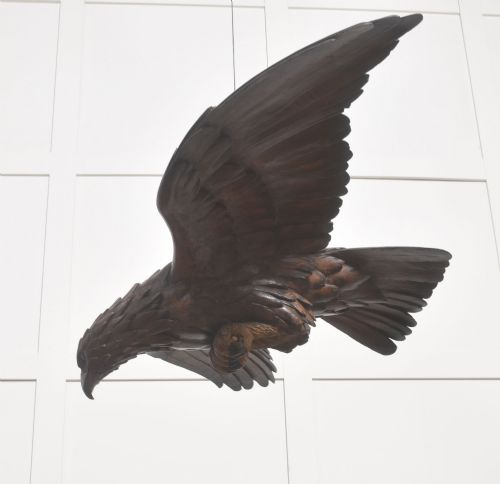
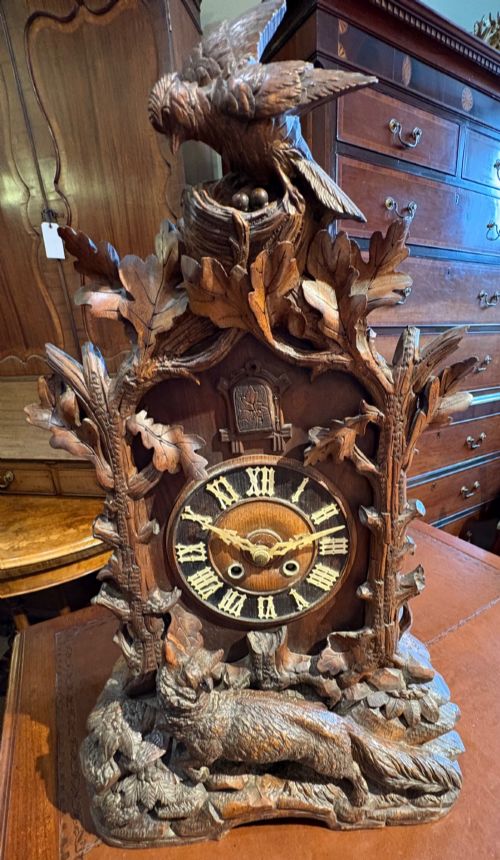
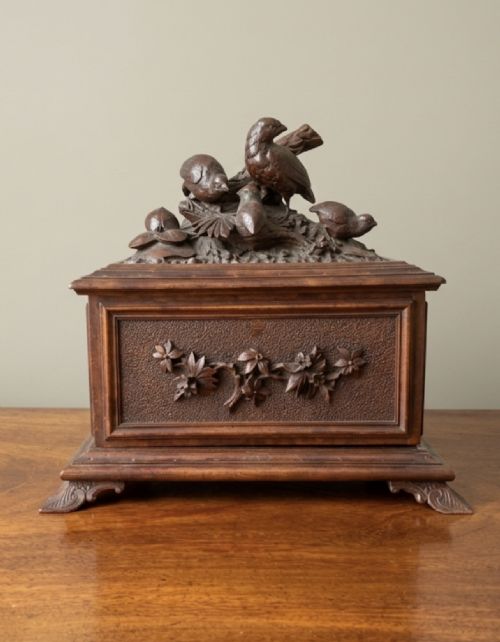
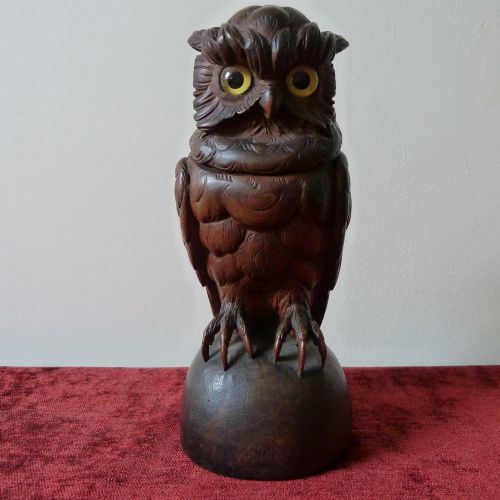
A dark wood bird carving encompasses decorative wall mirrors, inkwells, clocks, and sculptural figures created during the nineteenth and early twentieth centuries. Buyers seeking a dark wood bird carving commonly encounter Black Forest styles featuring eagles, hawks, and owls rendered with deep relief.
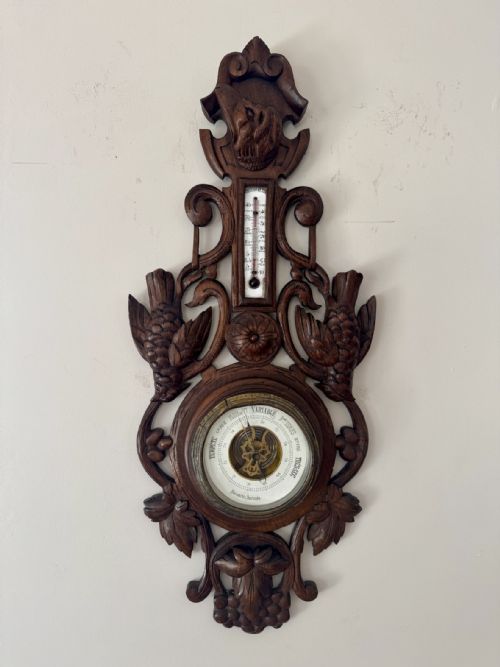
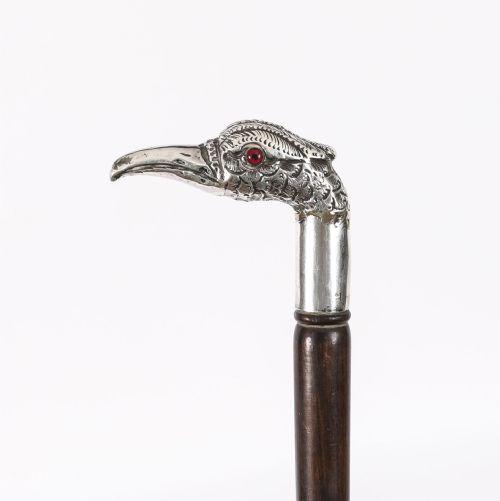
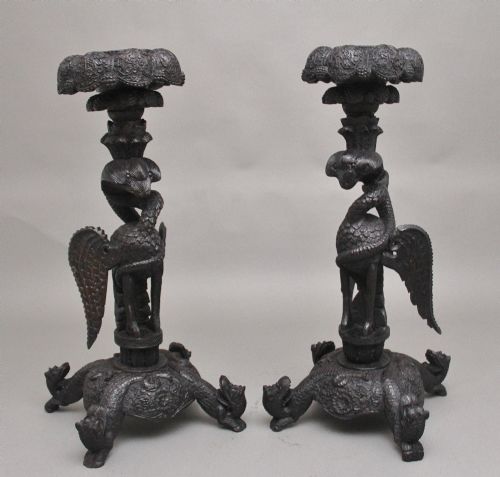
The objects span practical furnishings such as humidors, stick stands, and barometers alongside purely decorative animal sculptures. European and Anglo-Indian workshops produced these items utilising native and exotic timbers to depict avian subjects in domestic settings.
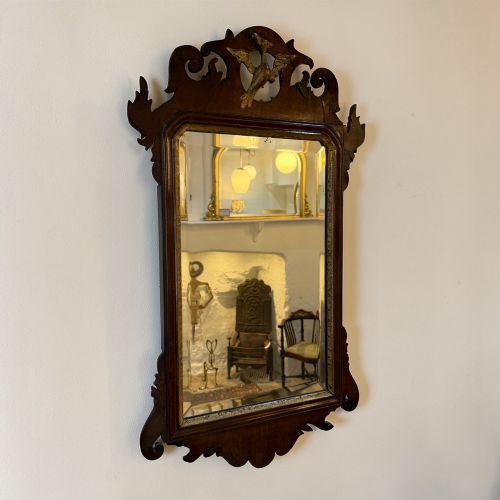
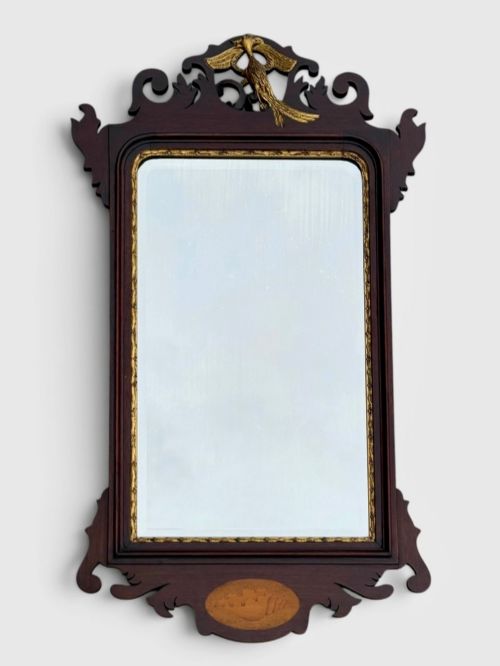
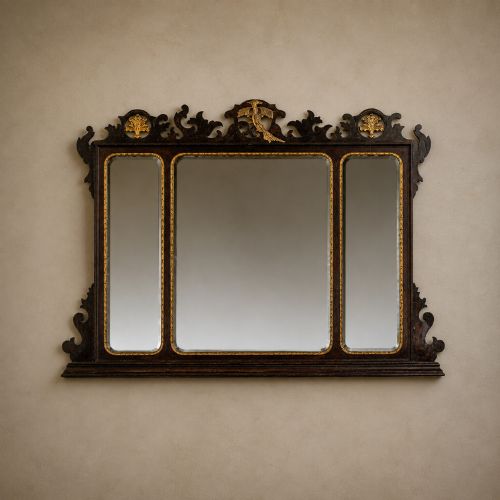
Many examples incorporate architectural mirror frames topped with crested birds, referencing earlier Georgian and Chippendale aesthetics. The prevalence of nineteenth-century items shapes the core selection available to collectors today.
Materials and construction
Carpenters and carvers shaped these pieces from hardwoods such as walnut, oak, mahogany, and general carved wood stock. Artisans employed hand chisels and gouges to undercut feathers, wings, and branch supports with dimensional depth.
Surface treatments relied on traditional polishing and waxing to accentuate the grain pattern of the dark timber. Selected items combined the carved wooden elements with glass mirrors, brass hardware, or bone inlay.
Assessing quality and execution
The distinction between standard production and superior work rests entirely upon the anatomical precision of the carving. Master carvers rendered feather textures and muscular tension with lifelike accuracy, whereas lesser pieces remain stiff and formulaic.
Depth of relief and compositional balance dictate the visual impact of mirrors and wall brackets. Integration between the avian subject and the functional object demonstrates the maker's sculptural competence.
Gabriel Viardot·Gyoko
The Dark Wood Bird Carving Glossary
- Black Forest
- A regional style of woodwork originating from central Europe, known for realistic depictions of local fauna and deep leaf ornamentation. This tradition accounts for the majority of avian figures in the category.
- Garniture
- A set of three or more ornamental objects designed to be displayed together on a mantelpiece or sideboard. These sets often share matching carved motifs and timber types.
- Treen
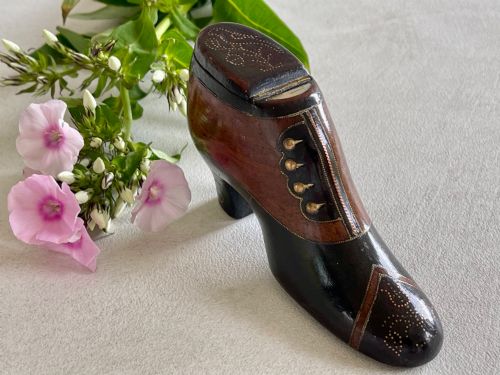
- Small handmade wooden objects for domestic use, encompassing snuff boxes and small containers. These items display utilitarian function combined with decorative carving.
- Chinoiserie
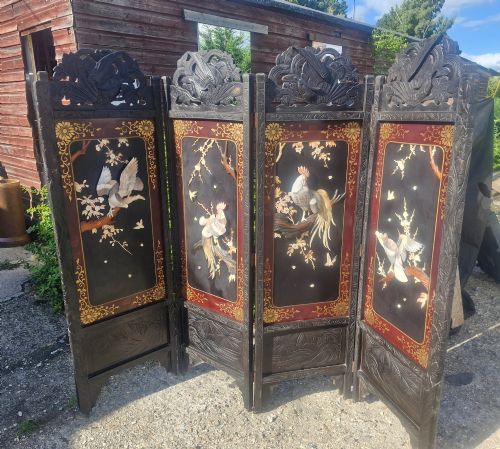
- European artistic style reflecting Chinese aesthetic influences, frequently applied to lacquered or carved furniture. Pieces in this style sometimes incorporate exotic birds alongside floral elements.
Dark Wood Bird Carving: Frequently Asked Questions
What periods do these carvings date from?
The available pieces predominantly date from the nineteenth century, with Victorian and Edwardian examples appearing frequently alongside a few earlier or later items.
Craftsmen from regions like the Black Forest and Anglo-Indian workshops produced the bulk of these items between eighteen-eighty and nineteen-ten.
How were these carved bird items used?
Many items served practical daily functions as inkwells, barometers, clocks, and wall mirrors within period interiors.
Others functioned purely as decorative sculptures, wall brackets, or mantel garnitures designed to display the carver's skill.
Which woods are most common?
Walnut, oak, and mahogany appear regularly across the furniture and mirror frames in this category.
General hardwood and carved timber stock were also utilised by European and Asian workshops for smaller animal figures.
How do I distinguish Black Forest pieces?
Black Forest carvings are identified by their characteristic deep relief work depicting local wildlife such as eagles, owls, and hawks.
These items often feature naturalistic oak leaf or branch motifs integrated into mirrors, clocks, and desk accessories.