



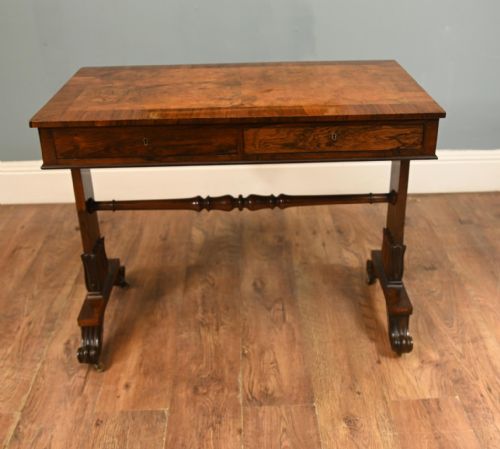


Dark Walnut Hall Table
A dark walnut hall table anchors an entrance with deep timber tones and period presence, drawing the eye toward refined grain and carved detail.
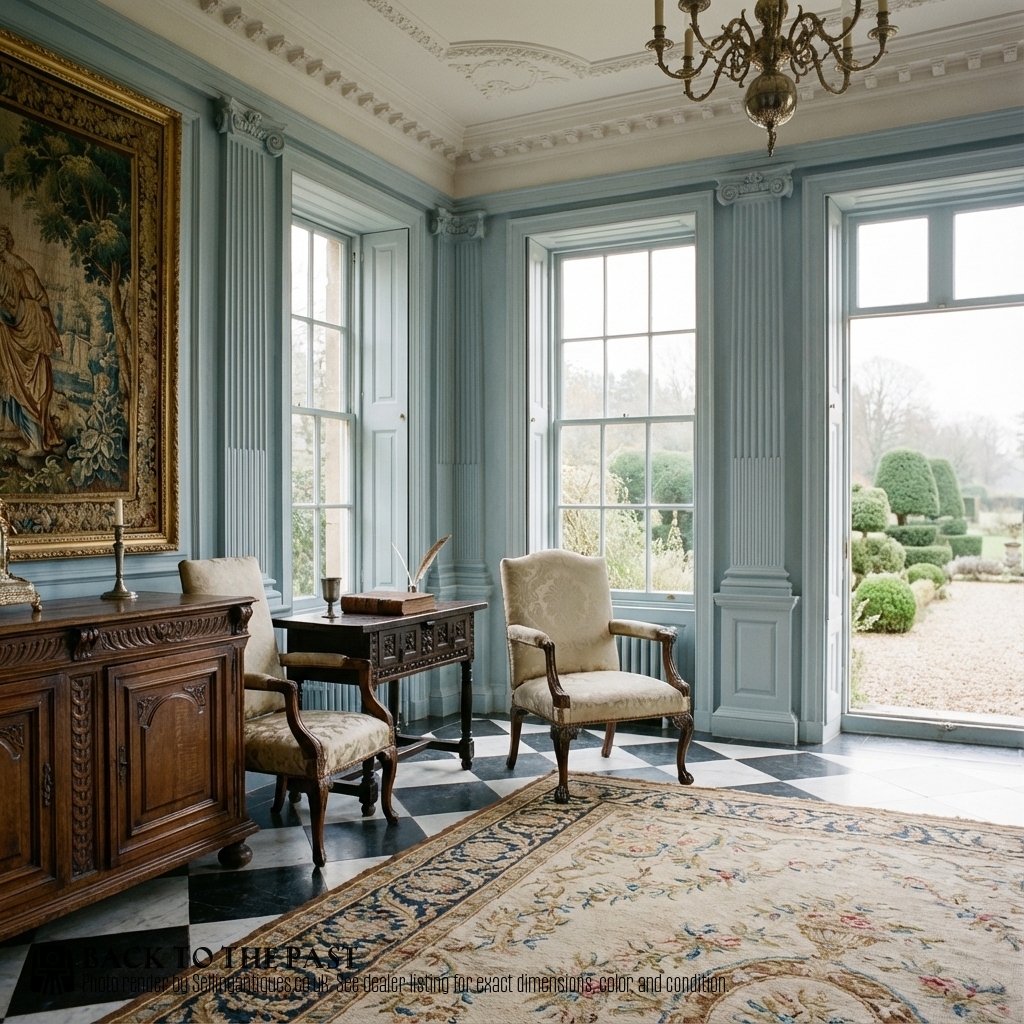
Dark Walnut Hall Table
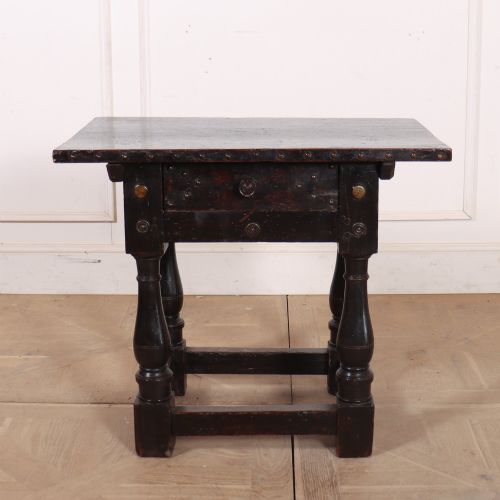
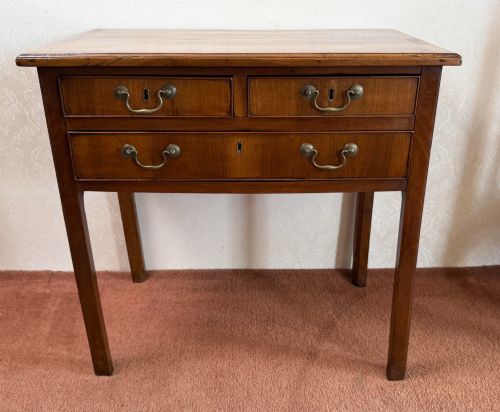
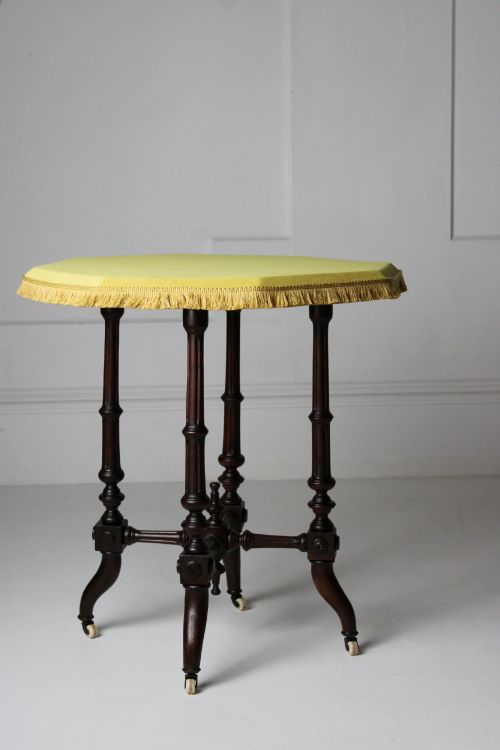
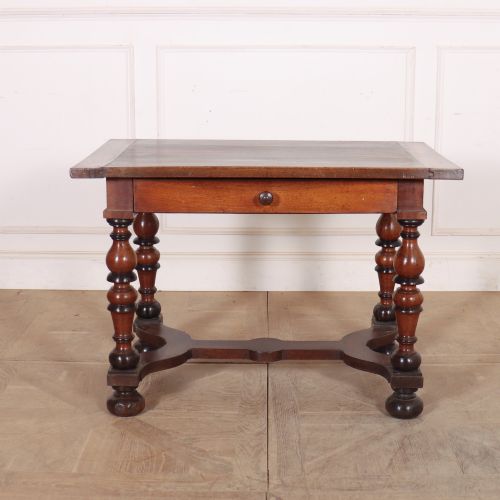
A dark walnut hall table combines compact proportions with deep timber colour to serve narrow entranceways and landings. These pieces appear across 17th-century, 18th-century, and Victorian periods, taking forms such as side tables, console tables, lowboys, and occasional tables.
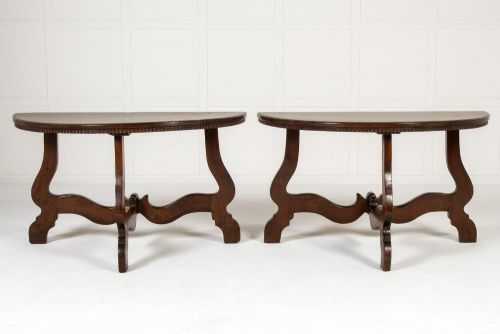
Italian, Spanish, French, and English workshops shaped these designs, incorporating demi-lune shapes, rectangular tops, and turned spindle bases. The selection leans heavily toward side and console formats suited for narrow circulation spaces.
Materials and construction
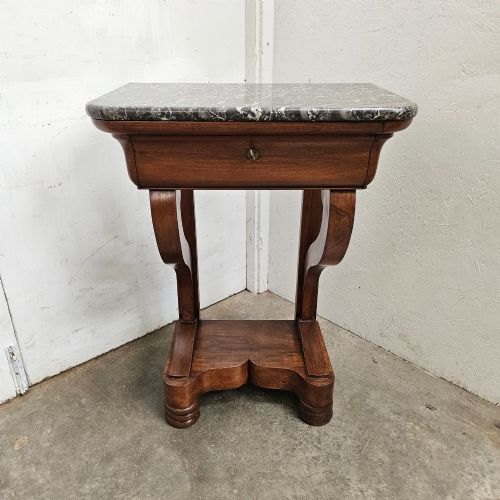
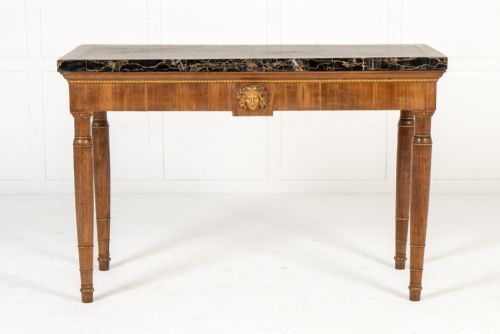
Makers utilised solid walnut and burr walnut veneers, often combining fruitwood, mahogany, or iron to build structural stability and decorative contrast. Tops frequently integrate marble, tooled Moroccan leather, or parquetry patterns.
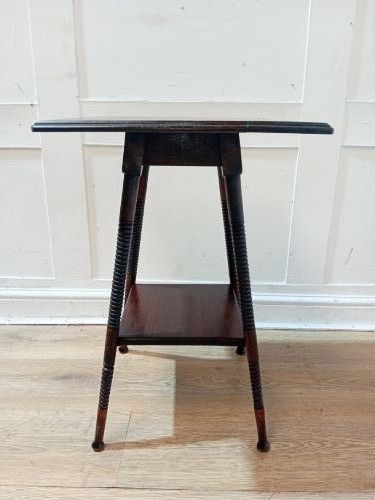
Joinery methods include drawer construction with multiple compartments and turned elements like barley twists or spindle legs. Original patinas and marquetry detailing demonstrate period hand-working techniques.
The selection includes Spanish Baroque, Victorian Arts & Crafts, and Georgian periods utilising walnut, marble, and wrought iron.
Quality variations
The degree of refinement rests in the depth of the walnut grain, the crispness of carved details, and the preservation of original patination. Burr walnut veneers and intricate marquetry indicate higher ambition from the maker.
Structural integrity relies on the retention of original timber elements, such as fitted drawers, marble inserts, and leather surfaces, rather than later replacements.
William Birch·Liberty of London
The Dark Walnut Hall Table Glossary
- Lowboy
- A small table with drawers, typically raised on four legs, functioning historically as a dressing or side table. These pieces offer low proportions suited to compact spaces.
- Console table
- A table designed to stand against a wall, frequently secured with brackets or resting on front legs. These forms often feature marble tops.
- Demi-lune
- A half-moon shape used for console and side tables placed flat against a wall. This profile minimises floor space intrusion in narrow halls.
- Parquetry
- Geometric patterns formed by small pieces of wood fitted together on a surface. This technique highlights the tonal variations of walnut.
- Barley twist
- A turned column resembling a spiral rope, popular on legs and stretchers during the 17th and 19th centuries. It adds visual movement to heavy timber furniture.
Dark Walnut Hall Table: Frequently Asked Questions
Where do I place a hall table?
These tables sit against entrance walls or narrow corridors where surface space is needed without blocking movement. Their shallow depth allows clearance for doors and foot traffic.
Console and side variants anchor mirrors or lamps while maintaining a tidy threshold for incoming visitors.
What maintenance does walnut require?
Burr and plain walnut surfaces benefit from occasional application of quality wax to preserve moisture and deep colour. Avoid placing timber near direct heat sources to prevent shrinkage.
Marble-topped variants need simple wiping with a damp cloth to protect the stone from staining.
Are marble tops original?
Many 19th-century console tables integrate fitted marble surfaces designed to handle heavy use and decorative objects. The weight and edge profile usually match the timber base construction.
French and Italian examples frequently utilised marble to contrast with dark walnut frames.