



Dark Walnut Dining Table
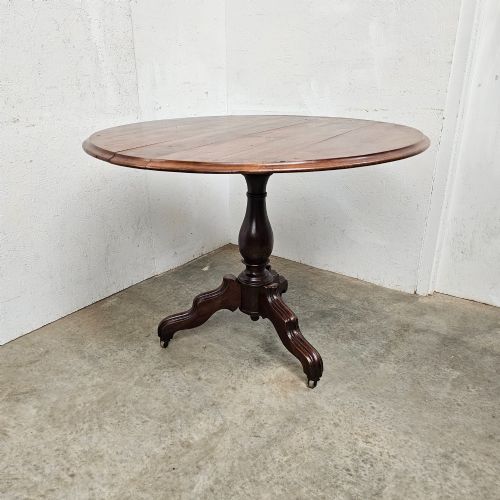
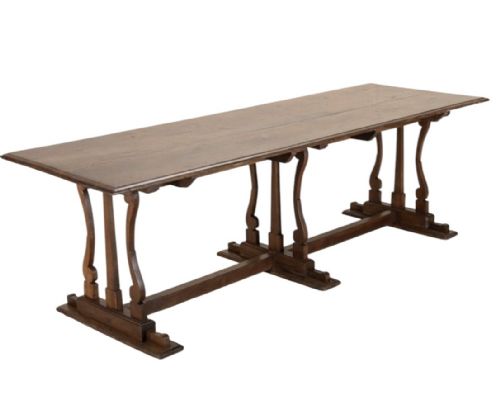
These dark walnut dining table pieces bring deep grain and enduring joinery to the room, built to seat a household for generations.
What these tables are
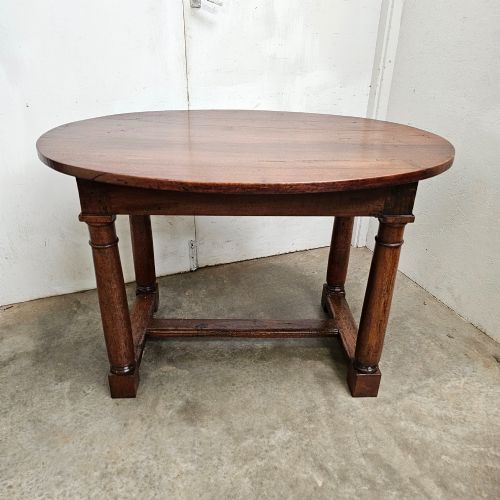
A dark walnut dining table draws the eye with rich, warm timber and substantial proportions. These surfaces serve daily meals and large gatherings alike, anchored by sturdy bases designed to bear heavy weight.
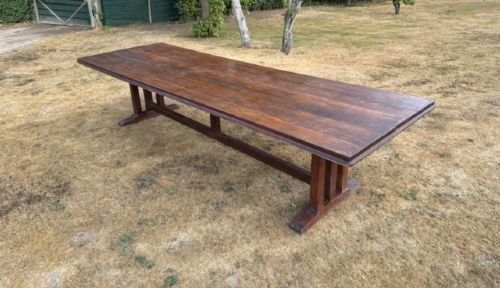
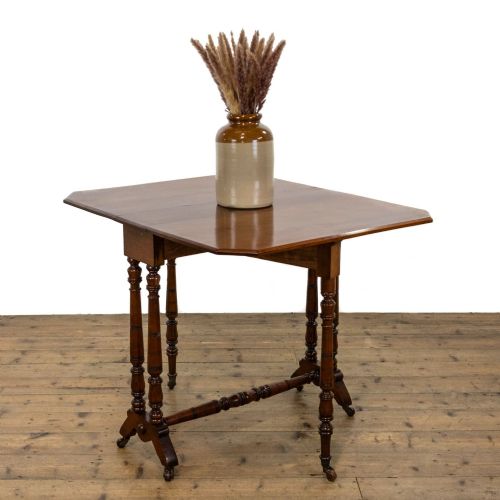
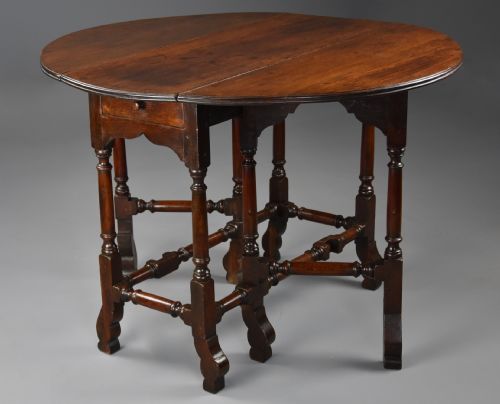
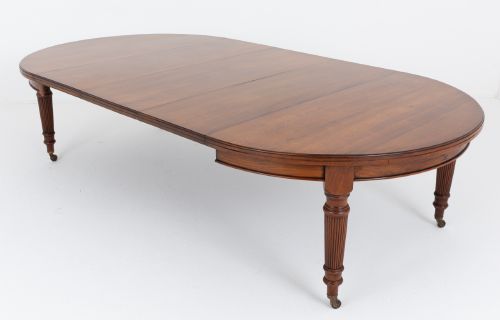
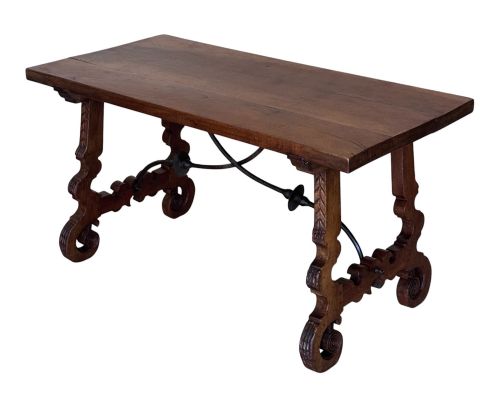
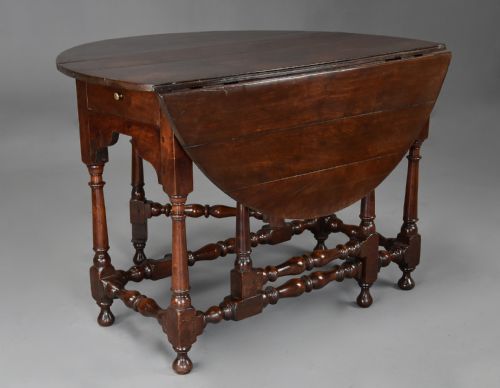
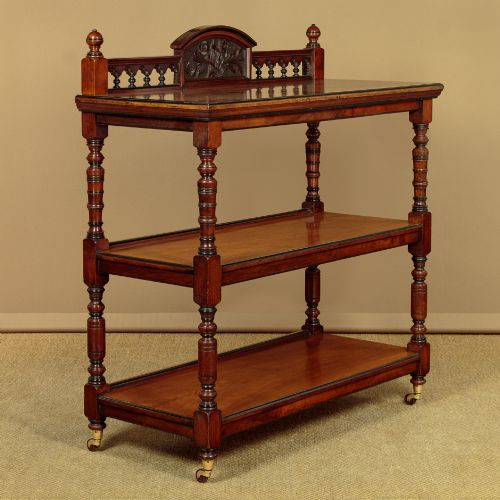
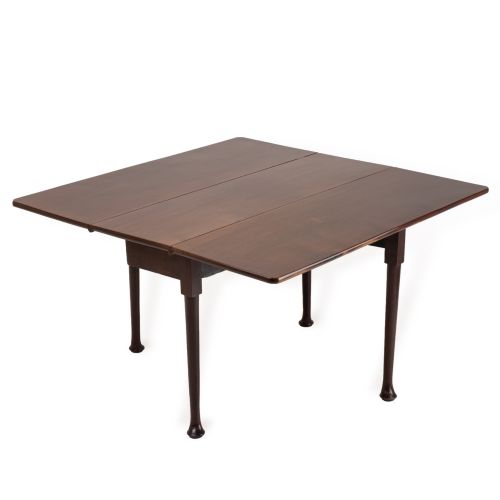
The selections here span centuries of craftsmanship, ranging from seventeenth-century gateleg designs to nineteenth-century extending formats. Buyers will encounter trestle supports, carved bases, and pull-out mechanisms fitted with extra leaves.
Origins stretch across Spanish Baroque, Italian Renaissance, and Victorian traditions. Walnut remains the defining material throughout, offering both structural strength and a dark, figured surface.
How they were made
Carpenters built these dark walnut dining table examples using solid timber for tops and structural frames. Joinery relied on traditional pegging and mortise techniques to lock legs and trestles securely into place.
Metal components such as brass and wrought iron appear in hinges, extending mechanisms, and structural braces. Carved elements on bases show hand chiselling directly into the dense walnut medium.
Retail Price Guide 2026
Typical UK retail prices for dark walnut dining table, calculated from the Sellingantiques database of over a million retail prices indexed since 2003. This retail price guide relies exclusively on Sellingantiques data; no external sources or auction records are used, so the figures do not describe the wider market.
Spanish artisans carved heavy walnut trestles by hand while blacksmiths hammered wrought iron braces to keep feasts secure.
What varies in quality
The distinction between standard and superior pieces lies in the choice of timber and the depth of hand carving on the base. Tables featuring well-figured walnut grain and integrated extension systems demonstrate greater workshop skill.
Earlier centuries rely on simple gateleg or trestle construction where structural integrity depends on the precision of the timber joints. Later Victorian iterations introduce mechanical leaves that require smooth operation.
The Dark Walnut Dining Table Glossary
- Walnut
- A hard, dense timber prized for rich dark colour and varied grain patterns. It forms the primary material for all pieces listed here.
- Trestle table
- A form consisting of two or more vertical supports connected by a horizontal beam. This design provides sturdy legroom beneath the top.
- Gateleg table
- A table with hinged leaves supported by swing-out legs that resemble a opening gate. This allows the surface area to expand or fold down.
- Extending table
- A dining surface fitted with mechanisms or extra leaves to increase length. Nineteenth-century examples often use pull-out tracks.
- Spanish Baroque
- A decorative style characterised by bold forms and dark wood. It influences several of the heavy trestle tables in this selection.
Frequently Asked Questions
How do I maintain the walnut surface?
Keep the timber away from direct heat sources and moisture to protect the finish. Regular dusting and occasional waxing preserve the natural sheen of the wood.
Avoid harsh chemical cleaners that strip the original patina. Simple care ensures the surface remains resilient against daily use.
How do extending leaves work?
Nineteenth-century formats typically feature a pull-out mechanism where the main top splits apart. Additional leaves drop into the central gap to lengthen the surface.
Ensure the tracks remain clean and lightly lubricated so the sections move smoothly. Proper alignment prevents strain on the structural frame during extension.
What is a trestle base?
A trestle base uses upright supports linked by a central stretcher beam rather than four corner legs. This configuration maximises seating space along the sides.
Historical examples rely on heavy timber wedged together with wooden pegs. This construction method offers exceptional stability for large dining surfaces.
How do I tell the periods apart?
Seventeenth and eighteenth-century examples often feature simple gatelegs or heavy trestles with sparse carved detail. Walnut grain and joinery styles reveal the age of the timber.
Victorian pieces introduce mechanical extending systems and more ornate carved bases. C1890 markers point toward late nineteenth-century industrial developments in furniture making.