


Dark Walnut Box
A dark walnut box offers deep timber tones and lasting storage, spanning centuries of craftsmanship from small desk accessories to large coffers.
Dark Walnut Box
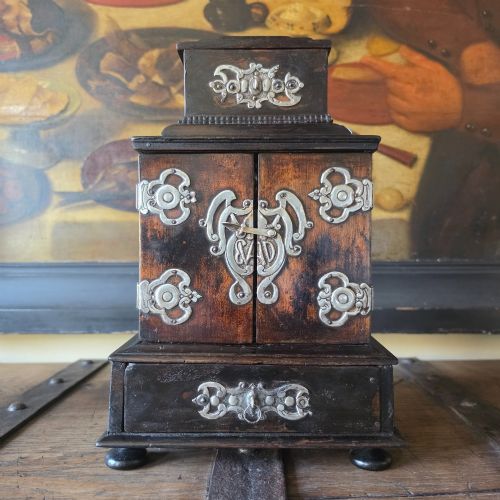
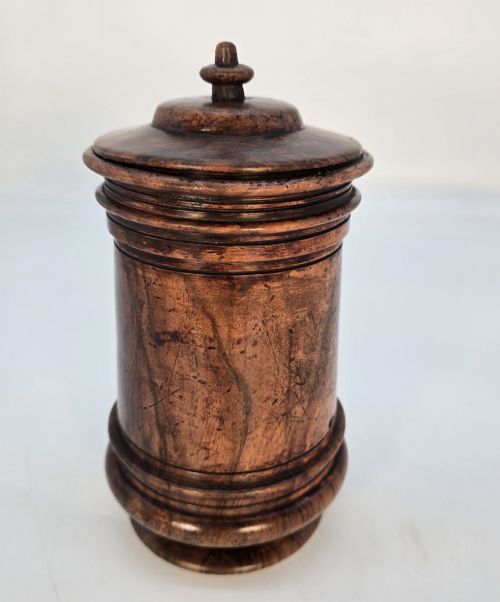
A dark walnut box encompasses a wide range of functional containers, from small jewellery cabinets and tobacco jars to writing slopes and tea caddies. These pieces serve practical storage needs while displaying rich, dark timber figures across surfaces that have aged over generations.
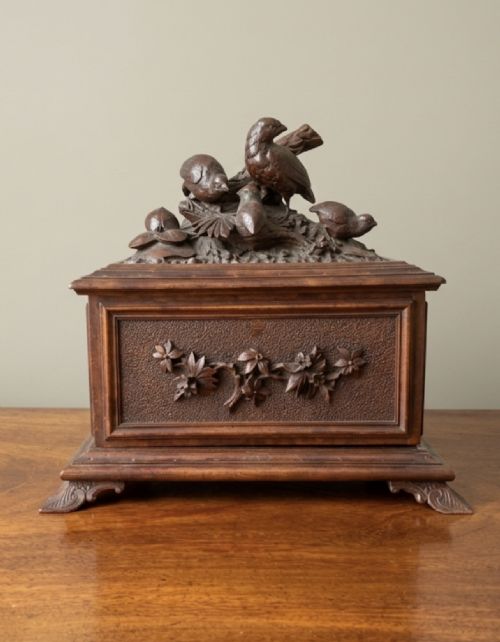
The selections span the 17th, 18th, and 19th centuries, capturing periods such as the Georgian era and the Victorian age. Forms vary from simple carved wooden snuff boxes and knife boxes to elaborate Black Forest game box sets and Swiss marquetry musical boxes.
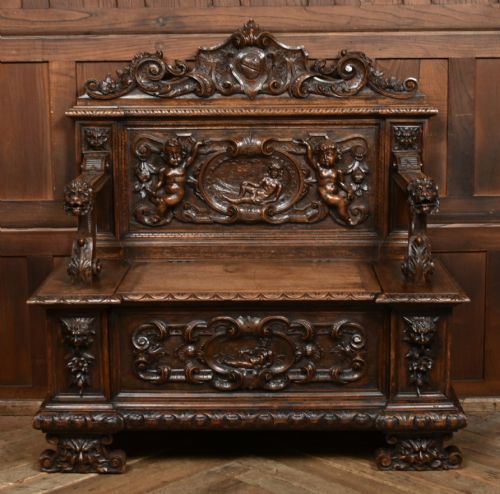
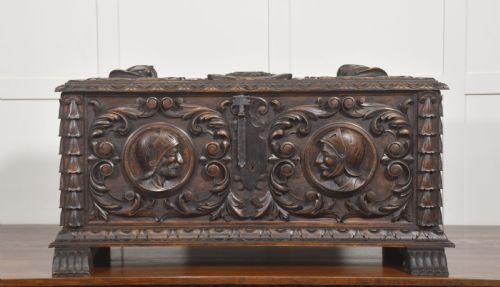
Originating from English, French, Italian, and Swiss workshops, these containers reflect distinct regional tastes. Buyers encounter everything from plain domestic timber work to heavily carved figural medallions and brass-edged joints.
Materials and construction
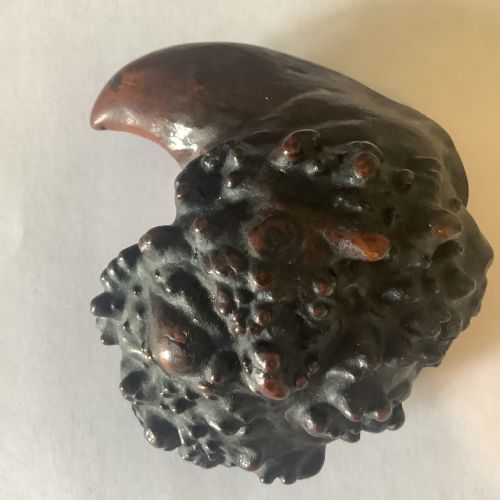
Walnut and burr walnut form the primary structure of these pieces, selected for their grain patterns and deep colour. Artisans often enhanced plain timber panels with marquetry inlay or left the natural burl figuring to stand out.
Metal elements such as brass, iron, steel, and silvered metal appear as hinges, locks, and decorative edging. These functional mounts secure lids and protect corners on writing slopes and cigar cabinets.
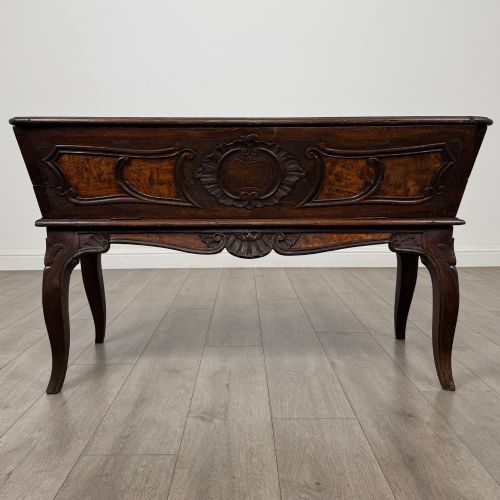
Carved wood techniques define continental styles, particularly in Black Forest items featuring detailed animal motifs and figural medallions. Joinery methods range from dovetailed corners on tea caddies to heavy framing on large coffers and cassapanche.
Listings feature walnut, burr walnut, and brass across periods spanning the eighteenth and nineteenth centuries.
Evaluating the construction and finish
The standard of a dark walnut box rests upon the selection of the timber grain and the precision of its joinery. Superior examples display carefully matched burr veneers and tight, hand-cut dovetails that remain flush over centuries.
Hardware integration marks the division between standard utilitarian storage and finer cabinet work. Original brass locks, flush hinges, and functioning secret drawers elevate the execution of writing slopes and gentleman's cabinets.
Carving depth and clarity distinguish regional decorative work, particularly on Black Forest items and figurative panels. Crisp, undercut details demonstrate a higher level of artisan skill than flat or hurried surface tooling.
The Dark Walnut Box Glossary
- Burr walnut
- A prized veneer taken from the growth growths or burls of the walnut tree, yielding swirling, knotty patterns. Cabinet makers prized this timber for high-status lids and decorative panels.
- Tea caddy
- A small container designed to store dry tea leaves securely under lock and key. These boxes often feature fitted interior compartments and fine hardwood construction.
- Writing slope
- A portable desk featuring an angled writing surface that folds down to reveal compartments for paper, ink, and pens. Many incorporate hidden drawers beneath the writing bed.
- Marquetry
- The art of applying pieces of veneer to a structure to form decorative patterns and pictorial scenes. Artisans used contrasting woods to create intricate surface designs on furniture and boxes.
- Treen
- Small handmade wooden domestic objects and utensils created before the widespread use of plastic. Collectors value these items for their tactile surfaces and historic turning techniques.
Dark Walnut Box: Frequently Asked Questions
How do I care for antique walnut?
Keep wooden boxes away from direct sunlight and steady heat sources to prevent the walnut timber from drying out or splitting. Apply natural beeswax sparingly to maintain the polish and feed the grain.
Avoid placing damp items or heavy moisture directly onto the antique surfaces. Gentle dusting with a soft, dry cloth is sufficient for routine maintenance.
What were tea caddies used for?
Tea caddies stored precious tea leaves when tea was an expensive commodity imported from overseas. Landed households kept these containers locked to protect the contents from servants and guests.
Inside, the boxes typically featured separate lidded compartments for different tea varieties and a small glass or metal mixing bowl.
How do I date a walnut box?
Examine the construction methods, including the dovetailing, hinge types, and interior linings, which changed across different decades. Eighteenth-century pieces often display hand-sawn timber marks and simpler, robust joinery.
Later Victorian examples frequently incorporate mass-produced hardware, brass edging, and complex internal mechanisms like secret drawers or spring-loaded compartments.
Are writing slopes difficult to restore?
Minor repairs to loose brass trim or missing interior velvet liners are straightforward for a skilled restorer. However, replacing missing walnut veneer or repairing warped lids requires specialist woodworking knowledge.
Original locks and secret mechanisms should be preserved wherever possible to maintain the historical integrity of the piece.