

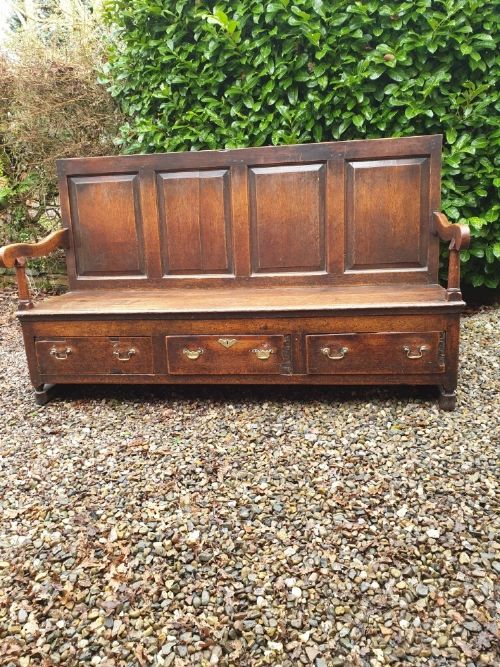
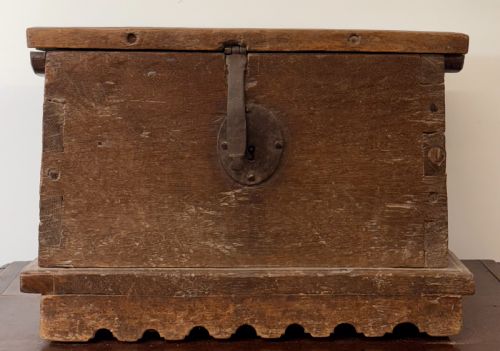
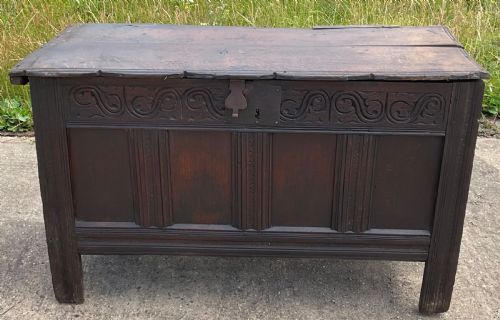
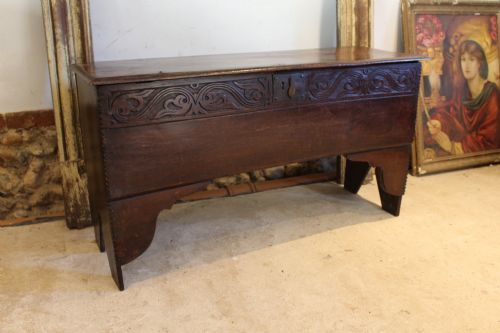
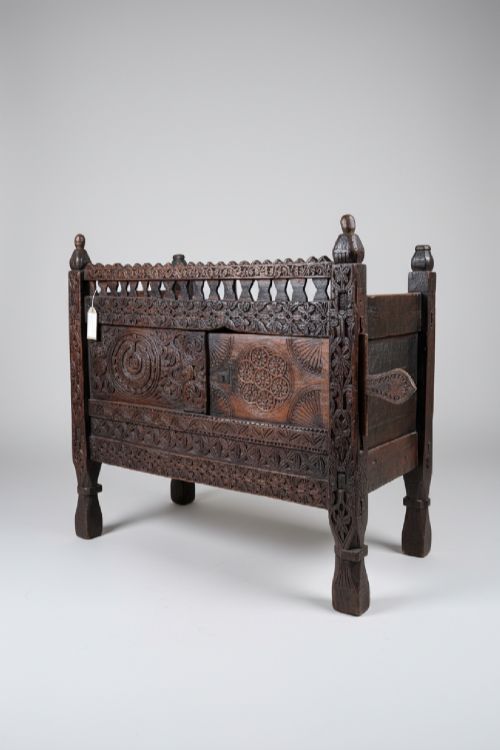
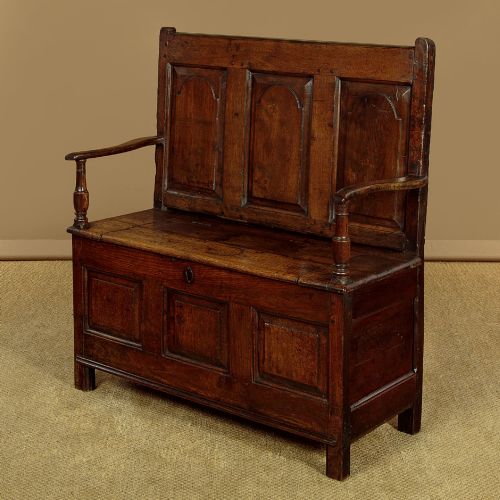


Dark Timber Coffer Box
A dark timber coffer box offers robust historic storage, bringing heavy woods and centuries of domestic utility straight into a modern interior.
Dark Timber Coffer Box
A dark timber coffer box spans robust seventeenth century joined constructions and eighteenth century country pieces, alongside regional variants like six plank elm trunks and small elm benches. These storage vessels served centuries of domestic life as blanket chests, sword chests, and Bible boxes before finding a place in contemporary interiors.
The pieces appearing most frequently across this selection are heavy oak coffers and provincial elm boxes, alongside walnut dough bins and imported hardwood trunks. Buyers will encounter vernacular country items alongside formal Georgian pieces and continental cassones, spanning multiple centuries of cabinet making.
Assessing quality
Quality rests upon the integrity of the timber and the honesty of the construction, distinguishing sturdy period joinery from later alterations. Original board thicknesses, untouched surface patination, and period ironwork separate superior examples from heavily restored boxes.
The distinction between a fine piece and a lesser one lies in the crispness of the hand carving and the retention of original lids, bases, and internal till boxes. Proportion and timber selection dictate whether a box holds genuine historic presence or feels heavy and clumsy.
Listings feature periods spanning from the sixteenth century through the Edwardian era, utilising oak, elm, walnut, teak, and pine.
The Dark Timber Coffer Box Glossary
- Coffer
- A heavy wooden chest traditionally used for storing valuables, documents, or textiles. These sturdy boxes often feature lift up lids and solid timber construction.
- Six-plank
- A primitive form of chest constructed from six individual boards joined directly at the edges with pegs or nails. This method represents some of the earliest vernacular box building techniques.
- Bible box
- A small tabletop or desk box designed to hold sacred texts and writing materials. Many examples feature sloping lids and fitted interior compartments.
- Cassone
- An ornate grand chest originating in Italy, typically constructed from walnut or other fine hardwoods. These storage pieces often display elaborate carving or panel work.
- Mule chest
- A storage chest fitted with one or more drawers beneath the main lifting compartment. This form bridges the evolution between simple coffers and modern drawer chests.
Dark Timber Coffer Box: Frequently Asked Questions
What is a coffer box used for?
These heavy wooden boxes served historic households as secure storage for valuables, linens, and documents.
Today, they function as practical living room tables, blanket storage, or architectural statement pieces in hallways.
How do I date an old oak coffer?
Dating relies on examining the construction methods, tool marks, hinges, and timber shrinkage over centuries.
Joined panel work often points to the seventeenth century, while simpler six plank formats can span multiple eras.
Are these chests made of solid wood?
Period coffers and trunks utilise heavy solid boards of oak, elm, walnut, teak, or camphor rather than veneered panels.
This solid timber construction accounts for their substantial weight and enduring structural survival.
How do I care for dark timber furniture?
Keep wooden chests away from direct heat sources and sudden humidity changes to prevent timber splitting.
Apply traditional wax polish sparingly to maintain the natural dry patinated surface without sealing the grain.