

Dark Rosewood Tea Table
When you need a dark rosewood tea table, you find a dense timber surface shaped by Regency, Victorian, and Anglo-Indian hands to hold evening porcelain.
Dark Rosewood Tea Table
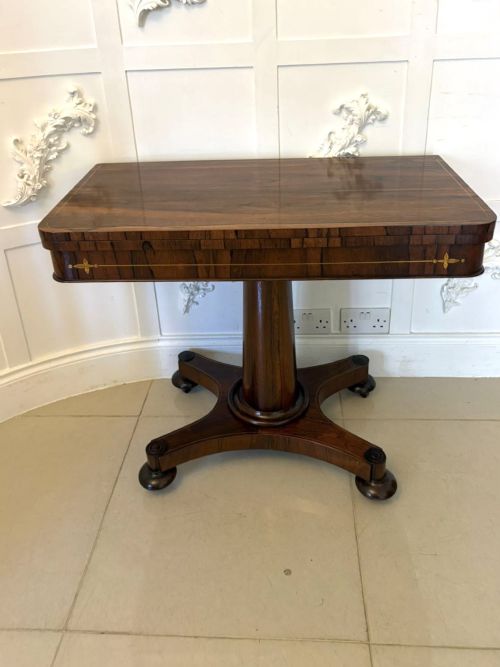
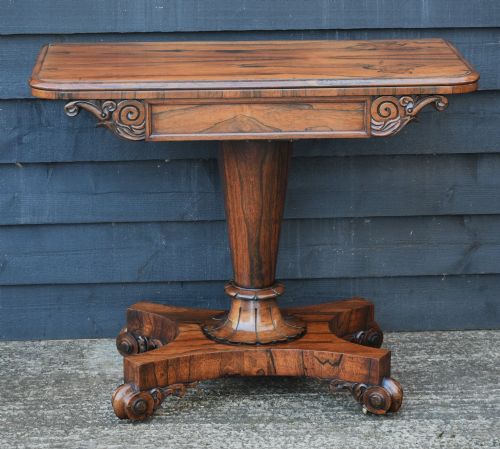
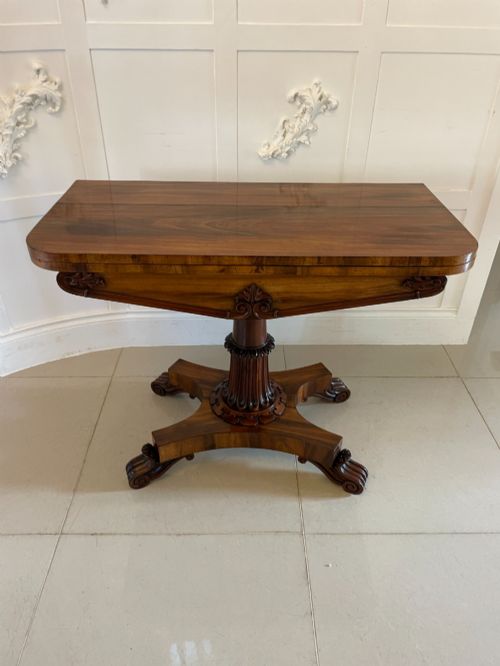
A dark rosewood tea table brings together deep timber grains and fold-over or fixed tops designed for holding evening porcelain and cards. The pieces collected here span the Georgian, Regency, William IV, Victorian, and Edwardian periods, alongside Chinese and Anglo-Indian workshops.
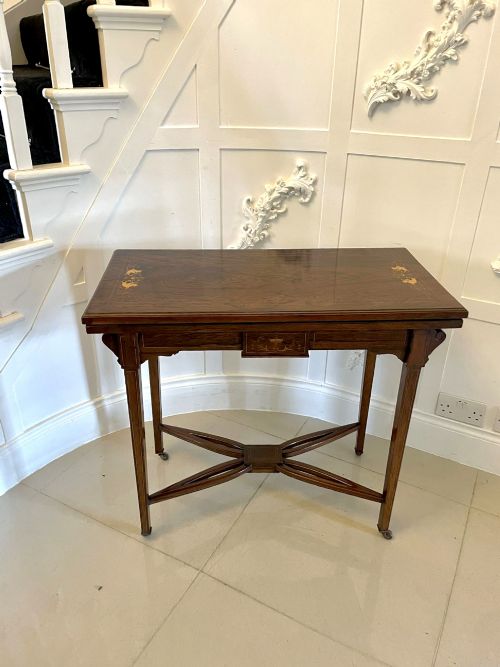
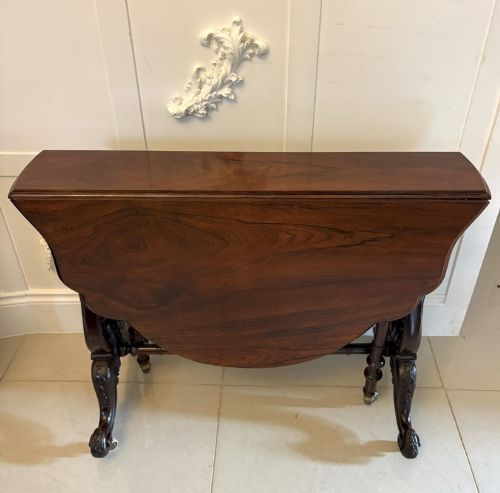
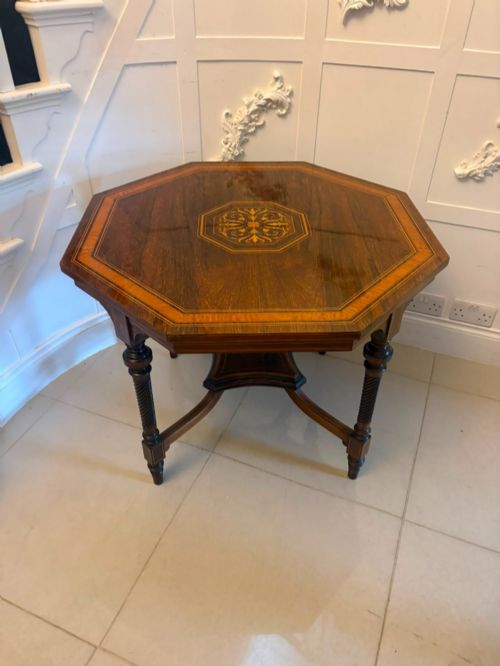
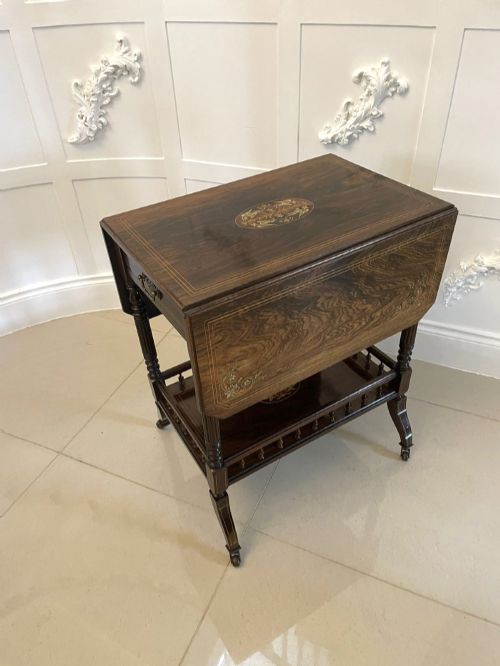
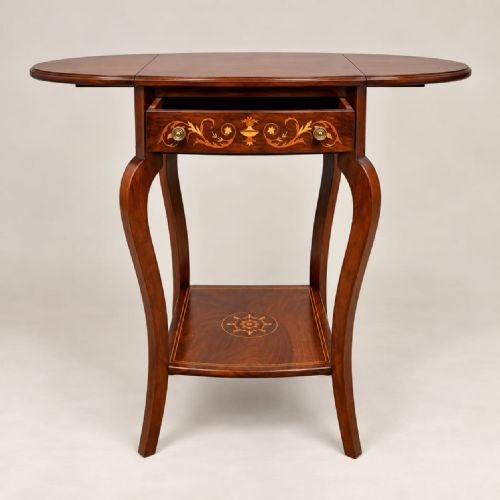
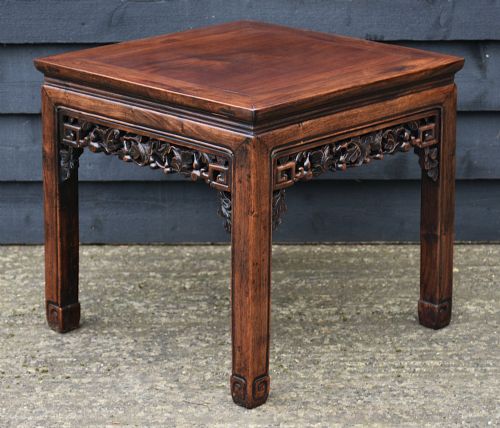
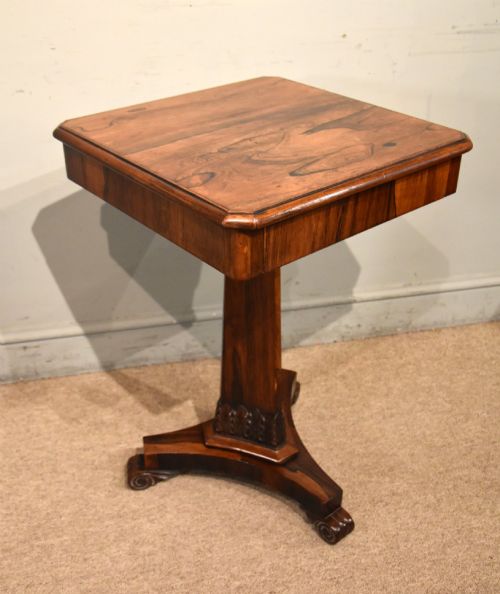
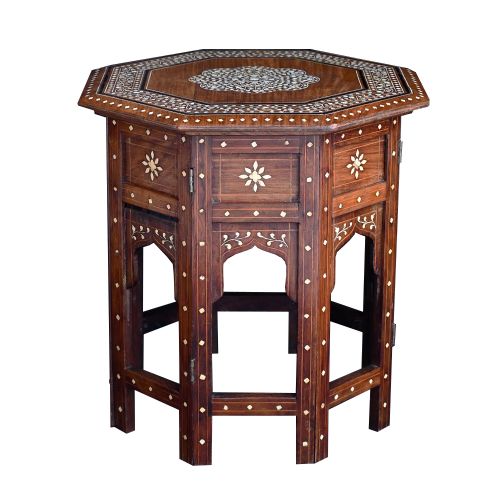
Most examples you encounter on this page date from the nineteenth century, adopting forms such as card tables, drop-leaf occasional tables, and low coffee tables. They range from English pedestal bases with lyre supports to inlaid octagonal surfaces from Hoshiarpur.
Makers utilised the dense weight of the dark timber to construct sturdy centre tables, work tables, and teapoys that stood centrally in period reception rooms. Their versatility meant a single surface could serve for tea service, games, and writing.
What varies in quality
The refinement of the carving and the precision of the brass inlay determine the standing of each piece, distinguishing workshop output from standard production. Crispness in the acanthus leaf details and stability in the pedestal joints reveal the original maker's hand.
Timber selection dictates the depth of the finish, with highly figured grain patterns and uniform dark tones elevating the visual weight of the table. The integrity of the secondary woods inside drawers and beneath leaves indicates the standard of period construction.
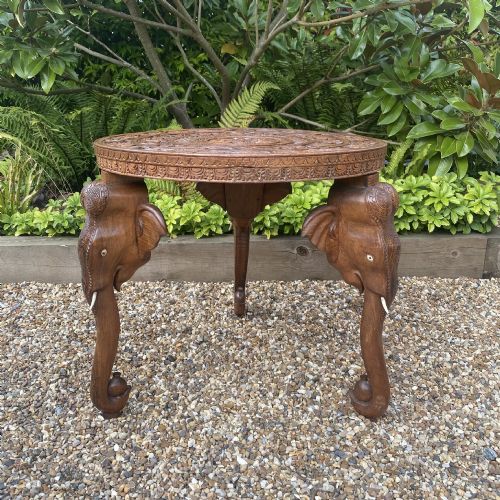
Elephants carved into wood grain watched over nineteenth-century tea rooms long before modern coffee tables arrived.
George Bullock·Liberty and Co·Gillows
The Dark Rosewood Tea Table Glossary
- Teapoy
- A small stand or chest originally used to hold containers of tea before it was brewed in the drawing room. These often sat beside the main tea table on a central pillar.
- Card table
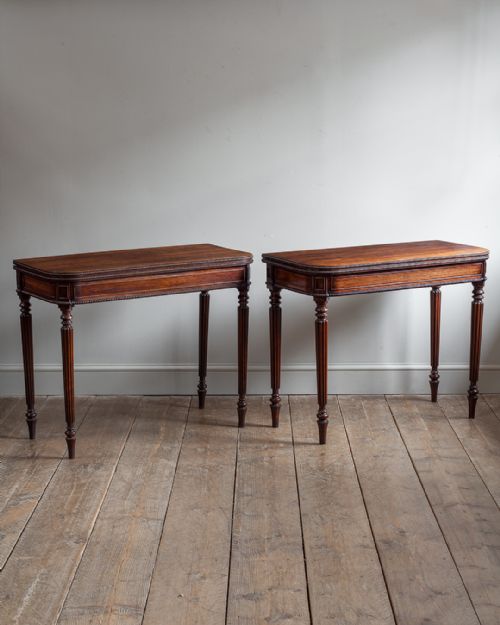
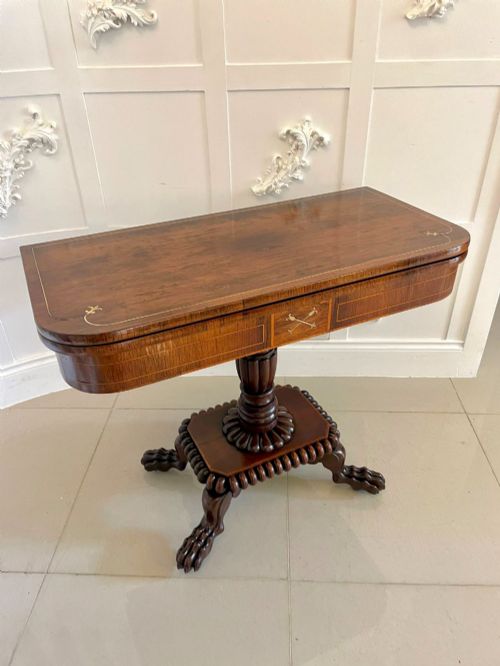
- A folding table with a hinged top that opens to reveal a baize-lined playing surface for evening games. Many examples date from the Regency and Victorian eras.
- Hongmu
- A Chinese term for dense hardwoods, including rosewood, utilised for traditional furniture such as low tables and nests of tables. The material provides a dark, heavy frame.
- Ormolu
- Gilded bronze applied as decorative mounts to furniture legs and friezes during the Regency and Victorian periods. It offers a metallic contrast to dark rosewood.
Dark Rosewood Tea Table: Frequently Asked Questions
How do I spot a Regency table?
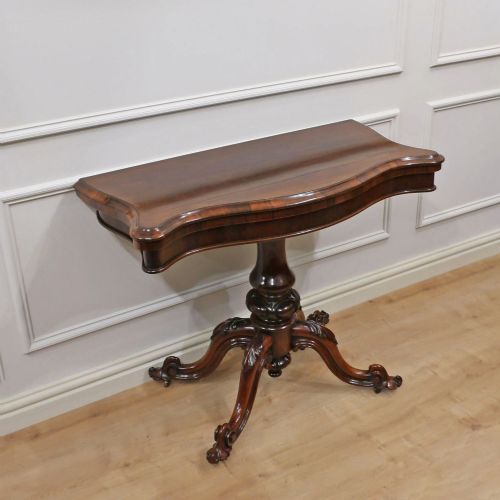
Regency dark rosewood tea tables display architectural proportions, brass inlay, and pedestal bases with carved lyres or paw feet.
They often feature rosewood crossbanding and satinwood stringing that reflect classical design influences from the early nineteenth century.
What is an Anglo-Indian table?
These tables are furniture pieces made in India during the colonial period, typically featuring dense padauk or hardwood.
They are distinguished by intricate chip-carving and bone inlay depicting foliage and animal motifs, frequently associated with Hoshiarpur.
How were tea tables used?
Tea tables served as the centrepiece for afternoon and evening hospitality in the drawing room, holding porcelain teapots and cups.
Many featured fold-over tops that could be closed against the wall when tea service finished to create more floor space.
What is a caddy top?
A caddy top refers to a hinged lid resembling a tea caddy box, fitted to the top of work tables and teapoys.
This design allowed the surface to lift and reveal interior compartments for storing sewing items or tea leaves.