

Dark Rosewood Lamp Table
A dark rosewood lamp table brings rich grain and practical surface area to a corner, drawing on nineteenth-century and Edwardian forms.
Dark Rosewood Lamp Table
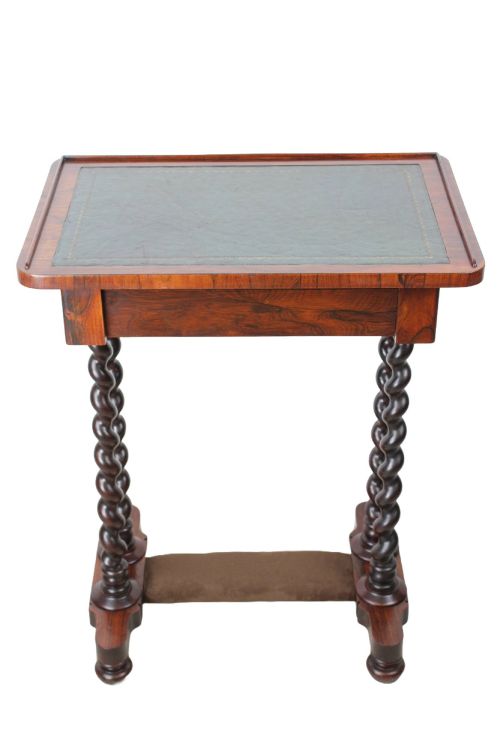
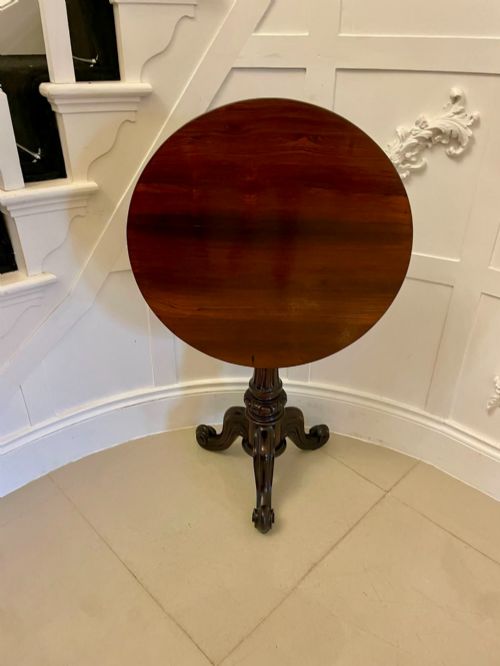
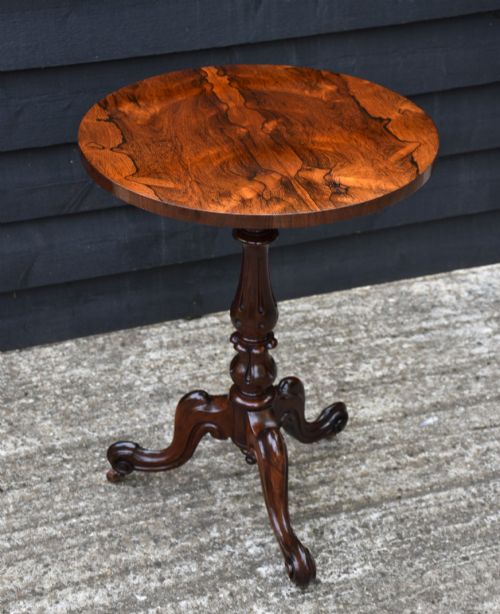
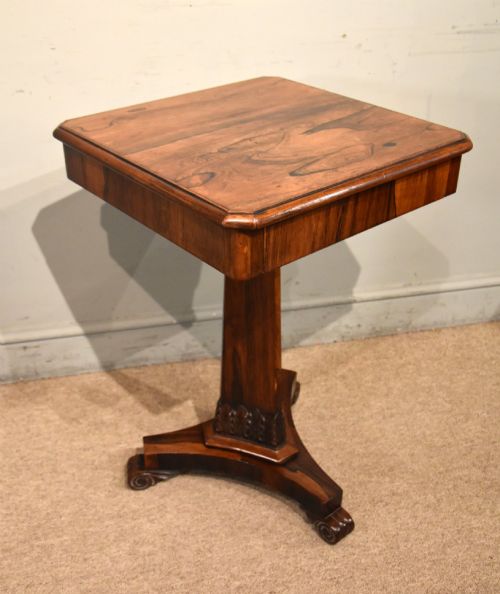
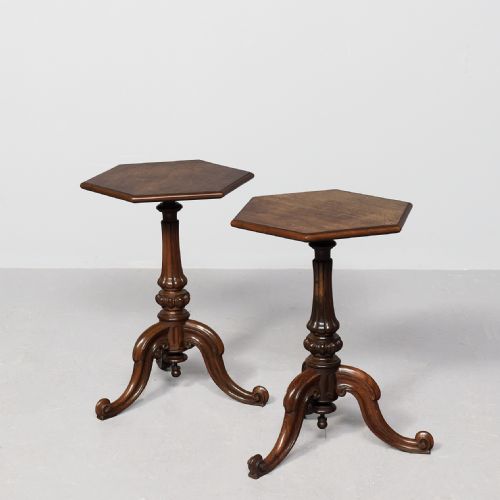
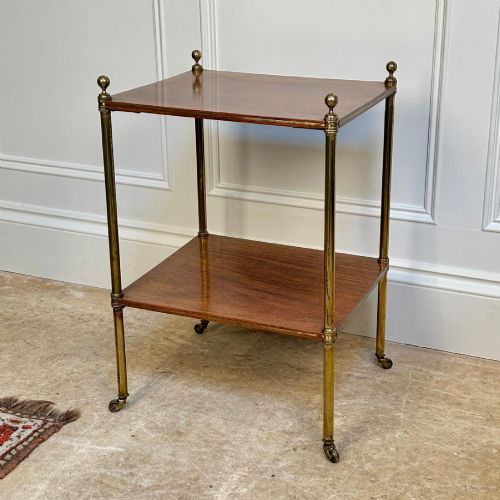
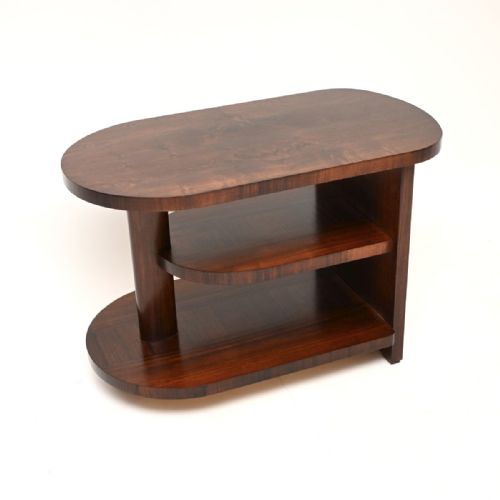
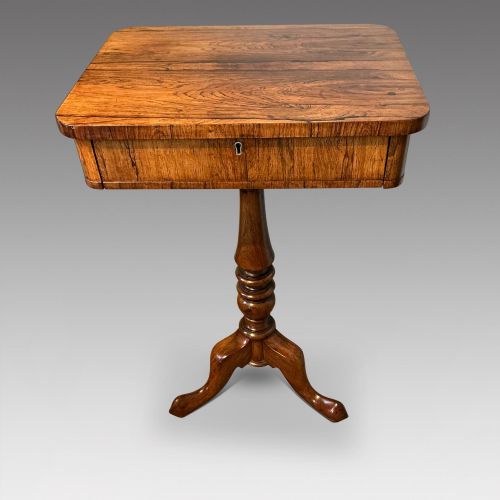
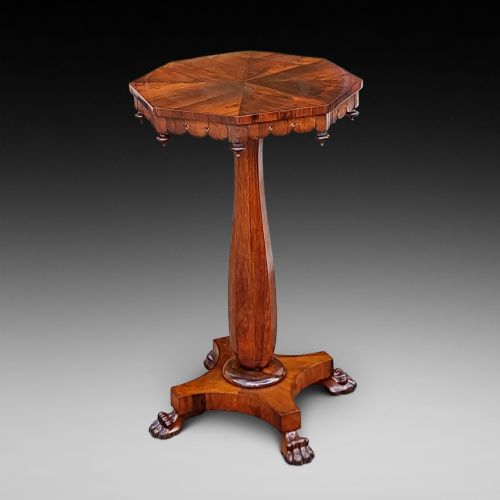
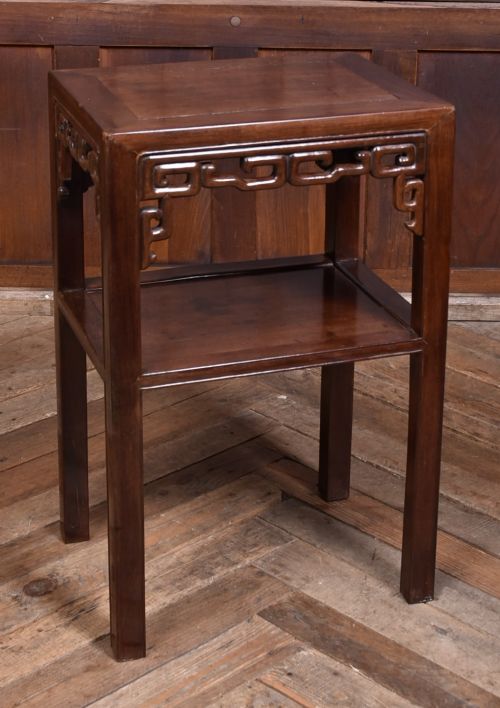
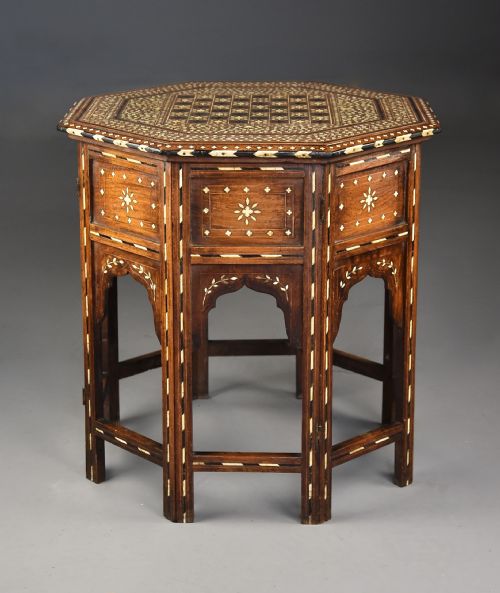
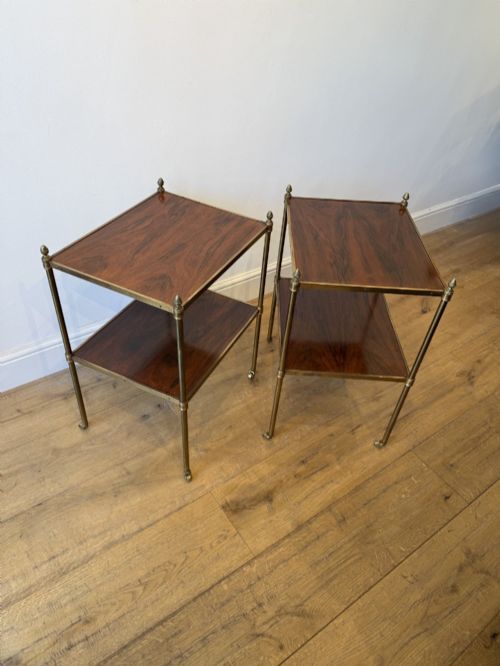
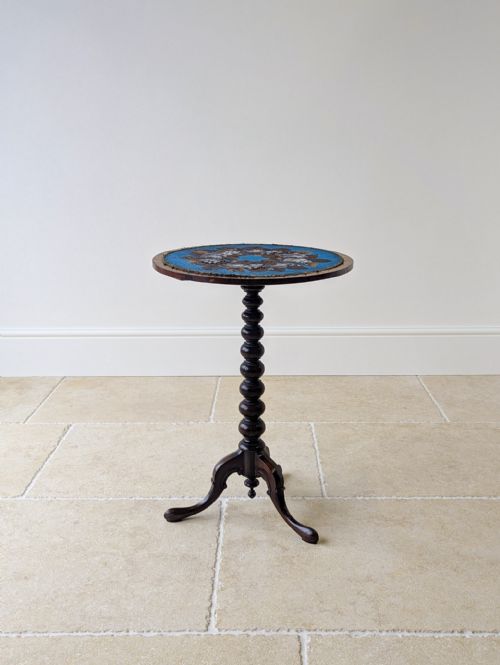
A dark rosewood lamp table functions as a compact surface for lighting and display, appearing frequently across nineteenth-century and Edwardian periods. These tables emerge in forms such as circular tripod stands, square occasional pieces, and two-tier etageres designed for domestic parlours and morning rooms.
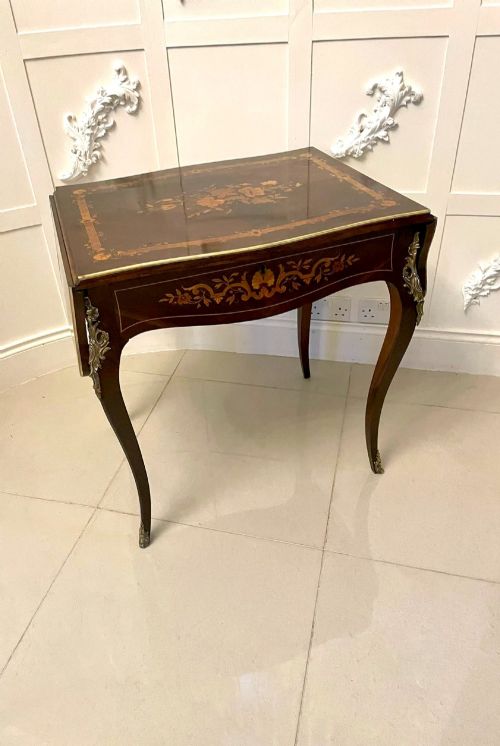
The pieces listed span Regency, William IV, and Victorian eras, alongside Edwardian and Art Deco revivals. Buyers encounter standard side tables alongside specialised variants featuring drop leaves, lower shelves, or inlaid marble tops.
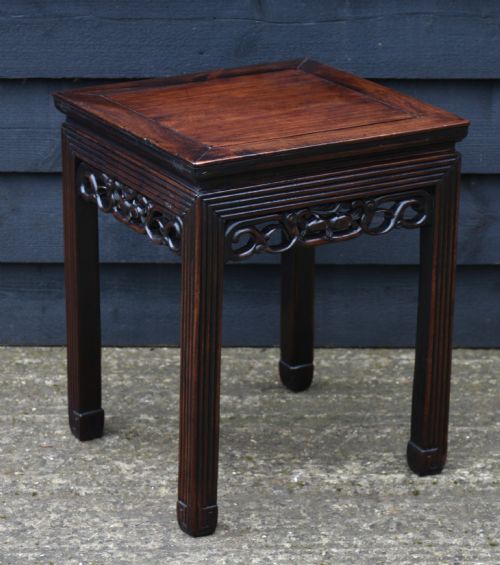
Origins stretch from English workshops to Chinese traditional output and Anglo-Indian Hoshiarpur production. This variety ensures that tables suit both formal period rooms and restrained modern interiors requiring a rich timber accent.
Distinguishing Quality in Construction
Quality rests in the crispness of the inlay work, the depth of the timber polish, and the structural integrity of joints and pedestals. Superior examples display precise brass stringing, unblemished marquetry, and balanced proportions that anchor the table firmly to the floor.
Finer pieces incorporate thoughtful details like finely turned barley twist columns, marble inserts, or multi-tiered shelving supported by robust uprights. Lesser examples rely on plain surfaces with minimal decorative enrichment and simpler joinery methods.
Several tables include clever drop leaves and hidden drawers designed to conceal late-night correspondence or stray spectacles from polite society.
Collingson and Lock·George Bullock·Mallett·Gillow
The Dark Rosewood Lamp Table Glossary
- Rosewood
- A dense, dark timber prized for its prominent figuring and heavy weight. It forms the primary structural and visual medium for these tables.
- Marquetry
- Decorative patterns formed by fitting together thin veneers of various woods. This technique adorns tabletops with intricate geometric or floral designs.
- Tripod Table
- A small table supported by a central pillar resting on three legs. This format allows the top to remain stable on uneven floors.
- Etagere
- A set of open shelves for displaying small objects. These tiered structures provide multiple surfaces within a compact footprint.
- Crossbanding
- A strip of veneer applied to the border of a tabletop with the grain running perpendicular to the centre. This frames the main panel visually.
- Stringing
- Thin inlay lines of contrasting wood or metal set into the surface. It outlines geometric shapes and panels on the table top.
Dark Rosewood Lamp Table: Frequently Asked Questions
What is a dark rosewood lamp table used for?
These tables provide a stable surface for reading lamps, decorative vases, and small domestic items. Their compact footprints allow them to fit easily beside armchairs or in neglected corners.
Historically, makers designed them for specific drawing-room tasks, from holding oil lamps to supporting writing materials or serving tea.
How do I identify a Regency period table?
Regency tables typically exhibit classical proportions, dark rosewood surfaces, and restrained brass inlay or stringing. Tripod pedestals and saber legs frequently characterise this period.
Look for clean geometric lines and structural clarity, which distinguish pieces made during the early nineteenth century from later Victorian revivals.
Are these tables suitable for modern living rooms?
Their modest proportions make them versatile additions to contemporary seating arrangements. They provide functional surface space without dominating a room.
The dark timber tones anchor bright modern interiors and pair well with varied upholstery and neutral wall colours.
How should I care for a rosewood surface?
Keep rosewood furniture away from direct sunlight and heat sources to prevent the timber from drying out. Routine dusting with a soft cloth maintains the polished finish.
Avoid using silicone-based polishes or excessive moisture, relying instead on traditional beeswax applied sparingly by hand.