


Dark Rosewood Furniture
Dark rosewood furniture brings deep grain and rich colour to interiors through tables, cabinets and seating shaped across the nineteenth and twentieth centuries.
Dark Rosewood Furniture
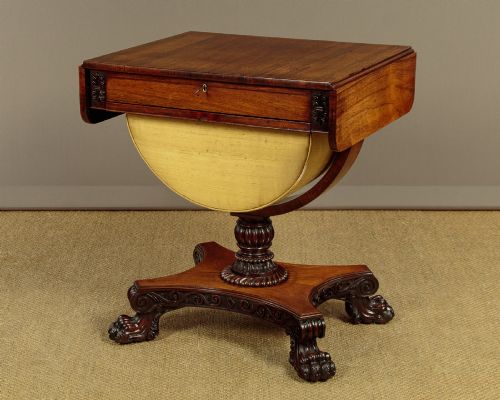
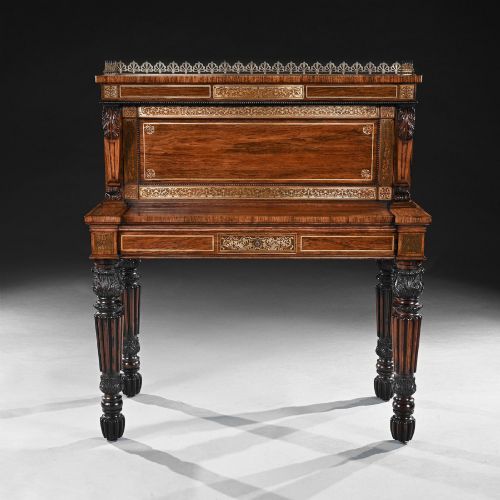
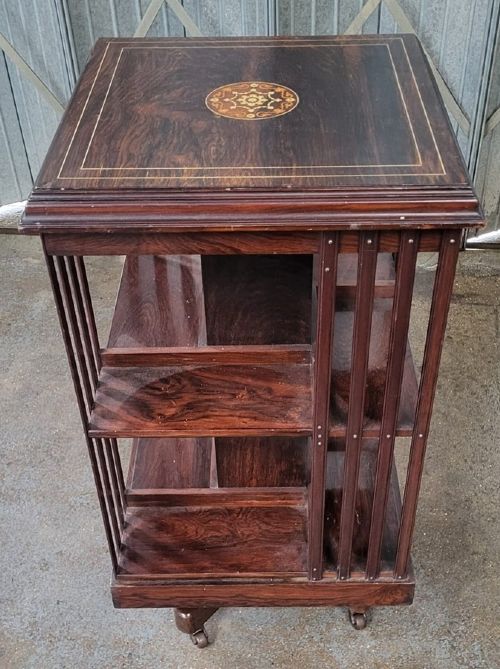
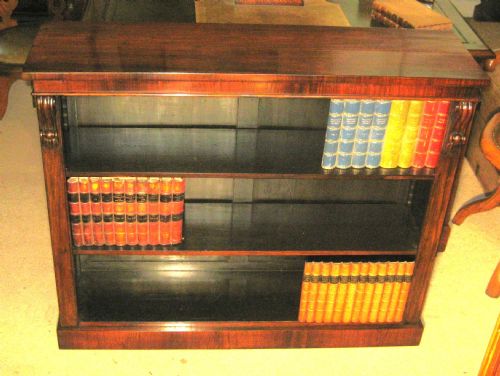
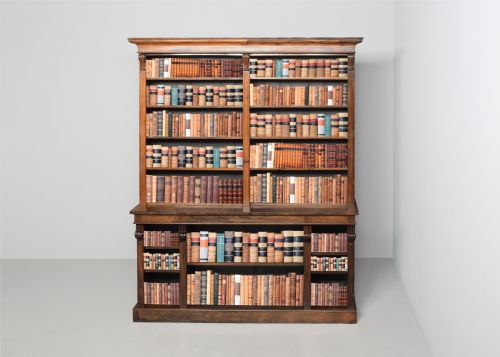
Dark rosewood furniture encompasses a diverse selection of utilitarian and decorative forms, ranging from side tables and open bookcases to writing desks, chiffoniers and dining chairs. When exploring dark rosewood furniture, buyers frequently encounter Victorian and Regency examples alongside Edwardian and French Art Deco pieces.
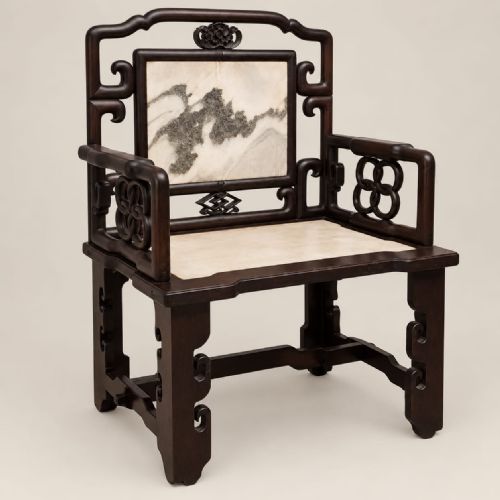
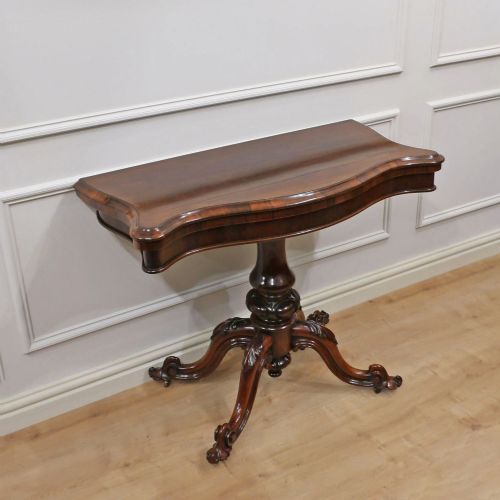
The objects span domestic and display functions, including revolving bookcases, card tables, teapoys, Canterbury stands and large centre tables. Craftsmanship travels across British workshops, Anglo-Indian traditions, Chinese carving, and Hoshiarpur inlay work.
Makers and regions recorded in the material evidence include Gillows and George Bullock, alongside Channel Islands cabinet makers and Continental workshops. Pieces vary from simple functional items to heavily carved cabinets and brass inlaid surfaces.
Materials and construction methods
Makers utilised dense rosewood timbers, frequently pairing the dark primary wood with contrasting satinwood or incorporating brass stringing and inlay. Structural elements often rely on solid hardwood foundations to support the heavy timbers.
Decoration incorporates intricate carving, bone inlay, and glass panelling, alongside specialised brass components for hinges, handles and castors. Surface finishes highlight the natural figure of the wood without obscuring the deep grain patterns.
Channel Islands craftsmen once signed hall chairs with paper labels, leaving tiny signatures tucked beneath nineteenth-century Gothic rosewood.
Quality distinctions in dark rosewood
Quality rests in the precision of the joinery, the selection of timber figures, and the crispness of any applied brass inlay or carved detail. Superior examples display seamless integration of secondary woods and meticulous attention to structural stability.
Workshops demonstrated varying degrees of ambition, separating standard commercial production from bespoke pieces attributed to notable makers. The integration of specialised materials like bone inlay or fine metalwork elevates the distinction of individual items.
Gillows Oxford Street Workshop·George Bullock·W.A. Willcocks
The Dark Rosewood Furniture Glossary
- Canterbury
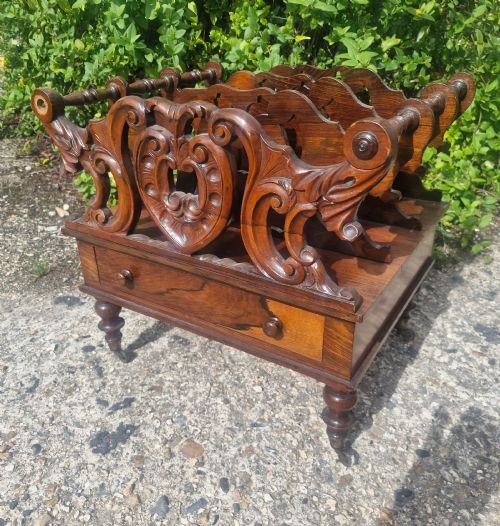
- A low stand featuring sloped partitions designed for holding sheet music, magazines or folios. These pieces often incorporate castor feet and lower drawer compartments.
- Chiffonier
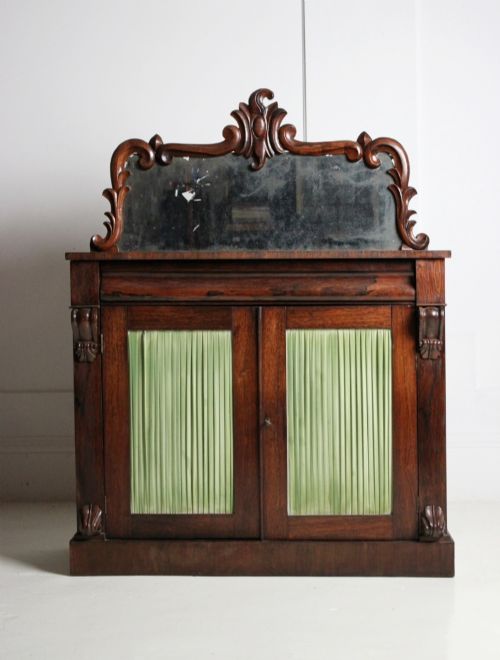
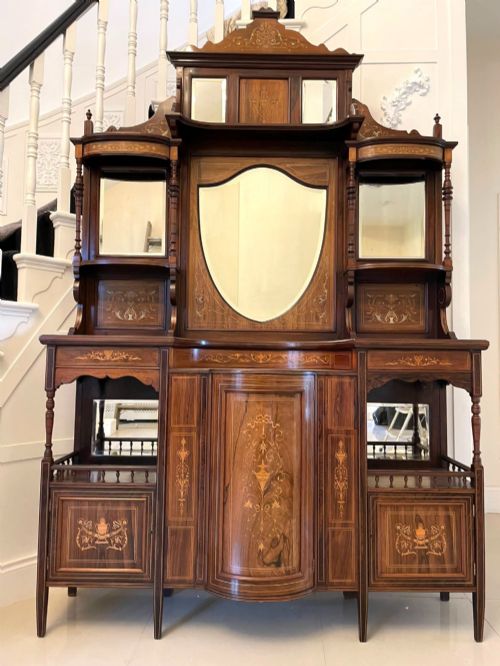
- A compact sideboard or cabinet featuring enclosed cupboards beneath a raised shelf or upper tier. Regency and Victorian variants frequently utilise Gothic panelled doors.
- Teapoy
- A small pedestal table or box intended for storing loose tea leaves. They typically feature internal lidded caddies and rest on central pillar supports.
- Etagere
- A set of open display shelves supported by slender pillars. These tiers accommodate small decorative objects and portable ornaments.
- Hoshiarpur
- A style of woodwork originating from India characterised by intricate geometric inlay using bone or pale woods. Pieces from this tradition include tables, mirrors and occasional stands.
Dark Rosewood Furniture: Frequently Asked Questions
What rooms suit dark rosewood furniture?
These pieces fit comfortably in studies, libraries and living rooms where rich timber tones complement traditional and eclectic interiors. Side tables, cabinets and bookcases function effectively as focal points or practical storage.
Larger items like centre tables and dining chairs require adequate floor space to showcase their proportions and distinct grain patterns without crowding the room.
How do I care for rosewood surfaces?
Maintenance requires gentle dusting with a dry lint-free cloth and avoiding exposure to direct sunlight or extreme temperature fluctuations. Moisture and chemical polishes can damage the historic finish.
Periodic application of appropriate conservation waxes helps preserve the moisture content and deep lustre of the timber over time.
How do Regency and Victorian styles differ?
Regency pieces often display neoclassical influence with clean architectural lines, brass stringing and restrained classical proportions. Cabinetwork from this era frequently prioritises smooth rosewood surfaces.
Victorian items tend towards heavier ornamentation, incorporating deeper carvings, elaborate display shelving and varied inlay techniques including satinwood and bone.
Were these pieces used for dining?
Dining furniture in this category includes extending tables, low serving tables and matched sets of chairs. These items accommodated formal household dining during the nineteenth century.
Many examples feature robust hardwood construction and brass castors to facilitate movement during entertaining and daily domestic use.
What is an Anglo-Indian cabinet?
Anglo-Indian cabinets represent cross-cultural design where British cabinet forms meet traditional Indian carving techniques. The results combine familiar structural layouts with dense floral and foliage motifs.
These items were produced for export and domestic colonial markets, utilising native hardwoods and specialised joinery methods.