
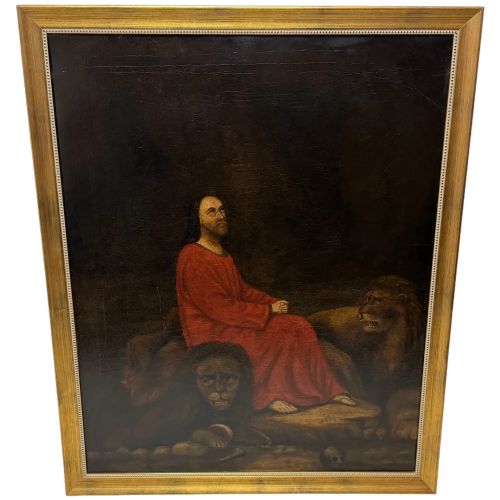
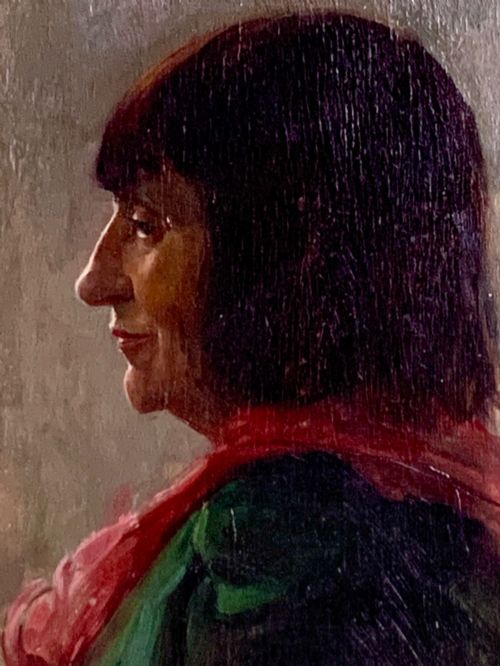


Dark Red Oil Portrait
A dark red oil portrait brings centuries of character into a room through rich pigments and layered canvases.
Dark Red Oil Portrait
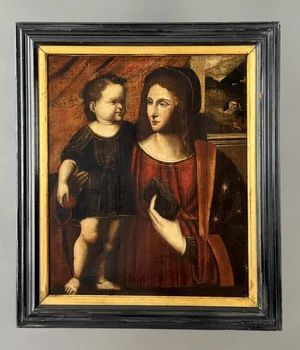
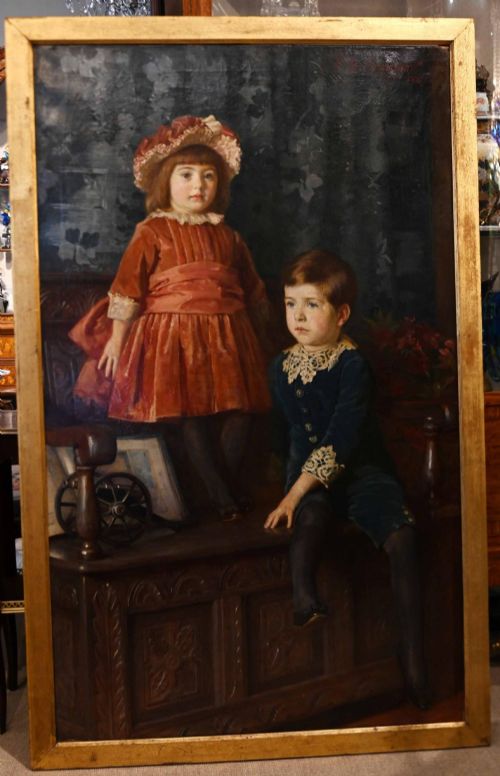
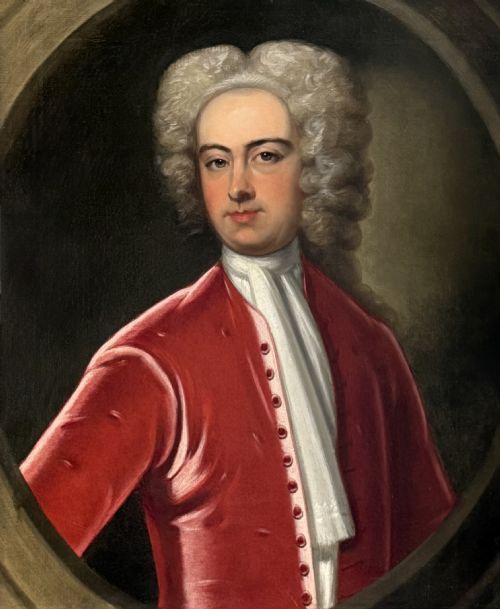
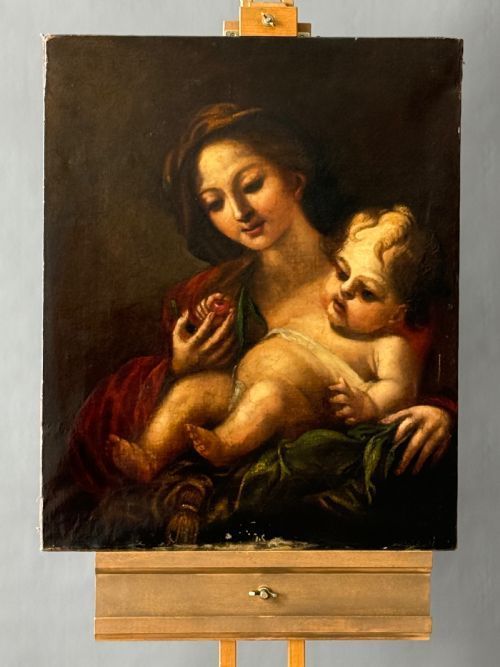
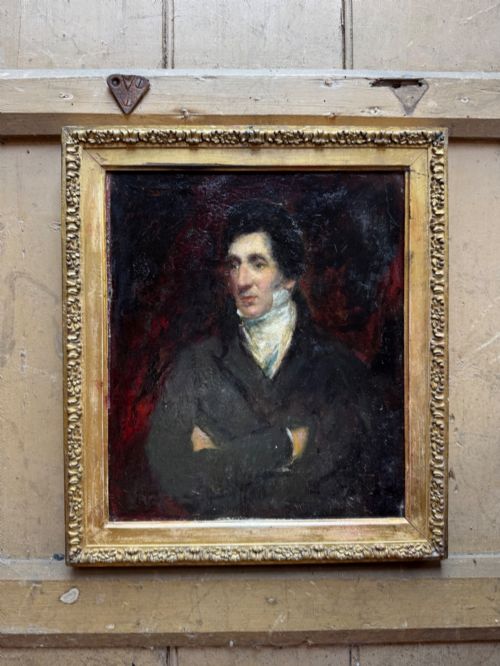
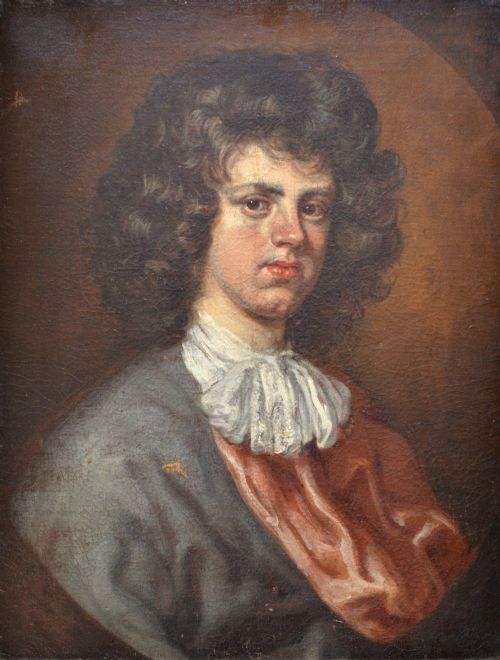
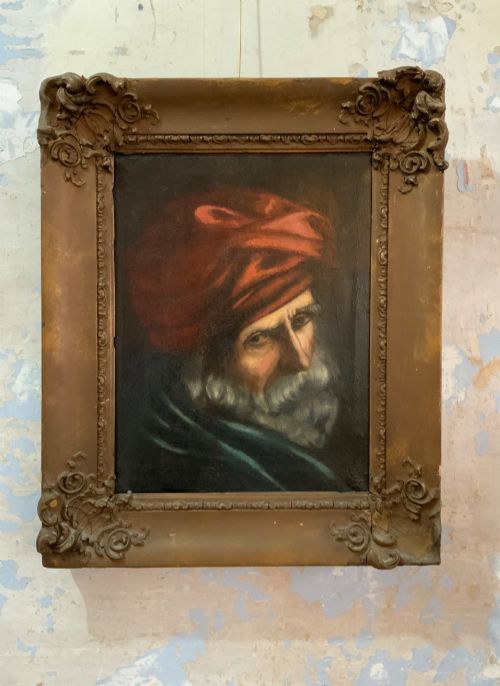
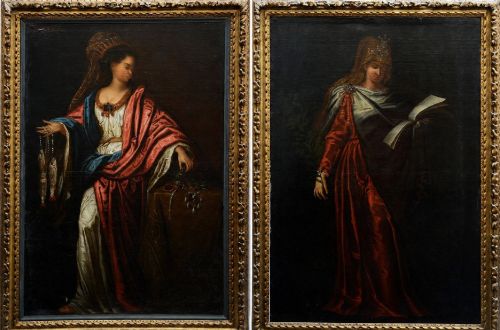
A dark red oil portrait captures likenesses and narratives across the seventeenth, eighteenth, and nineteenth centuries. These works span from Italian old masters to Victorian character studies, often featuring subjects in crimson garments, shawls, or rich interiors.
The selections on this page lean heavily towards historical oil paintings executed on canvas or wood panel. You encounter subjects ranging from seventeenth-century cavaliers in red sashes to twentieth-century figures rendered with distinct painterly depth.
How they were made
Painters applied oil paint using brushes and palette knives onto prepared surfaces such as canvas or wood panel. The medium allowed for slow drying times, enabling artists to blend deep red tones and build up luminous glazes.
Giltwood frames frequently enclose these pieces, providing a traditional border that complements the dark pigments within the composition.
Listings feature works spanning from the seventeenth century through the Victorian era, executed primarily in oil on canvas or wood panel.
What varies in quality
The strength of a dark red oil portrait rests in the handling of facial expression and anatomical proportion. Superior examples demonstrate confident brushwork that defines fabric textures and skin tones with striking immediacy.
Works attributed to established circles or named schools often show greater nuance in light and shadow. Lesser examples rely on rigid lines and flat colour application without the depth achieved through layered glazing.
Pierre Mignard·Mary Beale·John Greenhill·Thomas Hill·Henry William Pickersgill·Ralph Hedley·John Raphael Smith·Sir Thomas Lawrence·John Irvine·Frank Thomas Copnall·George Clint·John Jackson
The Dark Red Oil Portrait Glossary
- Oil on Canvas
- A traditional painting medium where oil paint is applied to a woven fabric stretched across a wooden frame. This combination allows for rich colour depth and textural variation.
- Wood Panel
- A rigid wooden support used by artists before canvas became the dominant substrate. Panels provide a smooth surface that preserves fine detail in early portraits.
- Giltwood
- Wood carved and covered with a thin layer of gold leaf or gold-coloured metallic finish. It frames many historical paintings.
- Baroque
- An artistic style originating in the seventeenth century characterised by dramatic movement and deep colour contrast. It frequently employs rich tones like dark red to create theatrical intensity.
Dark Red Oil Portrait: Frequently Asked Questions
How do I date a dark red oil portrait?
Dating relies on examining the costume of the sitter, the preparation of the canvas or wood panel, and the framing style. Historical dress and hairstyles offer the most reliable clues to the decade of creation.
Signatures, inscriptions on the reverse, and the chemical composition of the oil paint further assist specialists in narrowing down the period.
Where should I hang an oil portrait?
These works suit rooms with controlled lighting away from direct sunlight to protect the oil paint and canvas. Placing them on neutral walls allows the deep red tones to stand out.
Ensure the room maintains stable humidity levels to prevent the wood panels or canvas supports from warping over time.
What is the difference between canvas and panel?
Canvas provides a flexible woven surface that accommodates larger compositions and yields slightly under the brush. Wood panels offer a rigid, smooth base favoured for earlier portraiture.
Panels can be more sensitive to drastic changes in temperature and humidity compared to fabric supports.