


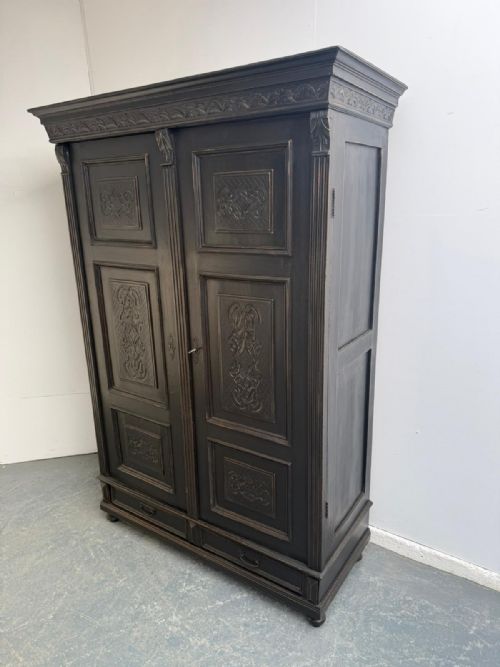

Dark Pine Cupboard
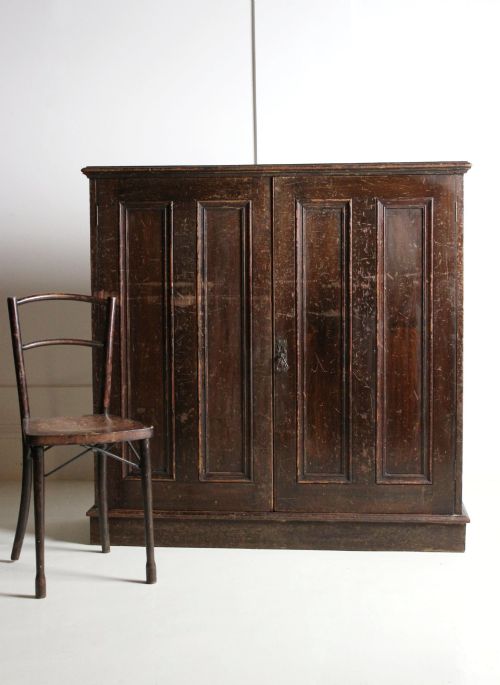
A dark pine cupboard brings grounded utility and deep historic character to an interior.
Dark Pine Cupboard
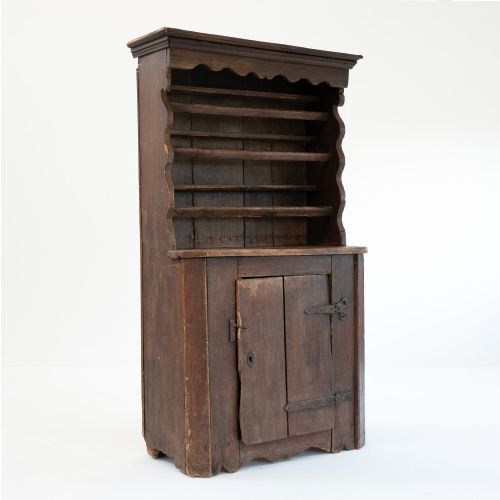
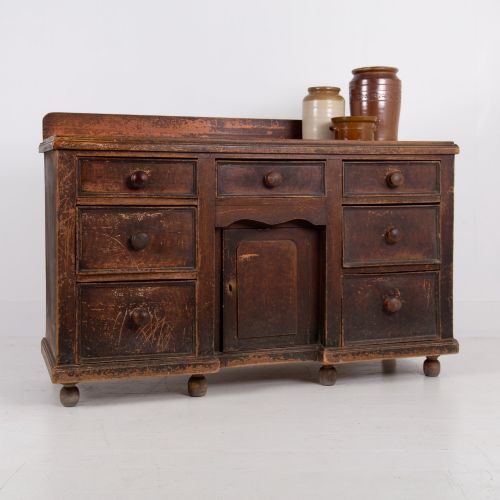
A dark pine cupboard is a utilitarian storage piece typically dating from the eighteenth and nineteenth centuries, often carrying deep historic paint or stained finishes. When searching for a dark pine cupboard, buyers encounter regional variations including English country pieces, Irish dressers, and continental European examples.
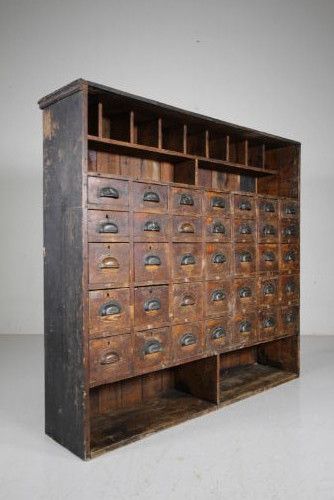
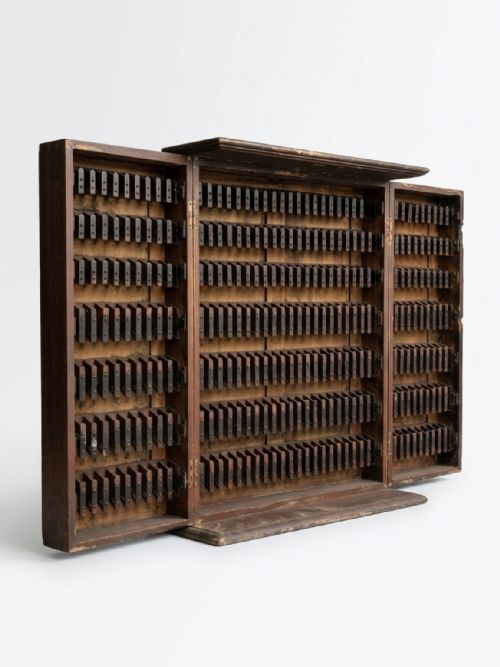
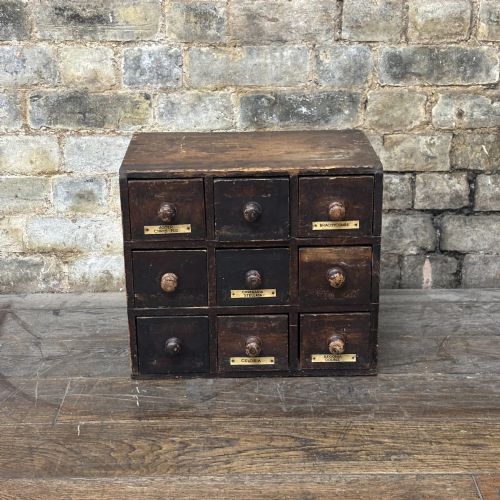
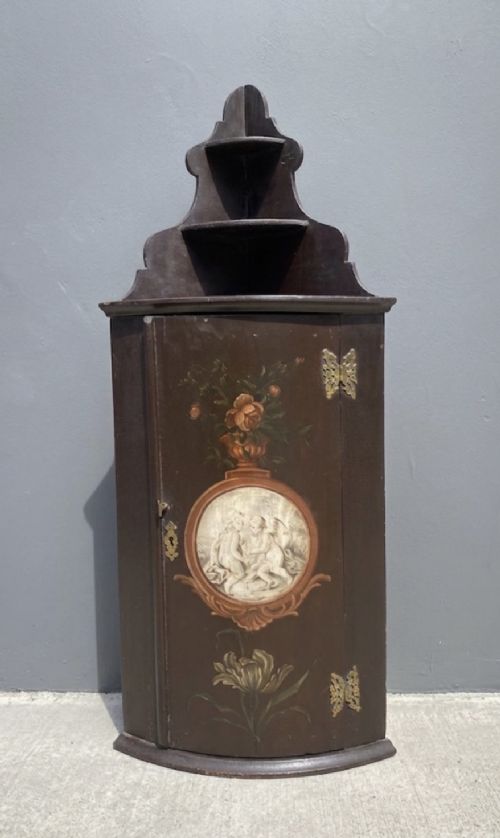
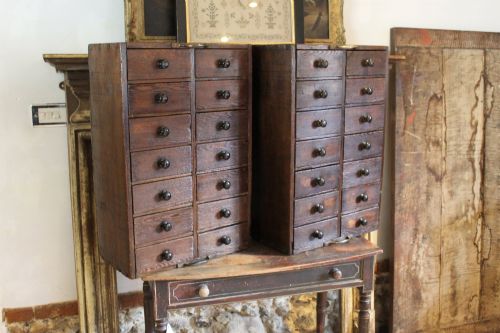
The form spans straightforward wall cabinets and corner cupboards to substantial housekeepers' larders and kitchen dressers. Nineteenth-century examples frequently emerge from institutional settings such as schools or railway offices, offering robust proportions and straightforward shelving.
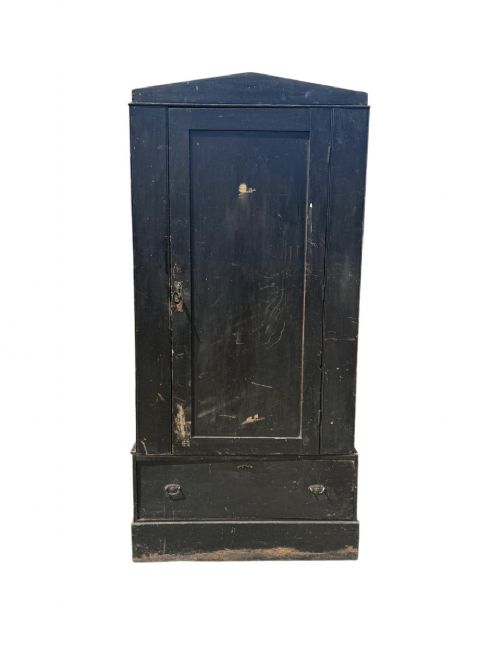
Domestic pieces range from bedside cabinets with carved detailing to tall wardrobes and linen presses. The underlying pine is frequently darkened by age, historic paint layers, or applied dark stains that accentuate the grain.
How they were made
These pieces are constructed primarily from solid pine and deal, sometimes combined with oak for structural elements or drawer linings. Construction relies on traditional hand-cut joinery such as dovetails and pegged mortise and tenon joints, designed for enduring daily use.
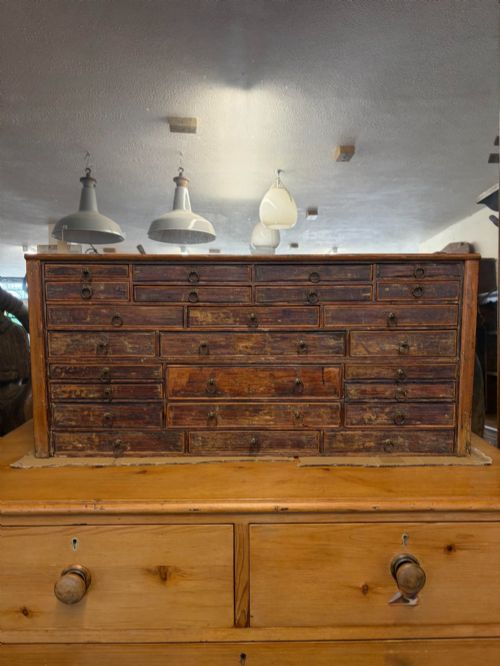
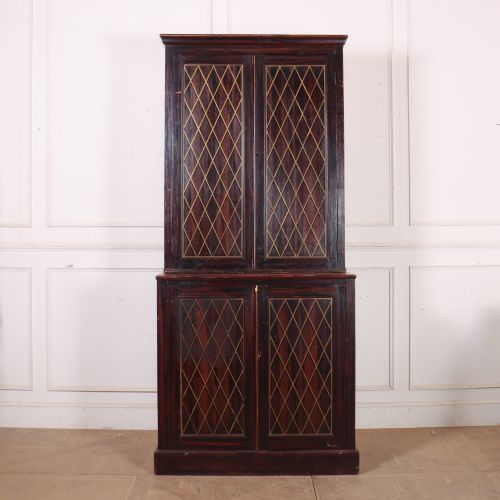
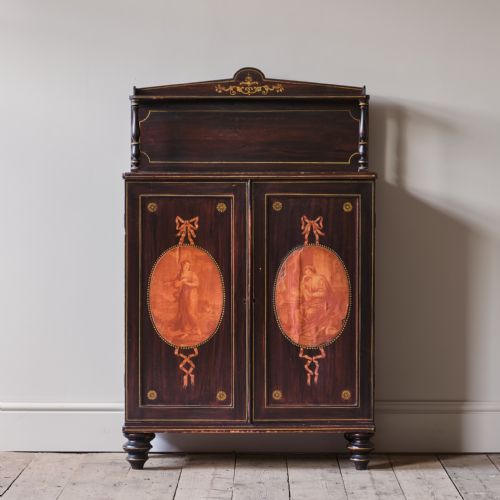
Surfaces frequently show layers of historical decoration, including original lead-based paint, scumbled glazes imitating finer timbers like rosewood, or dark stains. Iron and brass hardware, from butterfly hinges to drop handles, secures the doors and drawers while marking the period of manufacture.
Materials range from solid pine and deal to secondary woods like oak, enhanced with iron hardware, glass, and layered paint.
What varies in quality
Quality rests upon the integrity of the original construction and the survival of an untouched surface finish. Pieces retaining their original painted decoration or rich historic patina command greater interest than those stripped down to raw timber or aggressively refinished.
Proportion and regional vernacular detail distinguish finer examples from standard utilitarian boxes. Well-executed mouldings, original ironmongery, and undisturbed interior shelving elevate a piece from simple storage to a notable example of country craftsmanship.
Luxmore's of Ilfracombe·D Napier and Sons
The Dark Pine Cupboard Glossary
- Scumble
- A translucent dark glaze dragged or brushed over a lighter base coat to imitate the grain of expensive exotic woods. This technique was popular in nineteenth-century country furniture.
- Bread and cheese cupboard
- A traditional vernacular storage piece featuring pierced or louvred panels for air circulation, originally designed to keep food rations ventilated. These items are highly sought after by collectors of rural pine.
- Pot board
- An open lower shelf built into a kitchen dresser, traditionally used for storing heavy pots and pans off the damp floor. It is a defining feature of eighteenth and nineteenth-century vernacular dressers.
- Linen press
- A tall cabinet featuring upper sliding trays or shelves enclosed by doors, positioned above a chest of drawers. They were built to store household linens flat before the widespread use of wardrobes.
- Deal
- A historical term for softwood timber cut from pine or fir trees, commonly used across eighteenth and nineteenth-century cabinet making. It provided an affordable and workable alternative to hardwoods like oak and mahogany.
Dark Pine Cupboard: Frequently Asked Questions
What is a dark pine cupboard?
A dark pine cupboard is a historical storage item built from softwood, typically finished in a deep stain or aged paint. These pieces were made for domestic or institutional use across the eighteenth and nineteenth centuries.
They range from small wall-hanging corner cabinets to tall kitchen larders and linen presses. Their dark surfaces usually reflect decades of accumulated wax, historic paint layers, or deliberate staining.
How do I date an old pine cupboard?
Dating relies on examining construction methods, hardware, and surface finishes. Eighteenth-century examples often feature hand-planed boards, pegged joints, and simple panelled doors.
Later nineteenth-century pieces may show machine-sawn timber, cast iron hinges, or institutional stamps. Original paint layers and timber oxidation also offer strong clues to a piece's true age.
How do I care for antique pine furniture?
Antique pine benefits from being kept away from direct heat sources and sudden humidity changes, which can cause the timber to split. Regular dusting with a soft cloth keeps the surface clean without abrasive chemicals.
Applying a traditional beeswax occasionally helps nourish the wood and maintain its deep lustre. Avoid modern silicone polishes that can degrade historical painted or stained finishes.
Where were these cupboards used originally?
These cupboards served utilitarian roles in farmhouses, country estates, rectories, and institutional buildings. Kitchens, pantries, and sculleries relied on them for storing food, crockery, and linens.
Others came from schools, railway offices, and shops for administrative storage and display. Their robust construction ensured they could withstand heavy daily use in busy environments.