

Dark Oil Portrait Artwork
Dark oil portrait artwork brings centuries of deep-toned human likenesses, from 17th-century nobles to Victorian sitters, into your space.
Dark Oil Portrait Artwork
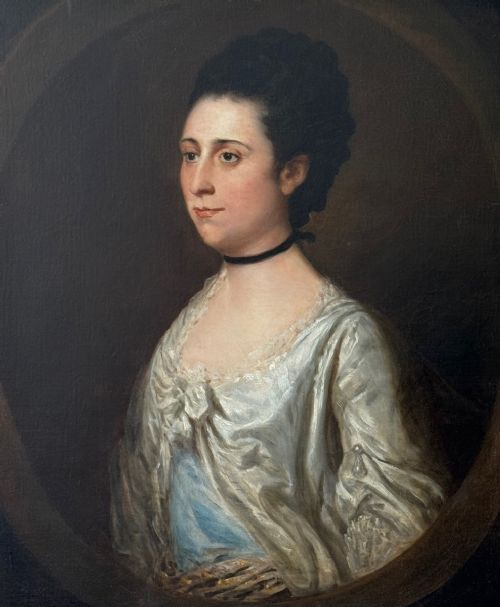
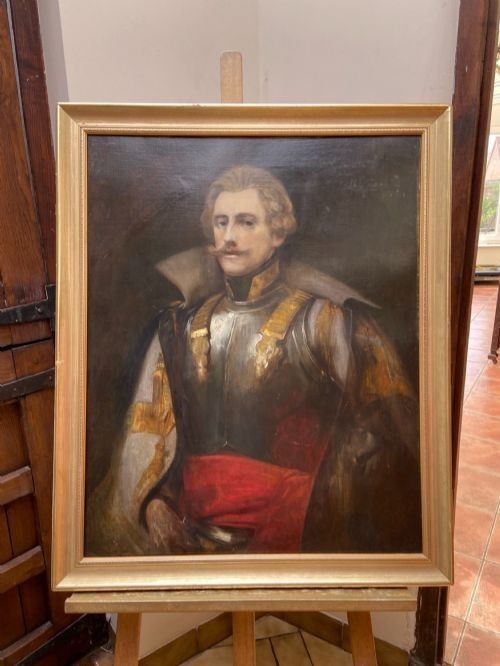
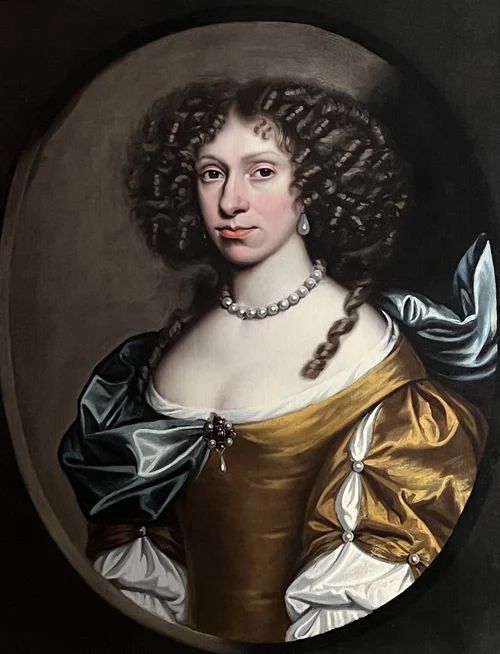
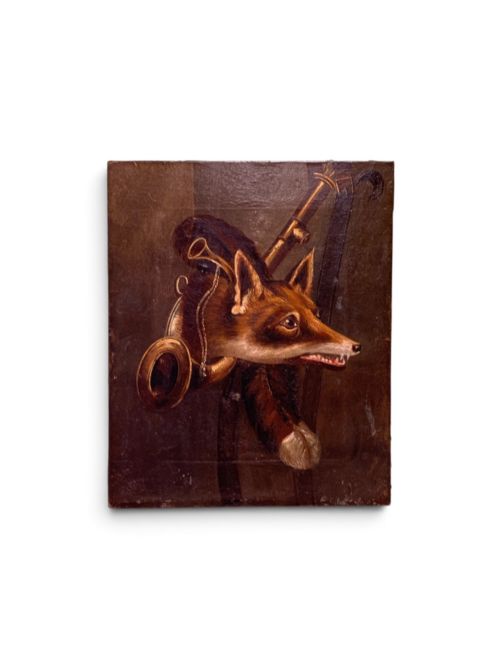
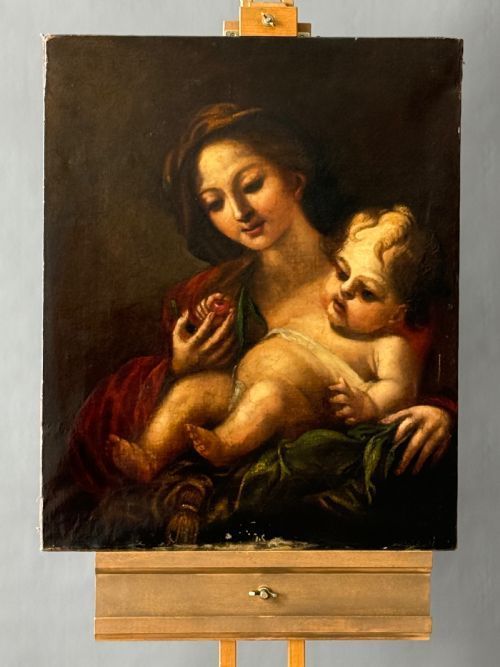
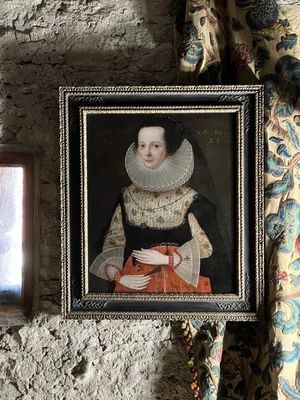
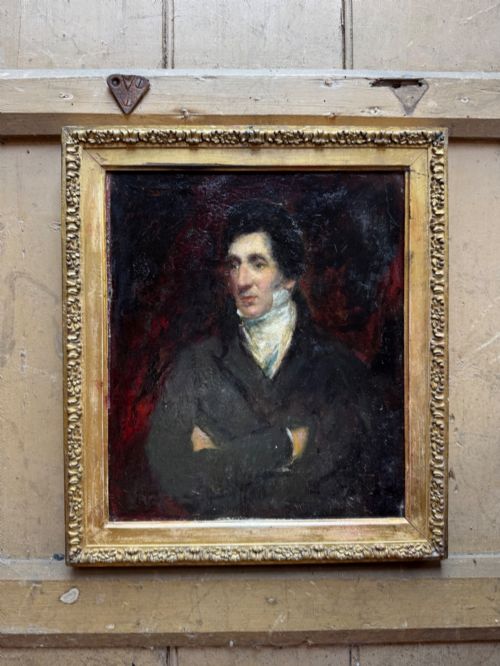
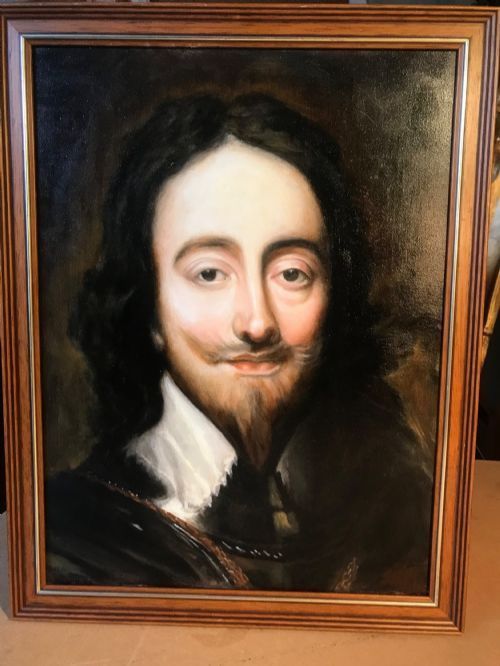
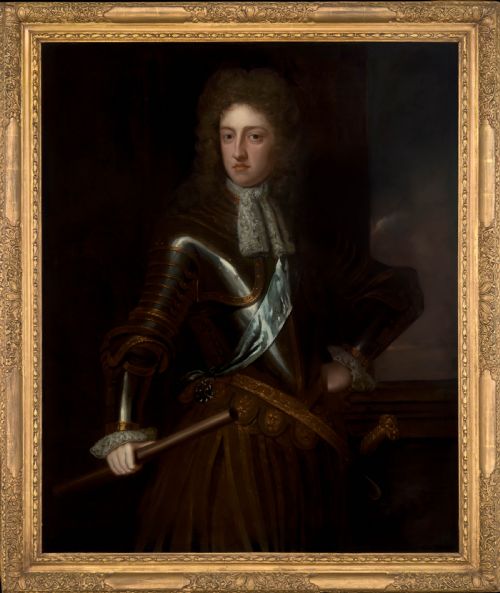
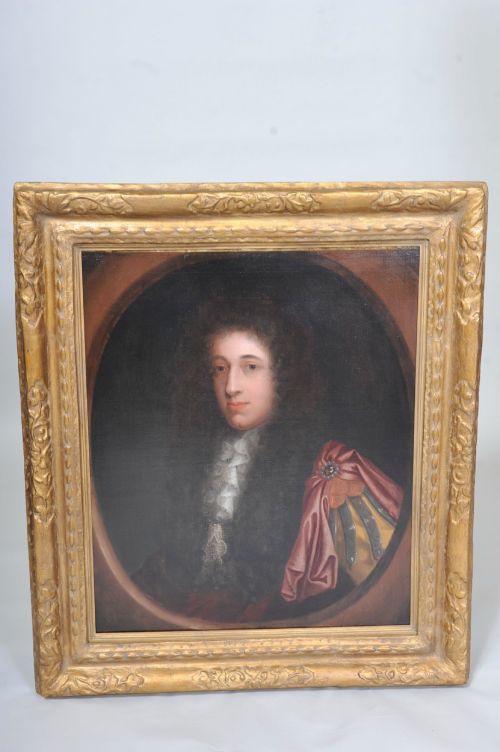
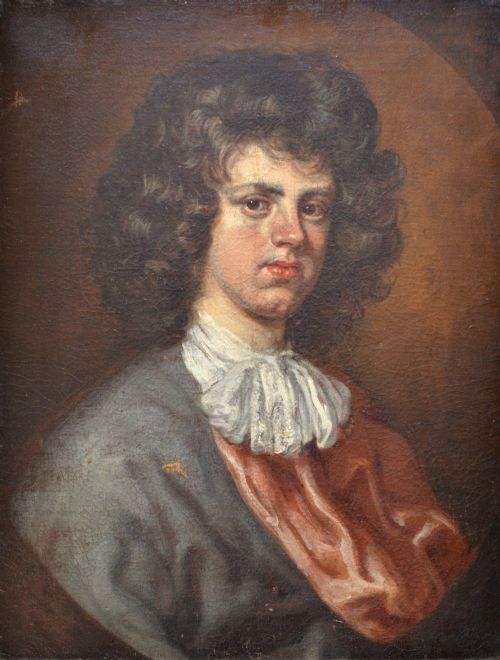
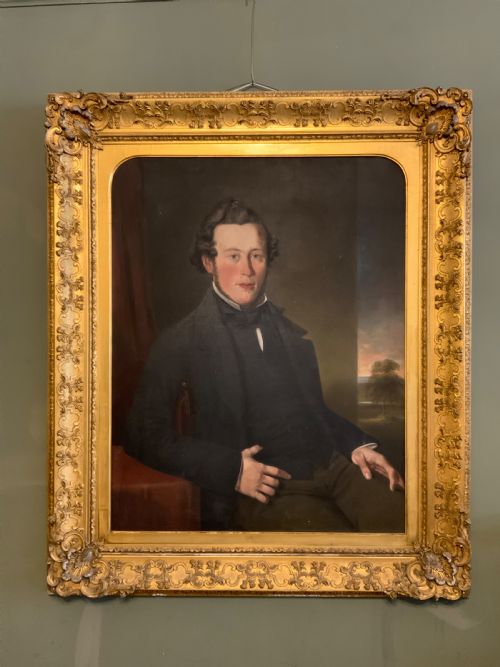
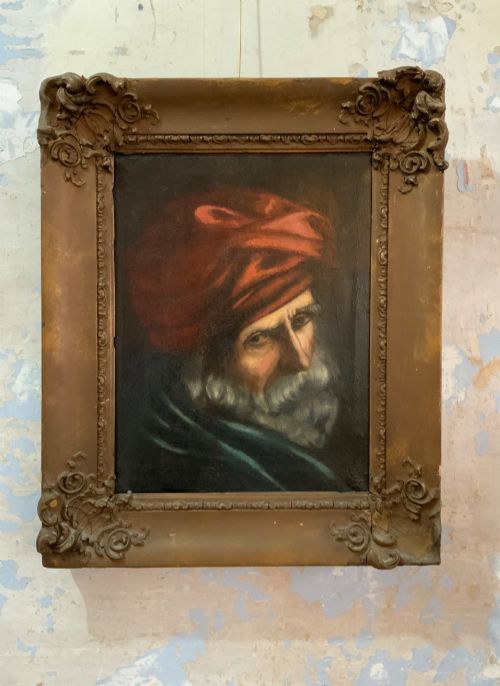
Dark oil portrait artwork comprises painted likenesses executed in oil on canvas or wood panels, predominantly emerging from the seventeenth, eighteenth, and nineteenth centuries. These pieces record subjects ranging from nobility and military officers to anonymous sitters rendered in sombre, moody palettes.
The versions most commonly met on this page span the seventeenth-century English, Dutch, and French schools alongside nineteenth-century interpretations. These works rely on heavy chiaroscuro and aged varnishes that deepen the tones over time.
Such paintings function as historical documents and atmospheric interior focal points, carrying the weight of past eras through serious expressions and dark apparel.
Materials and technique
Painters applied oil paint to stretched canvas or wooden boards, often building up layers of dark earth pigments to create deep shadows and subtle facial modelling. This technique allowed artists to achieve slow drying times and rich tonal gradation.
Frames of giltwood or carved wood frequently accompanied these canvases, sometimes finished with gold leaf to contrast against the dark compositions of the portraits.
Several canvases include unexpected companions, featuring racing pigeons and spaniels alongside stern human subjects.
Quality variations
The competence of anatomical rendering and the subtlety of facial expression distinguish works by trained studio hands from more rigid provincial pieces. Masterful handling of light against dark apparel creates depth that weaker paintings lack.
The integrity of the canvas and the preservation of the original pigment layers dictate the visual impact of the piece. Extensive overpainting or heavy relining alters the surface texture originally left by the artist.
David Scougall·Sir Godfrey Kneller·Mary Beale·Sir William Beechey·Margaret Sarah Carpenter·Guillaume Courtois·Herbert Ashwin Budd·Charles Stuart Forbes·Stephen Pearce
The Dark Oil Portrait Artwork Glossary
- Chiaroscuro
- The use of strong contrasts between light and dark to give a three-dimensional volume to figures. This technique defines the moody atmosphere of many early portraits.
- Oil on canvas
- A painting medium where pigments are suspended in drying oils and applied to woven fabric stretched over a wooden frame. It remains the standard support for historical portraits.
- Giltwood
- Wood carved and covered with a thin layer of gold leaf or gold paint. Frames made this way often complement the dark tones of oil paintings.
- School
- A group of artists sharing a similar style, time period, or geographic region, often used to attribute works when a specific painter remains unknown. Attributions like English School denote regional origin.
- Old Master
- A term for a European painter of skill working before about eighteen hundred. These works form the foundation of historical portrait collecting.
Dark Oil Portrait Artwork: Frequently Asked Questions
How do I date an old portrait?
Dating relies on costume, hair styling, and the stretcher construction behind the canvas. Written inscriptions on the reverse or period framing also offer chronological clues.
Comparison with documented works from specific centuries helps narrow down the decade of creation.
What is an old master painting?
An old master painting originates from the European tradition before the nineteenth century. These works reflect the techniques and stylistic conventions of historical art movements.
They often depict formal portraits or religious scenes using traditional oil pigments.
How should I hang dark paintings?
Dark canvases benefit from directional picture lights to illuminate details hidden in heavy shadows. Placing them against lighter wall colours prevents the room from feeling closed in.
Avoid direct sunlight to protect the aged oil paint and canvas from thermal stress.
Are these portraits painted on wood?
Some early examples utilise wooden panels as a rigid support before canvas became standard practice. Panel paintings require stable humidity levels to prevent warping of the wood.
Canvas supports dominate the later periods represented in these collections.