

Dark Oil Paint Artwork
Dark oil paint artwork spans centuries of portraiture and still life, offering moody tones and historic brushwork to anchor a room.
Dark Oil Paint Artwork
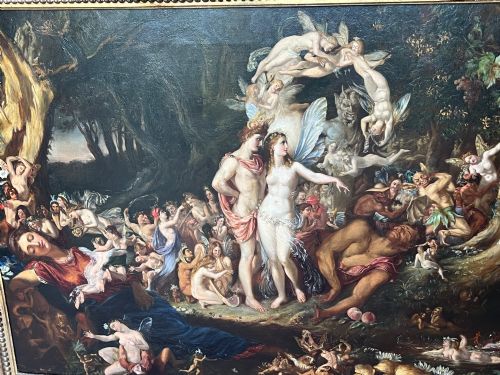
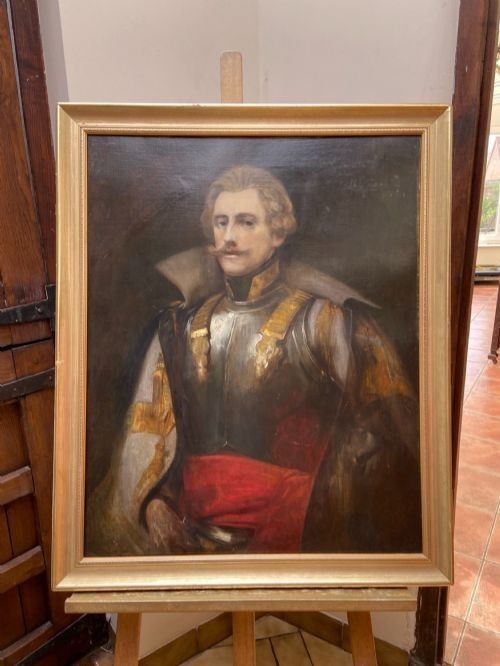
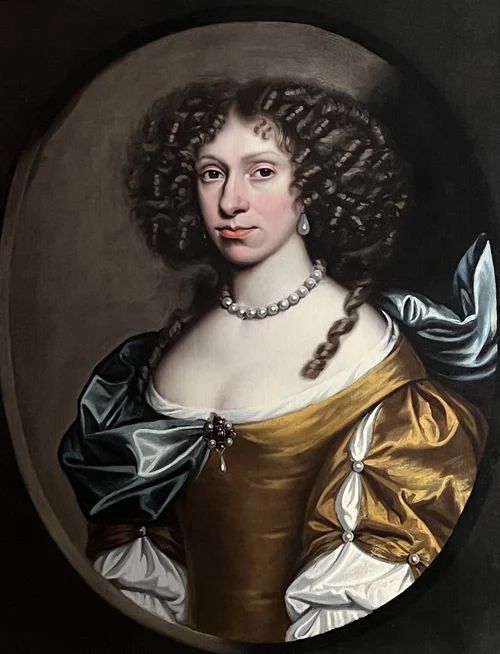
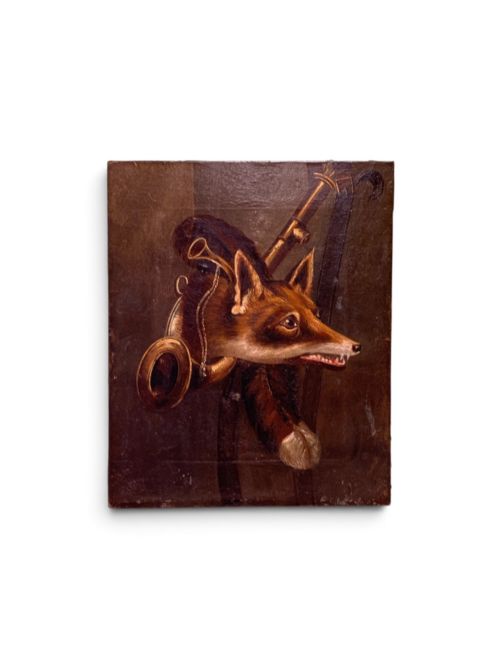
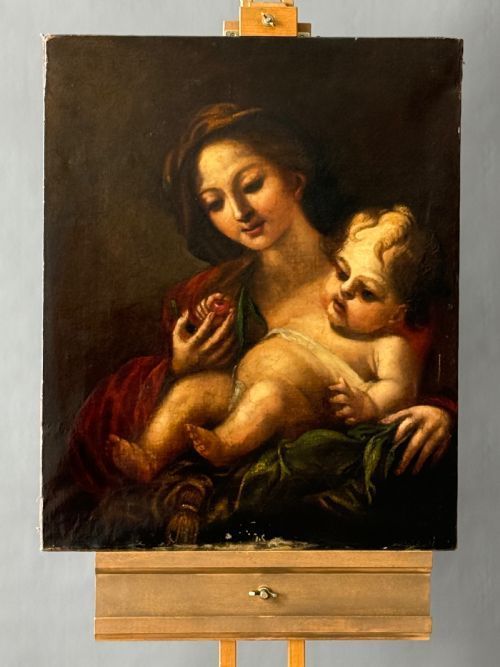
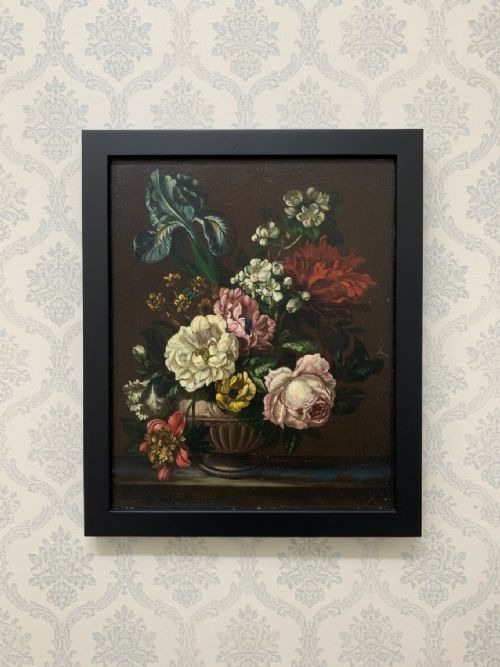
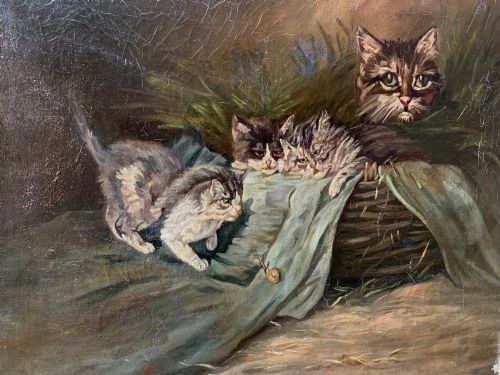
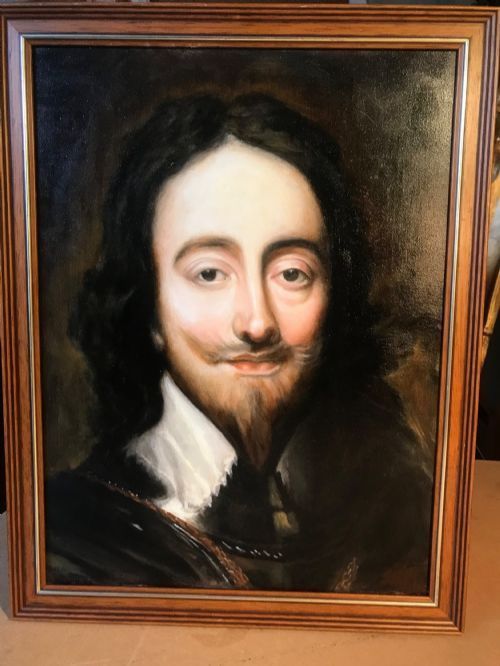
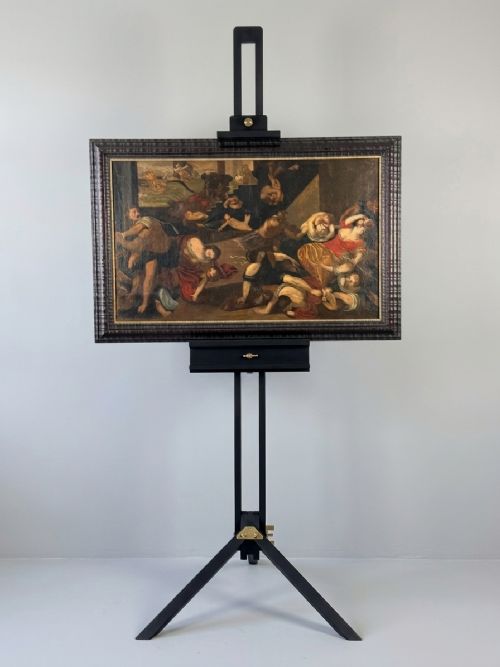
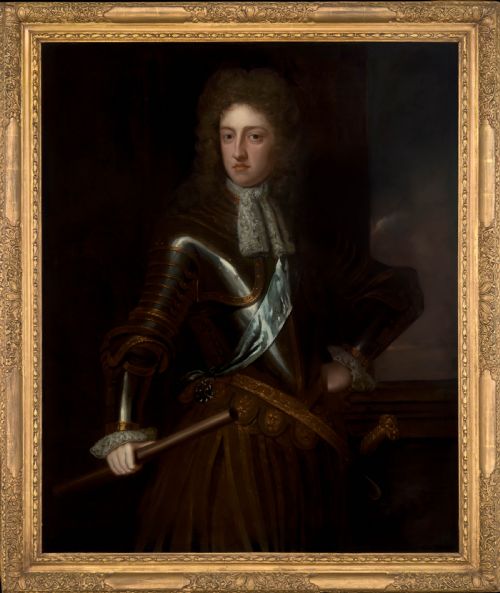
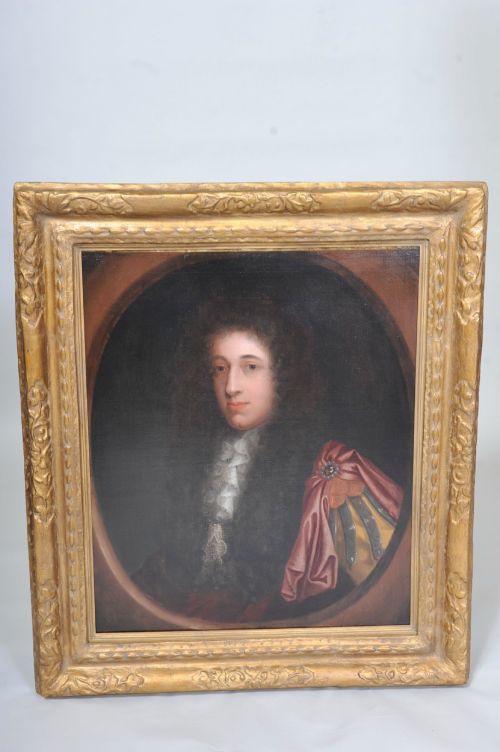
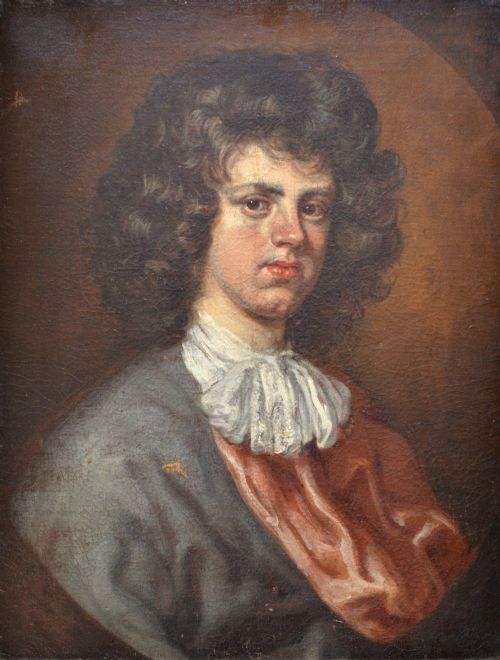
When you search for dark oil paint artwork, you encounter historical paintings dominated by sombre palettes, deep shadows and atmospheric tones. These pieces range from seventeenth-century portraits of noblemen to nineteenth-century still lifes and marine scenes.
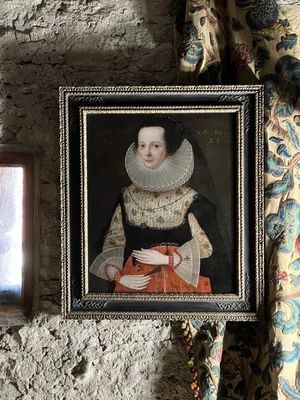
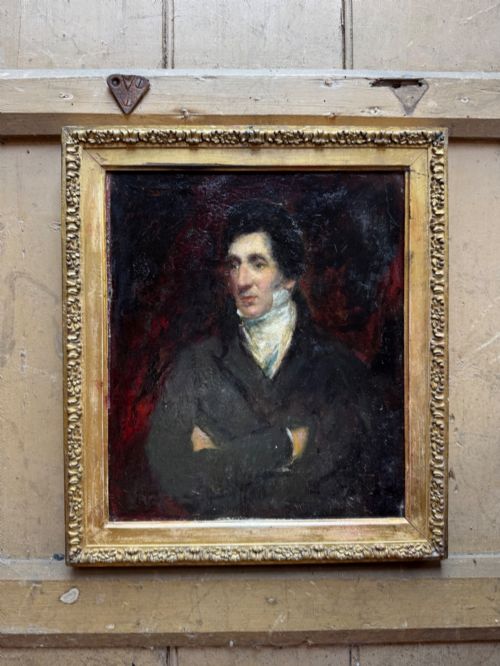
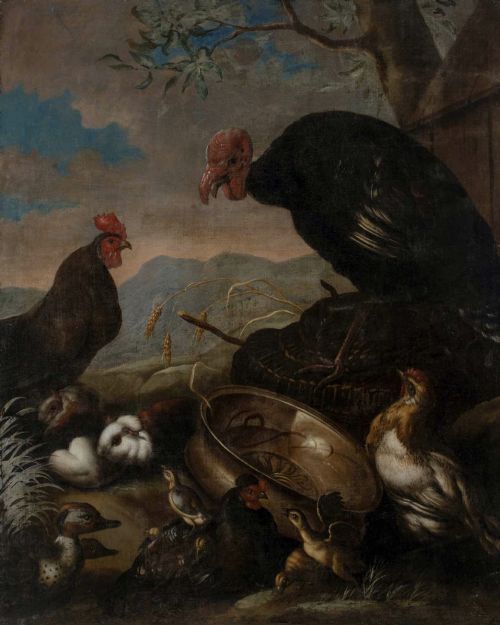
The version you are most likely to meet on this page is an oil on canvas portrait or still life from the seventeenth, eighteenth or nineteenth century. Such works often utilise chiaroscuro lighting to draw the eye toward illuminated subjects against dark backgrounds.
Subjects stretch from formal British and European portraiture to Dutch school still lifes, military officers and maritime rescue views. Each type carries the distinct stylistic markers of its period, from Baroque drama to Victorian realism.
Materials and technique
Painters built these compositions using oil paint applied to canvas, wood panels or stretched linen, often layering translucent glazes over darker underpaintings to achieve depth. This technique allowed artists to create rich, light-absorbing shadows characteristic of old master and nineteenth-century traditions.
Many historical frames utilise carved gilt wood or gold leaf, framing the dark canvases with contrasting metallic brilliance. The physical support typically consists of heavy woven canvas or sturdy timber panels prepared with traditional gesso grounds.
Frames range from simple wooden surrounds to ornate gilt wood creations accented with gold leaf.
Distinctions in quality
Quality rests upon the sureness of the brushwork, the anatomical conviction of the figures and the preservation of the pigment layers. Finer works display confident handling of light across fabric and flesh, whereas lesser examples rely on formulaic repetition.
The depth of the surviving pigment and the integrity of the canvas or panel dictate the visual strength of the piece. A superior painting retains its tonal contrasts and subtle gradations within the shadows rather than flattening into obscurity.
David Scougall·Sir Godfrey Kneller·Mary Beale·Sir William Beechey·Margaret Sarah Carpenter
The Dark Oil Paint Artwork Glossary
- Chiaroscuro
- The use of strong contrasts between light and dark, usually bold contrasts affecting a whole composition. This technique creates dramatic three-dimensional volume in figures.
- Old Master
- A term used for a European painter of skill before about eighteen hundred. These artists set foundational standards in portrait and still life composition.
- Giltwood
- Wood that has been covered with gold leaf or a thin layer of gold paint. It frequently borders antique oil paintings to enhance their presence.
- Provenance
- The chronology of the ownership or location of a historical object. A documented history adds substantial weight to attribution.
- Impasto
- The process of laying down paint thickly so that it stands out from the surface. This technique adds tactile texture to highlights in otherwise dark compositions.
Dark Oil Paint Artwork: Frequently Asked Questions
How do I care for dark oil paint artwork?
Keep paintings away from direct sunlight and dramatic fluctuations in temperature or humidity to prevent the canvas and paint from cracking. Dust the surface very gently with a soft, dry brush without applying pressure.
Avoid using any liquid cleaners or chemical solvents on the paint layer. Professional conservation is recommended if the canvas requires cleaning or tension adjustment.
What periods do these paintings cover?
The selection spans several centuries, featuring seventeenth-century Dutch and English school works alongside eighteenth-century Italian and French pieces. Nineteenth-century portraits and Victorian maritime scenes also appear frequently.
Later works extend into the twentieth century, including pieces from the nineteen-thirties and nineteen-sixties that emulate earlier styles.
How can I tell a seventeenth-century portrait apart?
Seventeenth-century portraits typically feature rigid postures, elaborate historical costumes like lace collars or ruffs, and deep, shadowed backgrounds. Artists of this era focused heavily on facial detail and status symbols.
The canvas preparation and stretcher construction often reflect period manufacturing methods, aiding in chronological identification.
Where were these dark oil paintings displayed?
Historically, such dark and moody canvases hung in the panelled libraries, drawing rooms and staircases of grand European and British country houses. The sombre tones suited the subdued lighting of period interiors.
Today, they function well in contemporary spaces to create an intimate focal point against neutral walls.