




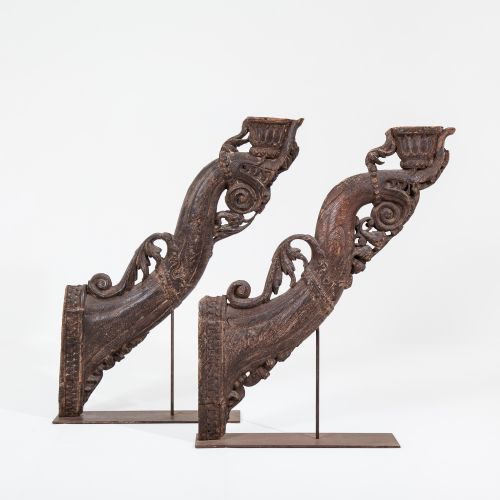
Dark Oak Wall Shelf
A dark oak wall shelf brings honest timber and dependable surface space to any room, holding books or plates with quiet utility.
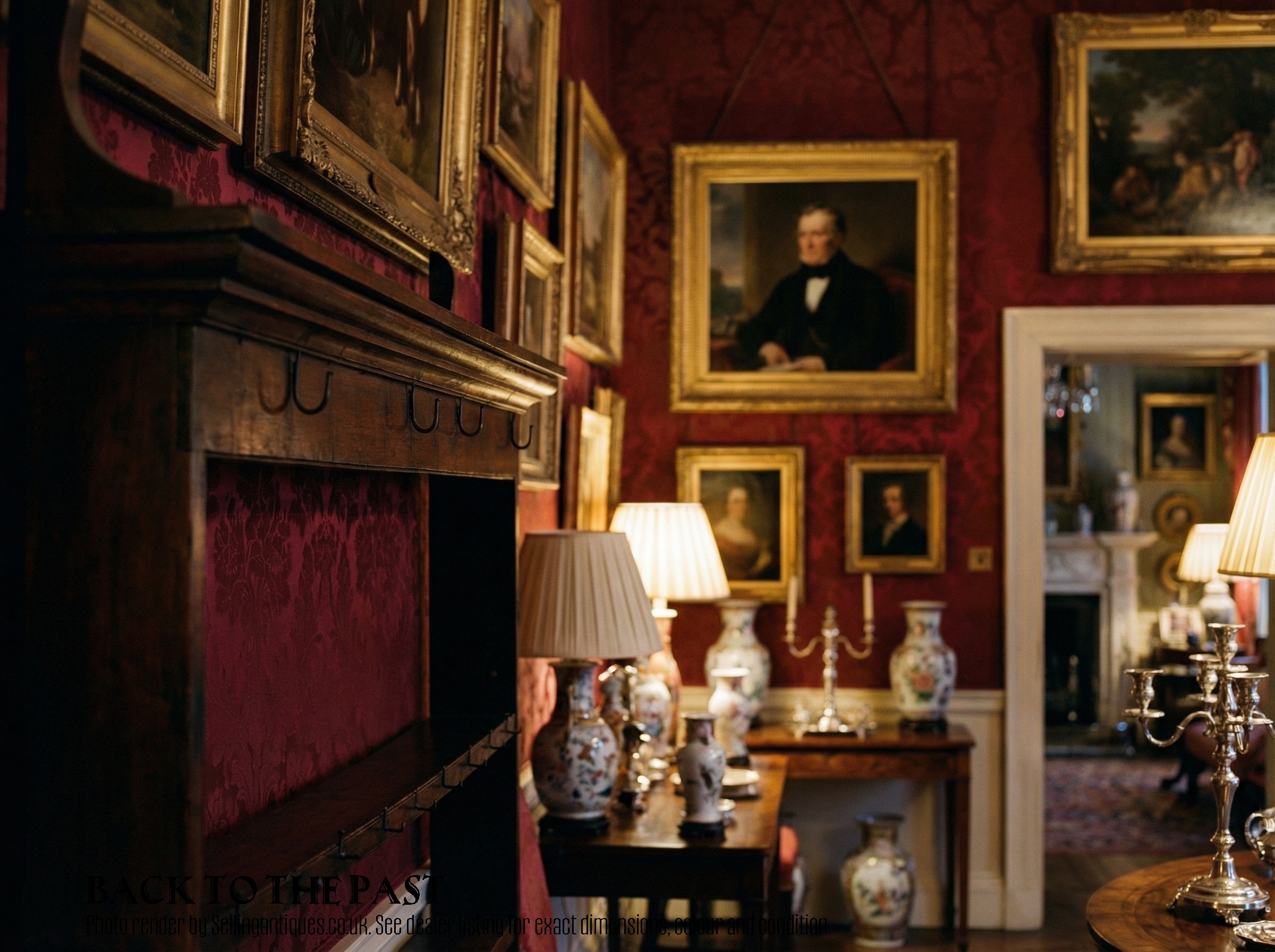
Dark Oak Wall Shelf
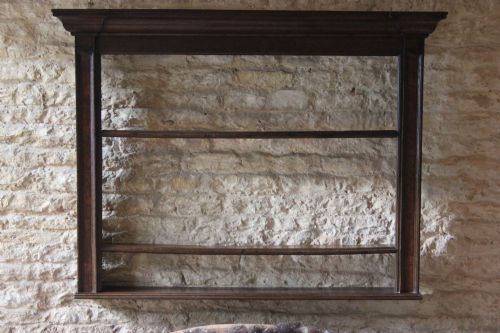
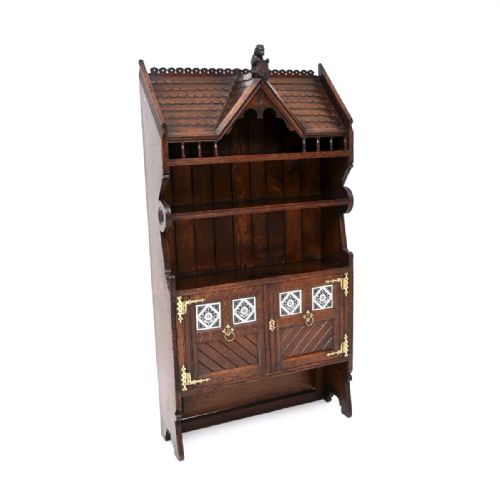
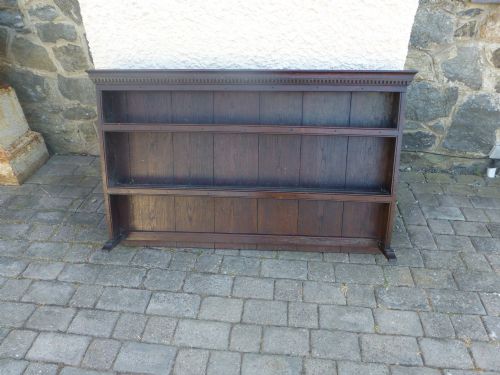
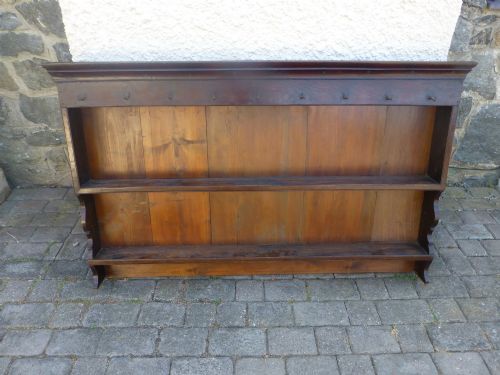
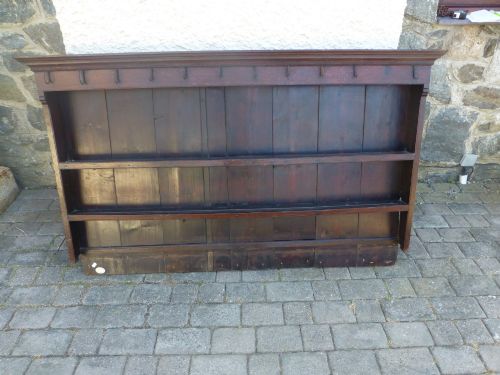
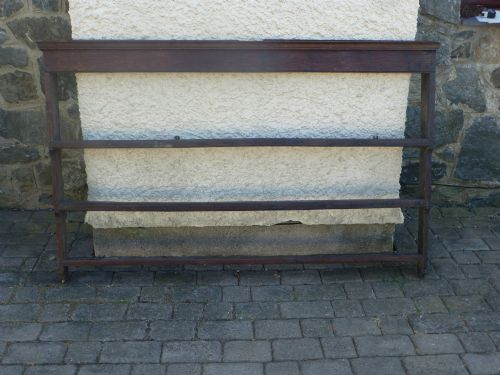
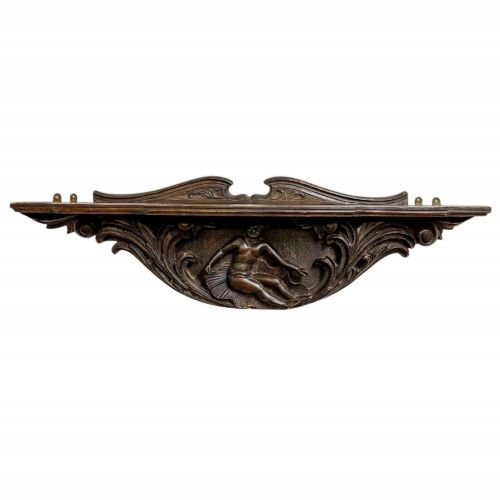
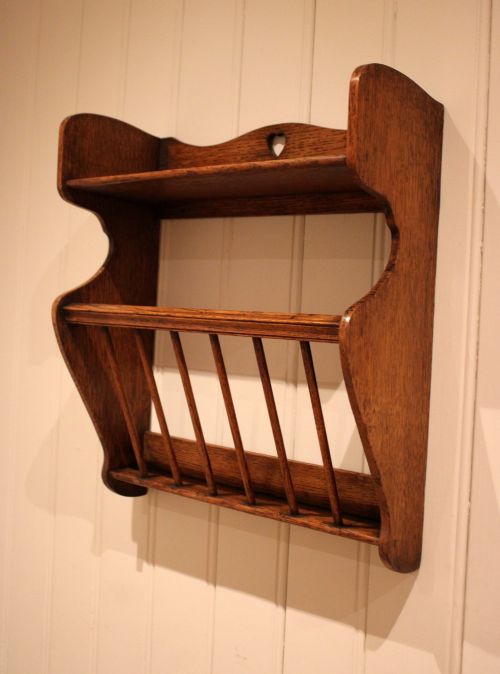
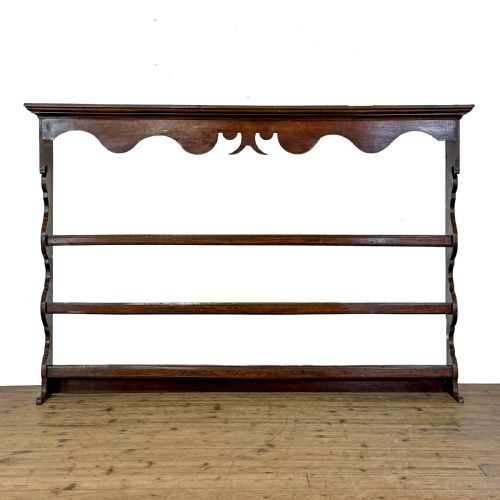
A dark oak wall shelf serves as a practical timber fitting for domestic storage, often appearing in forms such as plate racks, hanging cupboards, and display shelves. Buyers searching for a dark oak wall shelf encounter numerous examples originating from the seventeenth, eighteenth, and nineteenth centuries, alongside later Victorian and Edwardian interpretations.
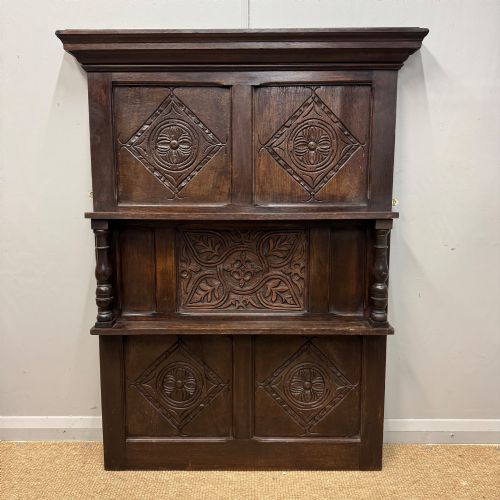
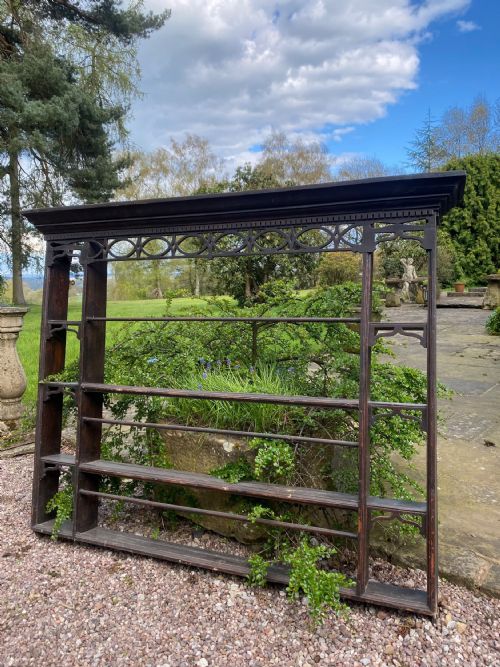
The selection frequently includes country furniture pieces like delft racks and wall-hanging shelves constructed from solid oak, sometimes combined with secondary woods such as pine or beech. These wall-mounted fittings range from simple graduated boards to elaborate carved structures with architectural columns or integrated mirror panels.
Materials and Construction
Carpenters built these shelves using solid oak, frequently selecting timber with deep grain patterns that aged into dark patinas over centuries of use and waxing. Secondary timbers like pine and beech appear in internal or structural sections, while brass and iron fixings provide hanging strength.
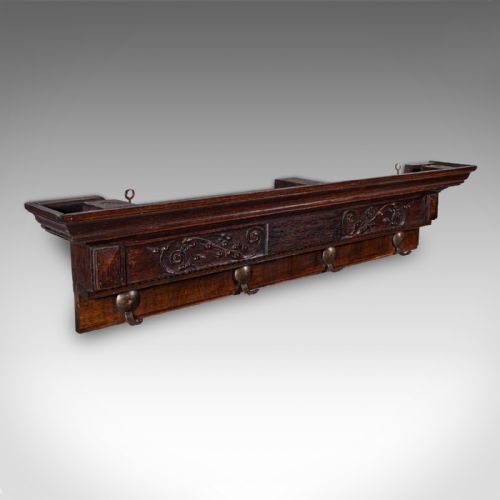
Joinery methods rely on traditional pegged joints, dovetailed boards, and hand-carved brackets, often finished with surface mouldings or applied architectural details like Corinthian columns. Carved elements, whether geometric panels or figurative brackets, demonstrate the manual skill applied to these domestic timber fixtures.
Dark Oak Wall Shelf Retail Price Guide 2026
Typical asking prices for dark oak wall shelf among the pieces listed under this phrase on Sellingantiques today, from the lower quarter to the upper quarter. They describe what is for sale here now, not the wider market.
Materials appearing across the inventory include solid oak, stained oak, brass hooks, glass mirror plates, and iron fixings combined with pine or beech.
Distinctions in Quality
Quality rests in the integrity of the timber, the depth of the original patina, and the crispness of any hand-carved enrichment. Superior examples retain their original hanging brackets and backboards, showing harmonious ageing across the wood rather than mismatched replacement sections.
Finer items display thoughtful proportions and careful execution in architectural details like cornices and shaped shelf edges, distinguishing utilitarian workshop output from master cabinet work.
The Dark Oak Wall Shelf Glossary
- Delft rack
- A wall-mounted timber shelf specifically designed with narrow plate grooves and vertical rails to display ceramic plates and platters. These pieces form a large part of early country oak wall storage.
- Pediment
- The triangular or decorative architectural structure crowning the top of a wall shelf or cabinet. It adds height and formal presence to the mounted fixture.
- Aesthetic Movement
- A late nineteenth-century design style focusing on artistic visual value rather than narrative content. Pieces from this movement often feature refined carving and stylised motifs.
- Overmantel
- A large decorative shelf or mirror assembly designed to be hung specifically above a fireplace mantelpiece. They frequently incorporate display ledges and carved panels.
Dark Oak Wall Shelf: Frequently Asked Questions
How do I safely hang a heavy oak shelf?
Heavy oak wall fixtures require secure anchorage directly into masonry or robust wall studs using appropriate steel brackets.
Distributing the weight evenly across multiple fixing points prevents strain on the historical timber joints.
Are these shelves suitable for modern kitchens?
These timber shelves integrate well into contemporary kitchens for storing everyday ceramics or displaying decorative kitchenware.
Care should be taken to protect antique wood surfaces from excessive moisture and direct steam exposure.
How do I distinguish eighteenth-century oak from later copies?
Early oak displays distinct hand-tool marks, traditional pegged joinery, and a deep dry patina accumulated over generations.
Machine-cut timber surfaces and modern metal screws typically indicate nineteenth-century or later reproduction work.
What is the best way to clean dark oak?
Dust the timber regularly with a dry, soft lint-free cloth to prevent particulate buildup on the carved surfaces.
Apply a quality beeswax periodically to nourish the dry wood without altering the natural historic finish.