

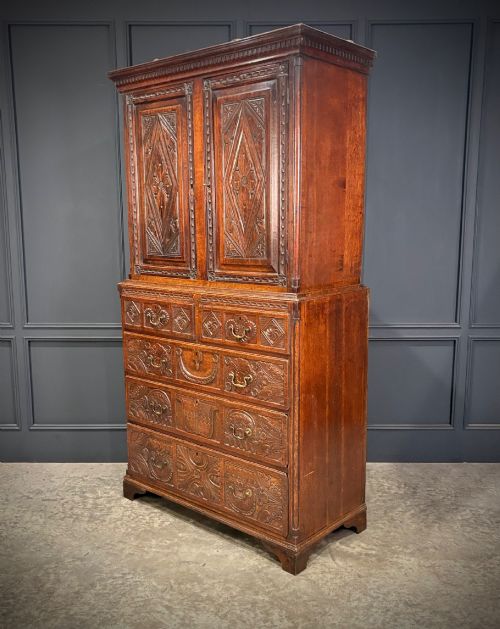


Dark Oak Housekeeper Cupboard
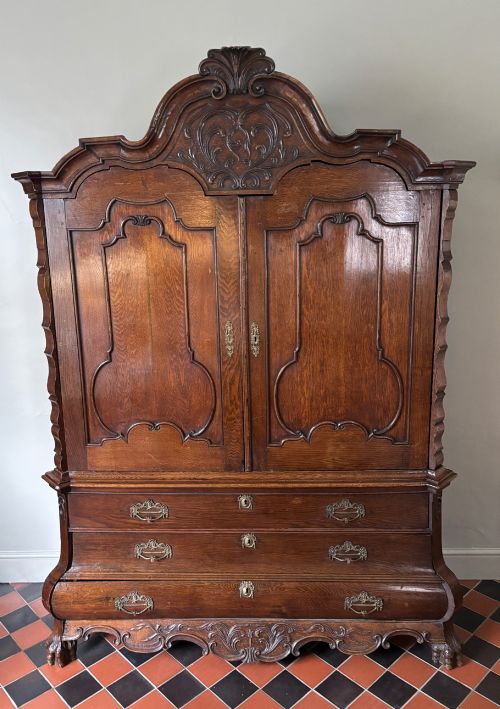
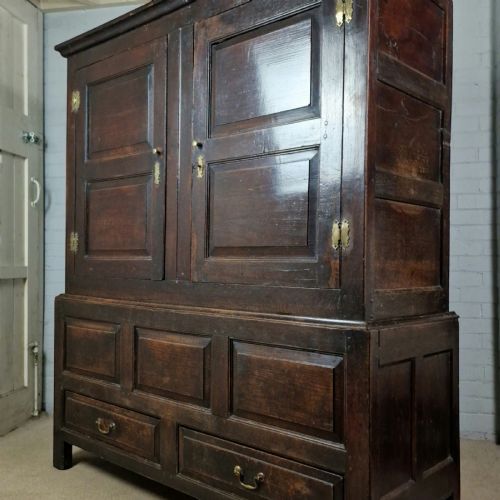
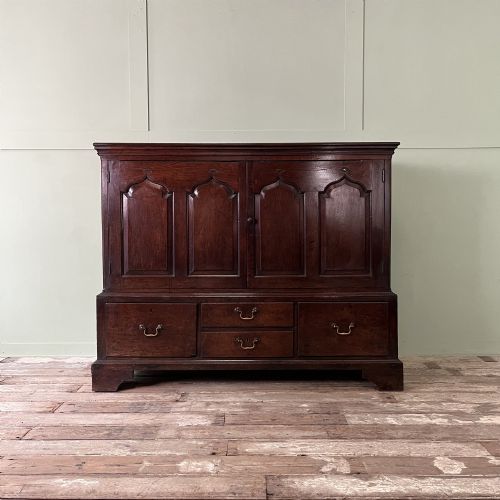
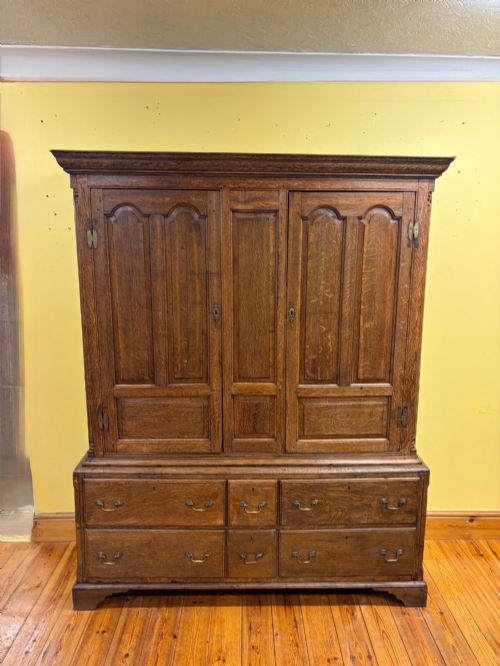
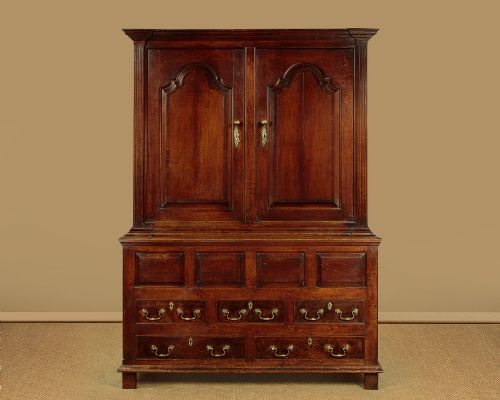
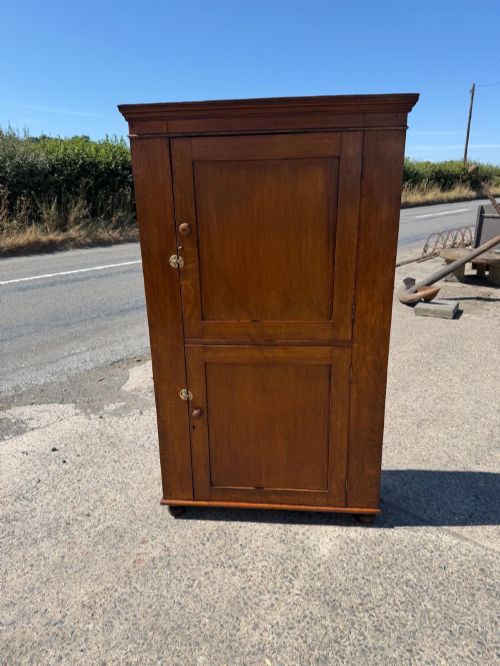
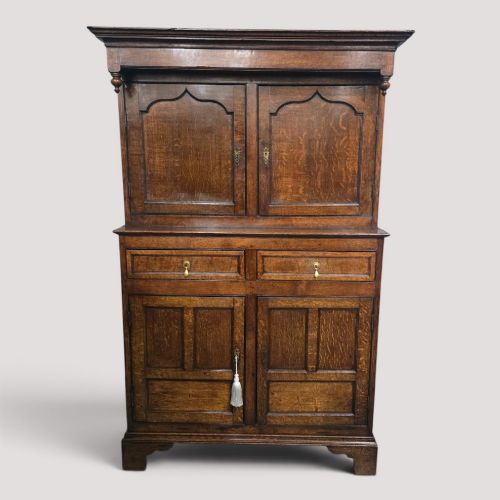
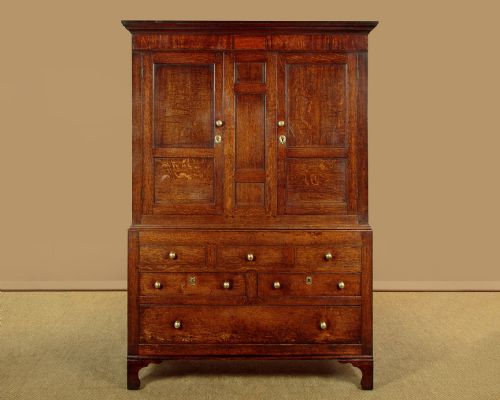
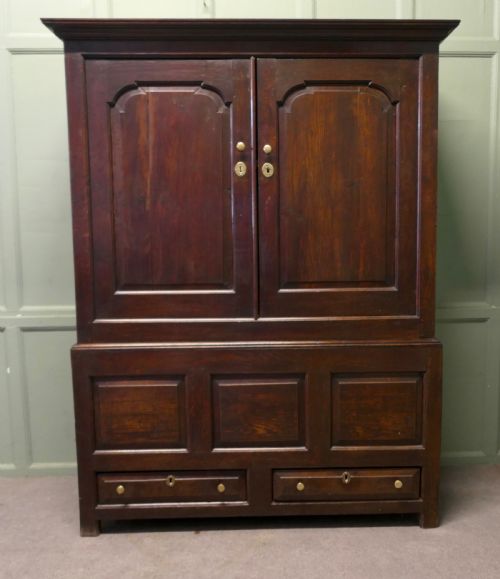
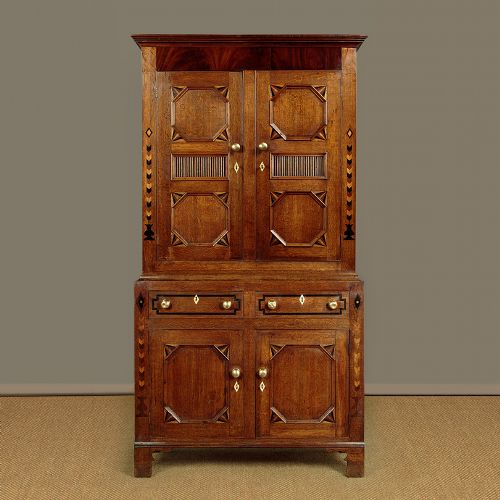
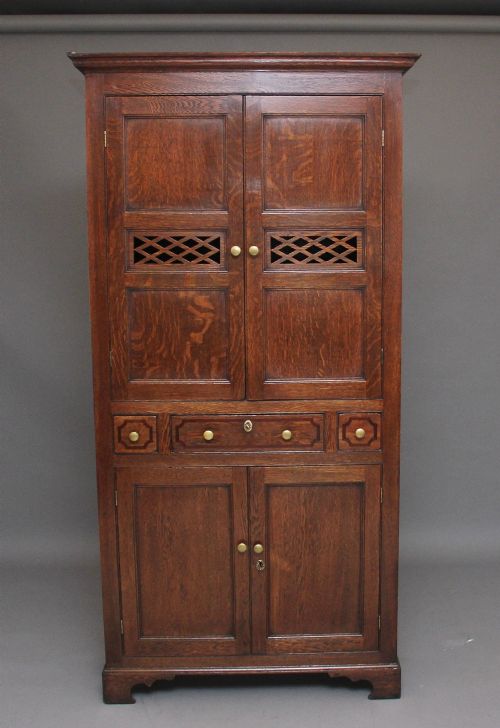
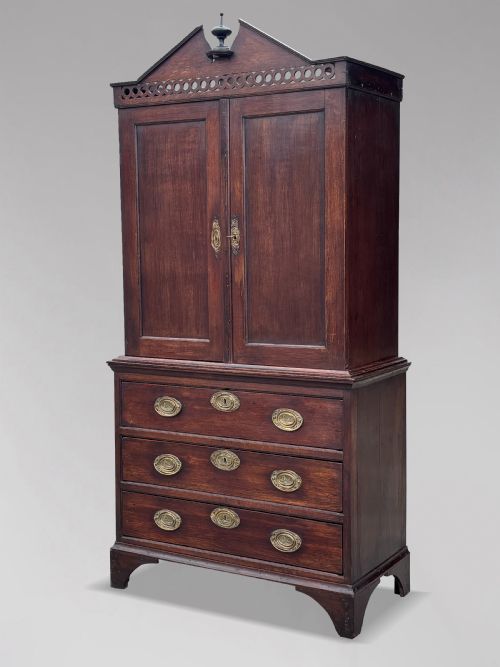
A dark oak housekeeper cupboard provides substantial storage with the rich grain and warm tone characteristic of centuries-old timber.
Dark Oak Housekeeper Cupboard
A dark oak housekeeper cupboard is a large storage furniture piece designed for domestic organisation, frequently appearing from the 18th century and the Georgian period. Buyers seeking this phrase encounter robust items originating from English and Welsh workshops, alongside provincial French examples.
The selection here spans tall press cupboards, low linen presses, livery cupboards and two-stage regional forms such as the Welsh deuddarn. These utilitarian items served historic households for storing linen, provisions, and clothing.
Most examples found on this page display the vernacular traditions of country cabinet makers, favouring practical proportions and sturdy construction over delicate ornament. They bridge the gap between working farmhouse utility and formal domestic architecture.
How they were made
Makers built these substantial carcasses primarily from solid oak, sometimes accented with secondary timbers like ebony, holly, bone inlay, and marquetry. Metalwork typically includes forged iron hinges and brass escutcheons or handles.
Joinery methods rely on pegged mortise and tenon frames holding heavy panelled doors and panelled backs. Surfaces finished with natural wax over decades develop a deep patination that highlights the dense medullary rays of the timber.
Bread and cheese cupboards included pierced splat panels to let the dairy breathe while keeping household mice at a respectful distance.
What varies in quality
Quality in these large storage pieces rests upon the selection of timber and the integrity of the original construction. Superior examples retain their original brass and iron hardware, deep cornices, and untouched panelled doors without excessive timber replacement.
Proportion and regional character distinguish finer vernacular pieces from standard utilitarian storage. The crispness of carved details, where present, and the depth of the natural wax finish separate standard workshop output from exceptional cabinet work.
The Dark Oak Housekeeper Cupboard Glossary
- Livery Cupboard
- A traditional storage furniture piece originally used for storing food, candles, or small household provisions before dedicated larders became common.
- Press Cupboard
- A two-tier storage furniture item featuring enclosed shelving behind doors, historically utilised for pressing and storing household linen.
- Deuddarn
- A traditional Welsh two-stage cupboard featuring open or enclosed upper sections supported by pillars above a lower cabinet base.
- Tack Cupboard
- A utilitarian storage piece traditionally used in country houses or stables for harnesses, riding gear, and equestrian maintenance items.
- Panelled Door
- A door constructed with a frame and floating central panel designed to accommodate the natural seasonal expansion and contraction of solid oak.
Dark Oak Housekeeper Cupboard: Frequently Asked Questions
What is a housekeeper cupboard?
A housekeeper cupboard is a large utilitarian storage piece designed for domestic management, featuring ample shelving behind heavy doors for linens and household goods.
Historically positioned in corridors or large kitchens, these pieces acted as the central command for managing a home's supplies.
How old are these cupboards?
The pieces listed span from the 17th century through the Georgian and Victorian eras, up to 1900.
Most surviving examples date from the 18th century, reflecting the peak period of robust vernacular cabinet making in Britain and France.
What is a Welsh deuddarn?
A Welsh deuddarn is a traditional two-stage regional cupboard characteristic of rural Welsh vernacular woodworking traditions.
These pieces typically feature an upper tier supported by turned or shaped posts above a lower cabinet base.
How do I care for dark oak?
Care for antique oak involves applying traditional beeswax periodically to nourish the dry timber and maintain its natural lustre.
Keep the furniture away from direct heat sources and dramatic humidity fluctuations to prevent timber splitting or joint movement.