


Dark Oak Framed Portrait
A dark oak framed portrait brings historic character to a room, offering genuine depth through timber grain and traditional portraiture.
Dark Oak Framed Portrait
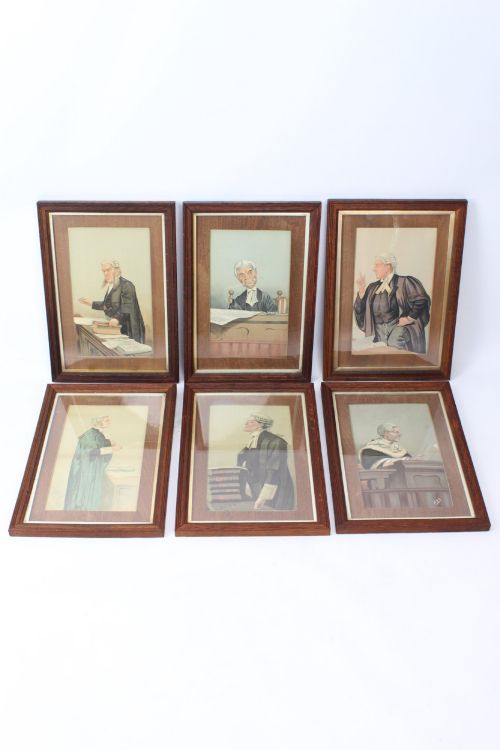
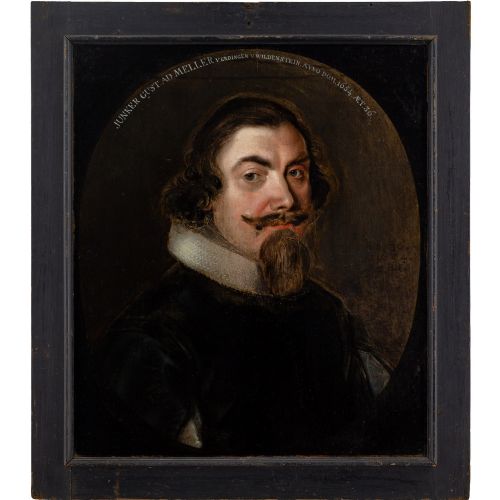
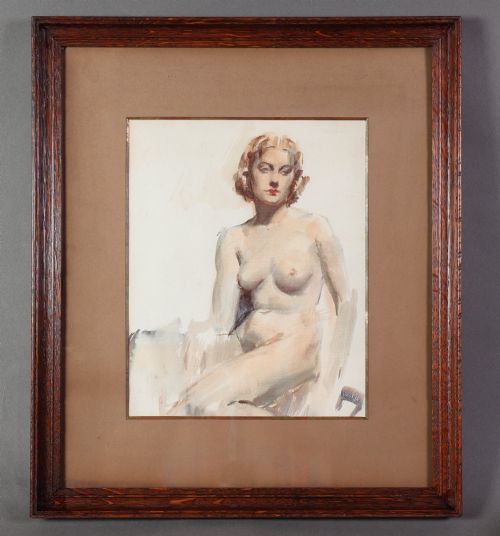
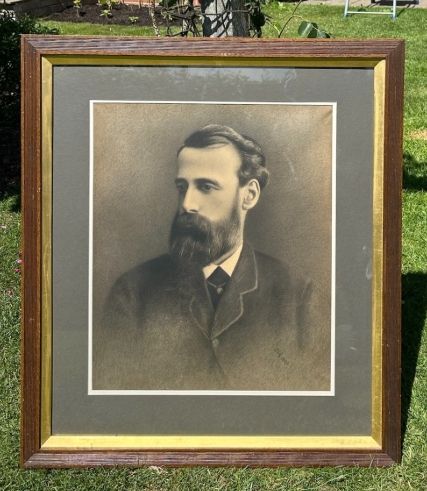
A dark oak framed portrait represents a diverse selection of historic artwork and imagery enclosed within sturdy wooden surrounds. When you search for a dark oak framed portrait, you encounter various depictions ranging from Victorian gentlemen and racehorses to seventeenth-century religious figures and nineteenth-century watercolours.
The pieces span several distinct eras, drawing heavily from the nineteenth century and the Edwardian period alongside earlier seventeenth-century examples. The selection includes oil paintings, charcoal drawings, watercolours, photographs, and engravings housed within robust timber frames.
Most examples lean towards traditional British and European schooling, encompassing naive works, folk art, and academic portraiture. These pieces provide a tangible link to past centuries through the combination of aged paper or canvas and dark wooden borders.
Materials and construction
The physical build relies on solid oak for the framing, complemented by glass protection where paper or canvas requires it. Artisans utilised traditional woodworking methods to construct the surrounds, often leaving the natural grain of the dark wood visible.
The artwork itself utilises mediums such as oil paint, charcoal, pencil, watercolour, ink, and drypoint etching on paper, canvas, or wood panels. Gilt wood elements occasionally accent the dark oak mouldings, adding subtle contrast to the presentation.
Drawings and paintings employ period pigments and inks applied by hand, while prints utilise historical engraving and etching techniques. The mounting process secures the portrait firmly within the wooden frame, preserving the delicate surfaces of the artwork.
Object types span oil paintings, wall art, framed prints, charcoal drawings, watercolours, and drypoint etchings.
Distinguishing quality in portraits and frames
Quality rests upon the skill demonstrated in the portraiture and the integrity of the surrounding timber. Finer examples display accomplished draftsmanship and expressive brushwork, whereas simpler works lean towards naive or folk art charm.
The construction of the dark oak frame contributes significantly to the overall merit of the piece. Well-joined corners, appropriate timber density, and harmonious proportions elevate the visual impact of the artwork contained within.
George Lance·Walter Herbert Wheeler·Herbert Dicksee
The Dark Oak Framed Portrait Glossary
- Drypoint etching
- A printmaking process where an artist scratches an image directly onto a metal plate with a sharp needle. This technique produces velvety lines with distinctive burrs.
- Naive portrait
- An artwork created by an artist without formal academic training, often characterised by flat perspective and honest observation. These pieces charm viewers through their directness and individuality.
- Watercolour
- A painting method where fine pigment is suspended in a water-based solution, typically applied to paper. It yields translucent washes of colour.
- Gilt wood
- Timber that has been decorated with a thin layer of gold leaf or metallic gilt. It frequently highlights decorative mouldings within a frame.
- Engraving
- A printmaking technique involving the direct cutting of a design into a hard plate using a burin. The resulting lines hold ink to transfer the image onto paper.
Dark Oak Framed Portrait: Frequently Asked Questions
What periods do these portraits come from?
The selection spans multiple centuries, with particular representation from the nineteenth century and the Edwardian era. Earlier seventeenth-century examples also appear alongside twentieth-century works.
Each period brings distinct artistic conventions and framing styles that reflect the era in which the portrait was produced.
How should I care for an antique wooden frame?
Keep the dark oak frame away from direct sunlight and steady sources of heat to prevent the wood from drying out. Dust the timber gently with a dry, soft cloth.
Avoid using modern chemical polishes or water on antique wood and glass surfaces.
Are all the frames made of solid oak?
The listings feature oak and carved wood surrounds, occasionally complemented by gilt wood accents. The timber provides a robust and dark border that contrasts with the portrait inside.
Different pieces utilise various moulding widths and joinery methods appropriate to their respective periods.
What types of artwork are included?
The artworks encompass oil paintings, charcoal drawings, watercolours, photographs, and drypoint etchings. Subjects range from human portraits and racehorses to historic figures and religious icons.
This variety allows you to choose between highly detailed academic works and simpler folk art pieces.