

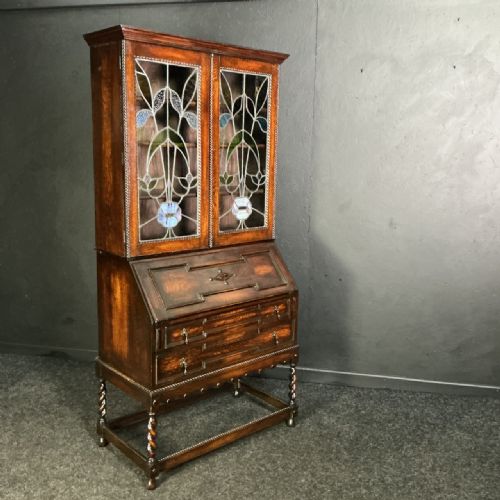
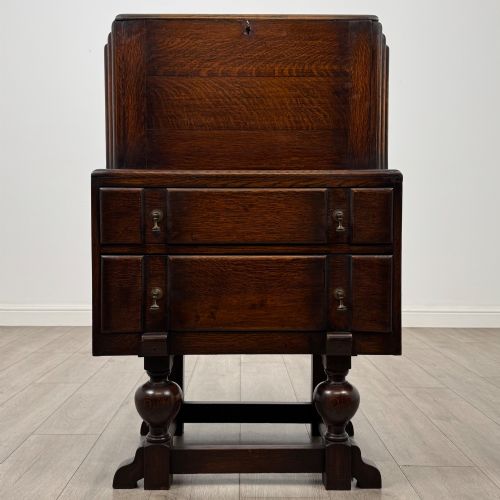
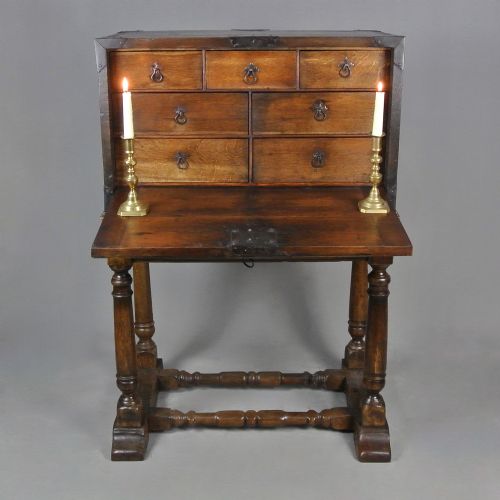
Dark Oak Bureau Cabinet
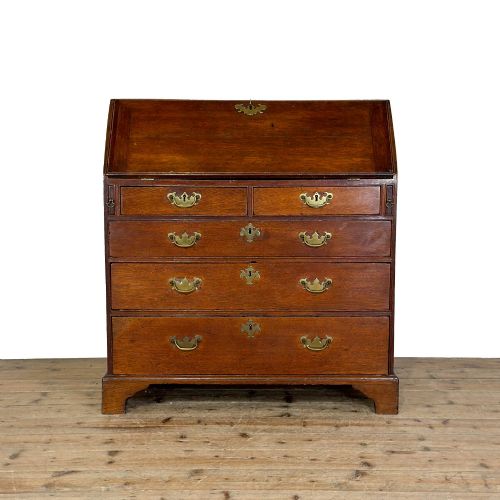
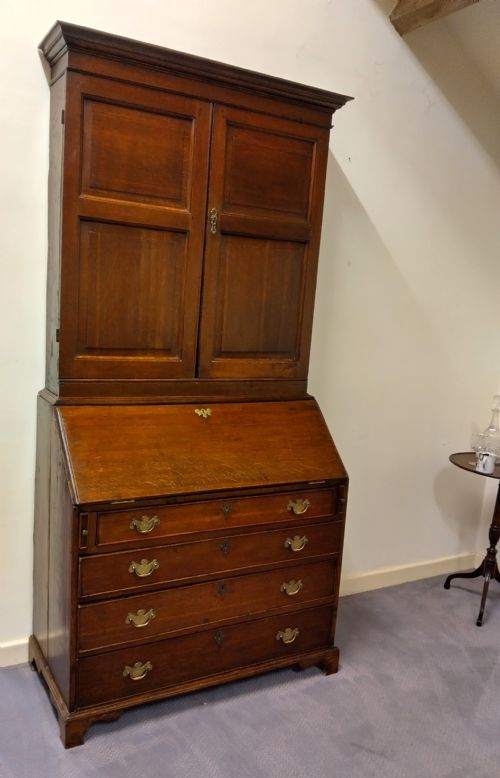
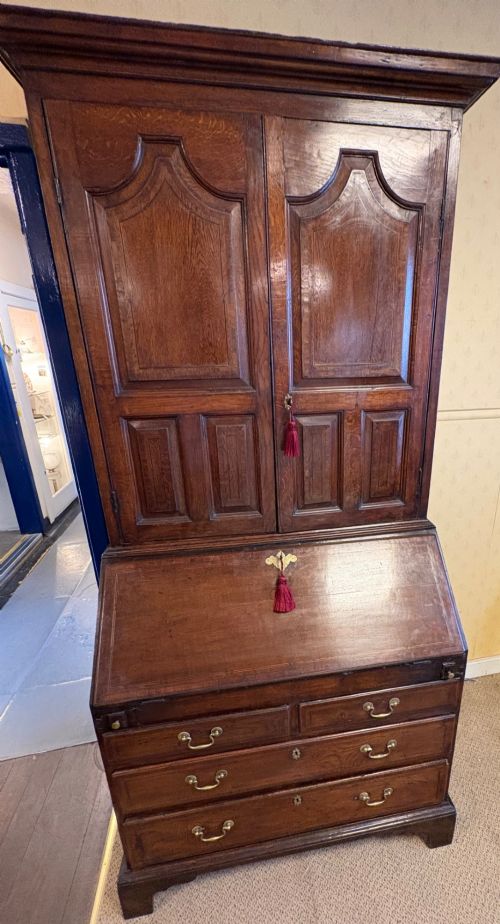
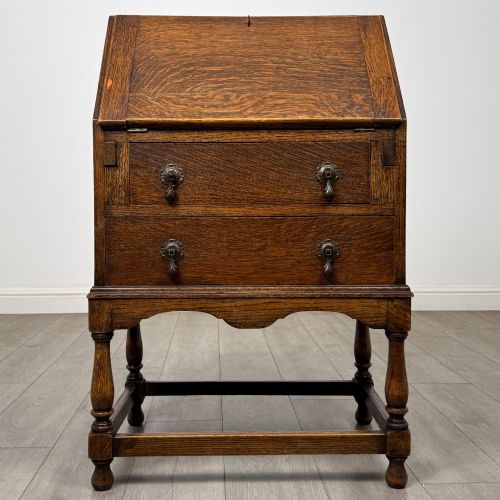
A dark oak bureau cabinet brings functional writing space and shelved storage together in a sturdy timber frame that suits a traditional study.
Dark Oak Bureau Cabinet
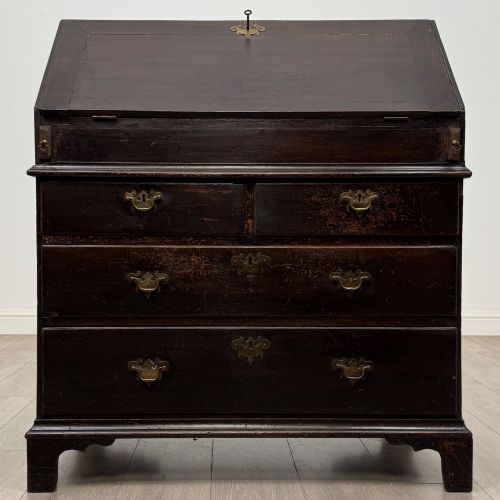
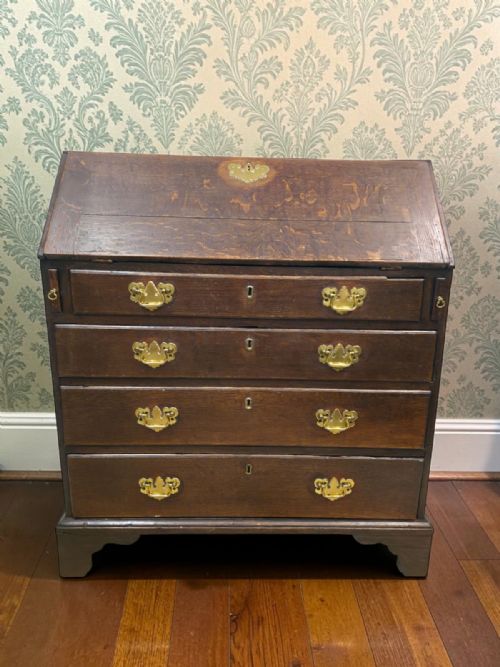
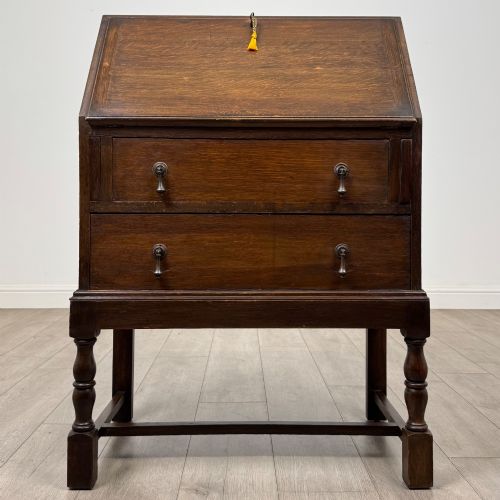
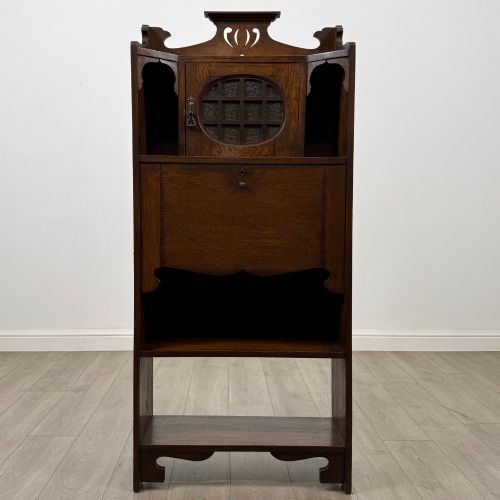
A dark oak bureau cabinet combines a fall-front writing desk with an upper bookcase or a lower chest of drawers, creating a practical workspace with integrated storage. When you search for a dark oak bureau cabinet, you encounter pieces spanning from the seventeenth century through the Georgian and Victorian eras up to Edwardian and later twentieth-century revivals.
Most entries adhere to traditional cabinetmaker forms, though occasional adaptations provide modern utility, such as a very early bureau bookcase modified to house a television. These pieces serve as working writing furniture while housing volumes behind glazed or panelled doors.
Assessing Quality and Execution
Quality rests in the architectural proportions of the piece and the selection of the timber, where dense grain and thoughtful quarter-sawing elevate the cabinet. Finer examples display harmonious integration between the upper bookcase and the lower writing section.
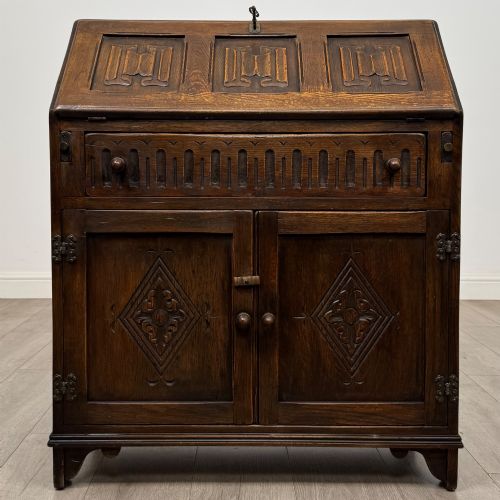
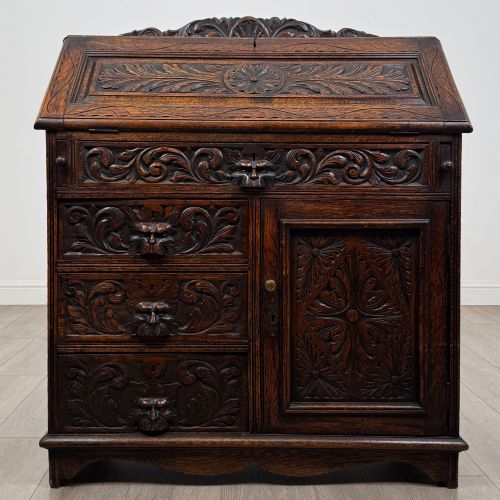
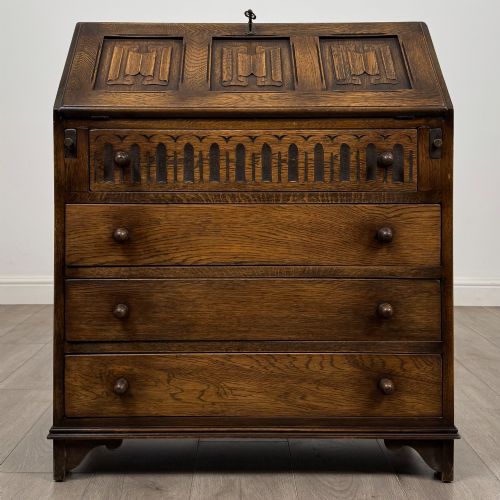
Internal arrangement marks another distinction, separating simple drop-front desks from sophisticated bureau bookcases featuring stepped drawers, pigeonholes and secret compartments. The crispness of hand-carved details, whether linenfold panels or Green Man reliefs, demonstrates the maker's skill.
A Victorian green man stares out from the woodwork, watching over your correspondence with leafy woodland suspicion.
The Dark Oak Bureau Cabinet Glossary
- Bureau
- A writing desk featuring a sloping hinged flap that drops down to form a writing surface, revealing an interior fitted with small drawers and pigeonholes.
- Bureau Bookcase
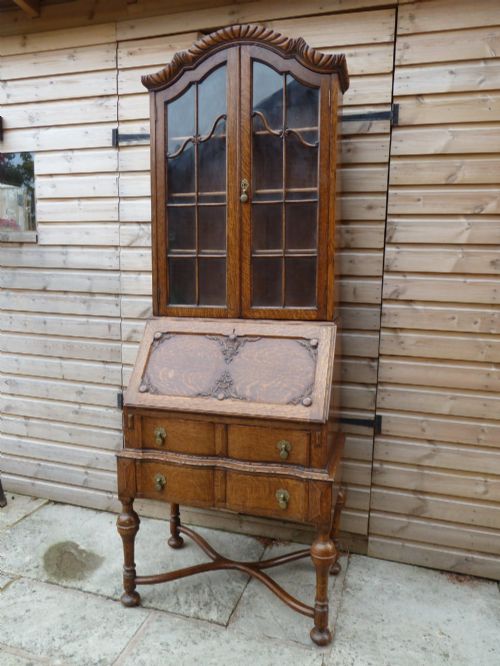
- A tall piece of furniture comprising a lower bureau desk topped by a glazed or panelled bookcase cabinet for storing books.
- Fall Front
- The hinged writing flap of a bureau that pulls down into a horizontal position supported by wooden lopers when in use.
- Linenfold
- A style of relief carving used on panels to imitate folded folds of fabric or linen, popular in Tudor and revival furniture.
- Stepped Interior
- An arrangement of internal small drawers and compartments built in tiers ascending towards the back of a bureau writing section.
- Secretaire
- A piece of furniture containing a drawer or compartment configured with a writing desk drop-front.
Dark Oak Bureau Cabinet: Frequently Asked Questions
How do I date an oak bureau?
Dating relies on construction methods, timber preparation marks, handle styles and stylistic indicators such as linenfold carving or bracket feet. Earlier seventeenth-century pieces show vernacular hand-tooling and pegged joinery.
Later Georgian and Edwardian examples adopt more standardised manufacturing processes, machine-cut elements and revival decorative motifs that align with specific design periods.
What is the difference between a bureau and a bureau bookcase?
A standard bureau consists solely of a lower chest base and a sloping writing flap for desk work. This provides a compact writing station without upper display shelving.
A bureau bookcase adds a tall upper cabinet with shelves, enclosed by glazed or wooden doors, extending the storage capacity upwards to house a library.
Are these cabinets suitable for modern laptops?
Many fall-front writing desks offer sufficient depth and surface area for contemporary laptops and writing equipment. The internal pigeonholes also help organise modern stationery.
Buyers should verify the exact depth of the open writing flap to ensure comfortable clearance for electronic devices before purchase.
How should I care for dark oak furniture?
Maintain oak timber by keeping pieces away from direct heat sources and strong sunlight, which can dry out and fade the dark finish. Dust regularly with a dry cloth and apply traditional beeswax sparingly to nourish the wood.
Avoid silicone-based polishes that build up a hazy film over the grain and carvings.