
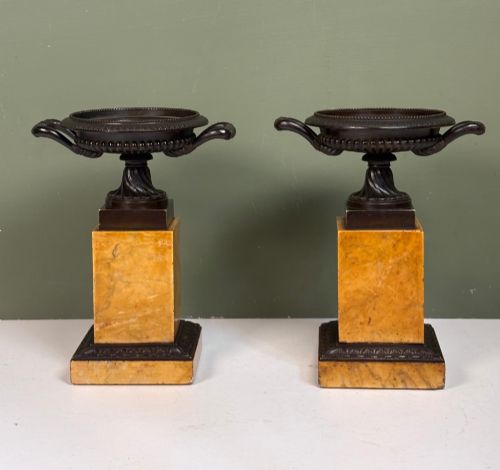
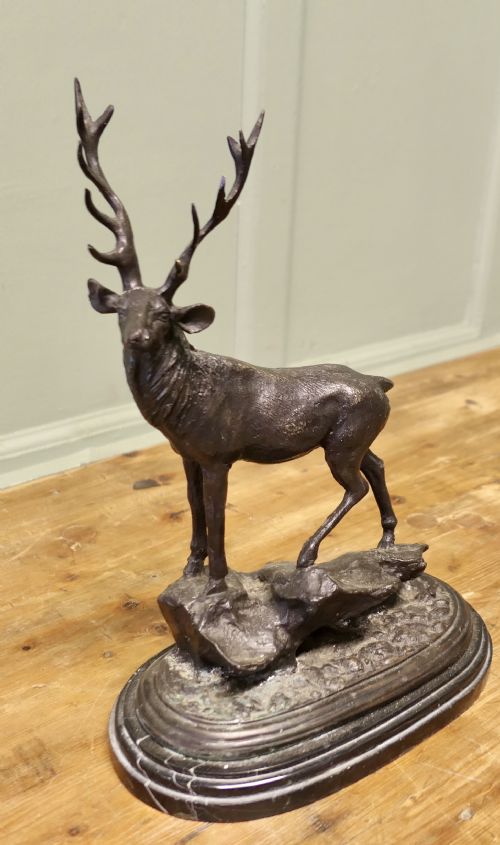
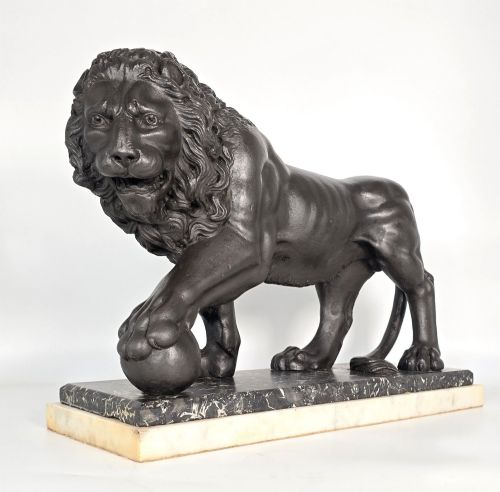
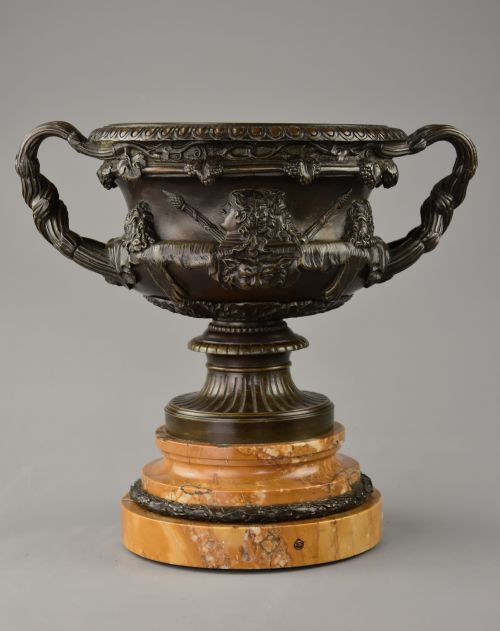



Dark Marble Plinth
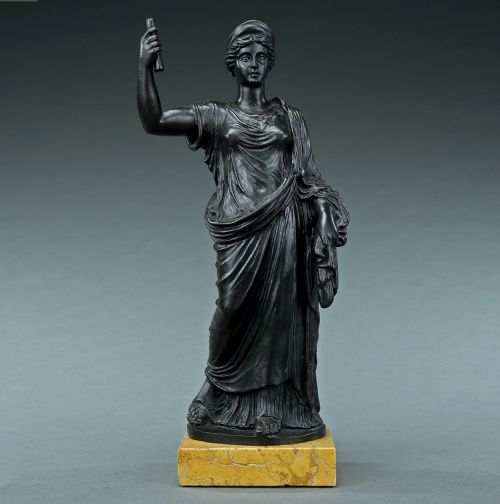
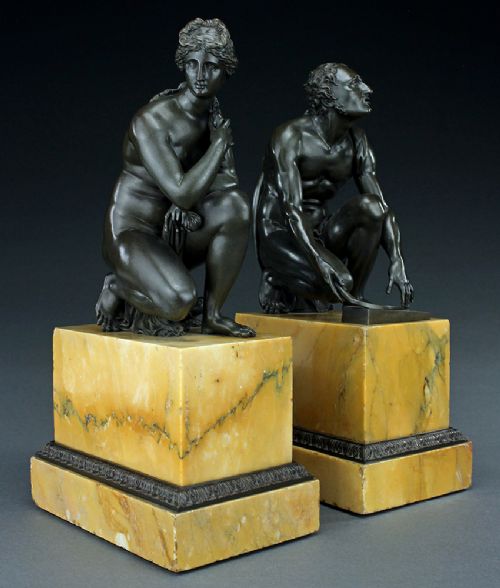
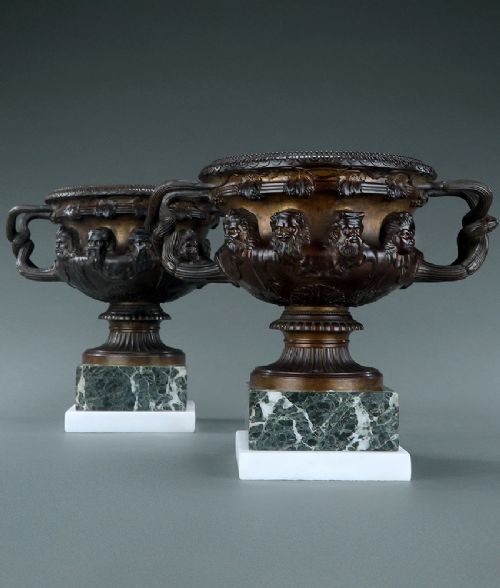
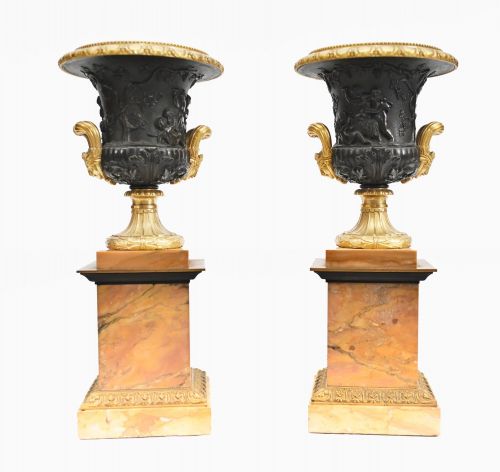
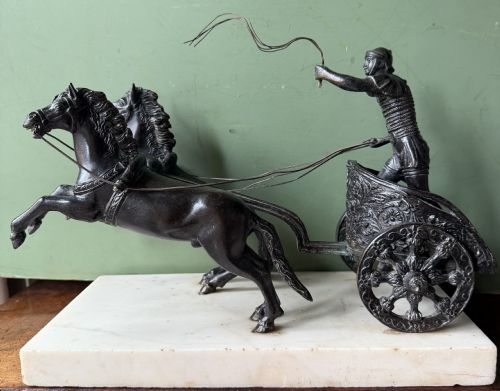
These heavy dark marble plinth supports elevate bronzes and vases, providing a solid foundation for classical figures and Grand Tour souvenirs.
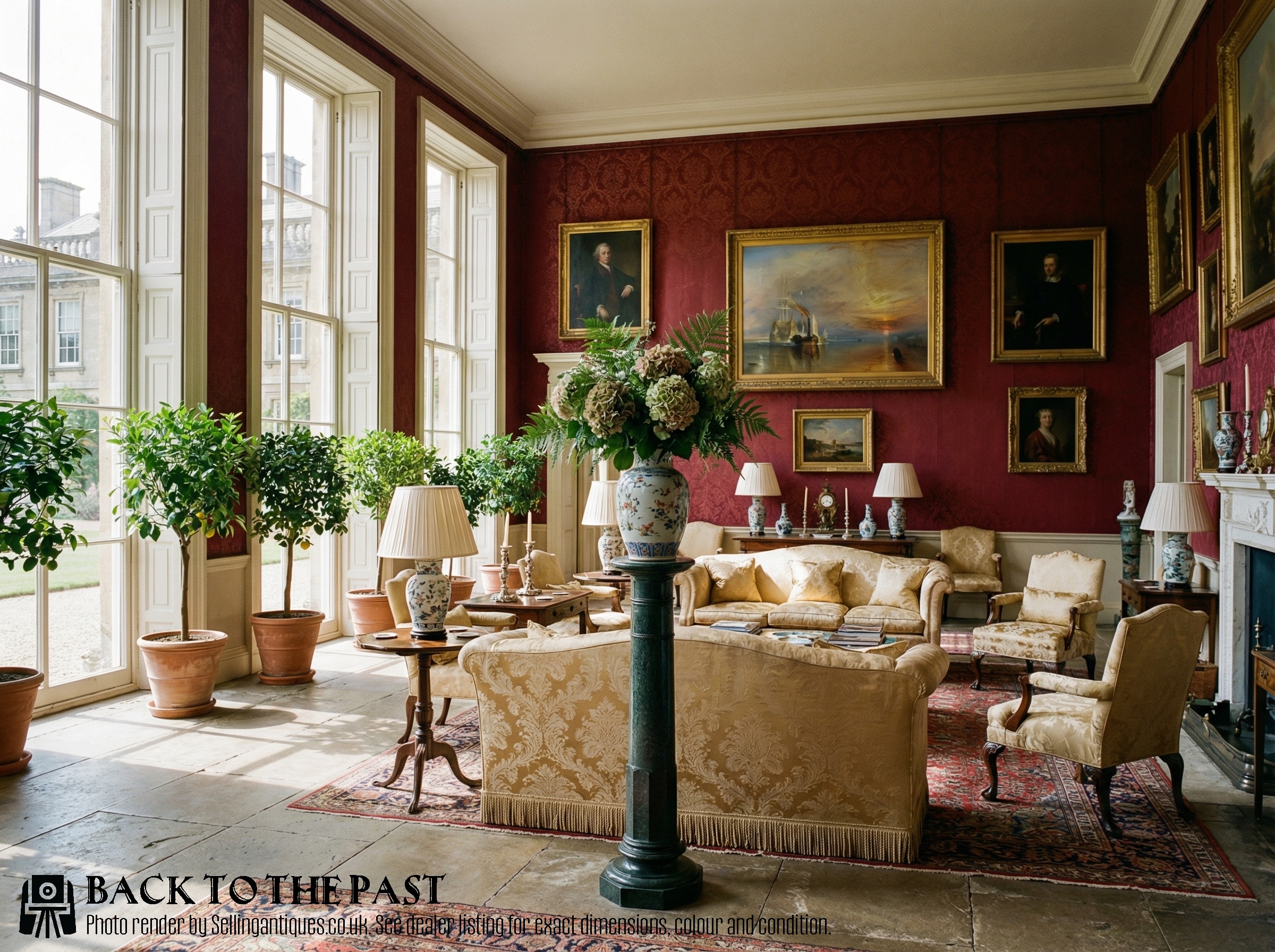
Dark Marble Plinth
A dark marble plinth serves as a substantial architectural base or mounting block for bronze figures, urns, and portrait busts. When searching for a dark marble plinth, buyers encounter Victorian and nineteenth-century Italian and French pieces created as Grand Tour souvenirs or classical studies.
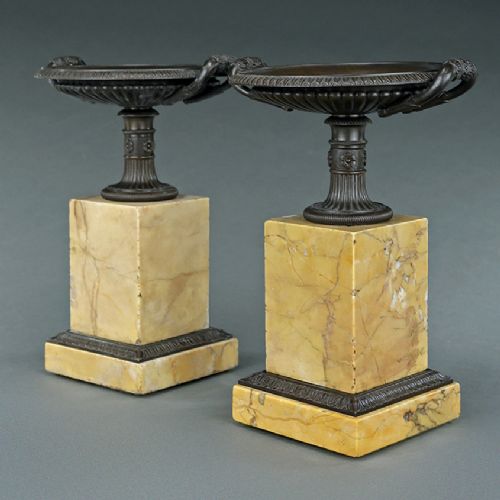
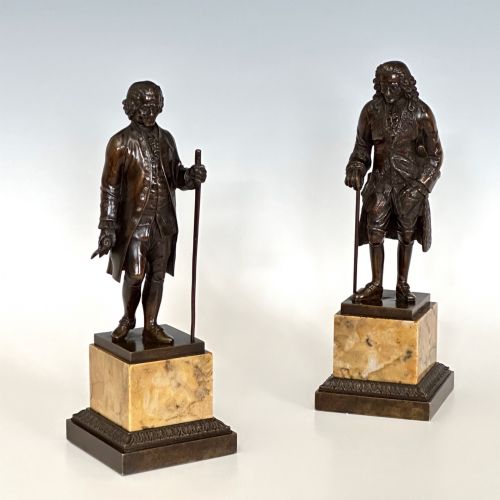
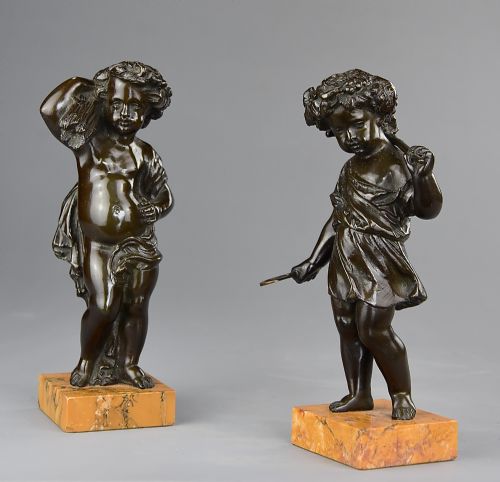
The selections on this page encompass columnar pedestals alongside low rectangular and square bases designed specifically to support patinated or gilt bronzes. These items range from small animalier studies of stags and foxes to large mythological figures and classical vases.
Originating predominantly from nineteenth-century workshops inspired by antiquity, these objects combine carved stone with cast metal. The dark stone varieties include serpentine, verde antico, and black marble, which provide a heavy counterweight and a contrasting tone to the bright metals mounted upon them.
How they were made
Makers utilised dense natural stones such as verde antico, serpentine, and black marble, sawing and turning them on lathes to form smooth columns or rectilinear plinth bases. These stones were selected for their rich dark grain and polished to a high sheen to contrast with the metalwork.
The associated bronze sculptures and mounts were cast using the lost-wax method or sand casting, then finished with hand chasing and chemical patination. Craftsmen pinned or screwed the finished bronze figures directly into pre-drilled holes in the marble bases using threaded metal rods.
Several nineteenth-century artists clearly measured their bronze stags with great care, yet still gave them remarkably thoughtful expressions.
What varies in quality
The richness of the marble veining and the depth of the chemical patina on the bronze distinguish superior pieces. Heavier, dense stone varieties with complex natural patterns elevate the overall presence of the sculpture.
Claude Michael Clodion·Carl Kauba·R Henn·Feridah Francis Forbes Taylor·Aspetti
The Dark Marble Plinth Glossary
- Grand Tour
- A nineteenth-century travel custom where wealthy individuals collected classical antiquities, bronze reductions, and marble souvenirs across Europe. These objects recreate ancient sculptures in miniature form.
- Ormolu
- Ground gold applied to bronze through a mercury amalgamation process, creating a bright golden surface finish. It is frequently paired with dark marble to highlight decorative mounts.
- Tazza
- A shallow ornamental cup or vase raised on a stem and foot, often cast in bronze and mounted on a marble plinth. These vessels frequently copy classical archaeological finds.
- Animalier
- A nineteenth-century artistic style focusing on realistic depictions of animals, such as stags, working dogs, and lions. These sculptures are commonly set atop heavy stone plinths.
Dark Marble Plinth: Frequently Asked Questions
What held these marble plinths together?
Makers joined the stone sections using internal iron or brass threaded rods secured with nuts. Plaster or adhesives were occasionally applied to stabilize internal joints.
The mounted bronzes were subsequently attached by passing threaded pins from the underside of the marble directly into the feet or base of the metal sculpture.
How were these columns used historically?
Nineteenth-century interiors utilised these marble columns and pedestals to elevate portrait busts, bronze urns, and decorative sculptures above floor level. This placement drew the eye upward and protected fragile items from damage.
They functioned as permanent furniture pieces in libraries, halls, and drawing rooms to display collections gathered during continental travels.
How do I clean a marble plinth?
Dust the polished stone surface regularly with a soft, dry cloth to prevent grit accumulation. Avoid acidic cleaners, vinegar, and household detergents that etch the marble polish.
For stubborn marks, use a damp cloth with mild soap, then dry the stone completely to preserve the natural shine.
Are these columns solid marble?
Many nineteenth-century columns and plinths utilise solid blocks of serpentine, verde antico, or black marble. Larger architectural pedestals sometimes feature stone veneers built around a slate or slate-composite core to manage weight.
The natural weight of the stone provides the necessary stability for heavy bronze figures mounted on top.