
Dark Mahogany Vanity
Dark mahogany vanity pieces bring deep timber tones and traditional craftsmanship into dressing spaces through historic tables, mirrors, and stools.
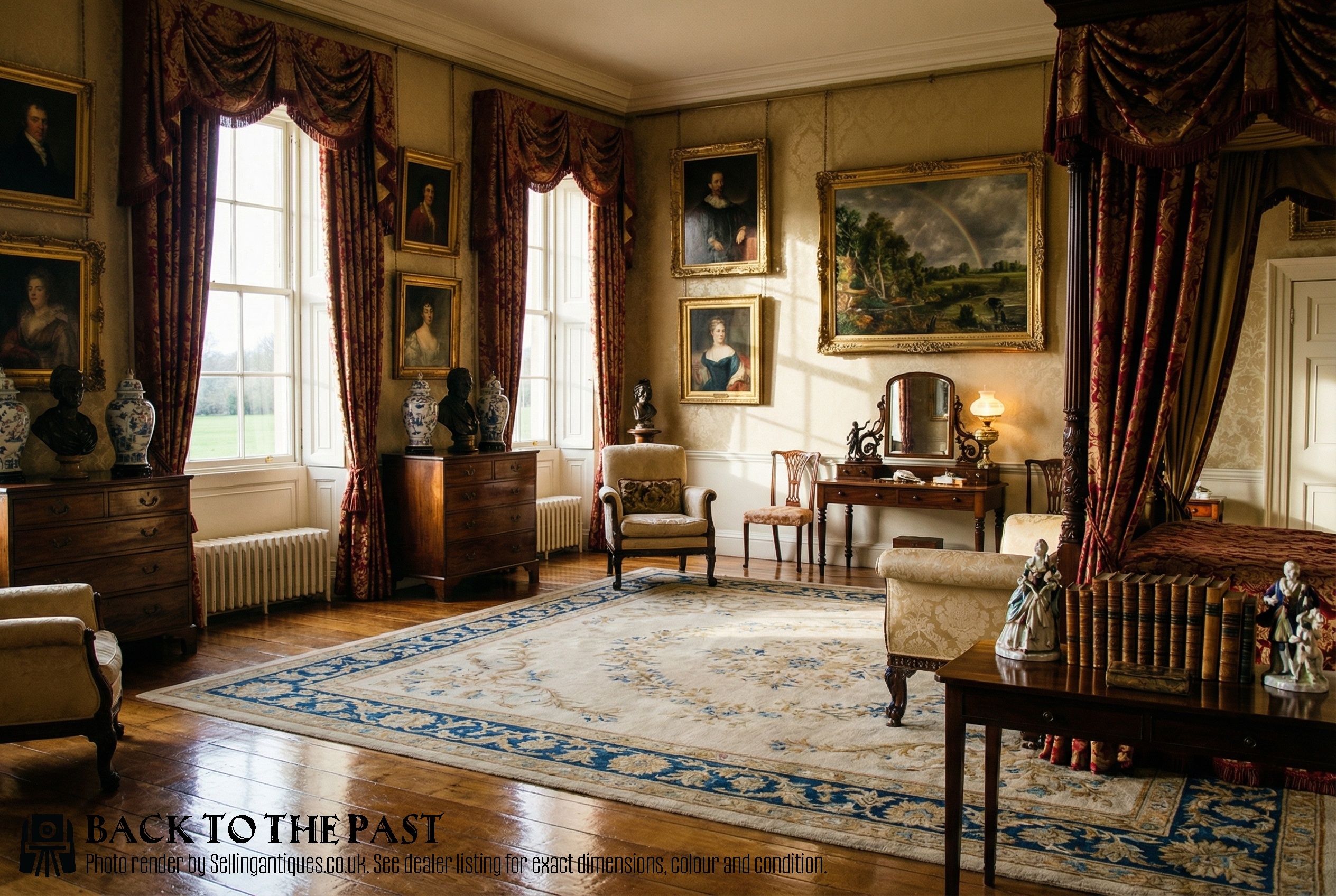
Dark Mahogany Vanity
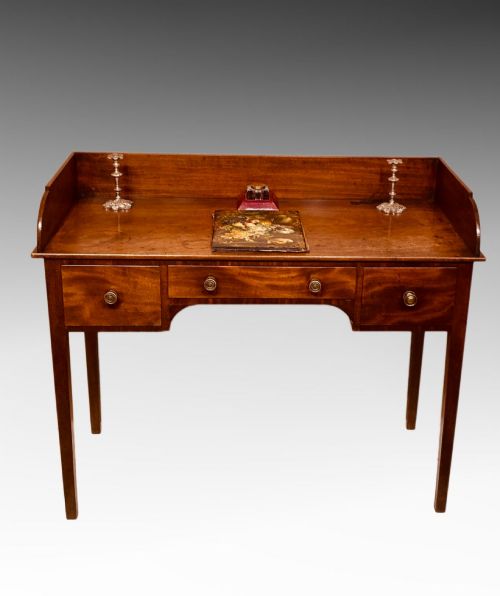
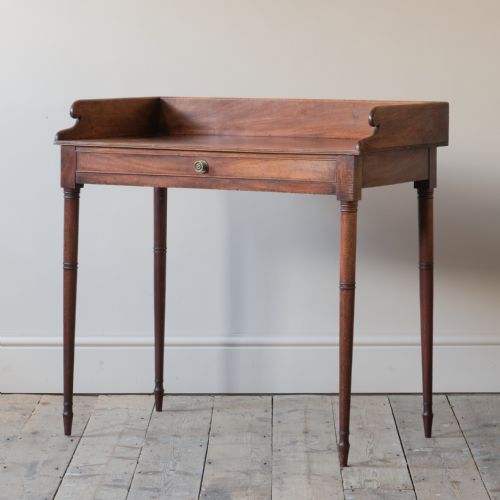
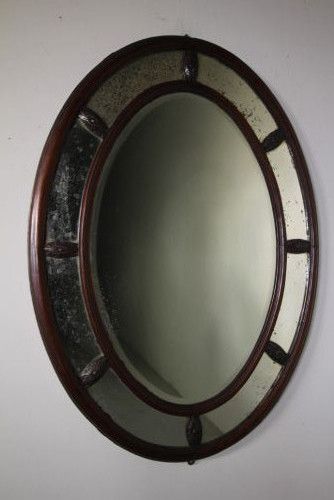
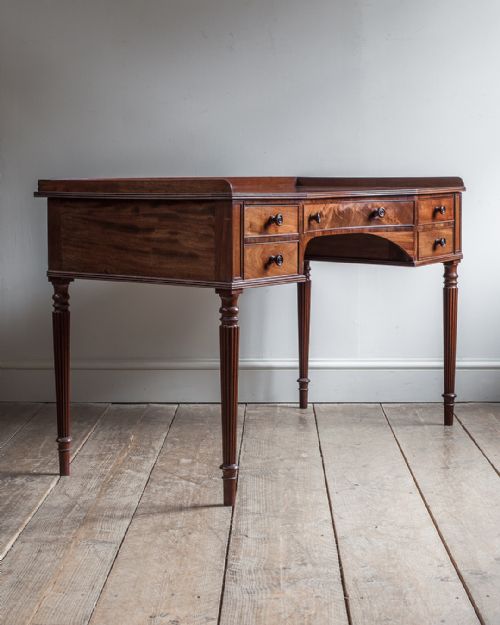
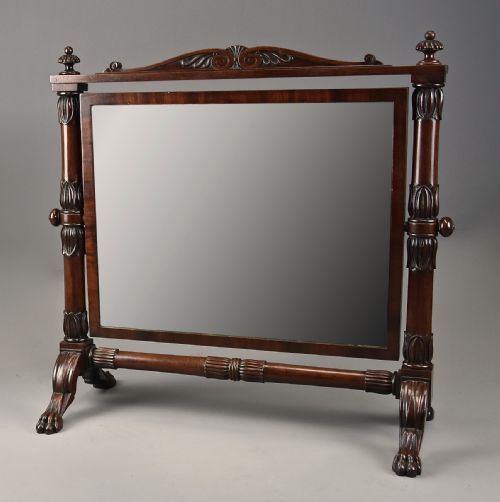
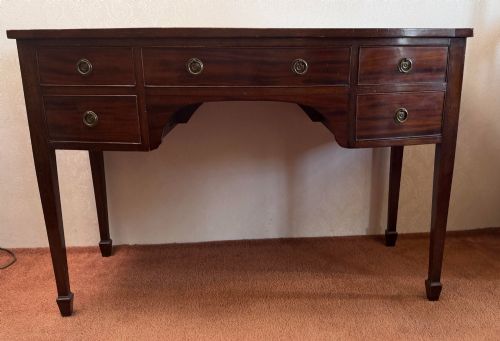
A dark mahogany vanity selection encompasses dressing tables, toilet mirrors, washstands, and matching stools spanning the eighteenth, nineteenth, and early twentieth centuries. Pieces frequently appear in Georgian, Regency, and Victorian styles, reflecting distinct periods of domestic design.
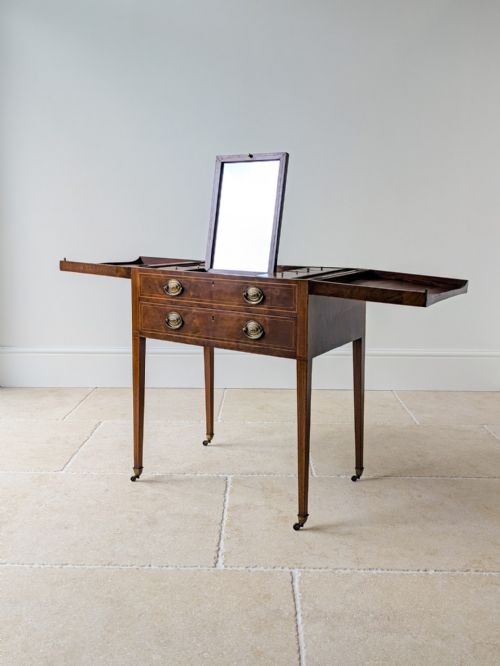
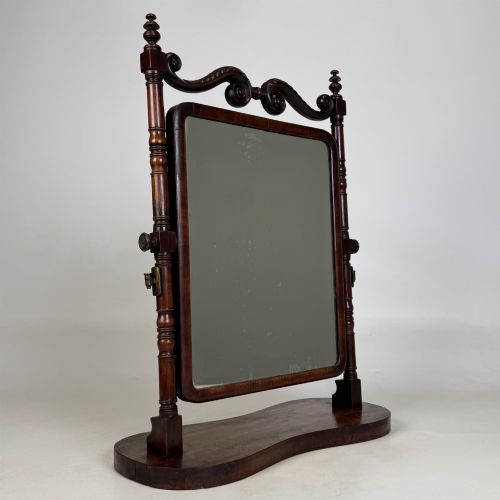
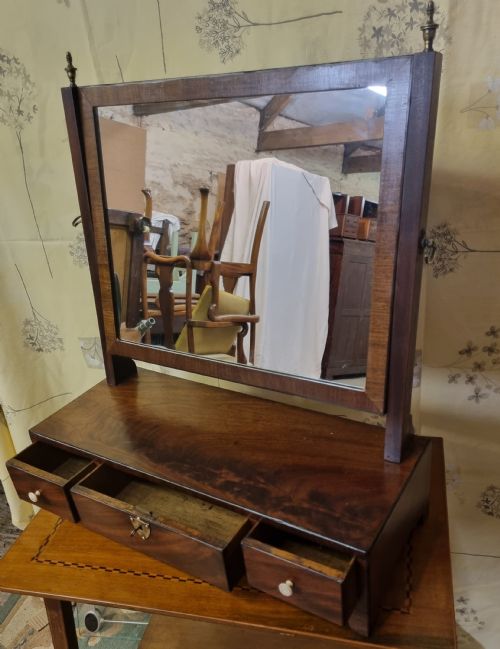
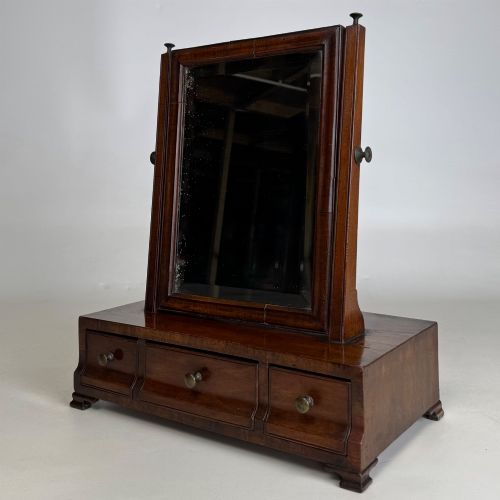
Buyers seeking a dark mahogany vanity most commonly encounter table top dressing mirrors and freestanding dressing tables equipped with drawers. Many examples utilise dense Cuban mahogany, showing rich grain patterns developed over centuries.
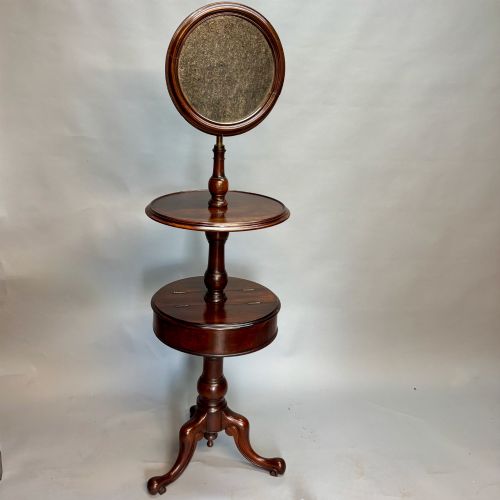
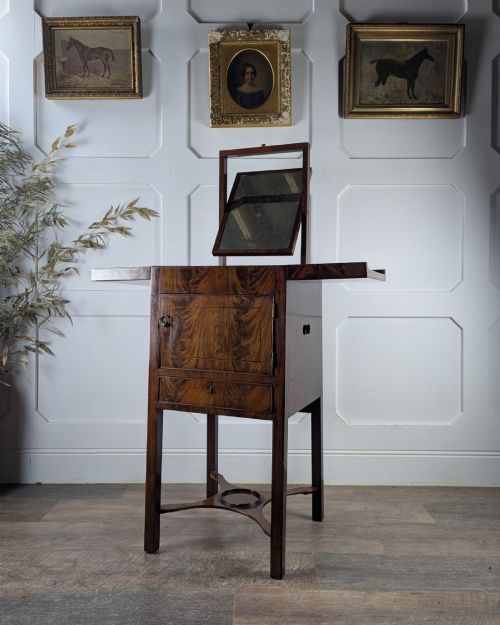
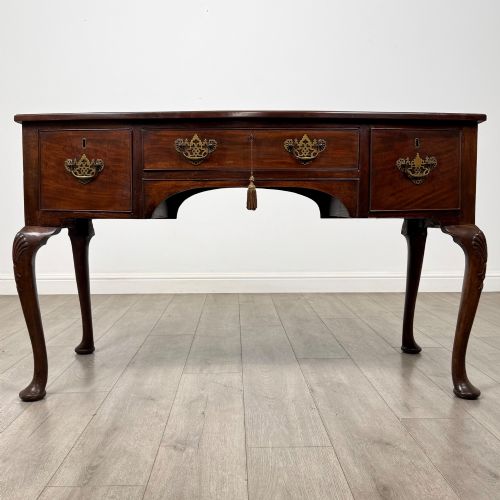
The assortment extends to specialised forms like lowboys, washstands with fold-away compartments, and revolving piano stools. These items serve traditional bedroom functions while providing substantial storage and display surfaces.
Materials and construction methods
Cabinetmakers constructed these forms primarily using solid mahogany and Cuban mahogany veneers over secondary timbers, often accentuating the grain with polished finishes. Brass fittings, including hinges, handles, and swing-arm brackets, provide structural support and functional movement.
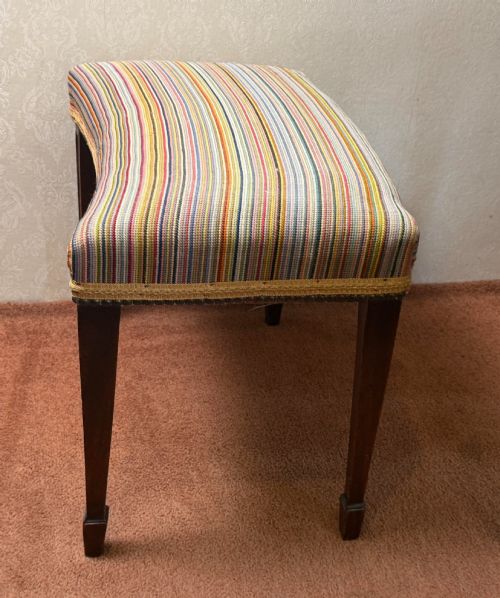
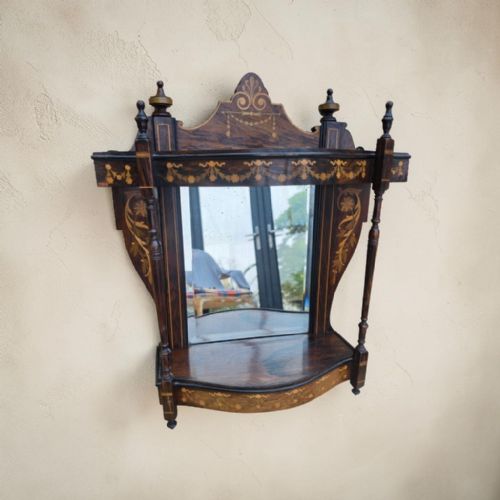
Mirrors utilise original or replacement mirror glass housed within fret-cut or moulded frames. Seating elements incorporate traditional upholstery materials such as fabric and velvet across wooden frames supported by square tapering or carved legs.
Listings feature eighteenth, nineteenth, and early twentieth-century periods, incorporating George III, Regency, Victorian, and Edwardian design movements.
Distinctions in craftsmanship and condition
Superior examples display crisp carving details, such as fretted scrollwork and well-defined mouldings, alongside book-matched flame mahogany veneers. Drawer construction using hand-cut dovetails and stable secondary woods indicates higher standards of period cabinetmaking.
The integrity of the timber finish, retention of original brass hardware, and clarity of the mirror glass heavily influence the overall character of a piece. Finer versions maintain precise joints and smooth mechanical actions on swiveling mirrors and fold-away compartments.
Heal And Sons·P And MA Nicholson
The Dark Mahogany Vanity Glossary
- Cuban mahogany
- A dense, dark timber harvested in the Caribbean, prized for its rich figure and durability in eighteenth and nineteenth-century furniture. Cabinetmakers utilised it for high-status tables and mirror frames.
- Toilet mirror
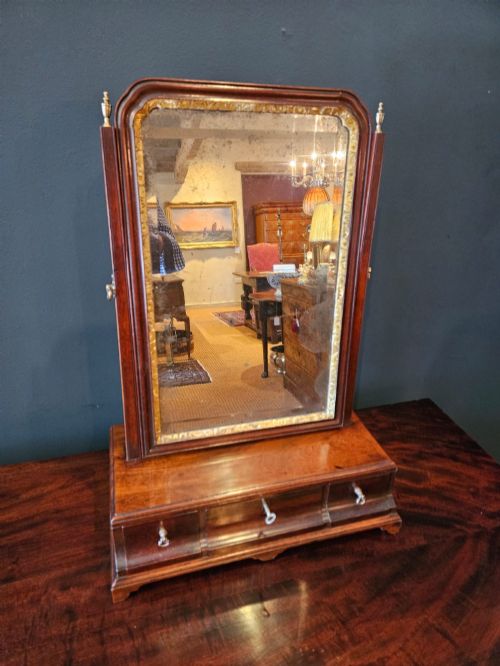
- A small adjustable looking glass mounted on a box base or frame, designed to sit upon a chest of drawers or dressing table. These items frequently incorporate small storage drawers for personal trinkets.
- Lowboy
- A small low table with one or more rows of drawers, commonly used as a dressing or side table during the eighteenth century. They stand on slender legs ending in pad or bracket feet.
- Cheval mirror
- A full-length freestanding mirror suspended on a vertical frame that allows the glass to tilt. Regency and Edwardian makers produced elaborate versions with adjustable brass pivots.
- Washstand
- A dedicated piece of furniture designed to hold a basin and pitcher for morning ablutions. Many incorporate folding tops or marble surfaces to protect the timber from water.
Dark Mahogany Vanity: Frequently Asked Questions
How do I date a mahogany dressing mirror?
Examine the construction of the frame joints, the thickness and bevel of the mirror glass, and the style of the brass hardware. Earlier Georgian pieces often feature hand-cut dovetails and lighter framing timbers.
Later Victorian and Edwardian examples tend to use heavier mirror plates and machine-cut elements. Comparing the foot style and wood grain helps place the piece within its specific century.
What is the difference between a toilet mirror and a cheval mirror?
A toilet mirror sits on top of a table, chest, or surface, featuring a compact base with small drawers. It was built for close-up grooming.
A cheval mirror is a large, freestanding glass designed to show the entire outfit. It stands independently on the floor using a swivelling frame.
How should I care for antique mahogany furniture?
Keep wooden surfaces away from direct sunlight and heat sources to prevent the dark timber from fading or drying out. Dust regularly with a soft, dry cloth and avoid silicone-based polishes.
Apply a traditional beeswax occasionally to nourish the grain. Ensure glass cleaner does not come into contact with the surrounding wood when cleaning mirrors.
Did washstands have mirrors originally?
Washstands were primarily built to hold washing equipment like basins, ewers, and soap dishes rather than for viewing reflections. Many period washstands feature marble tops and fold-away timber covers instead of attached looking glasses.
Separate dressing tables or toilet mirrors were used alongside washstands for grooming purposes.