

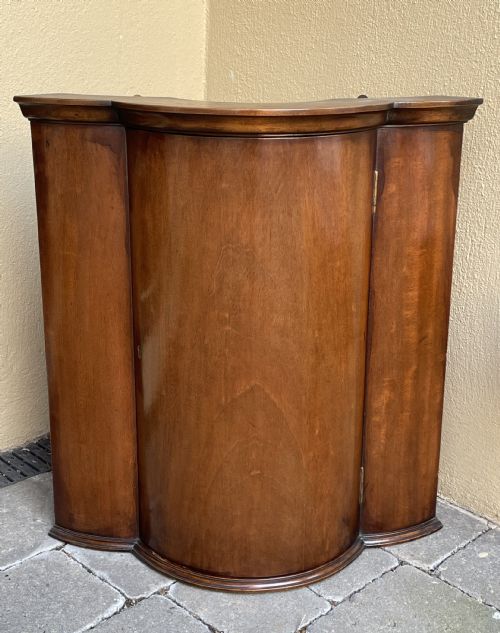

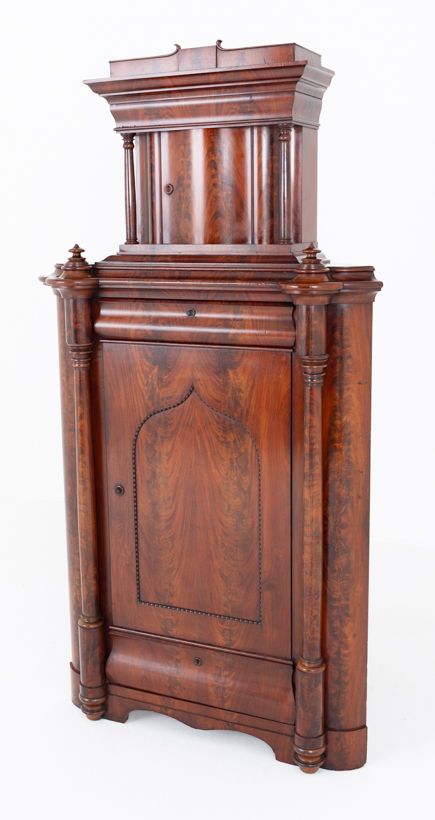
Dark Mahogany Corner Unit
A dark mahogany corner unit turns dead space into display room, bringing rich timber grain and period presence to a neglected room junction.
Dark Mahogany Corner Unit
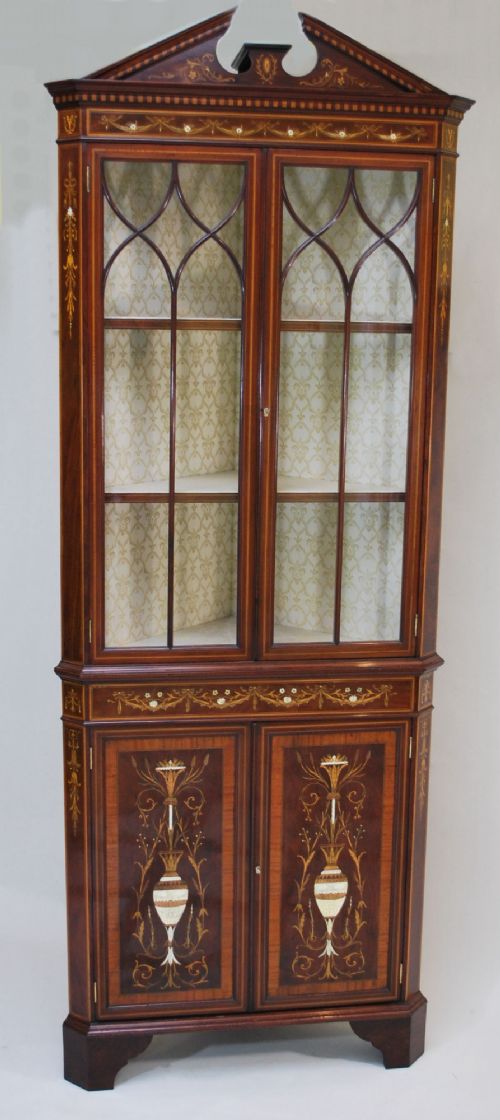
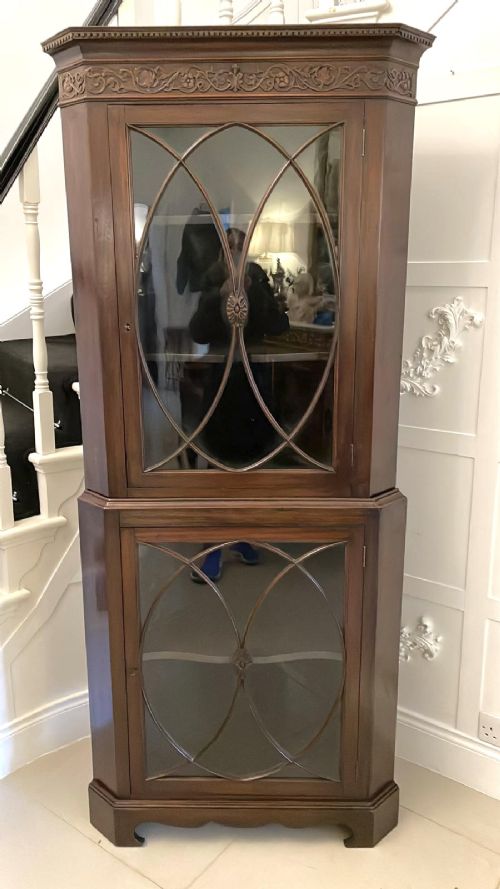
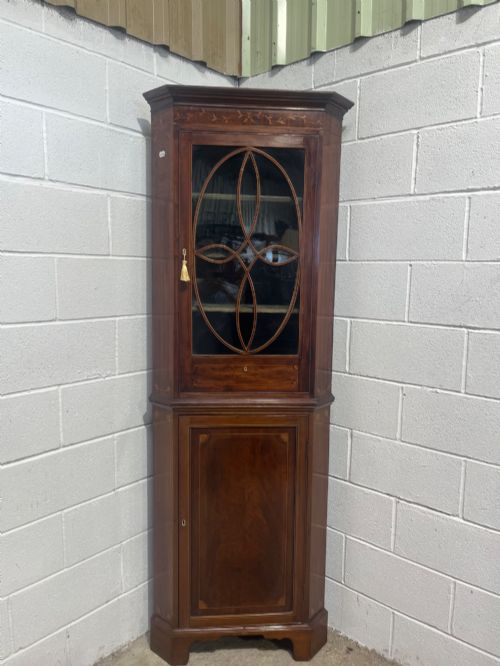
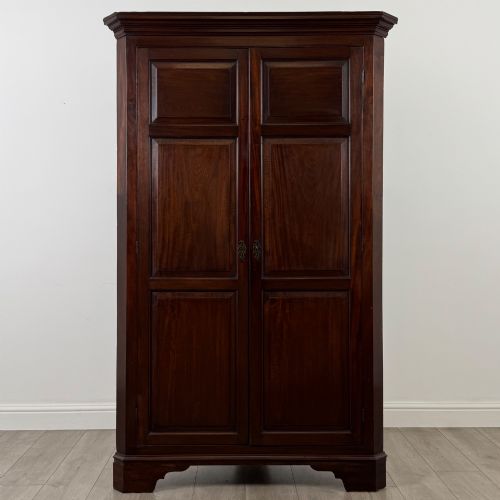
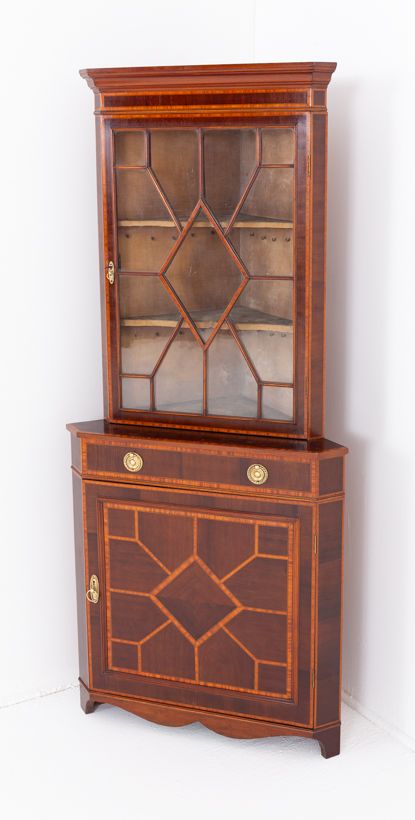
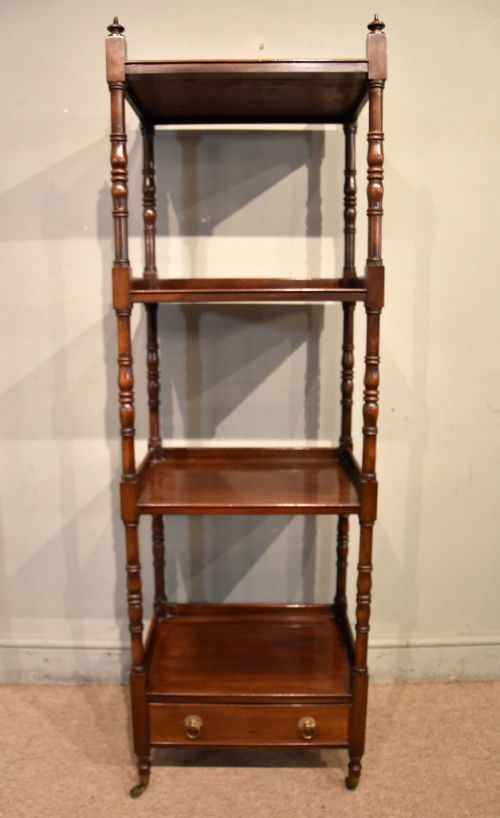
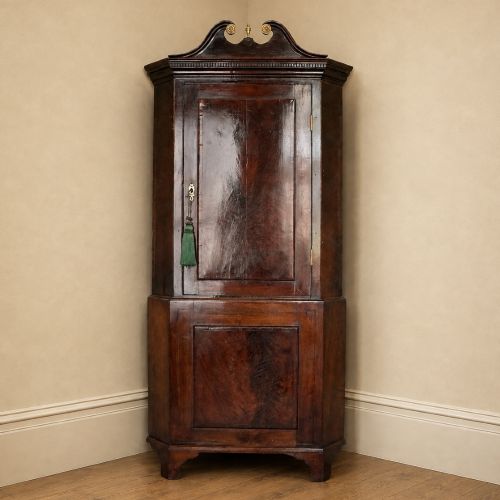
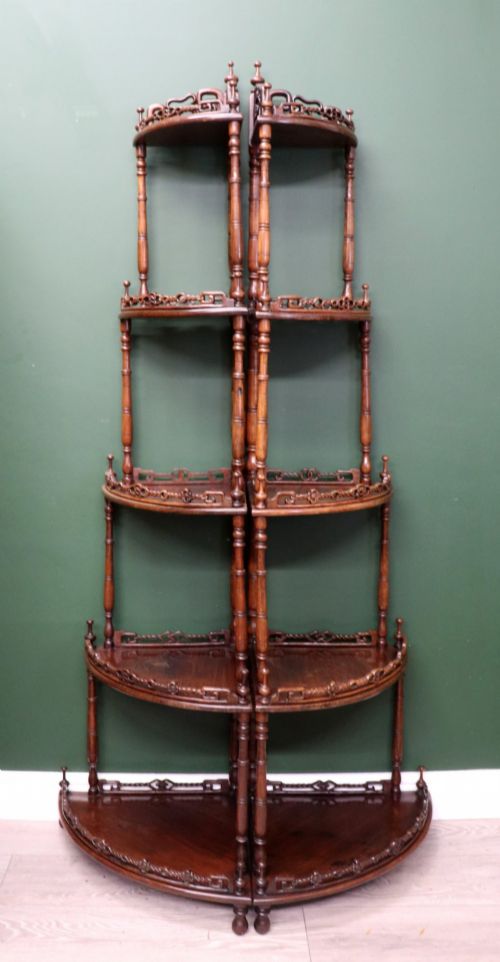
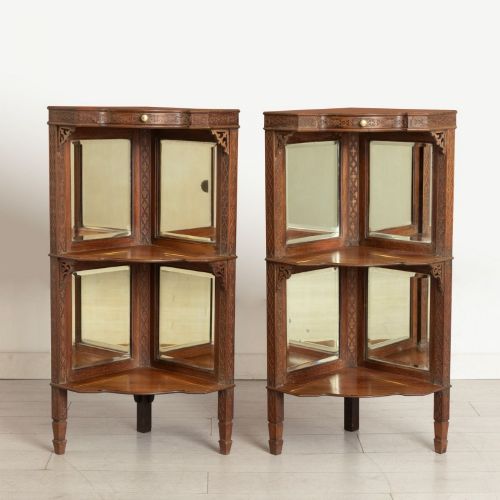
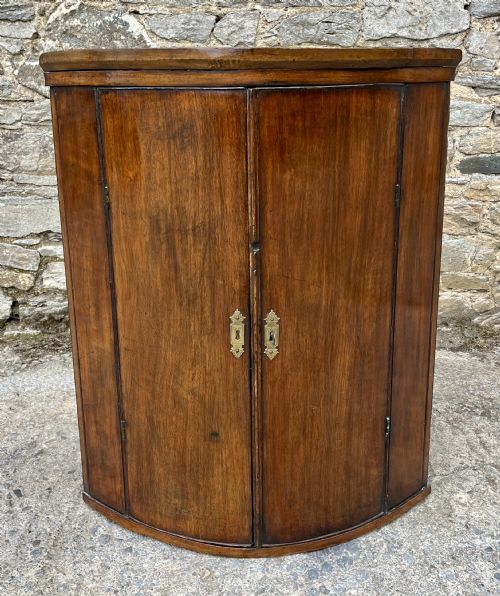
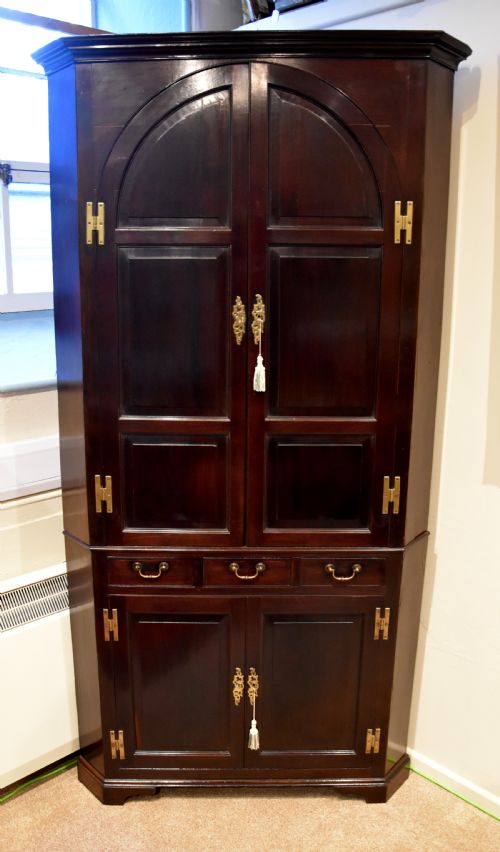
A dark mahogany corner unit comprises a range of freestanding and hanging cupboards, display cabinets and tiered whatnots designed to fit snugly into the angle of a room. When you search for a dark mahogany corner unit, you meet pieces spanning the eighteenth, nineteenth and early twentieth centuries, executed in Georgian, Victorian and Edwardian styles. The most frequent forms on this page are standing corner cupboards, hanging wall cabinets and open multi-tiered whatnots.
Makers and workshops of the eighteenth and nineteenth centuries built these pieces to maximise utility in domestic interiors without dominating floor space. You will find Georgian hanging cupboards, large Victorian floor-standing cabinets, and lighter Edwardian inlaid examples. Cuban mahogany and standard mahogany dominate the timber selection, frequently accented with satinwood inlay, glass panels and brass hardware.
How they were made
Cabinet makers constructed these units predominantly from solid mahogany and mahogany veneers over secondary timbers such as oak, employing traditional dovetail joints for drawer construction and pegged mortise and tenon joints for frames. Glazed doors utilise delicate timber glazing bars, such as astragal designs, to hold individual panes of glass securely.
Surface decoration relies on contrasting timbers, with satinwood inlay and marquetry providing geometric or floral motifs on Edwardian and Sheraton Revival pieces. Polishing with traditional shellac French polish builds a deep, reflective surface that accentuates the dark reddish-brown grain of the timber.
Some nineteenth-century makers squeezed tiers into awkward angles just so an owner had somewhere safe to set down a teacup.
What varies in quality
Quality in these corner units rests upon the selection of timber and the precision of the cabinet work. Pieces featuring dense Cuban mahogany with rich figuring stand apart from plain utility carcases built with lesser secondary woods.
The refinement of decorative details defines the upper tier of the range, seen in crisp carved pediments, unbroken arched cornices, and finely executed satinwood stringing rather than printed or painted imitations.
Edwards & Roberts·Goodhall, Lamb and Heighway of Manchester
The Dark Mahogany Corner Unit Glossary
- Astragal
- A moulding profile used on glass doors to divide the large opening into smaller panes. These delicate wooden strips shape the classic geometric patterns seen on eighteenth and nineteenth-century cabinet doors.
- Biedermeier
- A Central European style dating from the mid-nineteenth century prioritising clean lines and polished timber surfaces over excessive ornamentation. It emphasises the natural grain of mahogany without heavy carving.
- Etagere
- A set of open shelves supported by columns or slender legs, designed for displaying decorative objects. These tiered pieces function as freestanding corner units or wall-mounted display stands.
- Marquetry
- The art of applying decorative veneer pieces in wood to form intricate patterns and pictures. Craftsmen utilise contrasting timbers like satinwood to create floral or geometric motifs on cabinet doors.
- Tambour
- A flexible shutter formed of narrow vertical strips of wood glued to a canvas backing. This mechanism allows a curved door to slide smoothly around the radius of a corner cabinet.
Dark Mahogany Corner Unit: Frequently Asked Questions
How do I hang a wall corner cabinet?
Hanging corner cupboards require secure fixing to solid masonry or internal wall studs using heavy-duty brackets screwed through the interior backboards.
Because eighteenth and nineteenth-century timber units carry substantial weight, particularly when filled with glassware, professional installation ensures the carcase remains plumb and stable.
What is the difference between a cupboard and a whatnot?
A corner cupboard provides enclosed storage behind wooden or glazed doors, keeping dust away from contents and hiding utilitarian items.
By contrast, a whatnot consists of open shelves supported by vertical posts, designed entirely for the open display of ornaments, books and collections.
How do I care for antique mahogany polish?
Maintain the finish by dusting with a dry, soft lint-free cloth and applying quality beeswax sparingly when the timber appears dry.
Avoid placing these units in direct sunlight or near heat sources, as extreme temperature shifts cause timber to split and french polish to craze.
How can I tell a Georgian piece from an Edwardian revival?
Georgian pieces display the heavier construction methods, hand-cut dovetails and deep patination characteristic of the eighteenth century.
Edwardian revival pieces often feature lighter framing, machine-sawn elements, and crisp satinwood marquetry associated with late nineteenth and early twentieth-century workshops.