
Dark Mahogany Commode
A dark mahogany commode brings deep timber tones and classic proportions to a room, offering practical storage through centuries of craftsmanship.
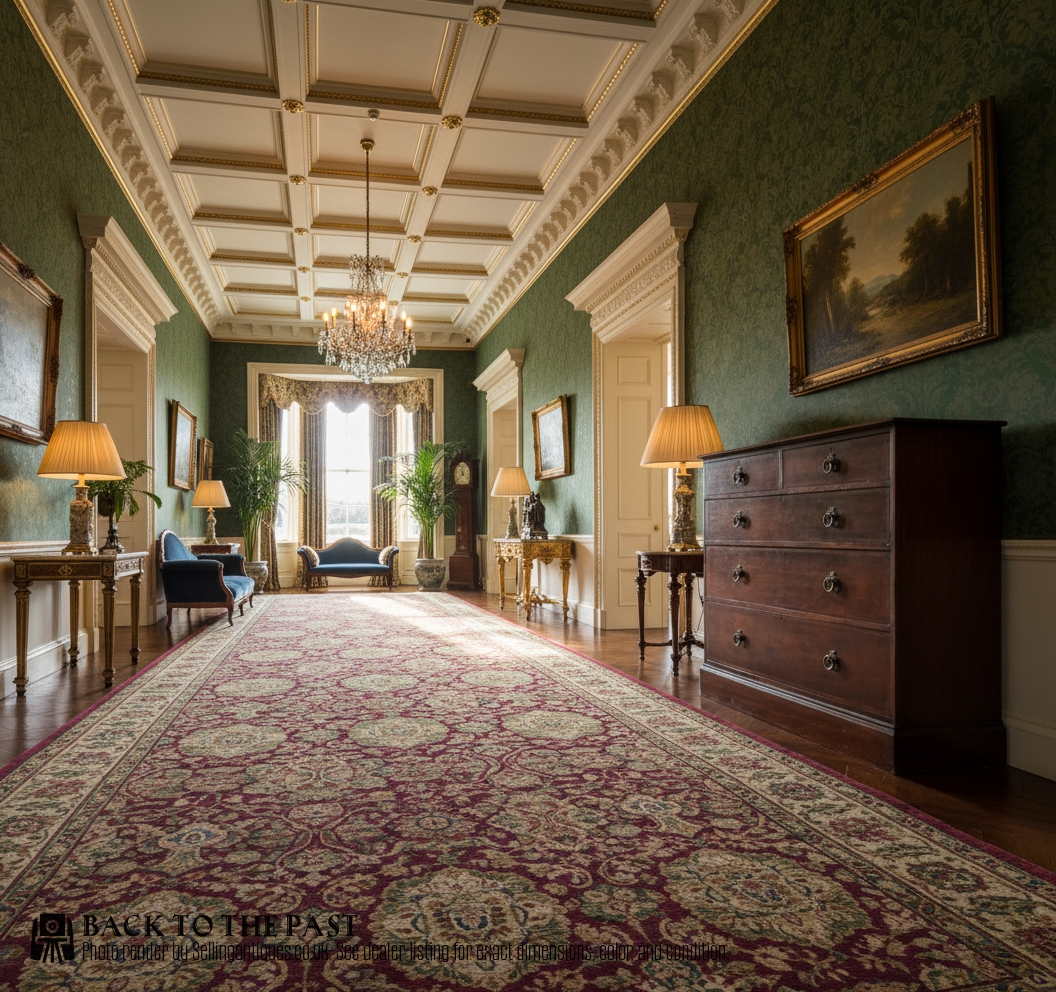
Dark Mahogany Commode
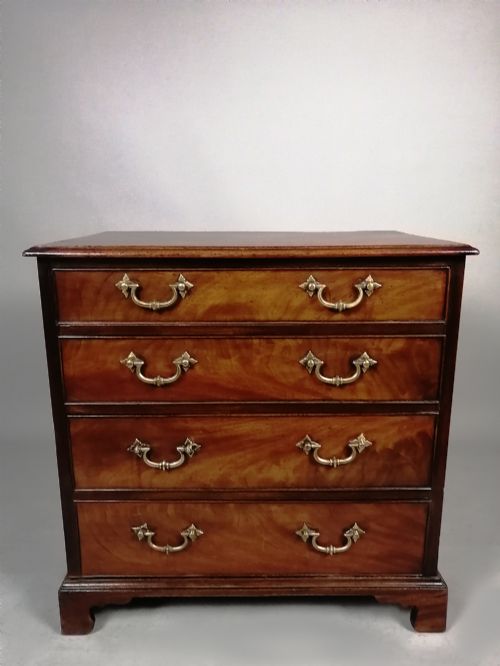
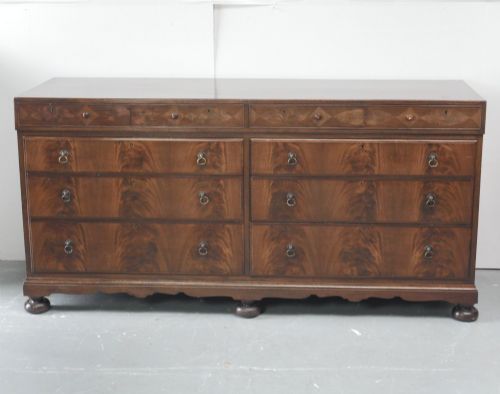
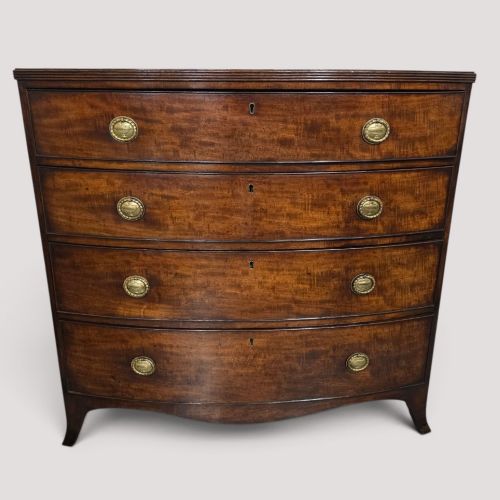
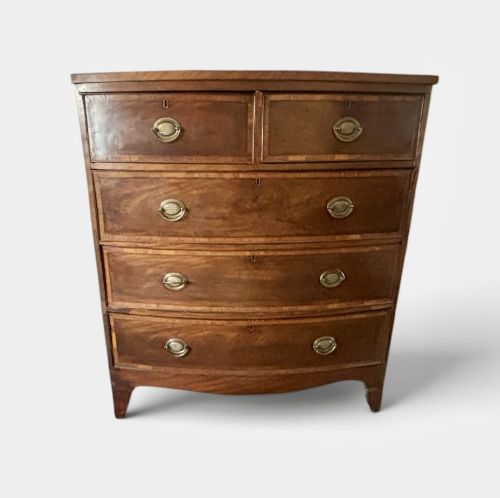
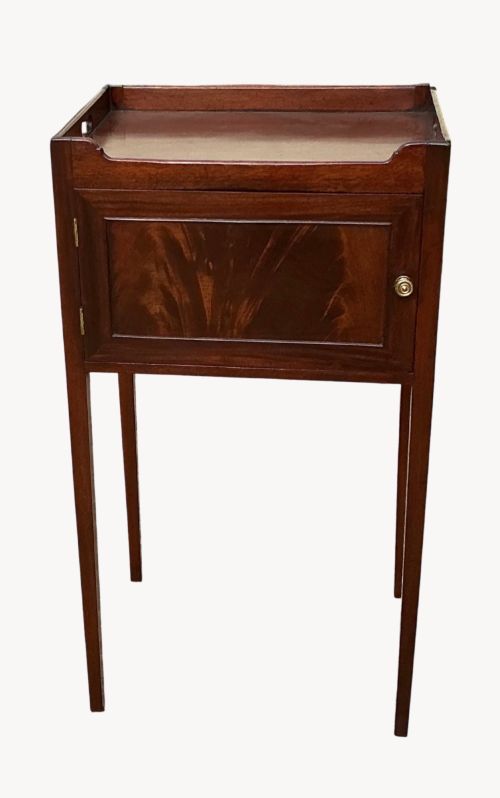
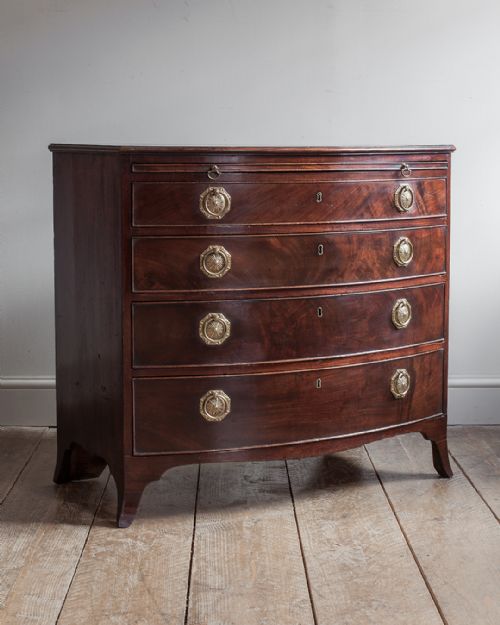
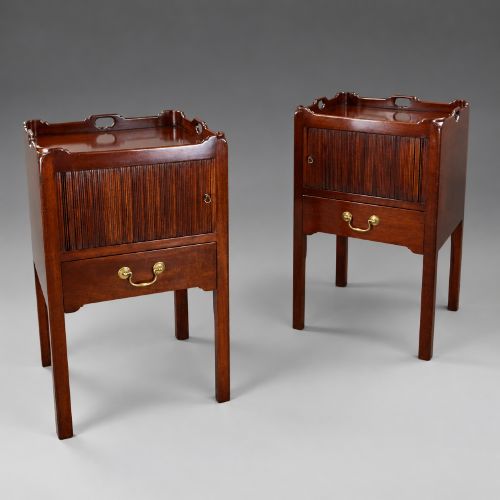
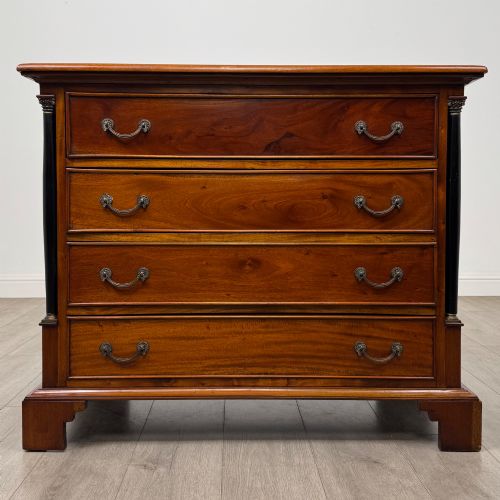
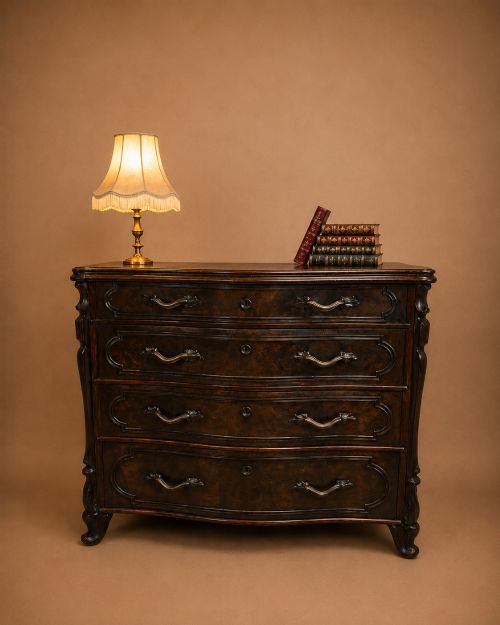
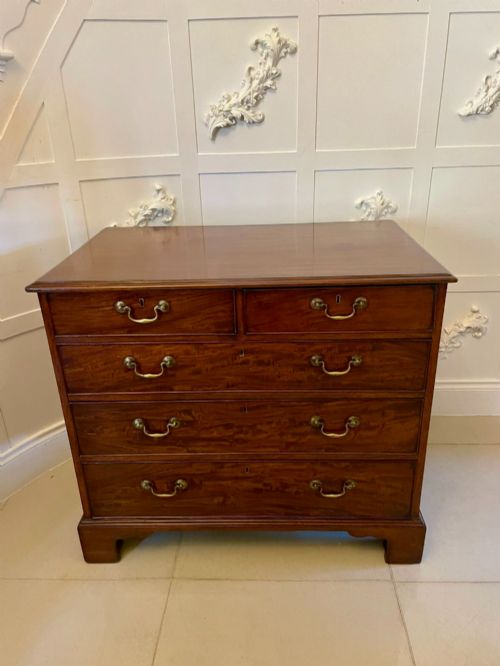
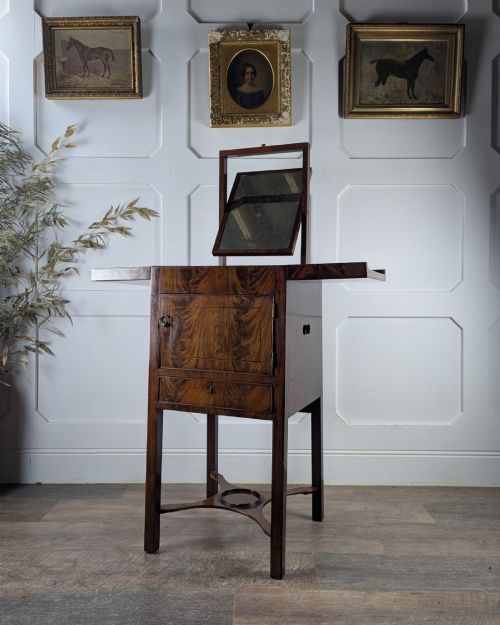
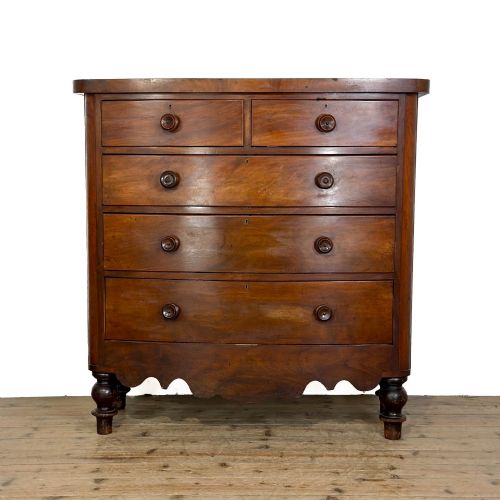
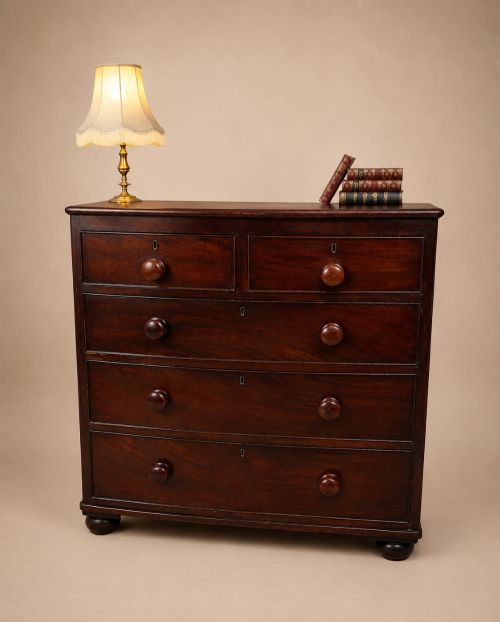
A dark mahogany commode generally presents itself as a chest of drawers, bedside cabinet, or nightstand originating from periods spanning the eighteenth through the early twentieth century. Buyers searching for a dark mahogany commode encounter numerous Georgian, Regency, and Victorian iterations, alongside later revival pieces.
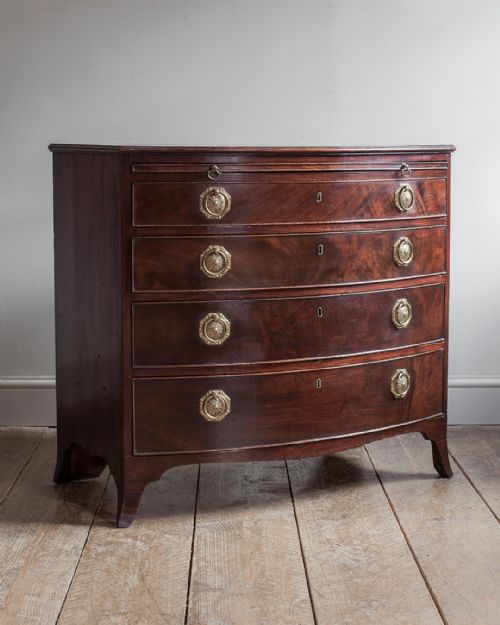
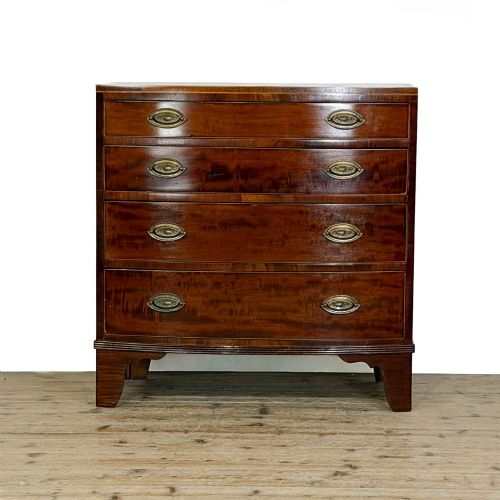
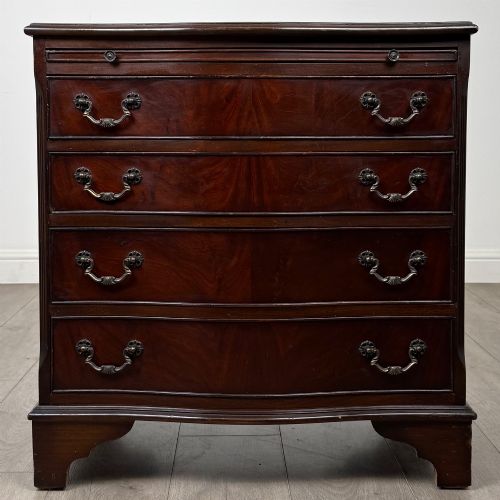
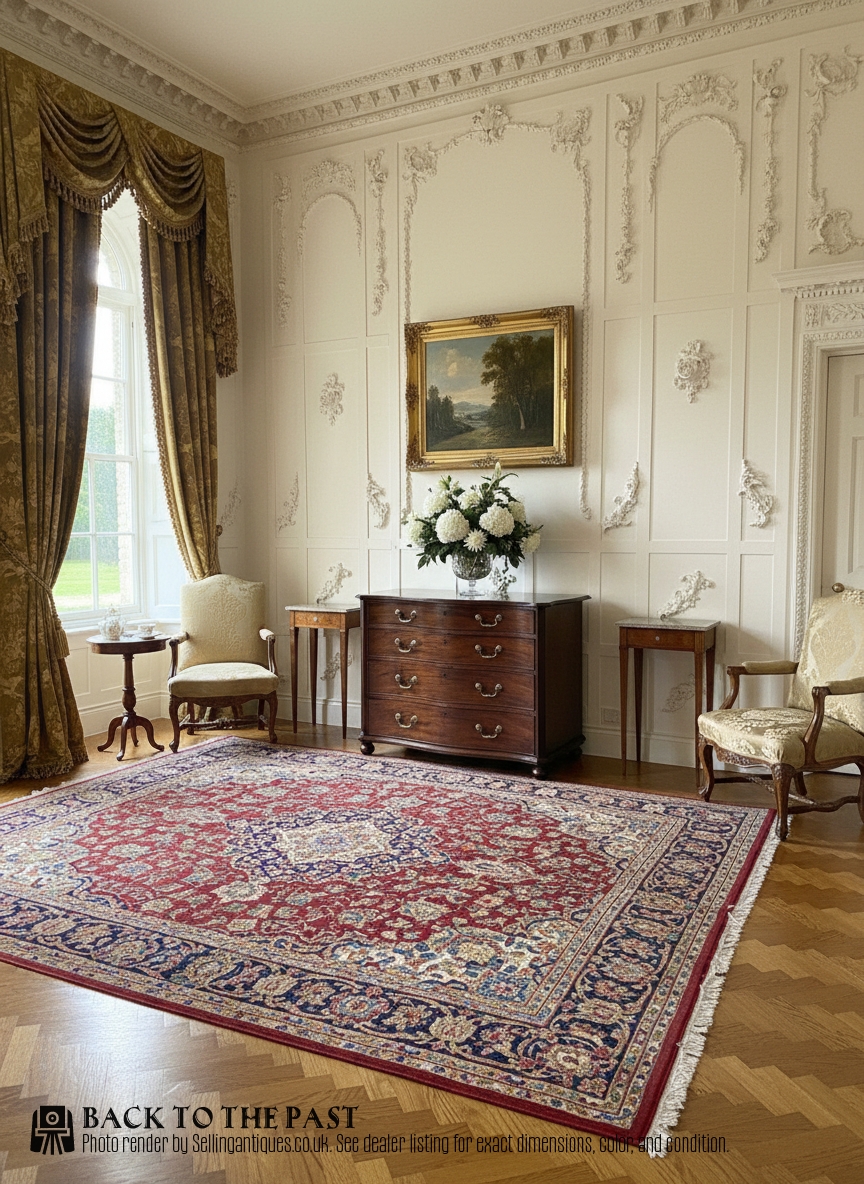
The primary forms take shape as bow fronts, serpentine fronts, and straight-sided chests, often incorporating brass hardware and occasionally satinwood banding. Workshops across Britain, France, and beyond produced these utilitarian items for bedrooms and living spaces, utilising rich tropical hardwoods.
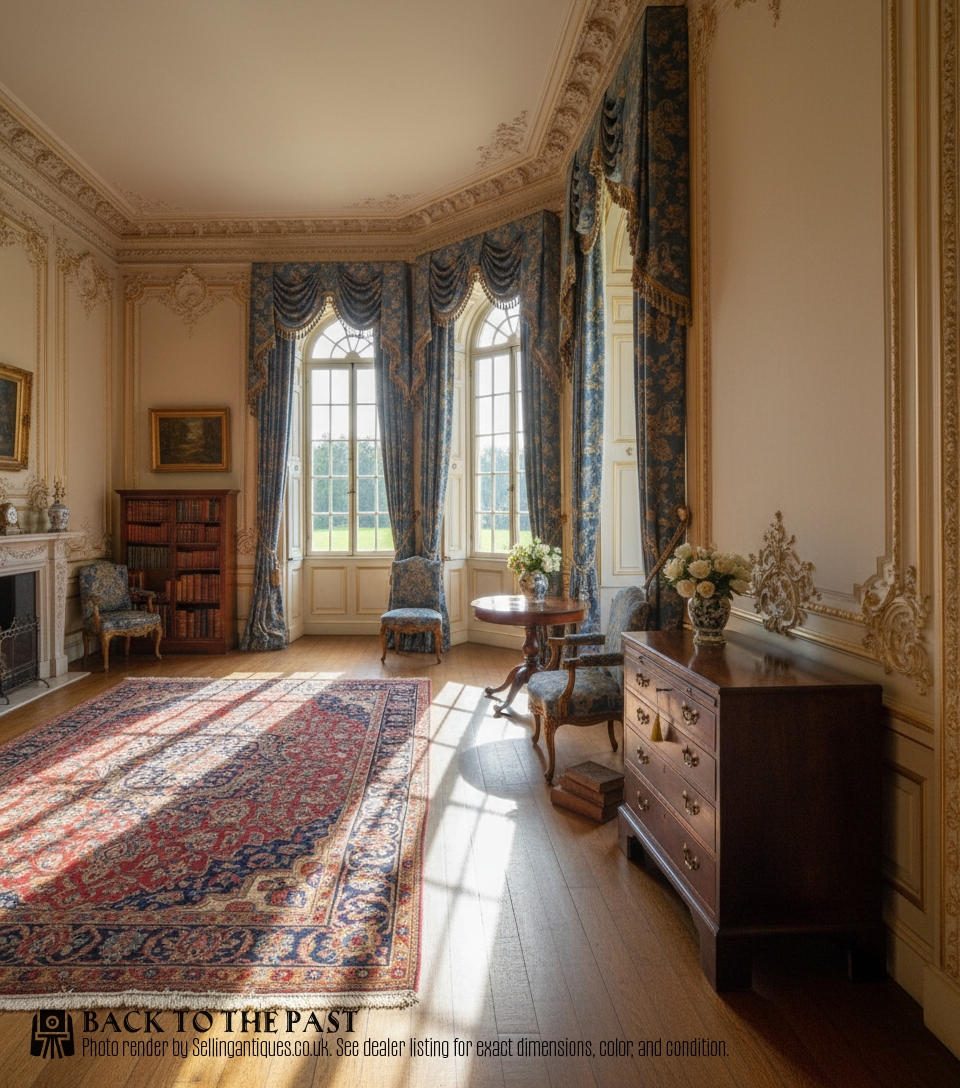
Makers ranged from notable firms like Whytock & Reid to anonymous cabinet makers working in regional workshops during the Georgian and Victorian eras. Pieces vary from compact bedside cupboards to substantial chests with multiple graduated drawers.
How they were made
Cabinet makers constructed these pieces primarily using solid mahogany, oak, and pine, frequently applying flame mahogany veneer to primary drawer fronts for visual depth. Secondary timbers such as oak and pine commonly appear in drawer linings and internal carcases.
Surface decoration relies on contrasting veneers like satinwood crossbanding and brass handles or escutcheons fixed to drawer faces. Joinery techniques involve traditional dovetailing for drawers and mortise and tenon joints for the structural frames.
Dark Mahogany Commode Retail Price Guide 2026
Typical asking prices for dark mahogany commode among the pieces listed under this phrase on Sellingantiques today, from the lower quarter to the upper quarter. They describe what is for sale here now, not the wider market.
Listings feature mahogany, oak, pine, and satinwood across eighteenth, nineteenth, and twentieth-century periods.
What varies in quality
The grade of timber selection distinguishes finer examples, particularly where figured flame mahogany or Cuban mahogany is matched across drawer fronts. Superior execution shows in crisp hand-cut dovetails, well-fitted internal drawers, and original brass hardware remaining intact.
Proportion and form dictate the distinction between standard utilitarian production and master cabinet work, with serpentine and bow front profiles demanding advanced carpentry skill. The retention of original polished finishes and secondary woods like oak rather than pine adds to the integrity of a piece.
Whytock & Reid
The Dark Mahogany Commode Glossary
- Bow front
- A convex curved cabinet front that projects outward in the centre, commonly seen on Georgian and Victorian chests of drawers. This shape required precise woodworking to bend or shape timber accurately.
- Serpentine
- A front profile characterised by a concave central section flanked by two convex ends, creating a gentle wave motion. It represents a more complex form of cabinet making than standard flat fronts.
- Crossbanding
- A border of veneer laid around the perimeter of a drawer front or tabletop so that the grain runs perpendicular to the central panel. This technique frames the primary wood and adds visual contrast.
- Flame mahogany
- A veneer cut from the fork of a mahogany tree where the branch joins the trunk, producing a rippled, flame-like pattern. It is selected for high-status furniture to create striking optical movement.
- Escutcheon
- A protective plate surrounding a keyhole, usually made of brass or bone, designed to prevent the wood around the lock from splitting or wearing down.
Dark Mahogany Commode: Frequently Asked Questions
What periods do these commodes come from?
The pieces span several centuries, including eighteenth-century Georgian examples, nineteenth-century Victorian and Regency creations, and twentieth-century revivals.
Each period imparts distinct stylistic traits, from the straight lines of George III designs to the softer curves of later Edwardian interpretations.
What is flame mahogany?
Flame mahogany is a highly figured veneer harvested from the branch junction of the tree, creating a distinctive wave-like pattern that resembles flickering fire.
Cabinet makers used this decorative grain on drawer fronts to catch the light and add visual texture to the timber.
Were these pieces used as bedside tables?
Many smaller examples function as bedside cupboards, nightstands, or side cabinets alongside their larger chest of drawers counterparts.
These compact versions provided enclosed storage for personal items in domestic bedrooms.