



Dark Landscape Artwork
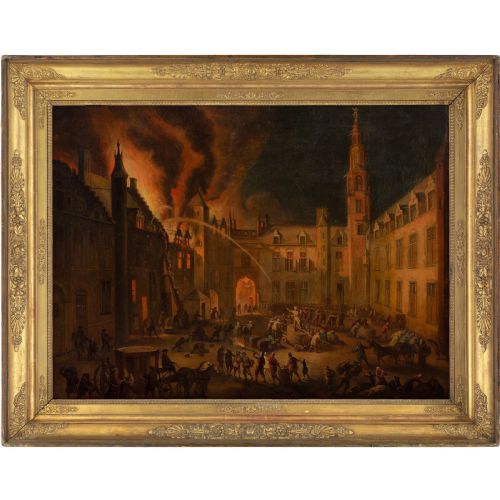
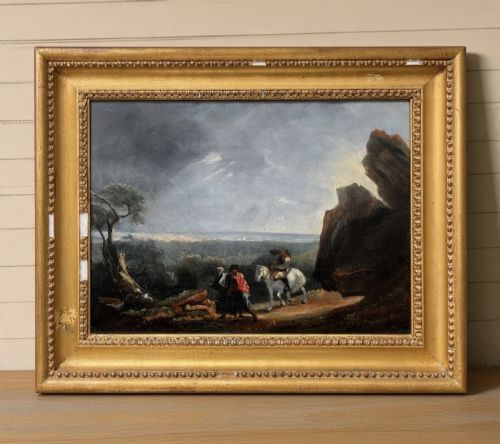
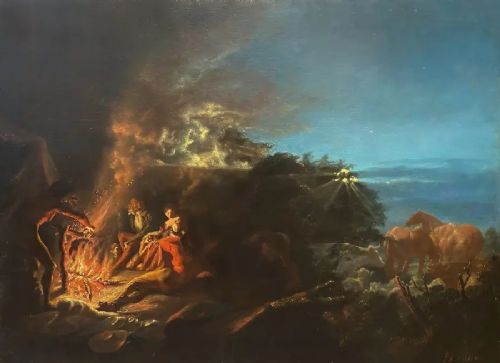
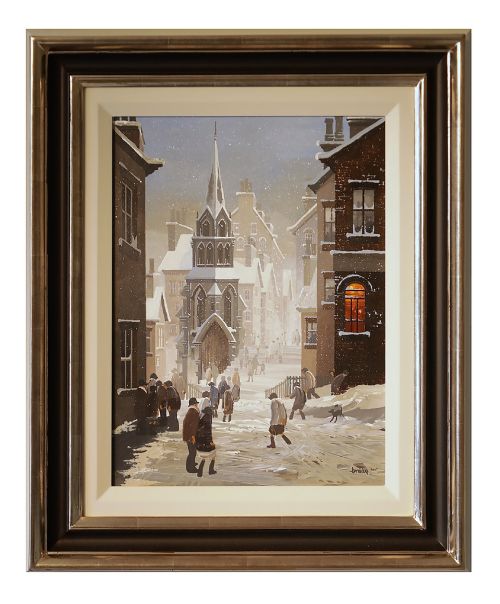
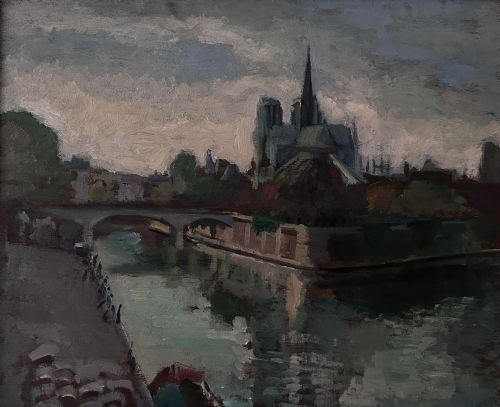
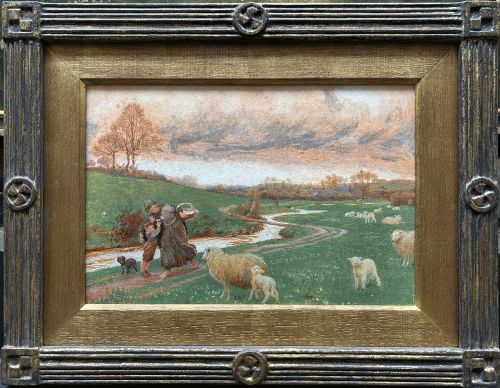
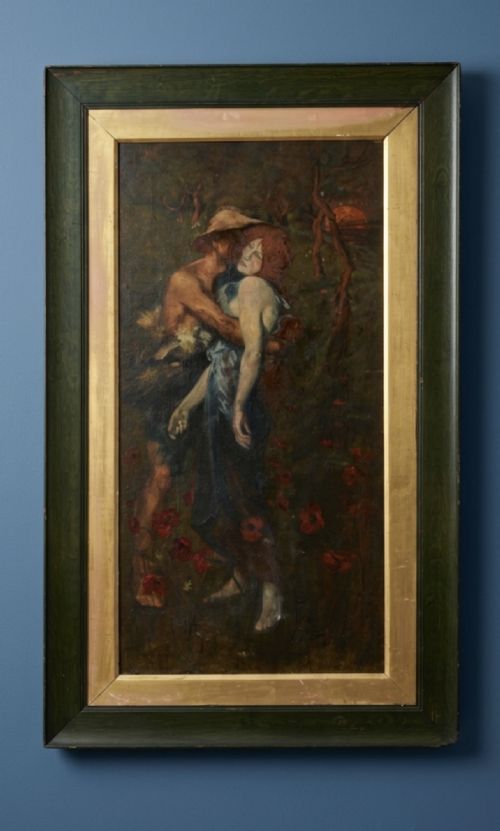
Dark landscape artwork draws the eye with moody palettes, shadowy woodland scenes, and atmospheric night views.
Dark Landscape Artwork
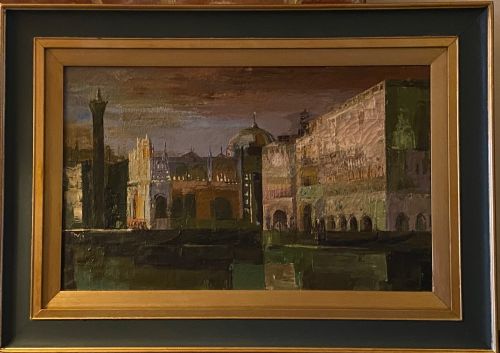
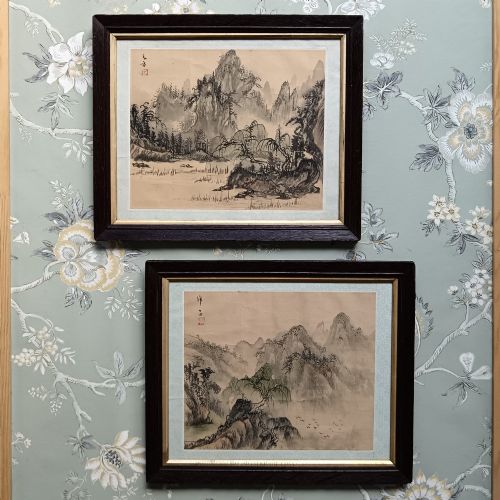
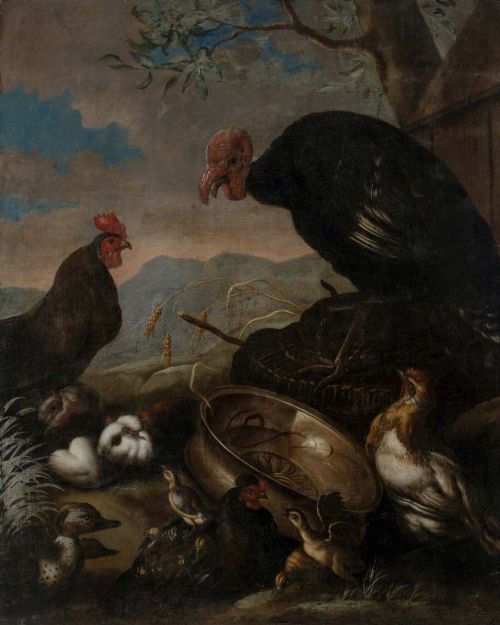
When searching for dark landscape artwork, collectors encounter a diverse selection of oil paintings, watercolours, and drawings spanning multiple centuries. The selection frequently includes moody nocturnal street scenes, moonlit countryside views, and deep woodland vistas dating from the seventeenth century through to the mid-twentieth century.
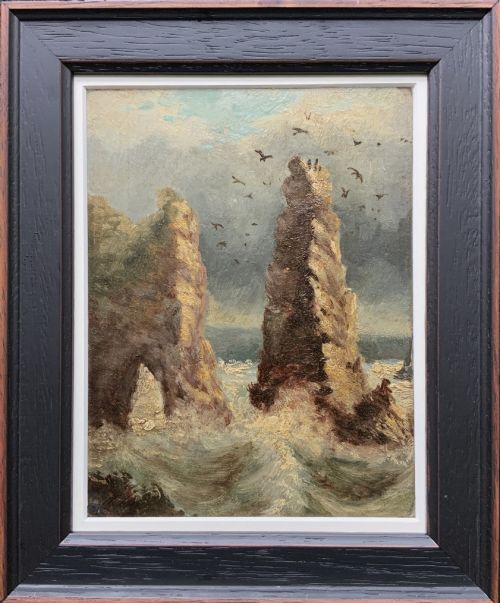
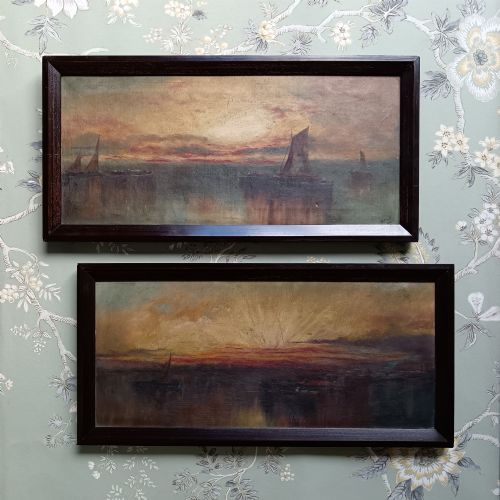
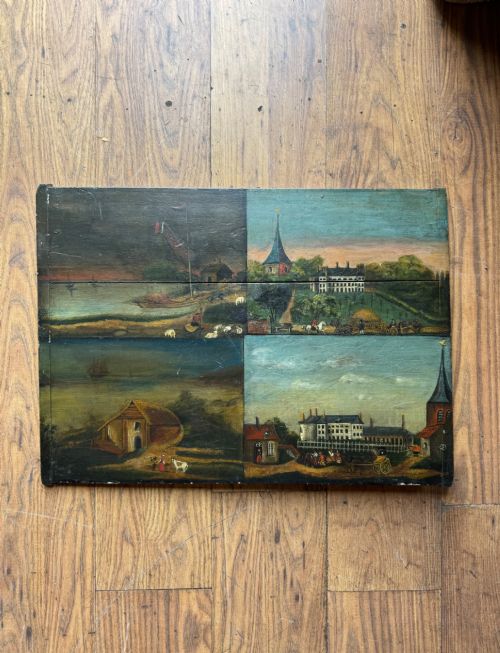
Nineteenth-century British and Dutch school canvases dominate the offerings, alongside provincial naive folk art and Victorian watercolours. Buyers frequently find marine scenes, stormy coastal views, and shadowy pastoral compositions housed in original frames.
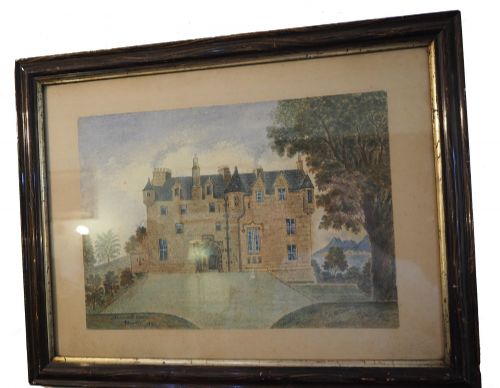
The selection ranges from intimate miniature paintings to large-scale works depicting castle ruins, mountainous terrain, and quiet rivers under dark skies. Each piece relies on deep tones, shadow, and subdued light to create atmospheric depth.
Materials and Techniques
Artists relied primarily on oil paint applied to canvas, wood panels, or paper support to build up rich, dark pigments and deep shadows. Watercolours and gouache also appear on paper, often capturing softer nocturnal tones and subtle moonlight effects.
Many works retain their period gilt frames made from wood and glass, which complement the darker palettes of the paintings within. Canvases are frequently stretched over wooden frames, while works on paper show traditional mounting and framing techniques.
Dark Landscape Artwork Retail Price Guide 2026
Typical asking prices for dark landscape artwork among the pieces listed under this phrase on Sellingantiques today, from the lower quarter to the upper quarter. They describe what is for sale here now, not the wider market.
Listings feature works executed in oil, watercolour, gouache, and lithography across canvas, wood, and paper.
Assessing Quality
Quality in these works rests upon the artist's handling of light and shadow, particularly in how effectively deep nighttime tones and atmospheric gloom are rendered. Mastery of brushwork and composition separates refined academic works from simpler provincial or naive pieces.
The survival of the original frame and the stability of the canvas or paper support contribute significantly to the standing of a piece. Works retaining clear signatures, provenance, or attribution to known schools command greater attention from collectors.
Sushila Singh·Angelo Maria Crivelli·B. Nash·Brian Shields Braaq·Albert Bierstadt·Frederick Walker·Walter Meegan·George Cole·Ernest Higgins Rigg·Hubert Thornley·Sir Muirhead Bone·H. Alken·Donald Wood·Annie L. Lee·William Huggins·Frank Moss Bennett·Pierre Peltier·James G. Faulds·Reynard Le Vieux
The Dark Landscape Artwork Glossary
- Oil on canvas
- A painting technique where oil paint is applied to a stretched woven fabric support. This method allows for rich blending of dark pigments and deep textures.
- English Primitive
- A term for art produced by self-taught or provincial painters working outside academic traditions. These pieces often feature charming perspective and direct handling of paint.
- Gouache
- An opaque water-based paint medium used on paper. It dries to a matte finish, allowing for dense colour application in shadowed areas.
- Lithograph
- A printmaking process where an image is drawn onto stone or metal plate with a greasy medium. Artists utilise this method to produce multiple impressions on paper.
Dark Landscape Artwork: Frequently Asked Questions
What periods do these dark landscapes come from?
The pieces span several centuries, with examples originating from the seventeenth century, the Georgian era, and the nineteenth century. Later works extend into the Edwardian period and the mid-twentieth century.
Collectors will find both historical Dutch school paintings and later British impressionist or naive interpretations within the selection.
How should I care for an antique oil painting?
Antique oil paintings require stable indoor humidity levels and protection from direct sunlight to prevent the canvas and paint from drying out. Keep the surface clean using a soft, dry brush to gently remove dust.
Avoid using liquid cleaners or household solvents on the paint surface or the original gilt wood frames.
Are these artworks supplied in frames?
Many of the listed pieces retain their original period frames, which are often made of wood and finished with gilt. The framing style frequently reflects the date and origin of the artwork.
Listing descriptions specify whether a piece includes its original frame or is sold mounted on paper.
How can I tell a naive painting from an academic one?
Provincial and naive paintings often feature simplified perspective, direct brushwork, and charmingly unpolished depictions of figures and landscapes. Academic works demonstrate formal training through sophisticated handling of light, shadow, and anatomical precision.
Both styles offer distinct aesthetic qualities appreciated by different collectors.