
Canvas Wall Artwork
Canvas wall artwork brings centuries of painted portraiture, landscape and narrative directly into modern interiors.
Canvas Wall Artwork
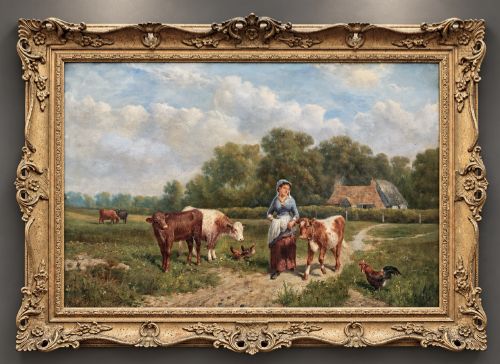
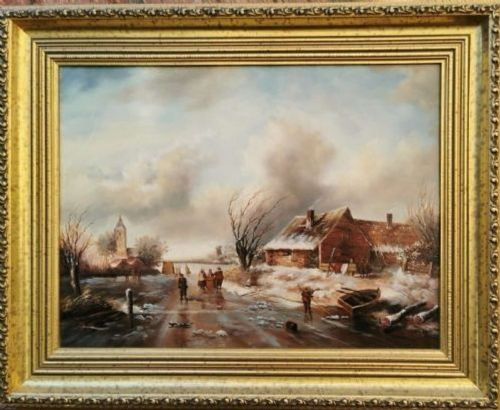
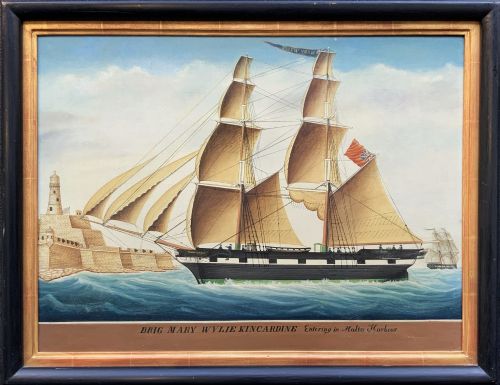
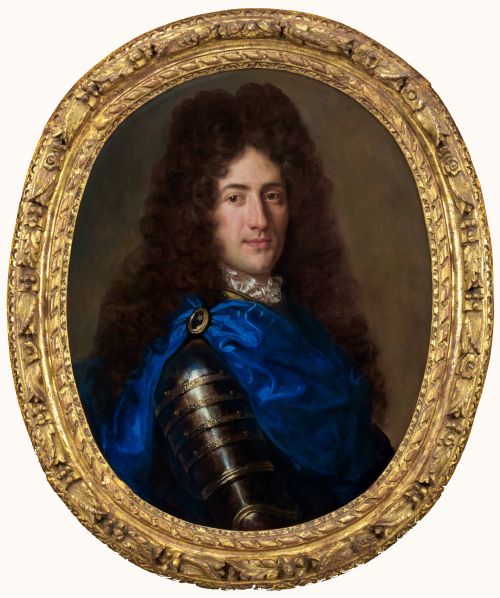
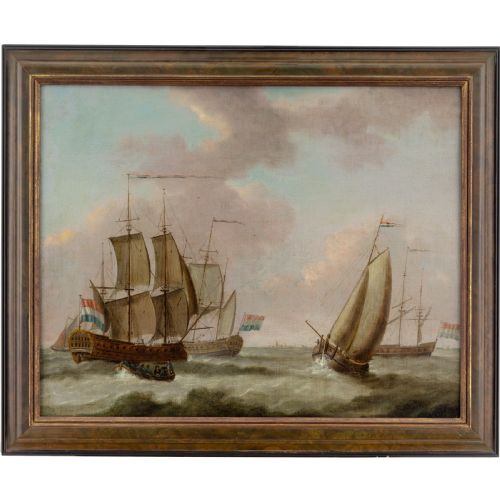
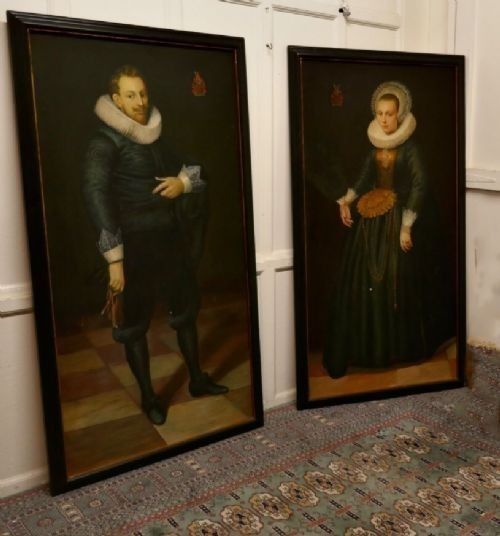
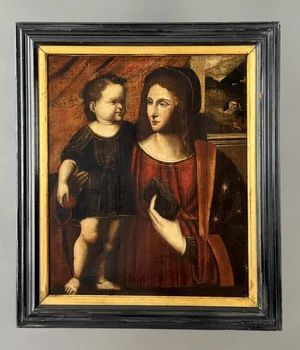
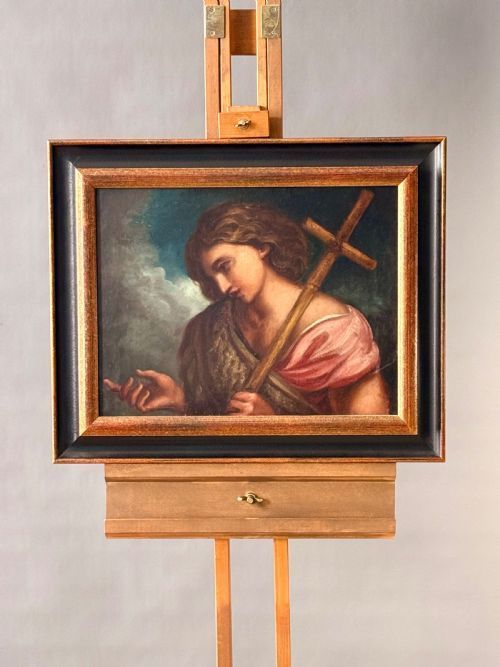
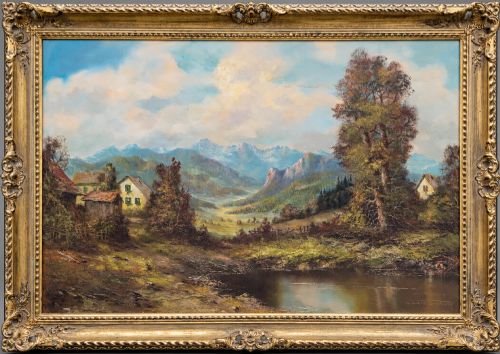
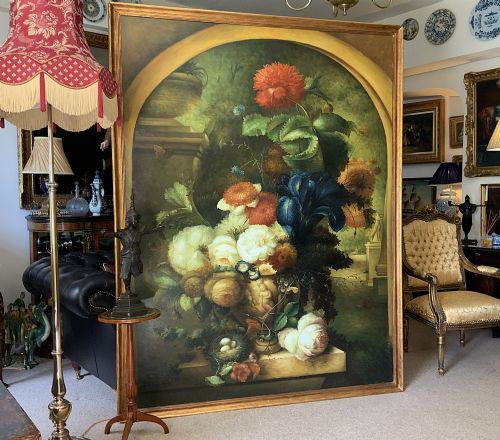
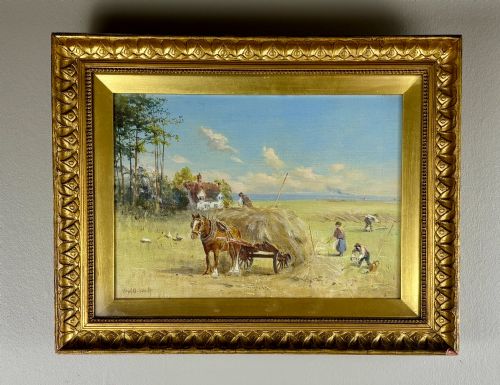
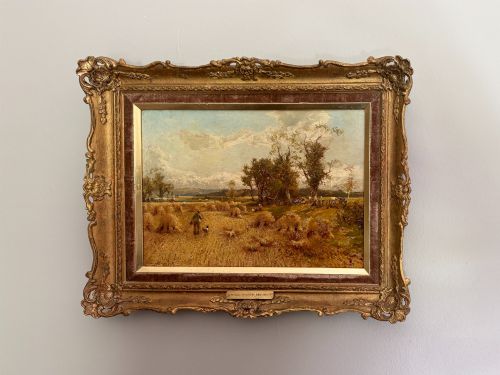
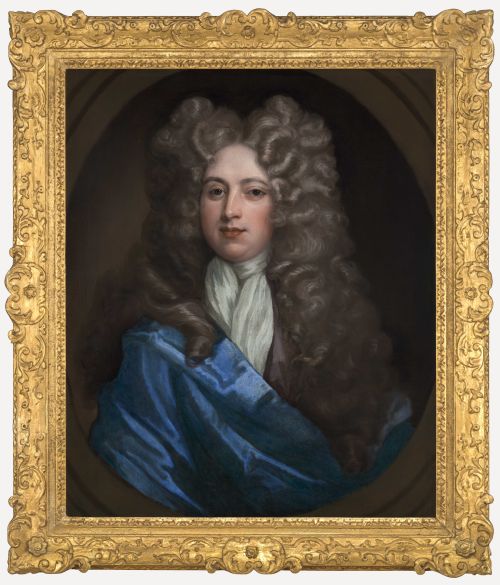
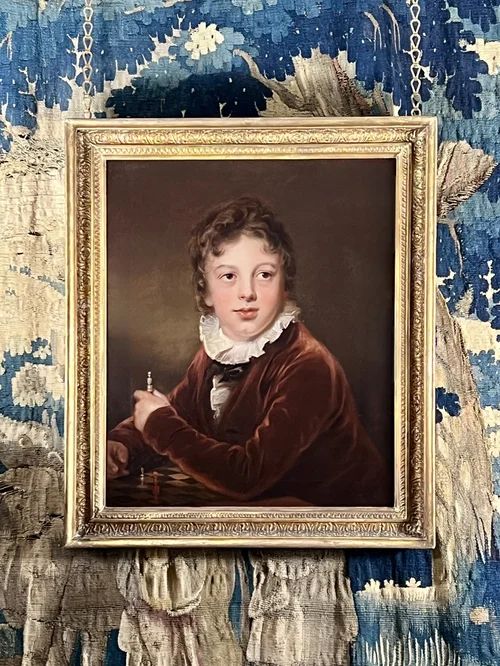
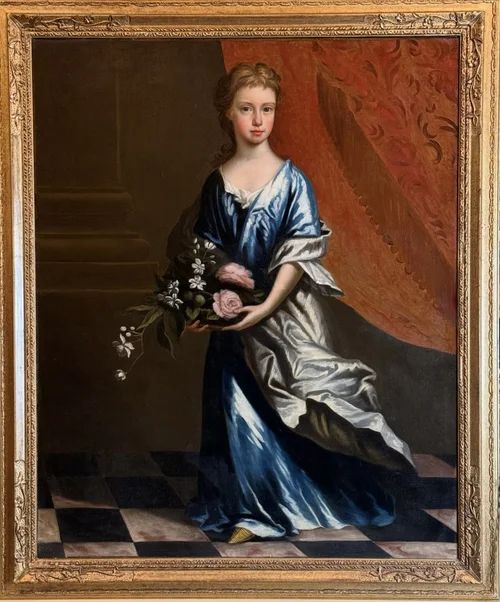
Canvas wall artwork encompasses traditional oil paintings executed on woven fabric supports spanning from the seventeenth century through the mid twentieth century. Buyers seeking canvas wall artwork encounter diverse genres including formal portraiture, maritime scenes, pastoral landscapes, and still life compositions.
The selections on this page concentrate heavily on nineteenth-century academic and realist works alongside eighteenth-century portraits and earlier seventeenth-century European school paintings. These traditional forms deliver rich pigment depth and historical narrative suited for prominent domestic display.
Works range from intimate cabinet portraits to monumental historical canvases, reflecting the evolving domestic and institutional tastes of their periods. Each piece serves as a primary historical document recording the aesthetic priorities of its era.
Materials and Construction
Traditional canvas wall artwork relies upon woven linen or hemp stretched tightly across rigid wooden frames to create a stable painting surface. Artists applied grounds and layers of oil paint mixed with natural pigments, building texture through brushwork and impasto technique.
Many historical pieces retain their original carved and gilded wooden frames, known as giltwood, which provide structural support and complement the visual weight of the oil painting. The combination of durable linen support and stable oil media explains the longevity of these surviving historical works.
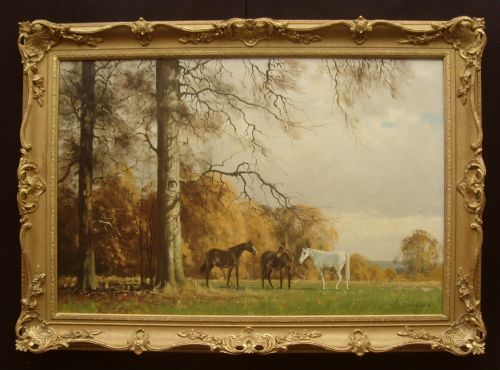
Several equine portraits capture horses staring out with more dignity than the Victorian landowners who commissioned them.
Factors Determining Quality
Quality in canvas wall artwork rests primarily upon the technical skill of the brushwork, anatomical precision in figurative subjects, and the handling of light and perspective. Superior examples demonstrate confident draftsmanship and sophisticated colour harmony that elevate the piece beyond standard studio output.
Condition and originality heavily influence the standing of a work, particularly the stability of the original canvas and the preservation of the pigment layer. Pieces retaining their early or original stretchers and period giltwood frames command greater scholarly and aesthetic regard.
Henry Barraud·Sir Joshua Reynolds·Charles-Antoine Coypel·Sir Peter Lely·Anthony Van Dyck
The Canvas Wall Artwork Glossary
- Oil on Canvas
- A traditional painting technique utilising pigments suspended in a drying oil, most commonly linseed, applied to a woven fabric support. This method allows for subtle blending and rich impasto textures.
- Giltwood
- Wood that has been coated with a thin layer of gold leaf or gold powder, frequently used for ornate antique picture frames. These frames contribute significantly to the historical context of the artwork.
- Impasto
- Paint applied thickly to a canvas, standing out from the surface so that the strokes of the brush or palette knife remain clearly visible. This technique adds tactile dimension and captures light dynamically.
- School
- A group of artists working in a particular style, region, or period, often under the influence of a master. Attributions to a specific school indicate stylistic similarities rather than direct authorship.
Canvas Wall Artwork: Frequently Asked Questions
How should I hang canvas wall artwork?
Hang canvas wall artwork away from direct sunlight and fluctuating heat sources to protect the delicate oil paint and wooden stretcher frames. Utilise robust wall fixings suited to the weight of the piece and its antique giltwood frame.
Ensure the artwork is positioned at eye level to appreciate the brushwork and composition properly. Stable environmental conditions prevent the canvas fabric from slackening or the paint layer from developing craquelure.
How do I identify the period of a painting?
Examine the style of clothing, hair, and furnishing depicted within the subject matter, alongside the physical construction of the canvas and stretcher. Period framing often provides crucial clues regarding the date of the artwork.
Consult signatures, inscriptions on the reverse of the canvas, and historical records of the artist or school. Stylistic markers such as nineteenth-century realism or baroque composition help narrow down the decade of creation.
What is the difference between an original and an after piece?
An original oil painting represents the primary concept and execution conceived directly by the artist or their immediate studio. These works hold distinct authorship and direct historical value.
An after piece is a later or contemporary painted copy executed by another hand referencing a famous masterwork, such as compositions after Leonardo da Vinci or Anthony Van Dyck. Such works reflect the enduring popularity of iconic imagery across subsequent generations.
How do I clean antique oil paintings?
Dust antique canvas wall artwork gently with a soft, dry artist brush to remove surface particulate matter without disturbing the paint layer. Avoid using water, domestic cleaners, or chemical solvents on the delicate oil surface.
Professional conservation is required for deep cleaning or removing aged discoloured varnish. Amateur cleaning attempts risk permanent damage to the historical pigment.